
Grief Counseling for Divorce: Healing After Loss
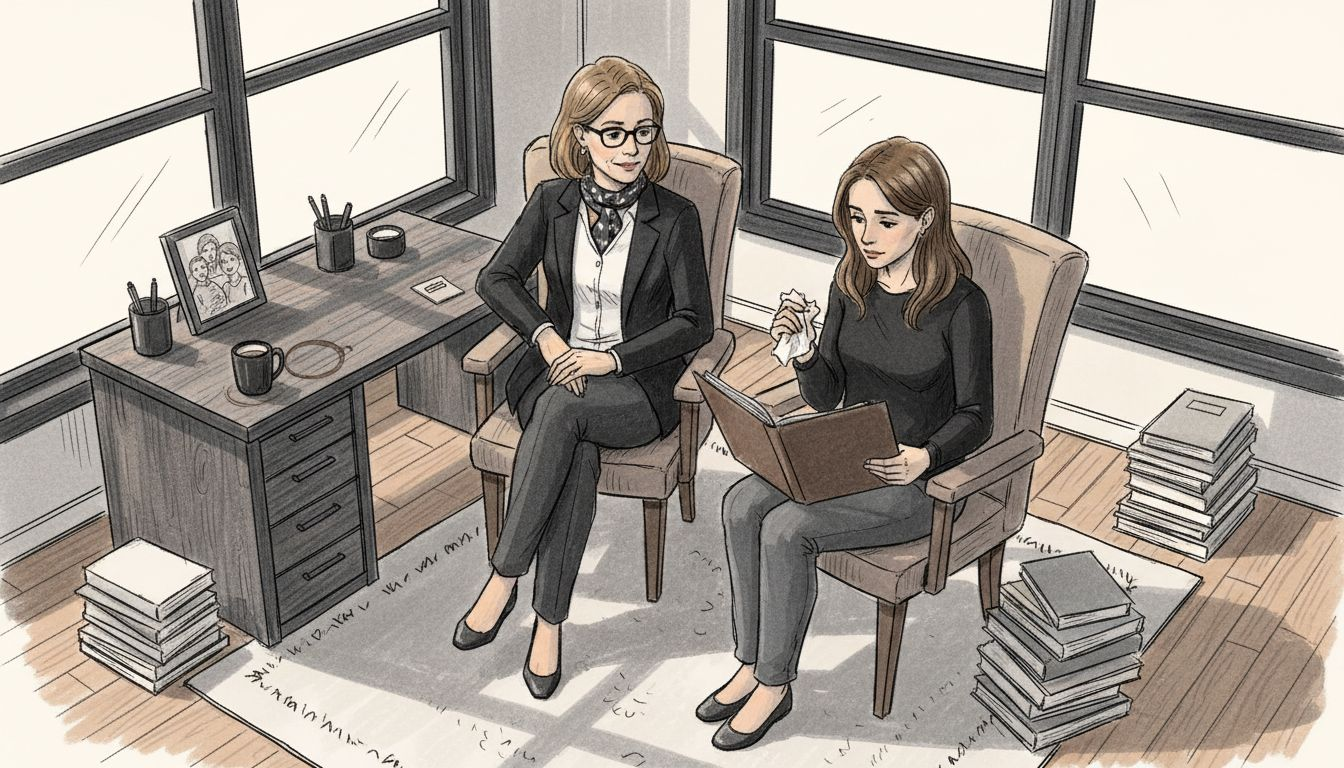
Losing a marriage can feel like losing a part of yourself, especially when family roles and cultural values shape so much of your daily life. For many Hispanic adults in California, the grief that follows divorce brings not just heartache but deep questions about personal identity and community. Grief counseling for divorce offers a space to express pain, rebuild strength, and honor the complexity of your emotions while respecting cultural roots and family bonds.
Table of Contents
Key Takeaways
| Point | Details |
|---|---|
| Grief Counseling for Divorce | Specialized support helps individuals navigate the emotional complexities of divorce, addressing feelings such as anger, sadness, and identity loss. |
| Non-Linear Grief Process | Divorce grief is not a linear journey; individuals may experience emotions in unique patterns influenced by personal and cultural factors. |
| Coping Strategies | Utilizing tools such as mindfulness, journaling, and support groups can enhance emotional resilience during the divorce process. |
| Cultural Sensitivity | Understanding the cultural context of clients, especially for Hispanic individuals, is crucial for effective grief counseling and emotional healing. |
Defining Grief Counseling for Divorce
Divorce represents a profound life transition that triggers complex emotional responses requiring specialized therapeutic support. Grief counseling for divorce offers targeted intervention to help individuals navigate the emotional landscape of relationship dissolution. Specialized therapeutic intervention addresses the multidimensional impact of divorce beyond legal separation.
At its core, grief counseling for divorce goes far deeper than traditional therapy. It recognizes divorce as a significant loss involving the death of a relationship, shared dreams, and anticipated future. Grief counseling interventions encompass multiple therapeutic approaches designed to support emotional processing and adjustment.
The primary objectives of divorce grief counseling include:
Validating the emotional pain of relationship loss
Developing healthy coping mechanisms
Processing complex feelings like anger, sadness, and betrayal
Rebuilding personal identity post-divorce
Creating strategies for emotional resilience
Divorce grief differs from traditional bereavement counseling by focusing on the living loss - the end of a relationship while both parties remain alive. This nuanced approach helps individuals understand that their grief is legitimate, complex, and worthy of professional support.
Here's a summary comparing traditional bereavement counseling and divorce grief counseling:
| Aspect | Divorce Grief Counseling | Traditional Bereavement Counseling |
|---|---|---|
| Type of Loss | Relationship end, both parties alive | Death of loved one |
| Emotional Focus | Anger, betrayal, identity rebuild | Sorrow, longing, closure |
| Common Challenges | Ongoing interactions, legal issues | Finality, absence, remembrance |
| Counseling Goal | Restore self-worth, new identity | Acceptance of loss, moving on |
Pro tip: Consider grief counseling not as a sign of weakness, but as a courageous step toward personal healing and transformation.
Stages and Variations of Divorce Grief
Divorce grief is a profound emotional journey that defies simple linear progression. Emotional responses vary significantly between individuals, making each person's experience unique and deeply personal. While traditional grief models suggest predictable stages, divorce grief often emerges as a more complex and unpredictable landscape of emotions.
Traditionally, divorce grief includes several recognizable emotional stages that may overlap or recur:
Denial: Initial disbelief about the relationship's end
Anger: Intense feelings of betrayal or resentment
Bargaining: Attempting to negotiate or reconcile
Depression: Experiencing profound sadness and loss
Acceptance: Gradually embracing the new reality
Psychological responses to divorceextend beyond emotional experiences, encompassing physiological reactions like separation anxiety, confusion, and deep yearning. The grieving process is inherently non-linear, influenced by personal history, social support systems, and individual coping mechanisms. Some individuals might cycle through these stages multiple times, while others experience them differently.
Key factors that significantly impact divorce grief include personal identity, social connections, and individual resilience. Cultural background, length of marriage, presence of children, and financial circumstances can dramatically reshape the grief experience. Understanding these variations helps individuals recognize that their emotional journey is valid, regardless of how it manifests.

Pro tip: Embrace your unique grief journey without comparing yourself to others or expecting a predetermined emotional timeline.
Trauma-Informed Care and EMDR Therapy
Trauma-informed care represents a compassionate approach to healing that recognizes the profound impact of traumatic experiences, particularly in the context of divorce. Clinical approaches for high-conflict divorces focus on understanding and addressing the deep emotional wounds associated with relationship dissolution.
Key components of trauma-informed care during divorce include:
Recognizing individual trauma responses
Creating a safe, supportive therapeutic environment
Validating emotional experiences
Avoiding re-traumatization
Empowering clients to reclaim their emotional agency
EMDR therapy emerges as a powerful interventionfor processing divorce-related emotional pain. This evidence-based approach helps individuals reframe traumatic memories, reduce emotional distress, and develop healthier coping mechanisms. Unlike traditional talk therapy, EMDR uses bilateral stimulation to help the brain reprocess traumatic experiences, allowing clients to move beyond emotional stuck points.
The therapeutic process addresses multiple dimensions of divorce trauma, including emotional dysregulation, anxiety, and complex grief. Therapists trained in trauma-informed care understand that divorce can trigger deep-seated emotional wounds, requiring a nuanced and compassionate approach that goes beyond surface-level healing.
Pro tip: Approach your healing journey with patience, understanding that trauma recovery is not linear and each step forward matters.
Cultural Sensitivity for Hispanic Clients
Cultural sensitivity in grief counseling requires deep understanding and respect for the unique experiences of Hispanic clients. Culturally adapted grief treatment recognizes that emotional healing is intrinsically connected to cultural identity, family dynamics, and community traditions.
Key considerations for culturally sensitive divorce grief counseling include:
Honoring familial interconnectedness
Respecting spiritual and religious beliefs
Acknowledging collectivist family structures
Understanding machismo and familial role expectations
Validating emotional expressions within cultural contexts
Language plays a crucial role in providing authentic support. Bilingual therapists can navigate nuanced emotional landscapes, understanding not just the words, but the cultural subtext behind feelings of loss. This approach goes beyond translation, creating a therapeutic environment that feels safe, understood, and deeply validating for Hispanic clients experiencing divorce grief.
Traumatic experiences of divorce intersect with cultural identity in complex ways. Therapists must recognize how immigration status, generational differences, and cultural expectations can amplify emotional pain. By creating a space that honors individual experiences while respecting cultural norms, counseling becomes a powerful tool for healing and transformation.
Pro tip: Embrace your cultural heritage as a source of strength, not a barrier to healing during your divorce journey.
Coping Tools, Support, and Common Pitfalls
Divorce grief requires strategic emotional management and intentional healing approaches. Adaptive coping strategies provide individuals with critical tools to navigate the complex emotional landscape of relationship dissolution.
Essential coping tools for managing divorce grief include:
Practicing mindfulness meditation
Journaling emotional experiences
Establishing new personal routines
Developing healthy emotional boundaries
Creating structured self-care practices
Engaging in regular physical exercise
Participating in support group discussions
Emotional support comes from multiple sources, including professional counseling, peer networks, and personal relationships. Key coping mechanisms emphasize the importance of emotional expression and building resilient social connections. Professional therapists can help individuals develop personalized strategies for processing complex feelings and rebuilding personal identity.
Common pitfalls in divorce grief recovery often involve destructive emotional patterns like persistent anger, social isolation, and unresolved trauma. Recognizing these potential obstacles allows individuals to proactively develop healthier coping mechanisms and prevent prolonged emotional distress. Successful healing requires acknowledging pain while simultaneously creating pathways for personal growth and transformation.
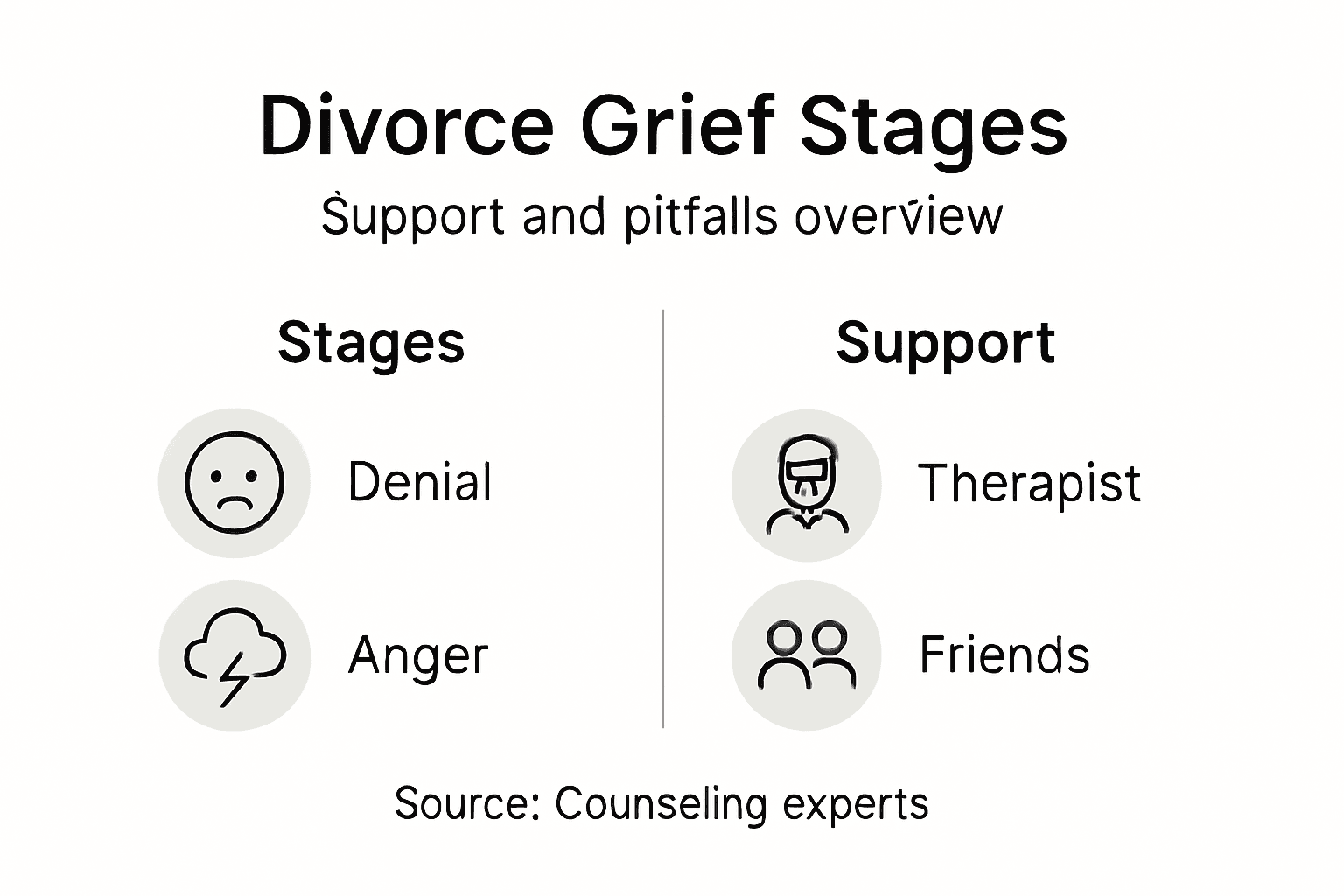
Below is a quick reference of coping supports and common pitfalls in divorce grief recovery:
| Support Resource | Benefit | Common Pitfall |
|---|---|---|
| Professional Therapist | Personalized interventions | Delaying seeking help |
| Peer Support Group | Shared experiences, validation | Oversharing without boundaries |
| Family/Friends | Emotional encouragement | Relying on unsupportive contacts |
| Mindfulness Practices | Stress relief, focus | Neglecting consistency |
Pro tip: Treat your healing journey as a compassionate, nonlinear process. Progress isn’t always linear, but consistently moving forward matters most.
Find Strength and Healing with Expert Grief Counseling for Divorce
Divorce grief can feel overwhelming as it involves a profound loss that reshapes personal identity and emotional wellbeing. If you are struggling with feelings of anger, betrayal, or sadness, and seeking compassionate support that understands your unique emotional journey, Alvarado Therapy offers trauma-informed care tailored to your needs. Our licensed therapists specialize in EMDR therapy and culturally sensitive counseling to help you process complex emotions and rebuild resilience effectively.
Take the courageous step toward healing today and discover personalized strategies that validate your feelings and empower your recovery. Explore our wide range of services at Alvarado Therapy and connect with a bilingual, trauma-sensitive team ready to support you. Your journey to emotional clarity and empowerment starts with one click at https://alvaradotherapy.org. Learn more about our emdr therapy and individual counseling offerings designed to guide you through healing after loss.
Frequently Asked Questions
What is grief counseling for divorce?
Grief counseling for divorce is a specialized therapeutic intervention designed to help individuals navigate the emotional loss associated with the end of a relationship. It addresses complex feelings and promotes healthy coping mechanisms to facilitate healing.
How does divorce grief differ from traditional bereavement grief?
Divorce grief focuses on the emotional loss of a relationship while both parties remain alive, contrasting with traditional bereavement that deals with the death of a loved one. Divorce grief involves feelings of anger, betrayal, and identity rebuilding, while traditional grief centers on sorrow and acceptance.
What are some common stages of divorce grief?
Common stages of divorce grief include denial, anger, bargaining, depression, and acceptance. However, this process is not linear and may vary significantly among individuals, with some experiencing overlapping or recurring emotions.
What coping strategies are effective for managing divorce grief?
Effective coping strategies for divorce grief include practicing mindfulness meditation, journaling, establishing new routines, setting emotional boundaries, engaging in regular exercise, and seeking support through therapy or peer groups.
Recommended
Role of Therapy in Divorce Recovery – Pathways to Healing — Alvarado Therapy
Why Seek Couples Counseling After Breakup: Healing, Clarity, Co-Parenting — Alvarado Therapy
Why Choose Grief Counseling for Healing Loss — Alvarado Therapy
Role of Grief in Relationships – Impact on Connection — Alvarado Therapy
