
Couples Therapy in Trauma Recovery: Rebuilding Trust
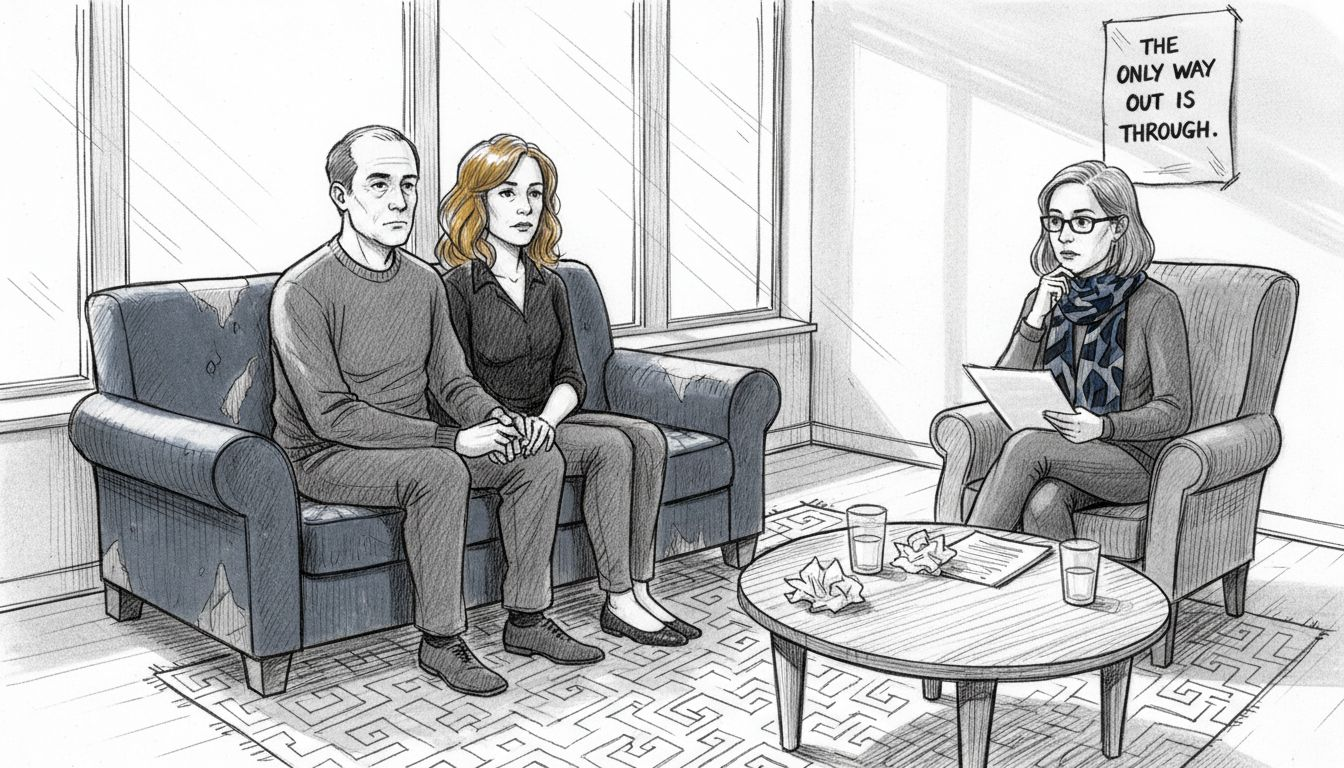
Trust and communication can feel fragile after infidelity, especially when childhood trauma or PTSD remains a silent influence in the relationship. Many couples in California discover that addressing these hidden wounds together is vital for emotional safety and connection. This article explains how trauma-informed couples therapy uses specialized strategies to support healing, rebuild trust, and create healthier relationship patterns for partners facing these complex challenges.
Table of Contents
Key Takeaways
| Point | Details |
|---|---|
| Trauma-Informed Focus | Couples therapy for trauma recovery emphasizes understanding the impact of trauma on relationship dynamics rather than merely addressing relationship issues. |
| Specialized Techniques | Therapists utilize trauma-sensitive approaches to help partners navigate trust and communication disruptions caused by traumatic experiences. |
| Collaborative Healing | Healing from trauma in relationships requires a joint effort, emphasizing patience and shared emotional language between partners. |
| Rebuilding Trust | Active listening, validation, and establishing boundaries are critical for restoring trust and communication in trauma-affected relationships. |
Defining couples therapy for trauma recovery
Couples therapy for trauma recovery represents a specialized therapeutic approach designed to help partners navigate the complex emotional landscape created by traumatic experiences. Evidence-based trauma therapies recognize that trauma does not occur in isolation but profoundly impacts relationship dynamics and individual healing processes.
At its core, this therapy addresses how traumatic experiences create disruptions in trust, communication, and emotional safety between partners. The approach goes beyond traditional counseling by understanding that trauma symptoms manifest differently within intimate relationships, requiring nuanced and compassionate interventions. Key objectives include:
Identifying trauma-related relationship patterns
Supporting individual and collective healing
Rebuilding emotional safety and connection
Developing healthy communication strategies
Processing shared and individual traumatic experiences
Trauma-informed couples therapy fundamentally shifts from viewing one partner as "the problem" to understanding how traumatic experiences shape relational interactions. Counseling professionals emphasize that trauma can precede or follow couple formation, creating complex symptom displays that require specialized therapeutic approaches.
The therapeutic process involves creating a safe, non-judgmental space where both partners can explore their experiences, triggers, and emotional responses. Therapists trained in trauma recovery use integrative techniques that combine psychological understanding with specialized relational interventions.
Pro tip: When seeking couples therapy for trauma recovery, prioritize therapists specifically trained in trauma-informed approaches who understand the intricate ways traumatic experiences impact relationship dynamics.
Here's a summary of trauma-informed couples therapy compared to traditional couples counseling:
| Aspect | Trauma-Informed Couples Therapy | Traditional Couples Counseling |
|---|---|---|
| Focus | Trauma impact on relationships | General relationship issues |
| Therapeutic Techniques | Integrative, trauma-sensitive | Communication, conflict resolution |
| Therapist Training | Specialized in trauma recovery | General relationship therapy |
| Primary Goal | Individual and collective healing | Improving relationship satisfaction |
This comparison highlights how trauma-informed couples therapy addresses unique needs created by traumatic experiences.
How trauma affects intimate relationships
Trauma creates profound and complex disruptions in intimate relationships, fundamentally altering how partners communicate, trust, and connect with each other. Relationship dynamics dramatically change when traumatic experiences introduce emotional complexity and psychological challenges that can undermine relationship stability.
The impact of trauma on relationships manifests through multiple interconnected dimensions:
Erosion of emotional safety
Disrupted communication patterns
Increased anxiety and hypervigilance
Reduced capacity for vulnerability
Triggered stress responses during intimate moments
Potential attachment insecurities
Psychological research reveals that trauma survivors often struggle with maintaining healthy relationship boundaries. Counseling professionals note that trauma can significantly increase risks of relationship dissolution, with survivors experiencing higher rates of separation and ongoing relational difficulties.
These relationship challenges stem from trauma's deep psychological imprint. Survivors might experience hypervigilance, emotional numbness, or unexpected triggers that create distance between partners. The neurobiological impact of trauma can fundamentally reshape how individuals perceive safety, trust, and emotional connection within their most intimate relationships.
Pro tip: Recognize that healing from trauma is a collaborative journey, and patience with yourself and your partner is crucial in rebuilding emotional intimacy.
For quick reference, here are common emotional challenges in couples affected by trauma and potential therapist strategies:
| Relationship Challenge | Therapist Strategy | Example Benefit |
|---|---|---|
| Trust issues | Structured vulnerability practice | Restored emotional security |
| Communication breakdown | Regulated dialogue techniques | Reduced misunderstandings |
| Attachment insecurities | Attachment-focused interventions | Increased relationship stability |
| Emotional numbness | Expressive therapy integration | Enhanced emotional connection |
Use this table to better understand targeted approaches for handling trauma-related difficulties in relationships.
Key approaches in trauma-informed couples therapy
Trauma-informed couples therapy represents a specialized approach that goes beyond traditional relationship counseling by addressing the complex psychological impacts of traumatic experiences. Clinical practice guidelines emphasize the critical importance of creating a therapeutic environment that prioritizes safety, trust, and collaborative healing.
Key therapeutic approaches in trauma-informed couples work include:
Establishing emotional safety
Developing collaborative treatment goals
Recognizing individual trauma responses
Facilitating mutual understanding
Implementing regulated communication techniques
Supporting individual and collective healing processes
Evidence-based trauma therapies offer multiple intervention strategies for couples navigating traumatic experiences. National trauma experts recommend integrated approaches such as Cognitive Processing Therapy and Eye Movement Desensitization and Reprocessing (EMDR) that can be adapted to address relational dynamics and individual healing simultaneously.
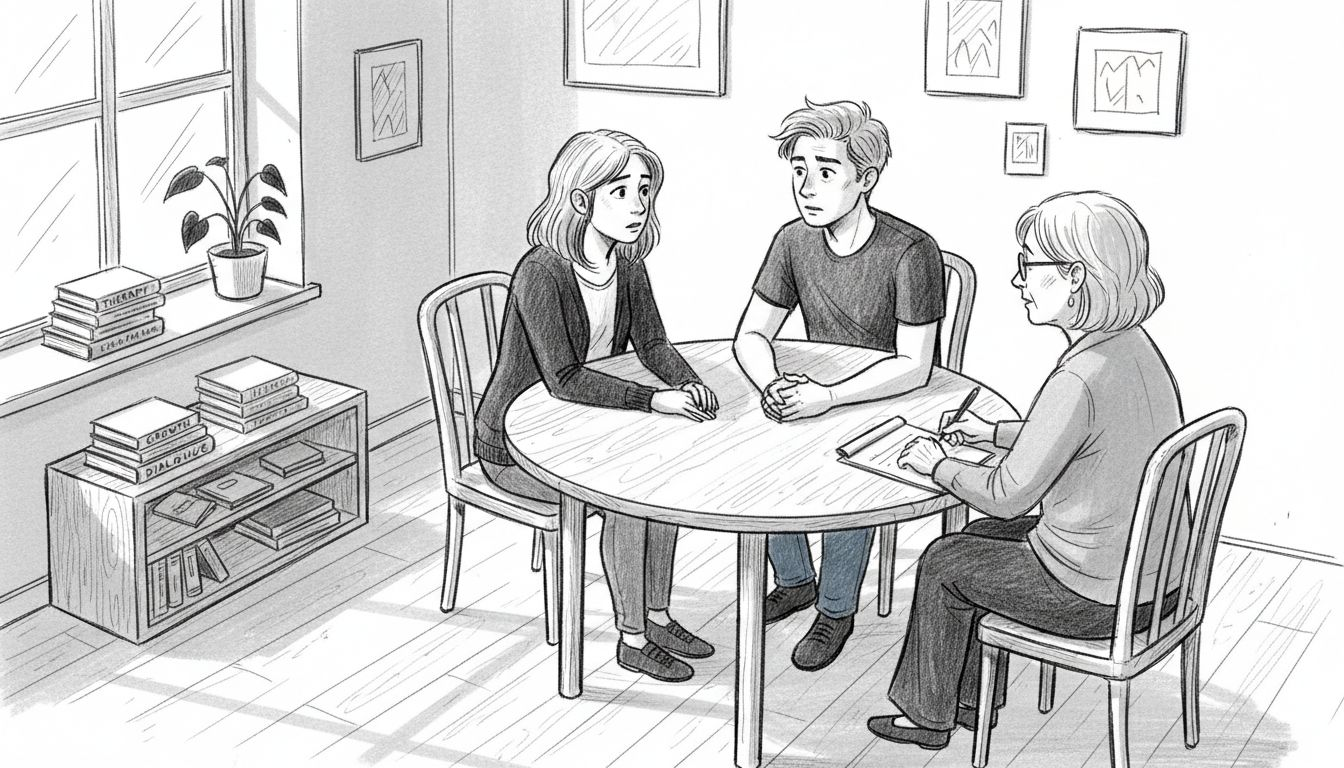
Therapists utilize a multifaceted approach that balances individual trauma processing with relationship repair. This involves creating a non-judgmental space where both partners can explore their experiences, understand trauma's impact, and develop healthier communication and emotional regulation strategies.
Pro tip: Choose a therapist specifically trained in trauma-informed couples therapy who understands the nuanced interplay between individual trauma responses and relationship dynamics.
Rebuilding communication and trust after trauma
Rebuilding communication and trust after trauma requires a deliberate, compassionate approach that acknowledges the profound emotional wounds created by traumatic experiences. Psychodynamic couple therapy research demonstrates that strategic interventions can significantly reduce psychological distress and restore relationship connections.
Critical strategies for rebuilding trust and communication include:
Creating safe emotional spaces
Practicing active, non-judgmental listening
Validating individual trauma experiences
Developing shared emotional language
Establishing clear, respectful boundaries
Cultivating mutual empathy and understanding
Implementing gradual vulnerability techniques
Therapeutic approaches like Emotionally Focused Therapy offer structured pathways for healing. Trauma recovery experts recommend integrating attachment-based techniques that help partners process traumatic experiences collaboratively, ultimately fostering deeper emotional connection and rebuilding fractured trust.
Successful communication restoration involves recognizing that trauma creates unique relational challenges. Partners must learn to navigate triggered responses, practice emotional regulation, and develop new communication patterns that prioritize safety, understanding, and mutual support. This process requires patience, consistent effort, and professional guidance to transform relationship dynamics.
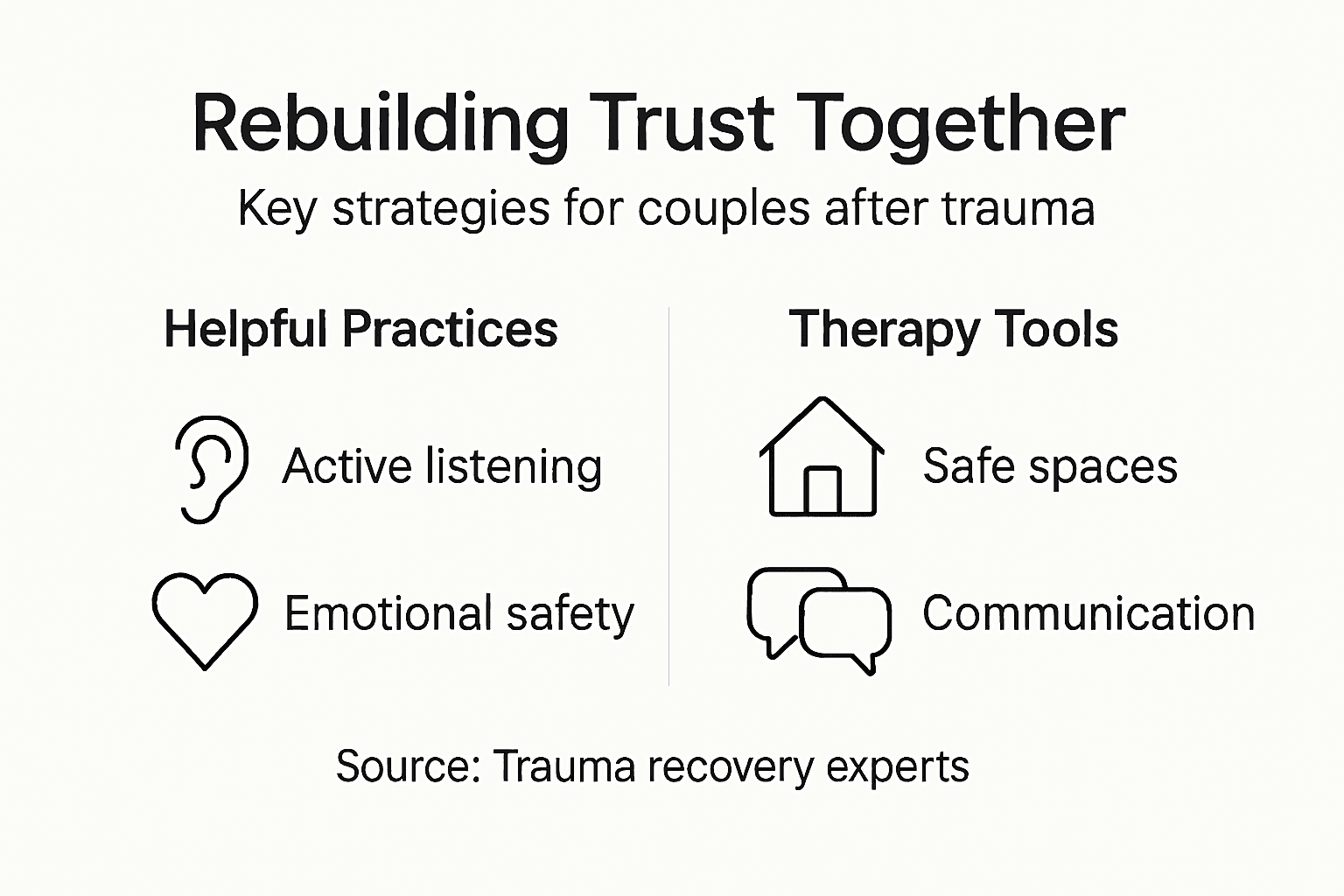
Pro tip: Practice gentle, non-reactive communication by using "I feel" statements and creating intentional moments of emotional check-ins with your partner.
Common challenges and strategies for success
Couples recovering from trauma encounter complex psychological and relational challenges that require nuanced, compassionate therapeutic approaches. Clinical assessments reveal multiple interconnected obstacles that can significantly impact relationship healing and individual recovery processes.
Critical challenges in trauma recovery for couples include:
Misaligned healing timelines
Triggered emotional responses
Unequal trauma processing speeds
Communication breakdown
Trust reconstruction difficulties
Managing individual and collective trauma symptoms
Navigating emotional vulnerability
Psychological resilience demands strategic interventions that address both individual and collective relationship dynamics. Successful strategies focus on creating adaptive mechanisms that support mutual healing, emphasizing emotional safety, communication skills, and collaborative recovery approaches.
Effective trauma recovery requires partners to develop shared emotional languages, practice active listening, and cultivate empathetic understanding. This process involves recognizing each partner's unique trauma responses, establishing healthy boundaries, and building a supportive environment that allows both individuals to heal while maintaining relationship integrity.
Pro tip: Approach trauma recovery as a collaborative journey, celebrating small communication victories and maintaining patience with yourself and your partner's healing process.
Rebuild Trust and Healing Together with Expert Trauma-Informed Couples Therapy
Couples recovering from trauma face unique challenges such as disrupted communication, trust issues, and emotional vulnerability as highlighted in this article. If these struggles feel familiar, healing is possible with compassionate support tailored to your needs. Alvarado Therapy specializes in trauma-informed couples therapy designed to restore emotional safety and develop healthy communication strategies vital for rebuilding your relationship.
Take the next step toward healing with experienced therapists who understand the profound effects trauma has on intimate relationships. Whether you prefer sessions online in California or want to meet our compassionate team in Ventura CA (in person), Alvarado Therapy offers a safe, culturally responsive space for couples to grow stronger together. Visit our Online in California — Meet Our Team — Alvarado Therapy, Ventura CA (in person) — Meet Our Team — Alvarado Therapy, or start your healing journey directly at https://alvaradotherapy.org today.
Frequently Asked Questions
What is couples therapy for trauma recovery?
Couples therapy for trauma recovery is a specialized therapeutic approach that helps partners address the emotional disruptions caused by traumatic experiences. It focuses on rebuilding trust, improving communication, and supporting individual and collective healing within the relationship.
How does trauma affect intimate relationships?
Trauma can alter emotional safety, trust, communication, and connection in intimate relationships. It often leads to challenges such as emotional numbness, anxiety, triggered stress responses, and attachment insecurities, which can undermine relationship stability.
What strategies are effective in rebuilding trust after trauma?
Effective strategies include creating safe emotional spaces, practicing active listening, validating each other's experiences, establishing clear boundaries, and cultivating mutual empathy. Gradual vulnerability techniques can also help partners reconnect and restore trust.
Why is it important to choose a therapist trained in trauma-informed couples therapy?
A therapist trained in trauma-informed couples therapy understands the unique challenges traumatic experiences present in relationships. They are equipped with specialized techniques that prioritize safety and collaborative healing, making them better suited to support both partners in navigating their healing journey.
