
Why Choose EMDR for Anxiety: Complete Guide

More than 40 million American adults suffer from anxiety disorders every year, making effective treatment options more important than ever. For many, traditional methods fall short, leaving lingering symptoms and daily struggles. EMDR therapy offers a unique and innovative approach that targets deep-rooted trauma and anxiety triggers. Discover how this groundbreaking method helps American individuals reprocess distressing memories and regain control over their emotional health.
Table of Contents
Key Takeaways
| Point | Details |
|---|---|
| Effective Treatment for Anxiety | EMDR therapy addresses the root causes of anxiety by processing traumatic memories through bilateral stimulation, offering substantial symptom relief. |
| Structured Eight-Phase Approach | The therapy follows a systematic eight-phase protocol that guides clients through memory processing and emotional regulation. |
| Comparison to Traditional Methods | EMDR is distinct from traditional therapies like CBT, focusing on direct memory reprocessing rather than cognitive restructuring. |
| Considerations for Clients | Not all individuals are suitable for EMDR; potential risks and emotional intensity should be assessed during initial consultations. |
What Is EMDR Therapy for Anxiety?
EMDR (Eye Movement Desensitization and Reprocessing) therapy is an innovative psychotherapeutic approach specifically designed to help individuals process and heal from traumatic memories and anxiety-related experiences. Unlike traditional talk therapies, EMDR uses bilateral sensory stimulation to help the brain reprocess distressing memories that contribute to ongoing emotional suffering.
At its core, EMDR therapy involves a structured eight-phase treatment that focuses on transforming how traumatic memories are stored in the brain. During sessions, clients are guided to recall distressing memories while simultaneously experiencing bilateral sensory input, typically through side-to-side eye movements. This unique process helps the brain reorganize and integrate traumatic experiences, reducing their emotional intensity and psychological impact.
Research demonstrates that EMDR can be particularly effective for individuals struggling with anxiety disorders. By targeting the underlying memories and belief systems that fuel anxiety, this therapeutic approach helps clients reprocess traumatic experiences and reduce associated emotional distress. The therapy works by helping the brain move from a state of hyperarousal and fear to a more balanced, adaptive processing of past experiences, ultimately enabling individuals to develop more resilient emotional responses.
Key aspects of EMDR for anxiety treatment include:
Identifying specific traumatic memories triggering anxiety
Using bilateral stimulation to help the brain reprocess these memories
Developing new, healthier neural pathways for emotional regulation
Reducing the emotional charge of past traumatic experiences
Empowering clients to feel more in control of their emotional responses
How EMDR Therapy Works in Practice
EMDR therapy is a structured therapeutic approach that follows a carefully designed protocol to help individuals process and heal from traumatic experiences. The therapy is implemented through a systematic eight-phase treatment process that ensures comprehensive and safe emotional processing, making it a highly methodical intervention for anxiety and trauma recovery.

During a typical EMDR session, clients work closely with a trained therapist to identify and target specific memories that contribute to their current emotional distress. The core technique involves bilateral stimulation, typically through guided eye movements, while the client focuses on a traumatic memory. This process helps the brain reprocess the memory, reducing its emotional intensity and allowing for more adaptive neural integration.
The eight phases of EMDR therapy provide a comprehensive framework for healing. Each phase serves a specific purpose in helping clients move through their traumatic experiences:
History Taking: Gathering comprehensive background information
Preparation: Establishing coping mechanisms and emotional safety
Assessment: Identifying specific target memories
Desensitization: Processing memories through bilateral stimulation
Installation: Strengthening positive beliefs
Body Scan: Checking for residual physical tension
Closure: Ensuring emotional stability between sessions
Reevaluation: Monitoring progress and addressing remaining issues
What sets EMDR apart from traditional talk therapies is its unique approach to memory processing. By engaging both hemispheres of the brain simultaneously, the therapy helps clients transform how traumatic memories are stored and experienced, ultimately reducing their emotional impact and helping individuals develop more resilient emotional responses.
Unique Benefits of EMDR for Anxiety
EMDR therapy offers a groundbreaking approach to addressing anxiety by directly targeting the root causes of emotional distress. Unlike traditional talk therapies that primarily focus on symptom management, EMDR provides a unique intervention that helps individuals process and transform the underlying traumatic memories fueling their anxiety.
One of the most significant advantages of EMDR is its ability to reduce both psychological and physiological symptoms associated with anxiety. The therapy works by systematically desensitizing traumatic memories, which leads to a substantial decrease in anxiety’s emotional and physical manifestations. Clients often experience a profound shift in how they perceive and respond to previously triggering memories, resulting in improved emotional regulation and overall mental well-being.
The unique benefits of EMDR for anxiety include:
Rapid Symptom Relief: Faster resolution of anxiety symptoms compared to traditional therapies
Root Cause Processing: Addressing the underlying memories that trigger anxiety
Neurological Rewiring: Helping the brain form new, healthier neural pathways
Holistic Healing: Reducing both emotional and physical anxiety responses
Long-Term Emotional Resilience: Developing more adaptive coping mechanisms
Unlike conventional treatments that may require years of ongoing therapy, EMDR offers a more targeted and efficient approach to anxiety recovery. By directly engaging with the brain’s memory processing system, the therapy helps individuals transform their relationship with traumatic experiences, ultimately empowering them to move beyond the limitations imposed by chronic anxiety.
Comparing EMDR to Other Anxiety Treatments
Comparative studies reveal that EMDR offers a distinctive approach to anxiety treatment that differs significantly from traditional therapeutic methods. While cognitive-behavioral therapy (CBT) and talk therapies focus primarily on symptom management and cognitive restructuring, EMDR provides a more direct method of addressing the root causes of anxiety by processing traumatic memories at a neurological level.
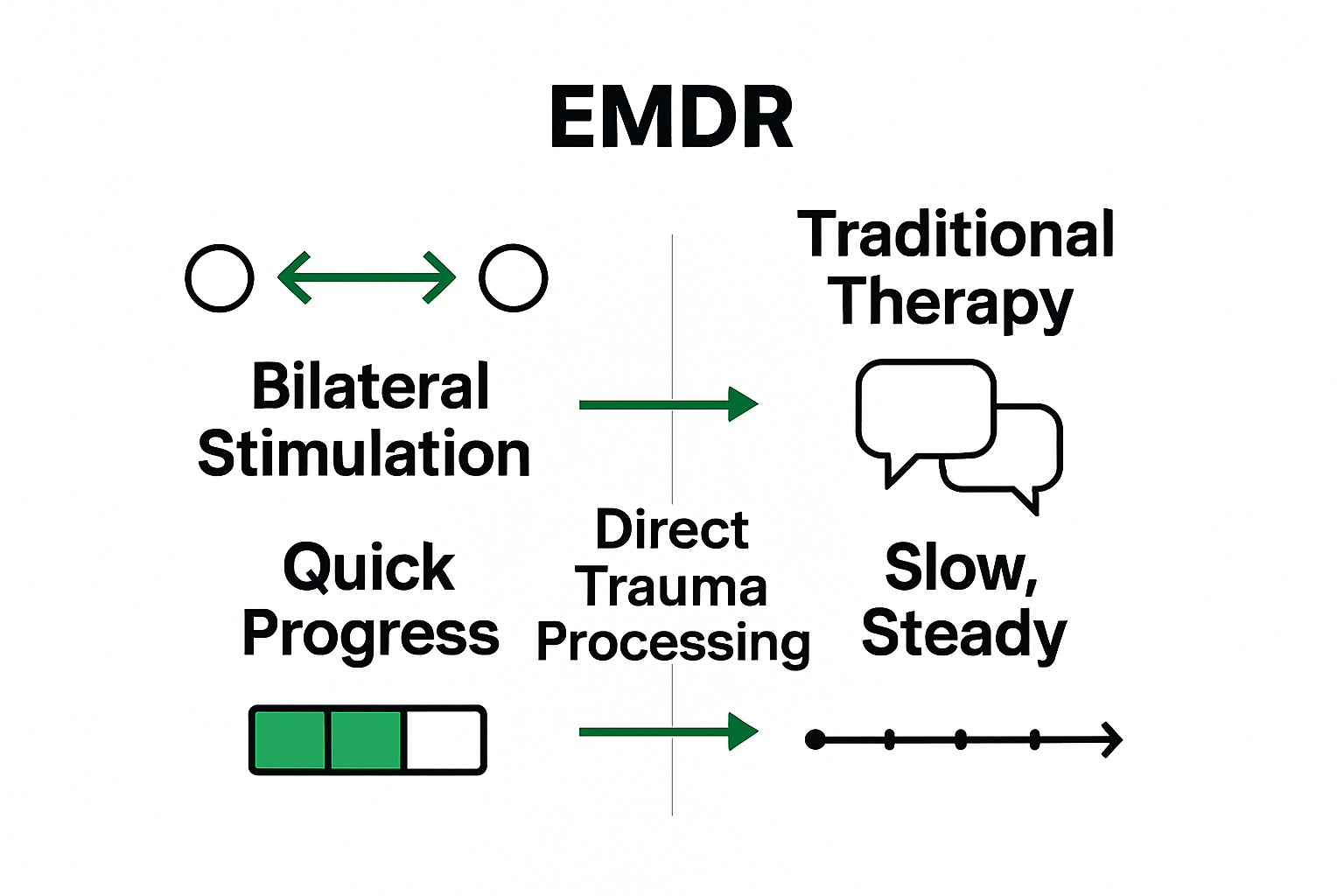
Research demonstrates that EMDR is comparably effective to other established anxiety treatments, with some notable advantages. Meta-analyses have shown EMDR to be equally successful as other therapeutic interventions, while offering a unique mechanism of bilateral stimulation that sets it apart from conventional approaches. This method can be particularly beneficial for individuals who have not responded well to traditional talk therapies or exposure-based treatments.
Key differences between EMDR and other anxiety treatments include:
Processing Approach:
EMDR: Direct memory reprocessing
CBT: Cognitive restructuring
Talk Therapy: Verbal exploration
Treatment Duration:
EMDR: Often shorter treatment timeline
CBT: Typically longer-term intervention
Traditional Therapy: Potentially extended periods
Neurological Impact:
EMDR: Targets memory storage and processing
CBT: Focuses on thought patterns
Talk Therapy: Emphasizes emotional understanding
Unlike many traditional treatments, EMDR offers a more targeted intervention that doesn’t solely rely on verbal processing. By engaging the brain’s natural healing mechanisms, it provides a holistic approach that can help individuals overcome anxiety more efficiently, potentially reducing the time and emotional energy required for healing.
Risks, Costs, and Client Suitability
EMDR therapy requires careful consideration of individual client needs and potential risks before beginning treatment. While the therapy offers significant therapeutic benefits, not every individual may be an ideal candidate, and understanding the potential challenges is crucial for successful outcomes.
The therapeutic process involves processing potentially distressing memories, which means clients should be prepared for emotional intensity during sessions. Therapists must conduct thorough assessments to determine client suitability and readiness for memory reprocessing, taking into account factors such as current mental health status, trauma history, and emotional stability.
Key considerations for EMDR therapy include:
Client Suitability Factors:
Stable mental health condition
Ability to manage emotional distress
No active substance abuse issues
Willingness to engage in memory processing
Sufficient emotional regulation skills
Potential Risks:
Temporary increase in emotional distress
Surfacing of challenging memories
Potential psychological discomfort
Short-term intensification of symptoms
Cost Considerations:
Varies by therapist and location
Typically ranges from $100-$250 per session
Some insurance plans may offer partial coverage
Potential for package or sliding scale pricing
Initial consultation often recommended
Proper preparation and open communication with a qualified EMDR therapist can help mitigate potential risks and ensure a supportive, effective therapeutic experience. Individuals interested in EMDR should schedule an initial consultation to discuss their specific needs and determine whether the therapy aligns with their mental health goals.
Take Control of Anxiety with Expert EMDR Therapy
If anxiety feels overwhelming and you are seeking lasting relief rooted in healing the traumatic memories behind your distress, our California-based team at Alvarado Therapy is here to support your journey. EMDR therapy offers a targeted approach to process and reframe painful experiences, reducing emotional distress and empowering you with emotional resilience. Whether you are navigating childhood trauma, PTSD, or complex anxiety symptoms, our licensed therapists use trauma-informed methods tailored to your unique needs.

Explore the compassionate care from our skilled providers across California and Ventura CA (in person). Do not wait to reclaim your sense of peace and control. Visit Alvarado Therapy today to schedule a consultation and take the first step toward transforming your anxiety from a heavy burden into manageable balance.
Frequently Asked Questions
What is EMDR therapy and how does it help with anxiety?
EMDR (Eye Movement Desensitization and Reprocessing) therapy is a structured psychotherapeutic approach that helps individuals process traumatic memories and anxiety by using bilateral sensory stimulation. This process assists in reorganizing and integrating distressing experiences, reducing their emotional intensity and psychological impact.
How long does EMDR therapy typically take to show results for anxiety?
EMDR therapy often has a shorter treatment timeline compared to traditional therapies, with many clients experiencing significant symptom relief in fewer sessions. The duration may vary depending on individual circumstances, such as the severity of anxiety and trauma history.
Is EMDR therapy suitable for everyone with anxiety?
While EMDR can be highly effective, it’s not suitable for everyone. Candidates should have stable mental health, the ability to manage emotional distress, and be willing to engage in memory processing. A qualified therapist will conduct thorough assessments to determine suitability before beginning therapy.
What are the unique benefits of EMDR over traditional anxiety treatments?
EMDR offers rapid symptom relief by directly addressing the root causes of anxiety through memory processing. Unlike traditional therapy methods that focus on symptom management, EMDR facilitates the development of new, healthier neural pathways, promoting long-term emotional resilience and effective coping mechanisms.
Recommended
Why Choose EMDR Therapy: The Essential Guide — Alvarado Therapy
EMDR Therapy: A Path to Healing and Growth — Alvarado Therapy
Step by Step EMDR Therapy Guide for Trauma Recovery — Alvarado Therapy
How to Prepare for EMDR Therapy: A Step-by-Step Guide — Alvarado Therapy
Stage fright: how to deal with it, and its possible benefits - TMRG Solutions
TMJ Disorders: Complete Guide to Jaw, Neck, and Nervous System
Ready to see what’s possible?
It’s your time to heal in a transformative way.
