
Relationship Anxiety Explained: Complete Guide for Healing
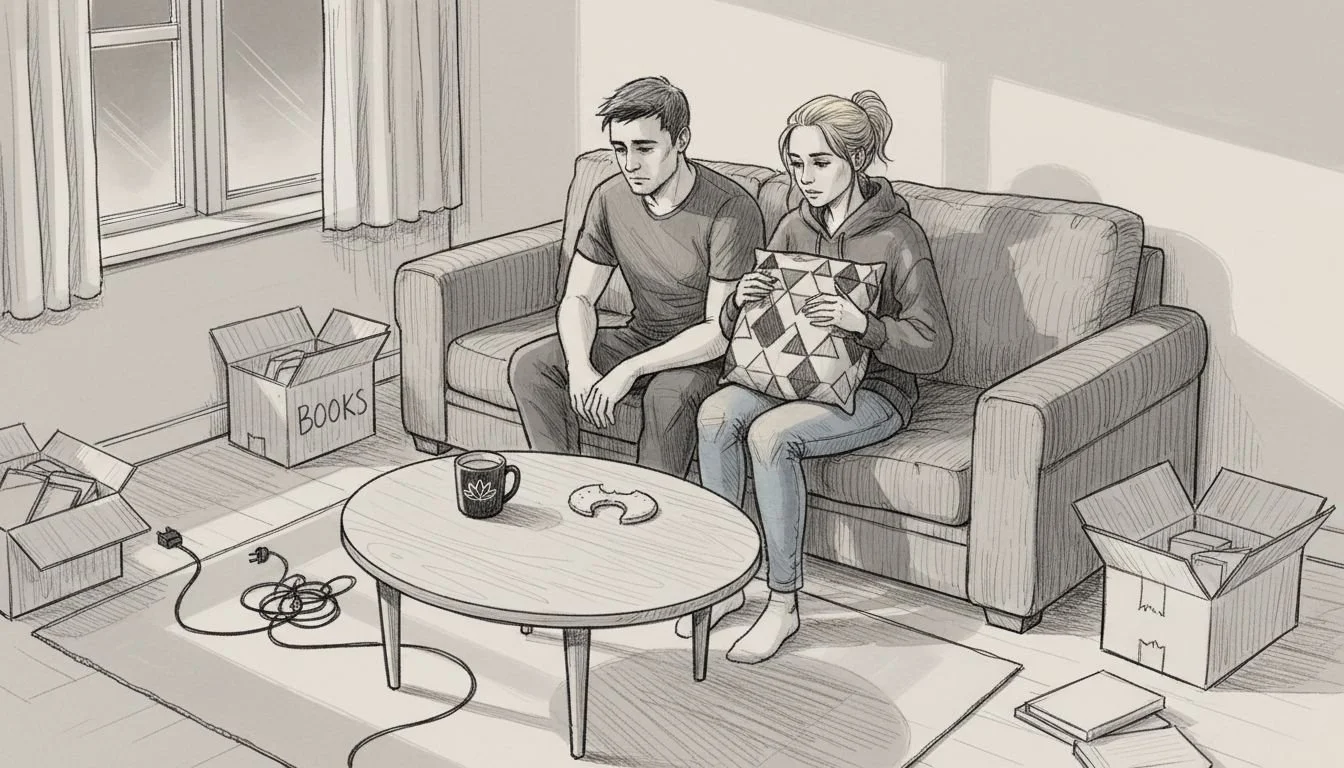
Over 40 percent of american adults admit to feeling anxious in relationships, making this struggle more common than most people realize. Relationship anxiety can turn simple moments into hours of doubt or worry, leaving people confused about their own feelings and actions. Understanding what causes these emotional ups and downs matters because it can shape everything from daily routines to long-term happiness. Discover how clearer insights and actionable steps can help break the cycle and foster more secure connections.
Table of Contents
Key Takeaways
| Points | Details |
|---|---|
| Understanding Relationship Anxiety | Relationship anxiety involves persistent worry and fear about intimate connections, often stemming from past experiences and attachment styles. Recognizing these patterns is crucial for healing. |
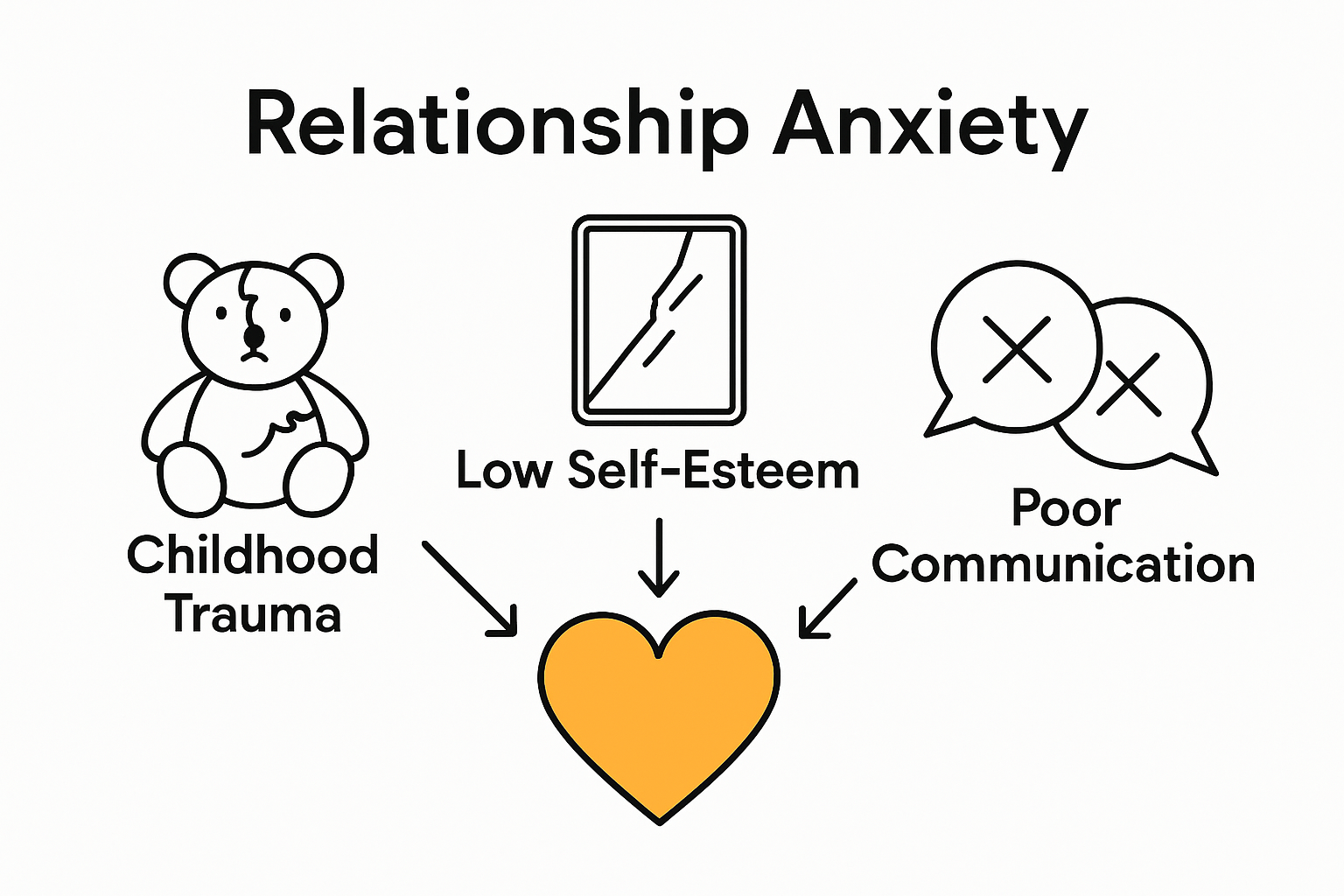
| Common Triggers | Key underlying causes include unresolved trauma, low self-esteem, and dysfunctional attachment patterns, which complicate emotional connections. |
| Impact on Relationships | Relationship anxiety can erode trust and intimacy, leading to destructive behavioral patterns that hinder emotional connections. |
| Coping Strategies | Effective interventions include developing emotional regulation, practicing self-compassion, and improving communication skills to foster healthier relationships. |
What Is Relationship Anxiety? Core Concepts
Relationship anxiety is a complex emotional experience characterized by persistent worry, fear, and uncertainty about intimate connections. At its core, this psychological pattern involves deep-seated concerns about relationship stability, personal worthiness, and potential rejection. Individuals experiencing relationship anxiety often struggle with intrusive fears of abandonment that can significantly disrupt their ability to form and maintain healthy emotional bonds.
Understanding relationship anxiety requires recognizing its multifaceted nature. People experiencing this emotional challenge may exhibit behavioral patterns like excessive reassurance-seeking, constant relationship evaluation, and heightened sensitivity to potential relationship threats. These patterns often stem from past relationship experiences, childhood attachment styles, or unresolved emotional traumas. Research indicates that individuals with relationship anxiety frequently engage in self-silencing behaviors as a protective mechanism, inadvertently creating emotional distance in their partnerships.
The manifestations of relationship anxiety can vary widely but typically include several key characteristics:
Persistent worry about partner’s feelings or commitment
Frequent need for validation and emotional reassurance
Difficulty trusting partner’s intentions
Hypersensitivity to perceived relationship changes
Overwhelming fear of potential rejection or abandonment
Recognizing these patterns is the first critical step toward healing. By understanding the underlying mechanisms of relationship anxiety, individuals can begin developing healthier emotional responses and more secure attachment styles.
Common Causes and Underlying Triggers
Relationship anxiety emerges from a complex interplay of psychological, emotional, and experiential factors. Dysfunctional attachment patterns often form the bedrock of these anxiety-driven emotional responses, rooted in early childhood experiences and past relationship dynamics. Individuals who experienced inconsistent parental bonding or emotional neglect may develop deep-seated fears of intimacy that manifest as persistent relationship anxiety.
Research highlights that behavioral patterns like excessive reassurance-seeking can significantly contribute to relationship tension. These patterns typically develop as protective mechanisms, where individuals unconsciously create emotional barriers to shield themselves from potential rejection or abandonment. Common underlying triggers include:
Unresolved childhood trauma
Previous relationship betrayals
Low self-esteem and self-worth
Attachment insecurities
Generalized anxiety disorders
Past experiences of emotional or physical abandonment
Psychological backgrounds play a crucial role in relationship anxiety development. Traumatic experiences, such as childhood abuse, parental divorce, or significant emotional losses, can create deep psychological wounds that interfere with forming healthy intimate connections. These experiences often lead to complex emotional defense mechanisms where individuals struggle to trust potential partners, constantly anticipating potential emotional harm or rejection. Understanding these root causes is essential for developing targeted healing strategies and rebuilding emotional resilience.
Recognizing Signs and Impact on Relationships
Relationship anxiety can profoundly transform interpersonal dynamics, creating subtle yet significant disruptions in emotional connections. Intimate relationships become battlegrounds of internal psychological struggles, where individuals constantly navigate between their desire for connection and overwhelming fears of potential rejection. These internal conflicts manifest through complex behavioral patterns that can gradually erode the foundation of trust and emotional intimacy.
Behavioral patterns like excessive reassurance-seeking dramatically impact relationship satisfaction, creating cycles of emotional tension and misunderstanding. Typical signs of relationship anxiety include:
Constant need for partner validation
Persistent worry about relationship stability
Overanalyzing partner’s communication and behaviors
Experiencing frequent emotional spirals of doubt
Difficulty maintaining emotional vulnerability
Sabotaging potentially meaningful connections
The psychological toll of relationship anxiety extends beyond immediate interpersonal interactions. Partners experiencing these challenges often develop complex emotional defense mechanisms that can unintentionally push away the very connections they desperately seek. Understanding relationship dynamics through open communication becomes crucial in breaking these self-defeating cycles and rebuilding authentic, secure emotional bonds. Recognizing these patterns represents the first transformative step toward healing and creating more resilient, compassionate relationships.
How EMDR Therapy Addresses Relationship Anxiety
EMDR therapy offers a transformative approach to healing relationship anxiety by targeting the deep-rooted emotional memories and neural pathways that perpetuate destructive relationship patterns. Unlike traditional talk therapy, EMDR focuses on processing and reframing traumatic experiences that underlie relationship fears, allowing individuals to develop more secure and resilient emotional connections.
Clinical research demonstrates significant reductions in anxiety symptoms through targeted EMDR interventions. The therapy’s unique methodology involves:
Identifying core traumatic memories affecting relationship dynamics
Desensitizing emotional triggers
Reprocessing negative belief systems
Developing healthier attachment strategies
Rebuilding emotional regulation
Strengthening interpersonal communication skills
The EMDR Couple Protocol specifically addresses relationship challenges by creating a collaborative healing environment where partners can simultaneously work through shared emotional wounds. By processing individual and collective traumas, couples can develop deeper understanding, rebuild trust, and create more authentic, compassionate relationship frameworks. Understanding the nuanced approach to healing becomes crucial in transforming relationship anxiety into meaningful connection and emotional resilience.
Effective Strategies for Coping and Healing
Healing relationship anxiety requires a multifaceted approach that combines psychological insights, emotional regulation, and targeted therapeutic interventions. Mindful self-awareness becomes the foundational cornerstone for transforming destructive relationship patterns, enabling individuals to recognize and interrupt anxiety-driven behaviors before they escalate.
Brief couple-based psychoeducational interventions have demonstrated significant potential in reducing harmful relationship dynamics, offering practical strategies for managing relationship anxiety. Key coping strategies include:
Developing emotional regulation techniques
Practicing radical self-compassion
Establishing clear personal boundaries
Challenging negative cognitive patterns
Building communication skills
Creating intentional relationship agreements
Expert relationship healing strategies emphasize the importance of holistic healing approaches. Individuals can effectively manage relationship anxiety by cultivating self-understanding, seeking professional support, and implementing consistent emotional growth practices. The journey toward healing involves recognizing that relationship anxiety is not a personal failure, but an opportunity for profound personal transformation and deeper emotional connection.
Overcoming Relationship Anxiety with Compassionate Support
Relationship anxiety can feel overwhelming when constant worry, fear of rejection, and the need for reassurance interfere with your connections. You may find yourself caught in cycles of doubt or difficulty trusting loved ones. This complete guide unpacks these emotional challenges and highlights how healing through targeted methods like EMDR therapy can rebuild trust, self-worth, and secure attachments.
If relationship anxiety is holding you back, Alvarado Therapy offers specialized, trauma-informed care tailored to your needs. Discover how EMDR therapy can transform your emotional patterns and learn practical strategies for managing anxiety in relationships.
Take the first step toward reclaiming emotional peace and resilient connections. Visit Alvarado Therapy’s main site to explore compassionate counseling services and begin your personalized healing journey today. With licensed therapists ready to support you online and across California, the time to heal and grow is now.
Frequently Asked Questions
What is relationship anxiety?
Relationship anxiety is a psychological pattern characterized by persistent worry, fear, and uncertainty about intimate connections, often stemming from deep-seated concerns about stability, worthiness, and potential rejection.
What are common signs of relationship anxiety?
Common signs include a constant need for validation, persistent worry about relationship stability, difficulty trusting a partner, and experiencing emotional spirals of doubt.
How can EMDR therapy help with relationship anxiety?
EMDR therapy addresses relationship anxiety by targeting deep-rooted emotional memories, helping individuals process traumatic experiences, develop healthier attachment strategies, and improve communication skills.
What effective coping strategies can help with relationship anxiety?
Effective coping strategies include developing emotional regulation techniques, practicing self-compassion, establishing personal boundaries, and building communication skills to manage anxiety-driven behaviors.
Recommended
Ready to see what’s possible?
It’s your time to heal in a transformative way.
