
7 Powerful Examples of EMDR Techniques for Trauma Healing
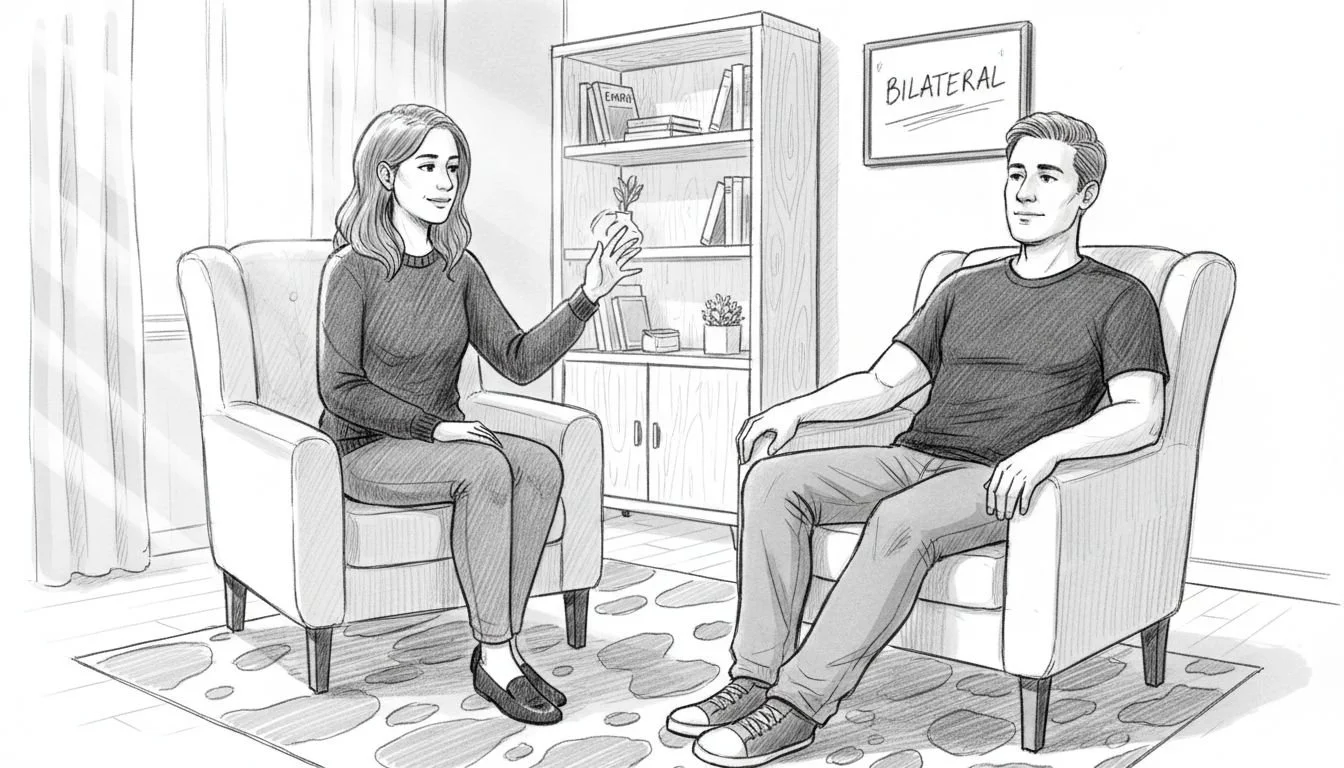
Nearly one in thirteen american adults will experience post traumatic stress at some point, highlighting how vital effective trauma treatments have become. EMDR therapy stands out because it uses unique methods like bilateral stimulation and guided visualization to promote real healing. By exploring proven techniques from eye movements to self soothing practices, this guide offers approachable ways for anyone to better understand EMDR and support their own journey toward emotional resilience.
Table of Contents
Key Takeaways
| Takeaway | Explanation |
|---|---|
| 1. Bilateral stimulation aids trauma processing | Engaging both brain hemispheres helps individuals manage emotional intensity and reprocess traumatic memories more effectively. |
| 2. Guided visualization creates emotional safety | Developing a ‘safe place’ mental imagery empowers clients to soothe themselves when facing distressing memories during therapy. |
| 3. Cognitive interweaves challenge negative beliefs | Introducing alternative perspectives during sessions helps clients transform harmful core beliefs into more adaptive self-narratives. |
| 4. Tapping and eye movements support emotional release | These bilateral stimulation techniques help process emotional trauma without the need for extensive verbal storytelling, facilitating healing. |
| 5. Positive cognitions rebuild self-worth | Installing affirmations that counter negative beliefs assists individuals in reconstructing their sense of self and empowering their recovery journey. |
1. Understanding Bilateral Stimulation in EMDR
Bilateral stimulation is the neurological heartbeat of EMDR therapy, a groundbreaking technique that helps the brain reprocess traumatic memories. At its core, bilateral stimulation involves rhythmic sensory inputs that alternate between the left and right sides of the body, creating a powerful neurological pathway for healing.
The magic of bilateral stimulation lies in its ability to engage both brain hemispheres simultaneously. By using methods like side-to-side eye movements, alternating hand taps, or auditory cues that move between ears, EMDR therapists help clients navigate traumatic memories with greater emotional safety.
How Bilateral Stimulation Works
When a person experiences trauma, memories can become “stuck” in the brain’s emotional processing centers. Bilateral stimulation acts like a neurological bridge, helping these memories move from the reactive limbic system to the more logical prefrontal cortex. This process allows individuals to remember traumatic experiences without being overwhelmed by the original emotional intensity.
Practical Applications
Typical bilateral stimulation techniques include:
Horizontal eye movements guided by a therapist
Alternating hand tapping on knees or shoulders
Auditory tones that alternate between ears through headphones
Each method serves the same fundamental purpose: helping the brain reprocess and integrate difficult memories in a controlled, supportive environment. The rhythmic nature of these techniques helps reduce the emotional charge of traumatic memories, allowing for profound healing and emotional regulation.
Research demonstrates that bilateral stimulation can significantly reduce symptoms of post traumatic stress, anxiety, and emotional distress. By engaging both brain hemispheres, clients can develop more adaptive responses to past traumatic experiences and move toward psychological resilience.
2. Guided Visualization for Safe Place Creation
Guided visualization in EMDR therapy is a powerful technique that helps individuals create a mental sanctuary of safety and calm during trauma processing. This method allows clients to develop a personal psychological refuge where they can retreat and find emotional stability when confronting challenging memories.
The safe place technique serves as a critical emotional regulation tool in EMDR therapy, providing clients with a psychological anchor during intense therapeutic work. By constructing a vivid mental environment of complete security, individuals learn to self soothe and manage overwhelming emotional responses.
Building Your Mental Sanctuary
Creating a safe place involves carefully constructing a detailed mental landscape that represents absolute peace and protection. This environment could be an actual location you know or an entirely imagined space that embodies complete tranquility. The key is developing a setting that triggers feelings of profound safety and comfort.
Key Components of an Effective Safe Place
A location that feels inherently peaceful
Sensory details that evoke calm (soft colors, gentle sounds, comfortable temperature)
Personal meaning and emotional significance
Accessibility during moments of stress
The visualization process typically involves closing your eyes and systematically building the mental environment. Therapists guide clients to engage all senses: What do you see? What sounds are present? What textures can you feel? What subtle scents exist in this space?
Through repeated practice, individuals can quickly access this mental sanctuary, transforming it into a powerful self regulation tool. This technique not only supports trauma processing but also empowers clients to manage anxiety and emotional distress independently.
3. Targeting Negative Beliefs through Cognitive Interweaves
Cognitive interweaves represent a strategic intervention in EMDR therapy that helps individuals challenge and transform deeply rooted negative beliefs about themselves, others, and the world. This powerful technique allows therapists to introduce alternative perspectives that can dramatically shift harmful thought patterns associated with traumatic experiences.
At the core of cognitive interweaves is the recognition that trauma often generates destructive core beliefs such as “I am powerless,” “The world is unsafe,” or “I am fundamentally unlovable.” Understanding these mental patterns becomes crucial for healing and psychological transformation.
How Cognitive Interweaves Work
During EMDR sessions, therapists carefully introduce new information or perspectives that challenge a client’s negative self narrative. These strategic interventions help reframe traumatic memories by presenting alternative interpretations that are more balanced, realistic, and empowering.
Key Strategies in Cognitive Interweaves
Identifying specific negative beliefs linked to traumatic memories
Introducing evidence that contradicts these beliefs
Helping clients develop more adaptive, compassionate self narratives
Encouraging critical examination of long held assumptions
The goal is not to invalidate a client’s experience but to provide a broader, more nuanced understanding. By gently challenging distorted beliefs, individuals can develop greater psychological resilience and a more compassionate relationship with themselves.
Cognitive interweaves transform trauma from a defining experience into a part of one’s story that can be understood, processed, and ultimately integrated with wisdom and self compassion.
4. Using Tapping and Eye Movements for Emotional Release
Tapping and eye movements represent powerful bilateral stimulation techniques that help individuals process and release deeply stored emotional trauma. These methods engage both brain hemispheres simultaneously, creating a neurological pathway for healing and emotional integration.
The science behind these techniques is fascinating. By understanding how EMDR therapy works, clients can transform traumatic memories from overwhelming emotional experiences into processed, manageable information.
Tapping Technique
In tapping interventions, therapists guide clients to alternate gentle hand taps on their shoulders, knees, or hands. This rhythmic bilateral stimulation helps activate both brain hemispheres, allowing emotional processing without verbal storytelling.
Eye Movement Method
Guided eye movements involve following a therapist’s finger or light as it moves horizontally across the visual field. This technique helps the brain reprocess traumatic memories by engaging different neural networks and reducing emotional charge.
Benefits of Bilateral Stimulation
Reduces emotional intensity of traumatic memories
Supports nervous system regulation
Helps integrate fragmented emotional experiences
Promotes natural healing mechanisms
Minimizes verbal processing requirements
These techniques work by helping the brain move traumatic memories from emotional storage into more adaptive, integrated neural networks. The result is often a significant reduction in emotional distress and increased psychological resilience.
5. The Butterfly Hug for Self-Soothing and Grounding
The Butterfly Hug is a simple yet profound self soothing technique that allows individuals to calm their nervous system and ground themselves during moments of emotional distress. This powerful method provides immediate bilateral stimulation, helping people regulate their emotional responses without needing external support.
Understanding self care techniques becomes crucial when managing trauma responses, and the Butterfly Hug offers an accessible tool for emotional regulation.
How to Perform the Butterfly Hug
To practice this technique, cross your arms over your chest with hands resting on opposite shoulders. Then begin gently tapping alternately left and right in a rhythmic pattern. This creates a soothing bilateral stimulation that helps calm the nervous system and process challenging emotions.
Benefits of the Butterfly Hug
Provides immediate grounding during anxiety
Activates both brain hemispheres
Reduces emotional intensity
Can be performed anywhere discreetly
Requires no special equipment
The beauty of the Butterfly Hug lies in its simplicity. By creating a gentle, rhythmic tapping motion, you signal safety to your nervous system, interrupting potential fight or flight responses and promoting a sense of internal calm and stability.
6. Body Scan Techniques to Release Stored Tension
Trauma often manifests physically before we consciously recognize emotional distress. Body scan techniques in EMDR therapy offer a powerful method for identifying and releasing tension stored deep within our physical experience, creating a pathway to holistic healing.
Understanding somatic responses to stress helps individuals recognize how emotional experiences become trapped in muscular memory.
The Science of Stored Tension
When we experience trauma, our bodies create protective mechanisms that can leave lasting physical imprints. These stored tensions act like emotional anchors, keeping traumatic memories locked in our muscular and nervous systems. Body scan techniques help interrupt these holding patterns by bringing conscious awareness to unconscious physical responses.
Steps for Effective Body Scanning
Begin in a comfortable seated or lying position
Close your eyes and take several deep breaths
Systematically focus attention on each body part
Notice sensations without judgment
Breathe into areas of tension
Visualize tension dissolving with each exhale
The goal is not to eliminate tension but to create a compassionate dialogue between your mind and body. By gently acknowledging physical sensations, you invite healing and release, transforming stored trauma into an opportunity for growth and resilience.
7. Installing Positive Cognitions After Trauma Processing
Trauma can shatter our fundamental beliefs about safety, worth, and personal power. Installing positive cognitions is a transformative EMDR technique that helps rebuild these core beliefs, replacing destructive internal narratives with empowering, healing perspectives.
Understanding trauma recovery strategies reveals how intentional cognitive restructuring can fundamentally change our relationship with past experiences.
The Cognitive Reconstruction Process
After processing traumatic memories, therapists guide clients in developing positive self statements that directly counter previous negative beliefs. For instance, replacing “I am helpless” with “I am strong and capable” creates neurological pathways of resilience and self empowerment.
Crafting Effective Positive Cognitions
Use present tense statements
Create personally meaningful affirmations
Focus on realistic, achievable beliefs
Align statements with genuine emotional experience
Repeat with bilateral stimulation to reinforce neural pathways
The goal is not to create unrealistic fantasies but to develop genuine, grounded beliefs that support healing. By systematically installing these positive cognitions, individuals can reconstruct their sense of self and restore internal strength after traumatic experiences.
Below is a comprehensive table summarizing the main techniques and strategies in EMDR therapy discussed throughout the article.
| Technique/Strategy | Description | Benefits/Key Points |
|---|---|---|
| Bilateral Stimulation | Involves sensory inputs that engage both brain hemispheres simultaneously. | Helps reprocess traumatic memories; reduces emotional intensity. | Guided Visualization | Creating a mental sanctuary of safety and calm during therapy. | Provides psychological refuge; supports emotional regulation. |
| Cognitive Interweaves | Strategic intervention to challenge negative beliefs. | Transforms core beliefs; promotes a balanced self narrative. |
| Tapping & Eye Movements | Techniques utilizing rhythmic tapping or guided eye movements. | Alleviates emotional distress; facilitates emotional integration. |
| Butterfly Hug | Self-soothing technique using bilateral stimulation. | Immediate grounding; calms the nervous system. |
| Body Scan Techniques | Focuses on releasing stored physical tension. | Enhances mind-body connection; aids holistic healing. |
| Installing Positive Cognitions | Rebuilding empowering beliefs post-trauma. | Strengthens self empowerment; fosters resilience. |
Discover Transformative EMDR Therapy with Alvarado Therapy
Dealing with trauma is challenging and sometimes painful beliefs like feeling powerless or unsafe can hold you back from healing. The powerful EMDR techniques featured in this article such as bilateral stimulation, cognitive interweaves, and safe place visualizations are designed to help release stored tension and rebuild positive self-beliefs. If you are seeking compassionate, trauma-sensitive support in California, our licensed therapists specialize in these methods and more to guide you toward emotional clarity and resilience.
Explore personalized EMDR therapy options with our skilled team members based in California. Whether you prefer in-person sessions or virtual care, find a therapist who understands your unique journey. Take the next step now at Alvarado Therapy and start transforming trauma into healing today.
Frequently Asked Questions
What is bilateral stimulation in EMDR therapy?
Bilateral stimulation is a core technique in EMDR therapy that involves rhythmic sensory inputs alternating between the left and right sides of the body. This method helps the brain reprocess traumatic memories, allowing individuals to confront and integrate their experiences more effectively.
How can I create a safe place using guided visualization?
To create a safe place, start by visualizing a serene environment that evokes feelings of safety and comfort. Engage your senses by considering what you see, hear, and feel in this mental sanctuary, ensuring it is easily accessible when you face emotional distress.
What role do cognitive interweaves play in trauma healing with EMDR?
Cognitive interweaves involve the introduction of alternative perspectives to challenge negative beliefs resulting from trauma. By identifying and reframing harmful thought patterns, individuals can cultivate a more compassionate view of themselves and their experiences.
How do tapping and eye movements enhance emotional release in EMDR?
Tapping and eye movements are powerful techniques that engage both brain hemispheres, facilitating the processing of emotional trauma. These methods can significantly lessen the emotional intensity of traumatic memories, promoting healing and emotional regulation throughout the therapy process.
Can I perform the Butterfly Hug on my own for self-soothing?
Yes, the Butterfly Hug is a self-soothing technique that you can practice independently. By crossing your arms over your chest and gently tapping alternately from side to side, you can quickly calm your nervous system during moments of anxiety or distress.
What are the steps for effective body scanning in EMDR therapy?
To effectively perform a body scan, start in a comfortable position and close your eyes. Focus on each body part sequentially, noticing any sensations and breathing into areas of tension to promote release and healing while increasing awareness of how trauma manifests physically.
Recommended
Why Choose EMDR Therapy: The Essential Guide — Alvarado Therapy
Step by Step EMDR Therapy Guide for Trauma Recovery — Alvarado Therapy
EMDR Therapy: A Path to Healing and Growth — Alvarado Therapy
7 Key Examples of Trauma Symptoms Adults Should Know
— Alvarado TherapyEmotional Healing Workflow After Narcissism: Step-by-Step Guide
Ready to see what’s possible?
It’s your time to heal in a transformative way.
