
How to Access Online Therapy California for Trauma Healing

More than 40 million american adults experience trauma-related symptoms each year according to national surveys. Understanding how to find the right support is crucial because not all therapy options are a perfect fit for every individual. Whether you are navigating complex emotions, searching for culturally sensitive care, or trying to overcome anxiety, this guide presents clear steps to help you choose online trauma therapy that matches your personal needs and background.
Table of Contents
Quick Summary
| Key Point | Explanation |
|---|---|
| 1. Assess Your Therapy Needs | Reflect on your trauma experiences and identify specific emotional challenges to address in therapy. |
| 2. Find Licensed Trauma-Informed Therapists | Research therapists specializing in trauma who are licensed for online therapy in California. |
| 3. Verify Therapist Qualifications | Check therapists' credentials and cultural responsiveness to ensure they meet your personal and healing needs. |
| 4. Secure Online Consultation | Use a HIPAA-compliant platform for privacy and prepare personal information for your initial meeting. |
| 5. Prepare for Your Session | Create a comfortable environment, practice self-care, and write down discussion topics for your virtual therapy session. |
Quick Summary
Key PointExplanation1. Assess Your Therapy NeedsReflect on your trauma experiences and identify specific emotional challenges to address in therapy.2. Find Licensed Trauma-Informed TherapistsResearch therapists specializing in trauma who are licensed for online therapy in California.3. Verify Therapist QualificationsCheck therapists' credentials and cultural responsiveness to ensure they meet your personal and healing needs.4. Secure Online ConsultationUse a HIPAA-compliant platform for privacy and prepare personal information for your initial meeting.5. Prepare for Your SessionCreate a comfortable environment, practice self-care, and write down discussion topics for your virtual therapy session.
Step 1: Assess Your Therapy Needs and Preferences
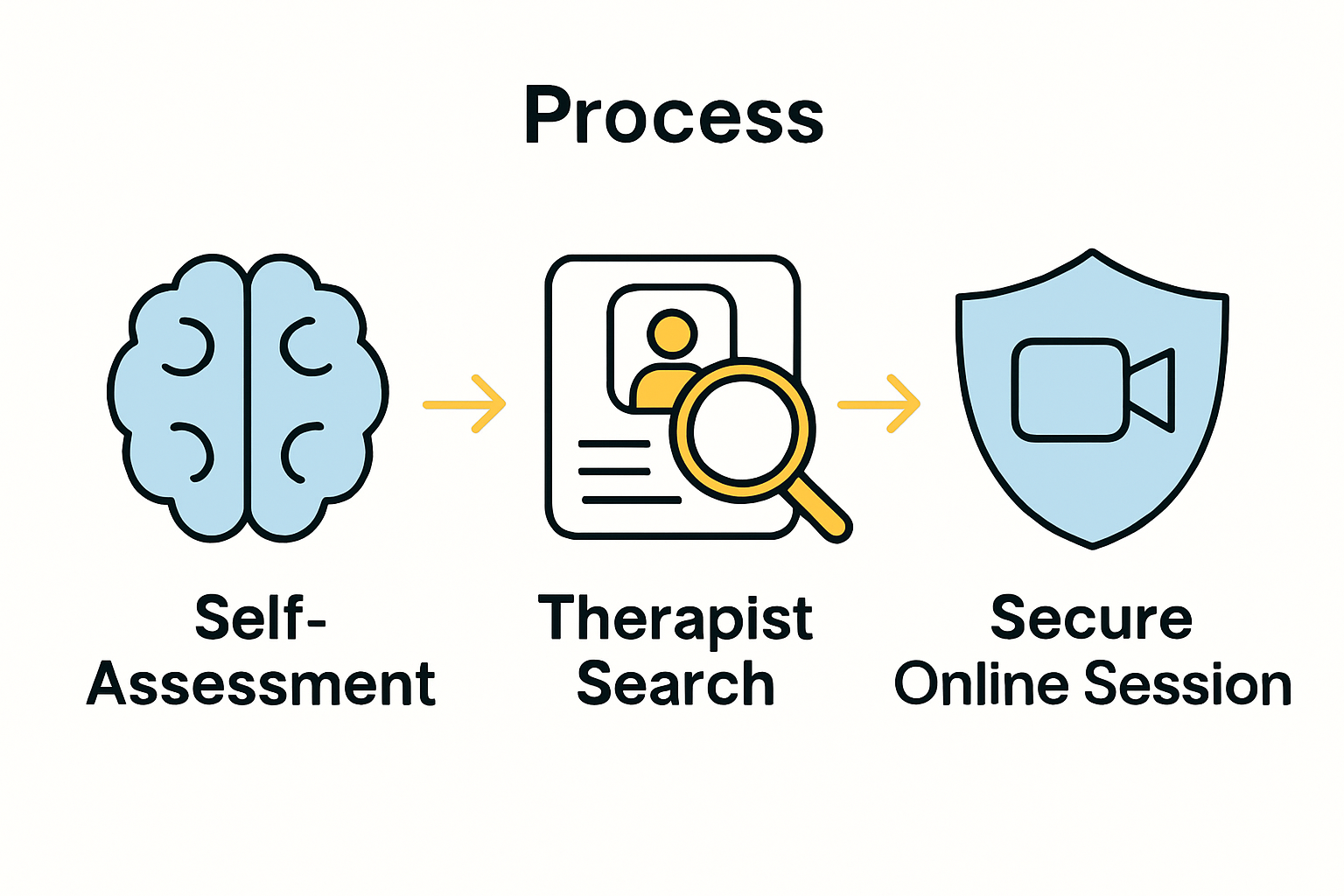
Determining the right online therapy approach begins with honest self reflection about your mental health goals and personal preferences. This critical first step helps you align with a therapist who can effectively support your unique trauma healing journey.
Start by conducting a personal inventory of your emotional landscape. Ask yourself targeted questions about your trauma experiences: What specific challenges are you struggling with? Are you dealing with childhood trauma, PTSD, relationship difficulties, or anxiety? Consider the emotional symptoms impacting your daily life such as hypervigilance, intrusive memories, relationship patterns, or emotional dysregulation. Write down these observations to create a clear picture of what you want to address in therapy.
While self assessment is important, remember that professional guidance matters most. Role of Therapy in Healing: Complete Guide can provide additional insights into understanding your therapeutic needs. When selecting an online therapist, prioritize professionals who specialize in trauma informed care and demonstrate cultural sensitivity. Look for licensed clinicians experienced in evidence based treatments like EMDR therapy that can provide targeted support for complex trauma recovery. Your healing path is unique and finding the right therapeutic match can make all the difference in your recovery process.
Step 2: Identify Licensed Trauma-Informed Providers in California
Finding the right licensed trauma-informed therapist requires strategic research and careful evaluation. Your goal in this step is to connect with professional clinicians who specialize in trauma recovery and understand the nuanced healing needs of California residents.
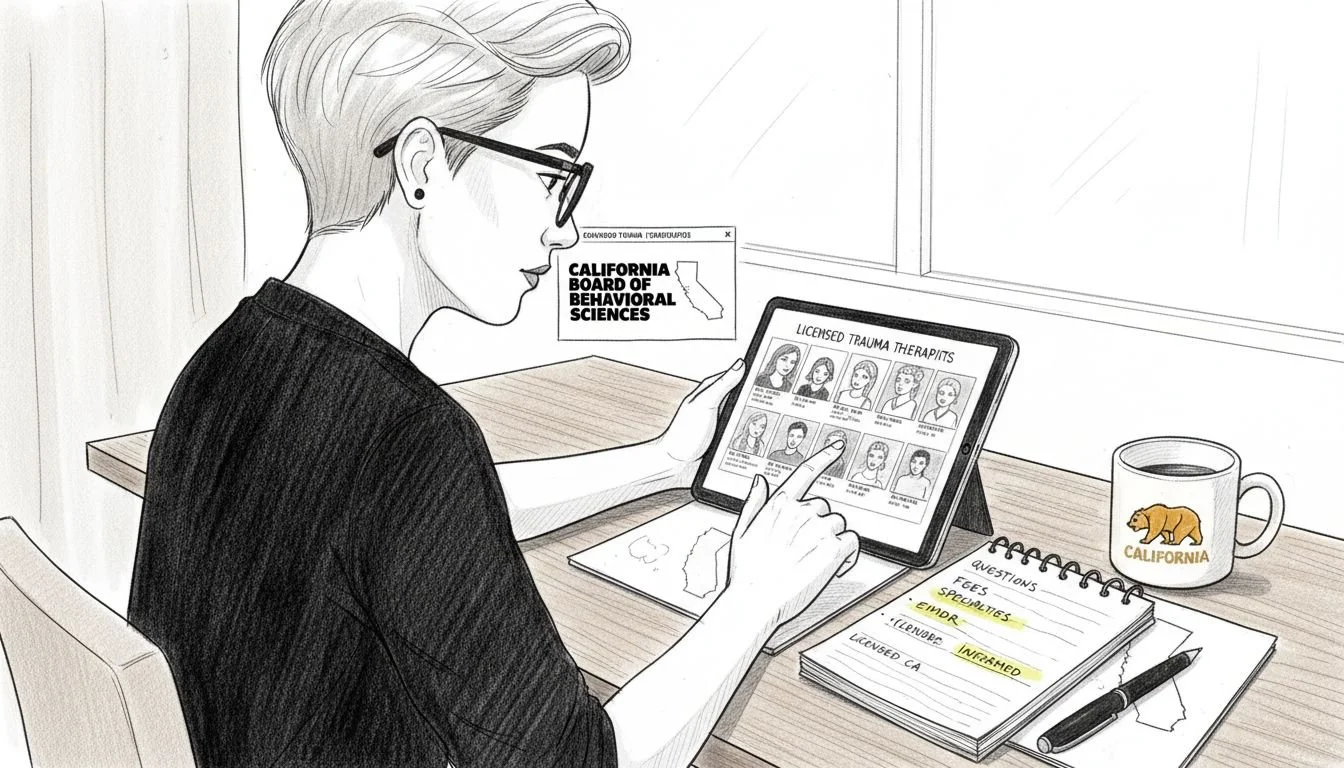
Start your search by checking professional licensing boards in California such as the California Board of Behavioral Sciences. Verify each potential therapist's credentials and ensure they hold active licenses for online therapy practice. Online Therapy for California Residents can provide additional guidance on navigating telehealth options. Look for clinicians who specifically list trauma treatment expertise like EMDR therapy, childhood trauma recovery, or PTSD specializations.
Consider additional qualifications such as bilingual capabilities, cultural competence, and experience working with diverse populations like LGBTQ+ communities or immigrant populations.
Prioritize therapists who demonstrate a trauma informed approach. This means seeking professionals who understand how trauma impacts emotional regulation, recognize the importance of safety and trust in therapeutic relationships, and offer personalized treatment strategies. Recommendations from trusted healthcare providers, mental health organizations, or support groups can also help you identify reputable trauma specialists who can support your healing journey effectively.
Step 3: Verify Provider Qualifications and Cultural Responsiveness
Navigating the complex landscape of trauma therapy requires a careful and informed approach to selecting a qualified provider. This step focuses on ensuring you find a therapist who not only meets professional standards but also understands your unique cultural and personal healing needs.
CAMFT recommends thoroughly investigating a therapist's professional credentials and continuing education background. Start by cross checking their license status with the California Board of Behavioral Sciences and reviewing their specialized training in trauma treatment modalities. Look beyond basic credentials by examining their specific expertise in areas like EMDR therapy, complex trauma recovery, or culturally responsive care. MiResource suggests using detailed provider directories that allow you to filter therapists based on cultural competence, therapeutic approach, and specialized training.
Carefully evaluate potential therapists' commitment to cultural responsiveness. This means finding a professional who demonstrates genuine understanding of your cultural background, identity, and lived experiences. Pay attention to their language capabilities, understanding of intersectionality, and ability to create a safe therapeutic environment that respects your unique cultural context. Don't hesitate to ask direct questions during initial consultations about their experience working with clients from similar backgrounds and their approach to culturally informed trauma healing.
Step 4: Book an Online Therapy Consultation Securely
Securing a safe and confidential online therapy consultation requires careful planning and attention to digital privacy. Your goal is to schedule an initial consultation that protects your personal information while setting the foundation for your trauma healing journey.
Online EMDR Therapy in CA & NY recommends selecting a therapy platform that offers HIPAA compliant video conferencing and secure communication channels. When booking your consultation, prioritize practices that use encrypted communication systems to protect your personal and medical information. Verify the therapist offers a secure online portal for scheduling, documentation, and communication. Look for platforms that provide multi factor authentication, end to end encryption, and clear privacy policies that meet California healthcare privacy standards.
Prepare for your initial consultation by gathering relevant medical history, insurance information, and a list of specific concerns you want to address.
Create a private quiet space for your virtual meeting where you feel comfortable and can speak openly without interruptions. Check your internet connection and test your audio and video equipment beforehand to ensure a smooth consultation experience. During the initial meeting, ask questions about the therapist's approach to trauma treatment, their experience with your specific challenges, and how they maintain client confidentiality in online therapy settings.
Step 5: Prepare for Your Virtual Therapy Session
Preparing for your virtual therapy session involves more than just logging into a video call. This crucial step sets the stage for a meaningful and productive therapeutic experience that supports your trauma healing journey.
Step by Step EMDR Therapy Guide for Trauma Recovery recommends creating a safe and comfortable environment that allows you to feel emotionally secure during your session. Choose a private space where you can speak openly without interruptions. This might mean using noise canceling headphones, finding a quiet room, or setting clear boundaries with family members or roommates about your need for uninterrupted time.
Emotional preparation is just as important as physical setup. Before your session, take time for gentle self care activities like deep breathing, light stretching, or journaling to help ground yourself. Prepare a list of topics you want to discuss and questions you have for your therapist. Consider having a journal nearby to take notes and a glass of water to stay hydrated. Most importantly, approach the session with compassion for yourself. Remember that seeking help is a courageous step toward healing and your therapist is there to support you through your recovery process.
Find Compassionate Online Therapy for Trauma Healing in California
If you are navigating the challenging journey of trauma recovery and seeking specialized support, connecting with a trauma-informed therapist who understands your unique needs is crucial. This article highlights key steps like assessing your therapy preferences and verifying provider qualifications that ensure you find safe and effective online therapy tailored to your healing goals. At Alvarado Therapy, we specialize in EMDR therapy and culturally responsive trauma care designed to help you overcome childhood trauma, PTSD, and complex emotional struggles.
Explore our experienced licensed therapists offering confidential online sessions across California through our Online in California — Meet Our Team page. Take the next step toward reclaiming safety and emotional clarity by visiting Alvarado Therapy to learn more about our trauma-sensitive services and book your secure consultation today. Your healing journey starts now and we are here to support every step.
Frequently Asked Questions
How do I determine my therapy needs before starting online therapy for trauma healing?
Start by reflecting on your emotional landscape and identifying specific trauma experiences you want to address, such as PTSD or childhood trauma. Write down your challenges and symptoms to prepare for your therapy journey.
How can I find licensed trauma-informed therapists in California for online therapy?
You can find trauma-informed therapists by checking with professional licensing boards and utilizing online therapist directories that filter for specialties like trauma treatment. Look for clinicians who emphasize culturally responsive care and have experience with diverse populations.
What should I check when verifying a therapist's qualifications for online trauma therapy?
You should verify their license status, specialized training in trauma modalities like EMDR therapy, and their commitment to ongoing education. Ensure they understand cultural factors that may affect your healing process and can create a safe environment for therapy.
How do I book a secure online therapy consultation?
To book a secure online consultation, select a platform that uses HIPAA-compliant video conferencing and encrypted communication. Prepare your medical history and concerns, and choose a private space for your consultation to boost your comfort and confidentiality.
What preparations should I make before my virtual therapy session?
Prepare a comfortable and private space for your session, free from distractions. Gather any necessary materials such as water, a journal for notes, and list topics to discuss, so you can engage meaningfully with your therapist during your session.
How can I ensure confidentiality during my online therapy sessions?
Use online therapy platforms that emphasize privacy features like encrypted communication and secure login processes. Familiarize yourself with their privacy policies and ensure you have a confidential space for your sessions to maintain your personal privacy.
Recommended
Ready to see what’s possible?
It’s your time to heal in a transformative way.
