
Role of Counseling in PTSD Recovery: Lasting Benefits
Over eight million American adults experience Post-Traumatic Stress Disorder each year, yet misunderstandings about the condition remain widespread. Many still assume PTSD affects only military veterans or that recovery is just a matter of willpower, when the truth is far more complex. Understanding the real impact of trauma and the evidence-based options for healing empowers individuals and families to recognize symptoms, challenge old myths, and make informed decisions about support.
Table of Contents
Key Takeaways
| Point | Details |
|---|---|
| Understanding PTSD | PTSD is a legitimate mental health condition that affects anyone exposed to trauma, not just military veterans. It includes symptoms like intrusive memories and severe anxiety. |
| Importance of Counseling | Professional counseling is crucial for PTSD recovery, employing evidence-based methods to help survivors process trauma and develop coping strategies. |
| Choosing the Right Therapy | Selecting a therapy approach should be based on individual needs; options like EMDR or trauma-focused therapy may suit different recovery journeys. |
| Overcoming Barriers | Financial constraints and stigma often hinder access to trauma-informed care. Exploring telehealth and community resources can help improve access. |
Defining PTSD and Common Misconceptions
Post-Traumatic Stress Disorder (PTSD) is a complex mental health condition that emerges after experiencing or witnessing a traumatic event. Unlike popular misconceptions, PTSD is not a sign of weakness or a character flaw, but a legitimate neurological and psychological response to overwhelming stress. The trauma model of mental disorders emphasizes that traumatic experiences are far more significant in mental health than traditionally understood, challenging outdated perceptions about trauma responses.
PTSD manifests through a range of symptoms that can significantly disrupt an individual's daily functioning. These typically include intrusive memories, nightmares, severe anxiety, uncontrollable thoughts about the traumatic event, and emotional numbness. Many people mistakenly believe that PTSD only affects military veterans, but it can impact anyone who has experienced severe trauma, including survivors of sexual assault, childhood abuse, natural disasters, or life-threatening accidents. Research exploring trauma-related diagnoses reveals the heterogeneous nature of the disorder, highlighting that trauma responses are deeply personal and cannot be uniformly categorized.
Contrary to popular belief, PTSD is not a condition that individuals can simply "get over" through willpower or by ignoring their experiences. The disorder involves complex neurological changes, including alterations in brain chemistry and stress response systems. Professional therapeutic interventions, such as EMDR therapy, cognitive behavioral therapy, and specialized counseling techniques, are often crucial in helping individuals process traumatic memories and develop healthy coping mechanisms.
Pro Tip for Trauma Survivors: Recognize that seeking help is a sign of strength, not weakness. Your experiences are valid, and professional support can provide transformative healing strategies tailored to your unique journey.
How Counseling Supports PTSD Recovery
Counseling plays a transformative role in supporting individuals recovering from Post-Traumatic Stress Disorder (PTSD), offering a structured and compassionate approach to healing. Psychological mechanisms underlying trauma recovery reveal that professional counseling provides a critical pathway for survivors to process traumatic experiences, rebuild emotional resilience, and develop effective coping strategies.
Professional counseling interventions employ multiple evidence-based techniques tailored to individual needs. Cognitive Behavioral Therapy (CBT), Eye Movement Desensitization and Reprocessing (EMDR), and trauma-focused therapies help survivors reframe traumatic memories, reduce symptoms, and regain emotional control. Empirically supported therapeutic techniques demonstrate that specialized counseling can significantly mitigate PTSD symptoms, including hypervigilance, flashbacks, emotional numbness, and interpersonal challenges.
Critically, counseling provides a safe, non-judgmental environment where survivors can explore their experiences without fear of re-traumatization. Therapists trained in trauma-informed care help individuals understand their reactions, develop healthy emotional regulation skills, and gradually rebuild a sense of safety and trust. This process involves carefully structured interventions that respect each survivor's unique healing journey, acknowledging that recovery is not linear but a personalized path of resilience and growth.
Pro Tip for PTSD Recovery: Trust the therapeutic process and be patient with yourself. Healing is not about erasing traumatic memories, but learning to integrate them in a way that empowers your continued personal growth.
Key Counseling Approaches for PTSD
Post-Traumatic Stress Disorder (PTSD) recovery requires specialized therapeutic approaches that address the complex psychological impacts of trauma. Trauma-focused cognitive behavioral therapy represents a critical intervention designed to help individuals process traumatic memories and develop adaptive coping mechanisms. This evidence-based approach combines cognitive restructuring techniques with behavioral strategies to help patients understand and transform their traumatic experiences.
Cognitive Processing Therapy (CPT) offers another powerful therapeutic framework for PTSD recovery. Cognitive processing techniques systematically help individuals identify and challenge maladaptive beliefs stemming from traumatic experiences. By addressing distorted thought patterns related to safety, trust, power, esteem, and intimacy, CPT enables survivors to reconstruct their understanding of the traumatic event and its impact on their lives.
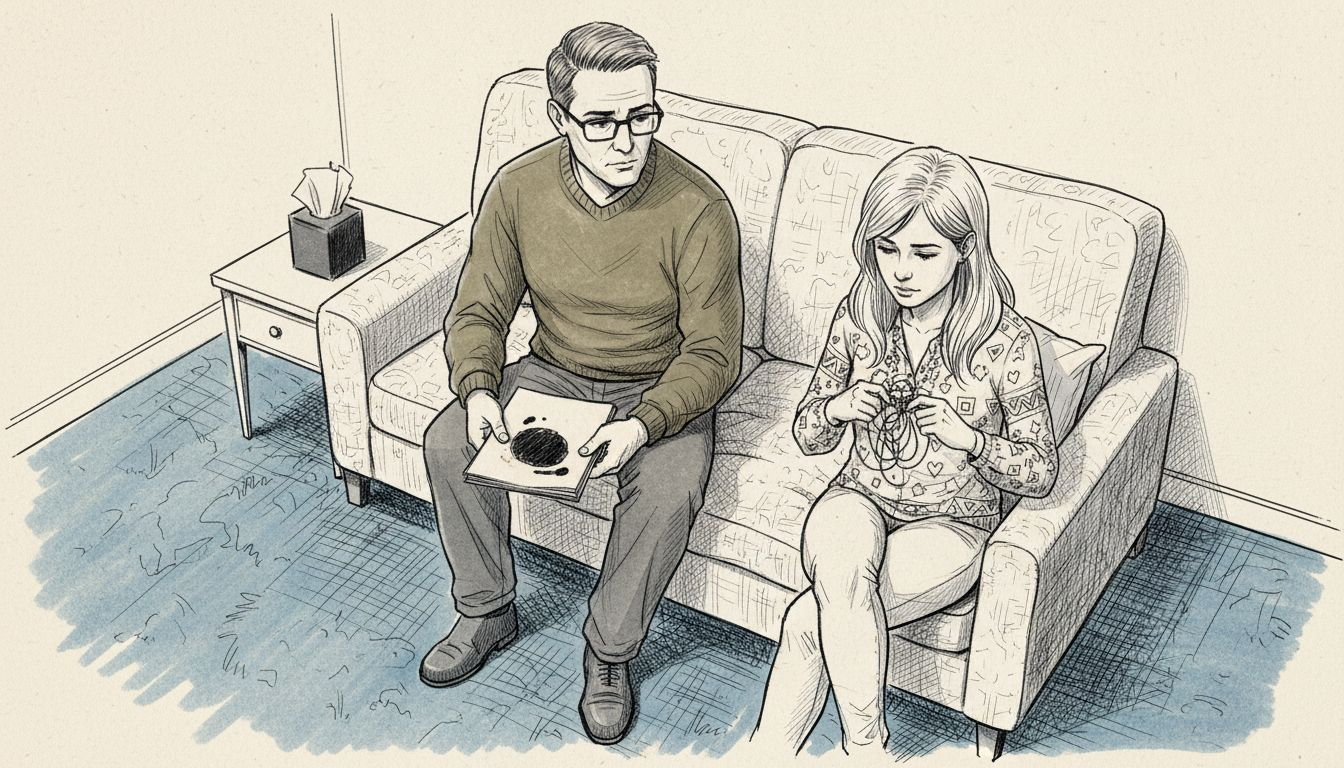
motionally Focused Therapy (EFT) and Eye Movement Desensitization and Reprocessing (EMDR) provide additional complementary approaches to PTSD treatment. These methods focus on emotional regulation, neurological reprocessing of traumatic memories, and helping individuals develop healthier emotional responses. Each approach recognizes that trauma recovery is not about eliminating memories, but transforming how those memories are experienced and integrated into one's personal narrative.
Pro Tip for Trauma Recovery: Choose a therapist specializing in trauma who offers a personalized approach. Your healing journey is unique, and finding the right therapeutic fit can make a significant difference in your recovery process.
Comparing EMDR, Talk Therapy, and Alternatives
Post-Traumatic Stress Disorder (PTSD) treatment is not a one-size-fits-all approach, with multiple therapeutic modalities offering unique pathways to healing. Comparative studies on therapeutic interventions reveal significant variations in how different counseling approaches address trauma symptoms, highlighting the importance of personalized treatment strategies.
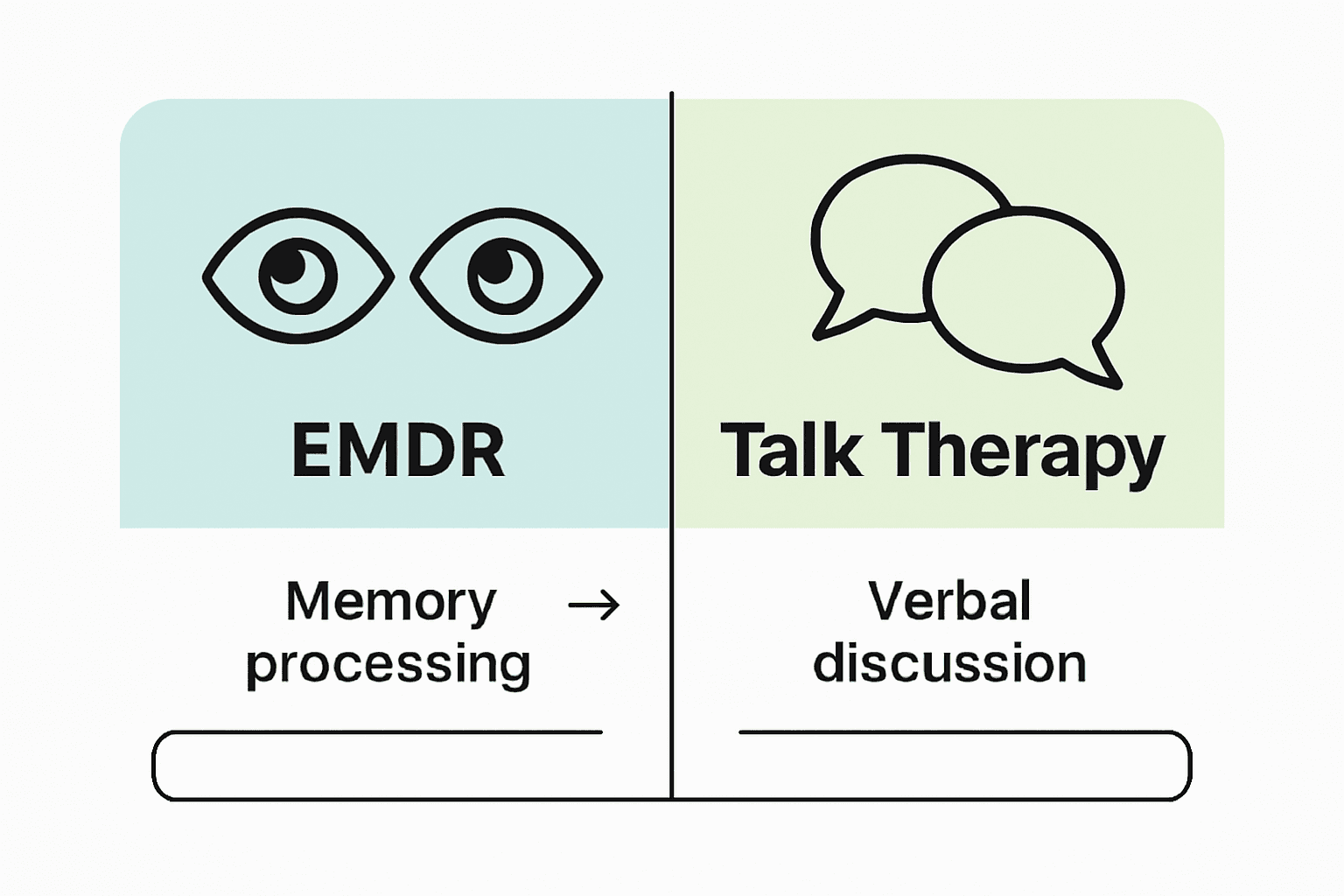
EMDR (Eye Movement Desensitization and Reprocessing) stands out as a specialized approach that directly targets traumatic memory processing. Unlike traditional talk therapy, EMDR uses bilateral stimulation to help the brain reprocess traumatic memories, reducing their emotional intensity. Traditional talk therapy, in contrast, relies on verbal exploration and cognitive restructuring to help individuals understand and contextualize their traumatic experiences. This method allows for deeper emotional processing but may take longer to achieve significant symptom reduction.
Experience-focused counseling offers an alternative perspective by emphasizing personal meaning-making rather than treating trauma as a pathological condition. This approach differs from both EMDR and traditional talk therapy by focusing on understanding an individual's unique experience without labeling or medicinalizing their emotional responses. Alternative approaches like somatic experiencing and narrative therapy also provide additional frameworks for trauma recovery, each addressing psychological healing from different perspectives.
Here's a concise comparison of leading therapeutic approaches for PTSD:
| Approach | Core Method | Ideal For | Main Benefit |
|---|---|---|---|
| EMDR | Eye movements and memory recall | Those struggling with traumatic memories | Rapid symptom relief |
| Talk Therapy | Verbal discussion and cognitive processing | Individuals seeking understanding of trauma | Depth of emotional insight |
| Experience-Focused | Meaning-making through life narrative | Survivors reluctant to pathologize trauma | Empowerment and self-acceptance |
| Somatic Experiencing | Body sensations and physical awareness | Those with stress stored in the body | Relief from physical tension |
Pro Tip for Therapy Selection: Consider your personal comfort, specific trauma history, and therapeutic goals when choosing a treatment approach. Consulting with a trauma-informed therapist can help you identify the most suitable intervention for your unique healing journey.
Barriers to Accessing Trauma-Informed Counseling
Accessing trauma-informed counseling remains a complex challenge for many individuals struggling with PTSD, with multiple systemic and personal barriers preventing effective treatment. Research on cognitive processing therapy outcomes highlights that social support plays a critical role in treatment effectiveness, revealing how personal and structural obstacles can significantly impact recovery opportunities.
Financial constraints represent a primary barrier to trauma-informed counseling. Many insurance plans provide limited mental health coverage, and specialized trauma therapies can be prohibitively expensive for individuals without comprehensive health benefits. Additionally, geographic limitations and a shortage of trauma-specialized therapists create significant access challenges, particularly in rural or underserved communities. Some individuals also face cultural and linguistic barriers, with limited access to culturally competent and bilingual mental health professionals who understand their unique experiences.
Psychological barriers often prove equally challenging. Stigma surrounding mental health treatment, particularly within certain cultural communities, can prevent individuals from seeking necessary care. Many trauma survivors experience intense fear, shame, or mistrust that makes initiating therapeutic relationships difficult. Complex emotional responses like hypervigilance, anxiety about vulnerability, and past negative healthcare experiences can create additional psychological obstacles that discourage individuals from pursuing trauma-informed counseling.
To better understand obstacles to trauma-informed care, see this summary:
| Barrier Type | Key Challenge | Potential Solution |
|---|---|---|
| Financial | High out-of-pocket costs | Sliding scale or nonprofit options |
| Geographic | Limited local therapists | Accessing telehealth services |
| Cultural | Lack of cultural understanding | Seeking culturally competent providers |
| Psychological | Fear or stigma about therapy | Community support and psychoeducation |
Pro Tip for Overcoming Access Barriers: Research sliding scale therapy options, seek community mental health centers, and explore telehealth platforms that offer more affordable and flexible trauma-informed counseling services. Your healing journey matters, and multiple pathways to support exist.
Discover Lasting Healing Through Specialized PTSD Counseling
Recovering from PTSD can feel overwhelming as trauma reshapes your emotional world and daily life. If you struggle with persistent symptoms like intrusive memories or anxiety, it’s important to know that personalized counseling can transform these challenges into lasting resilience. Alvarado Therapy offers trauma-informed approaches like EMDR therapy and individualized counseling tailored to your unique healing path.
Take the first courageous step toward reclaiming your peace by connecting with compassionate experts who understand the complexity of trauma recovery. Whether you prefer sessions in person in Ventura, or convenient Online in California, our licensed therapists provide safe, culturally responsive care designed just for you. Explore how our dedicated team can support your recovery today at Alvarado Therapy. Your journey to lasting PTSD recovery starts now.
Frequently Asked Questions
What is the role of counseling in PTSD recovery?
Counseling provides a structured and compassionate approach to help individuals process traumatic experiences, rebuild emotional resilience, and develop effective coping strategies.
What are the effective therapeutic approaches for PTSD?
Common therapeutic approaches for PTSD include Cognitive Behavioral Therapy (CBT), Eye Movement Desensitization and Reprocessing (EMDR), Trauma-Focused Therapy, and Emotionally Focused Therapy (EFT).
How does EMDR differ from traditional talk therapy in treating PTSD?
EMDR directly targets traumatic memory processing using bilateral stimulation, which typically leads to faster symptom relief compared to traditional talk therapy that focuses on verbal exploration and cognitive restructuring.
What barriers may prevent individuals from accessing trauma-informed counseling?
Barriers include financial constraints, geographic limitations, cultural misunderstandings, and psychological factors such as stigma and fear surrounding therapy.
