
Why Seek Couples Counseling After Breakup: Healing, Clarity, Co-Parenting

Over half of American couples report lingering emotional challenges after a breakup or divorce. For many California partners, the end of a romantic relationship triggers waves of sadness, anxiety, and confusion that can make even everyday conversations feel impossible. Accessing trauma-informed counseling provides a safe space to address hurt, rebuild respectful communication, and start healing. Here, discover how specialized support can restore trust and build stronger foundations for both current and future relationships.
Table of Contents
Key Takeaways
| Point | Details |
|---|---|
| Post-Breakup Counseling Focuses on Healthy Transitions | It aids individuals in navigating the emotional complexities of separation while building effective communication skills. |
| Emotional Closure is Essential for Healing | Counseling supports individuals in processing past relationships to foster personal growth and resilience. |
| Co-Parenting Guidance is Crucial | Emphasizes collaboration and effective strategies to ensure children’s well-being post-separation. |
| Personal Growth is a Key Outcome | Clients develop self-awareness and healthier relationship patterns for future connections. |
What Is Post‑Breakup Couples Counseling
Post‑breakup couples counseling represents a specialized therapeutic approach designed to help separated or divorced partners navigate complex emotional terrain, rebuild communication, and establish healthy boundaries. Unlike traditional couples therapy, this form of counseling focuses specifically on processing the end of a romantic relationship while maintaining constructive interactions, particularly when children or shared responsibilities are involved.
The primary goal of post‑breakup counseling is to create a supportive environment where both individuals can explore their emotions, understand relationship dynamics, and develop strategies for effective co-parenting or future interactions. Couples therapy techniques can help partners work through unresolved conflicts, process grief, and transition from an intimate partnership to a more functional collaborative relationship.
Typically, post‑breakup counseling addresses several critical areas: emotional healing, communication skills, conflict resolution, and establishing healthy boundaries. Partners learn to communicate without defensiveness, manage shared parenting responsibilities, and process individual and collective trauma associated with the relationship's end. This therapeutic approach recognizes that ending a relationship does not necessarily mean ending all meaningful connection, especially when mutual respect and cooperation remain essential.
Pro Tip: Emotional Reset Strategy: Approach post‑breakup counseling with openness and a commitment to personal growth, viewing it as an opportunity to develop healthier relationship patterns and communication skills for future interactions.
Here's a comparison of traditional couples counseling versus post-breakup couples counseling:
| Aspect | Traditional Couples Counseling | Post-Breakup Couples Counseling |
|---|---|---|
| Main Focus | Repair or strengthen relationship | Support transition after breakup |
| Typical Goals | Resolve conflicts, rekindle intimacy | Heal, build healthy boundaries |
| Approach | Improve partnership dynamics | Process separation respectfully |
| Involvement with Children | Sometimes addressed | Frequently addressed for co-parenting |
How It Supports Emotional Closure
Emotional closure represents a crucial healing process where individuals transform painful relationship experiences into opportunities for personal growth and understanding. Healing strategies after relationship breakdown help partners navigate complex emotional landscapes by providing structured support and professional guidance through their healing journey.
Researchers have discovered that post‑breakup counseling significantly aids emotional closure through targeted interventions. Emotion recognition techniques demonstrate how therapeutic approaches can help partners identify, process, and ultimately release unresolved emotional attachments, enabling them to move forward with greater psychological resilience and self‑awareness.
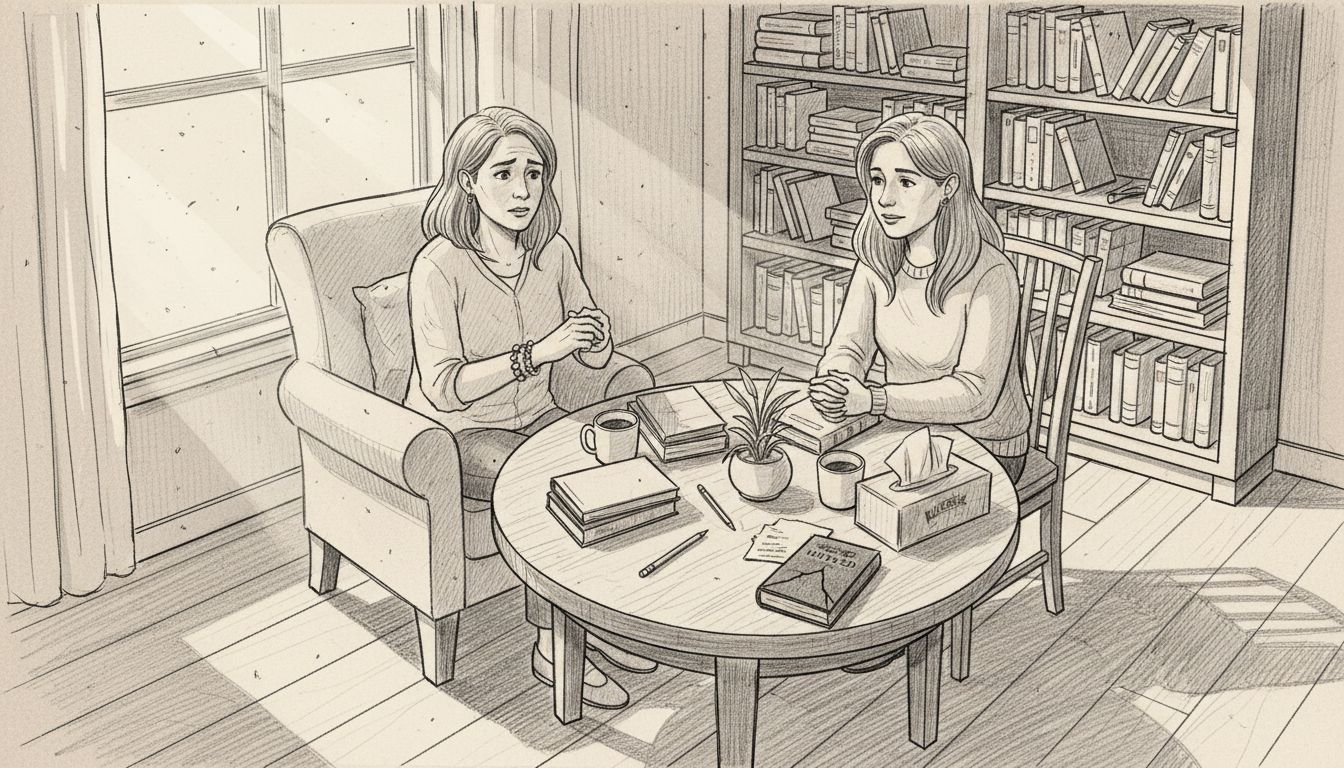
The counseling process supports emotional closure by creating a safe, non‑judgmental environment where individuals can explore their feelings, understand relationship patterns, and develop healthier emotional responses. By analyzing communication dynamics and predicting interaction behaviors, therapists help partners deconstruct negative emotional cycles, learn effective communication strategies, and gradually release lingering resentment or pain.
Pro Tip: Emotional Unburdening Strategy: Commit to honest self‑reflection during counseling sessions, viewing each conversation as an opportunity to understand your emotional triggers and develop more constructive relationship patterns.
Therapy For Reconciliation Or Peaceful Separation
Couples counseling offers a nuanced approach to navigating relationship challenges, recognizing that not all partnerships are destined to continue, while simultaneously creating space for meaningful dialogue and potential reconnection. Couples therapy process provides a structured environment where partners can explore their relationship dynamics, communication patterns, and underlying emotional needs with professional guidance.
Online counseling communication strategiesreveal that therapeutic interventions can help couples make informed decisions about their relationship future, whether that means reconciliation or an amicable separation. Therapists facilitate this process by helping partners develop deeper understanding, improve communication skills, and evaluate the fundamental compatibility of their relationship with compassion and objectivity.
Modern therapeutic approaches recognize that successful outcomes are not exclusively defined by relationship preservation, but by helping partners achieve emotional resolution and mutual respect. Communication behavior analysis demonstrates that therapeutic techniques can guide couples through complex emotional landscapes, enabling them to deconstruct relationship patterns, understand individual needs, and make intentional choices about their shared future.
Pro Tip: Relationship Clarity Strategy: Enter counseling with an open mind, focusing on personal growth and understanding rather than predetermined outcomes, allowing the therapeutic process to reveal authentic relationship possibilities.
Counseling To Aid Co‑Parenting Transitions
Co-parenting after separation represents a complex emotional journey that requires strategic communication, mutual respect, and a shared commitment to children's well-being. Therapy for life transitions provides essential support for parents navigating the challenging landscape of restructured family dynamics, helping them develop collaborative strategies that prioritize their children's emotional health.
Successful co-parenting counseling focuses on transforming potential conflict into constructive communication. Therapists guide parents through developing consistent parenting approaches, establishing healthy boundaries, and creating structured interaction protocols that minimize emotional stress for children. This process involves teaching partners how to communicate effectively about child-related decisions, manage shared responsibilities, and maintain a united front despite personal relationship challenges.
The therapeutic approach to co-parenting transitions emphasizes emotional intelligence, conflict resolution, and child-centered decision-making. Parents learn to separate personal relationship dynamics from their shared parental responsibilities, creating a stable and supportive environment that allows children to maintain meaningful connections with both parents. By fostering mutual respect and developing robust communication skills, counseling helps parents transition from romantic partners to cooperative co-parents.
Pro Tip: Collaborative Parenting Strategy: Approach co-parenting as a professional partnership, focusing on your children's needs and maintaining clear, respectful communication channels that prioritize their emotional well-being.
Personal Growth And Self‑Understanding
Post‑breakup counseling provides a profound opportunity for deep personal exploration and transformative self‑discovery, extending far beyond relationship healing. Why couples need therapy illuminates the critical role of professional guidance in understanding individual patterns, emotional triggers, and personal growth trajectories that emerge from relationship experiences.
Therapeutic processes help individuals deconstruct complex emotional landscapes, identifying recurring relationship patterns, unresolved childhood experiences, and personal defense mechanisms that unconsciously influence romantic interactions. By creating a safe, non‑judgmental environment, counselors enable clients to examine their emotional responses, challenge ingrained beliefs, and develop more authentic, resilient approaches to personal relationships and self‑understanding.
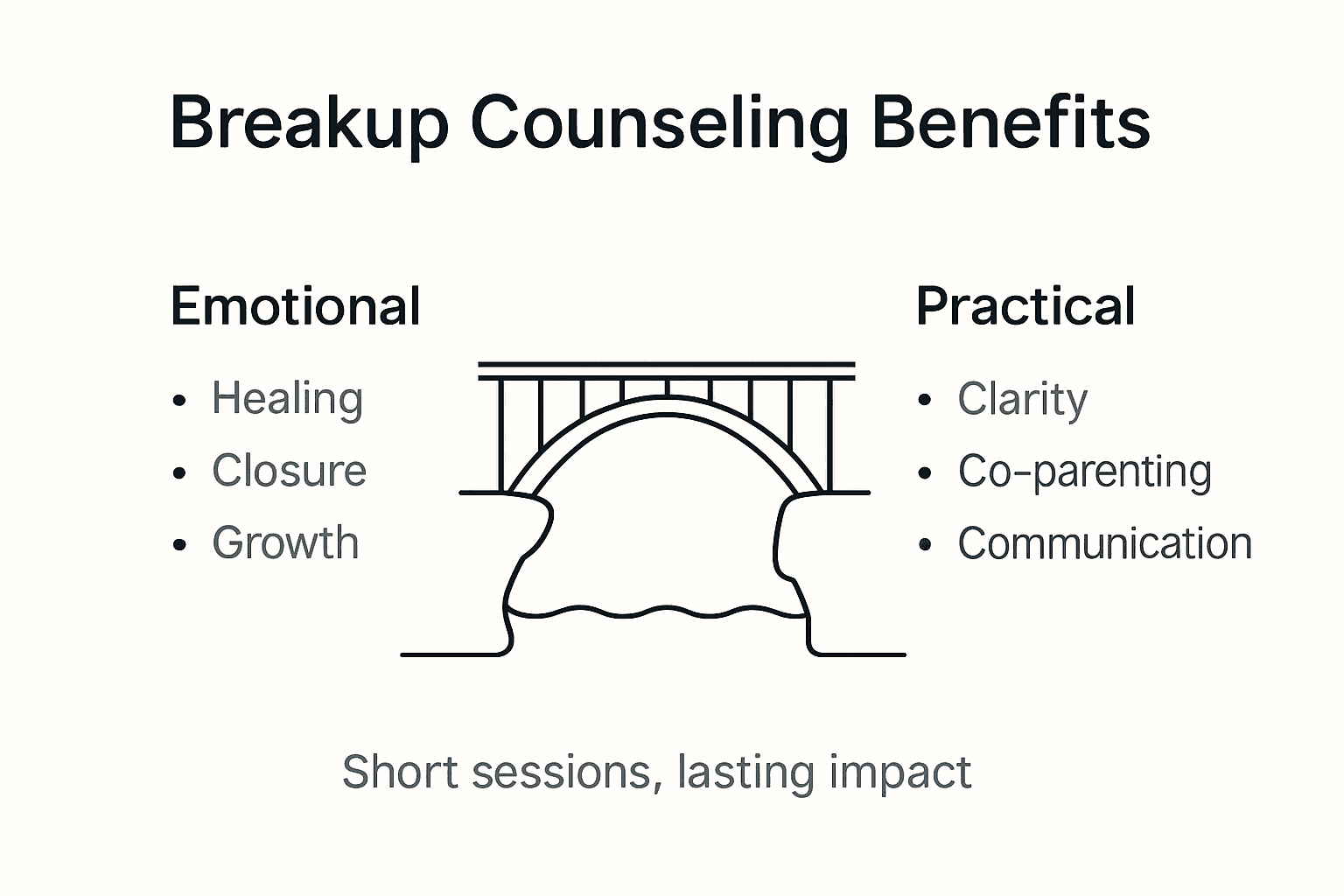
Personal growth through post‑breakup counseling involves developing emotional intelligence, enhancing self‑awareness, and cultivating healthier relationship skills. This journey includes learning to recognize personal boundaries, understanding individual emotional needs, and developing strategies for more meaningful, balanced future connections. The therapeutic process transforms painful relationship experiences into opportunities for profound personal development, helping individuals rebuild self‑confidence and create more intentional, fulfilling life paths.
Pro Tip: Self‑Discovery Strategy: Approach counseling as a journey of personal exploration, viewing each insight as a valuable opportunity to understand yourself more deeply and create meaningful, lasting personal transformation.
This summary highlights the benefits of post-breakup couples counseling across different life areas:
| Area of Impact | Counseling Benefit | Lasting Outcome |
|---|---|---|
| Emotional Healing | Supports closure, reduces resentment | Greater resilience |
| Co-Parenting | Teaches collaborative strategies | Better child adjustment |
| Communication Skills | Builds respectful dialogue | Ongoing conflict management |
| Personal Growth | Promotes self-awareness | Healthier future relationships |
Find Healing and Clarity with Post-Breakup Counseling at Alvarado Therapy
Ending a relationship brings challenging emotions and complex changes, especially when co-parenting or seeking personal growth. If you are navigating emotional healing, building healthy boundaries, or striving for peaceful transitions after a breakup, specialized couples counseling can help transform pain into resilience. At Alvarado Therapy, our licensed therapists in Ventura CA (in person) — Meet Our Team — Alvarado Therapy provide trauma-informed, bilingual care focused on helping you rebuild communication skills and find emotional closure.
Take the first step toward greater emotional clarity and healthier future relationships. Visit Alvarado Therapy for supportive counseling tailored to post-breakup challenges. Don’t wait to embrace healing, growth, and cooperative co-parenting strategies. Your path to empowerment starts today.
Frequently Asked Questions
What is post-breakup couples counseling?
Post-breakup couples counseling is a specialized therapeutic approach that helps separated or divorced partners navigate their emotions, enhance communication, and establish healthy boundaries, especially when children are involved.
How does couples counseling help with emotional closure after a breakup?
Couples counseling aids emotional closure by providing a safe space for individuals to explore their feelings, understand relationship patterns, and learn to communicate more effectively, ultimately leading to psychological resilience and self-awareness.
Can post-breakup counseling improve co-parenting relationships?
Yes, post-breakup counseling focuses on helping parents develop collaborative strategies that prioritize their children's well-being and teaches them effective communication methods, allowing for a smoother transition from romantic partners to co-parents.
What personal growth opportunities does post-breakup counseling offer?
Post-breakup counseling encourages personal exploration and self-discovery, helping individuals identify emotional triggers and recurring patterns in relationships, leading to enhanced self-awareness and healthier future connections.
