
7 Essential PTSD Coping Strategies List for Daily Healing
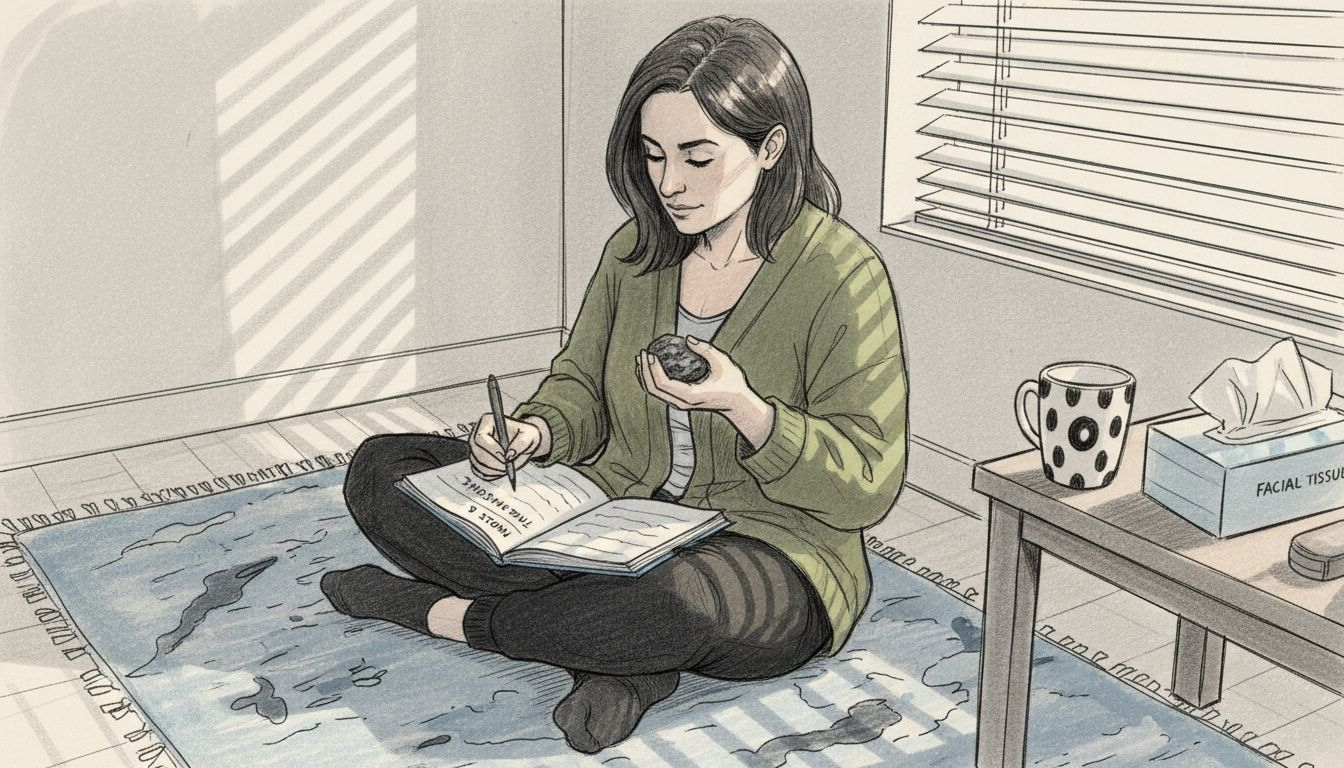
More than eight million American adults live with PTSD each year, facing waves of anxiety and isolation that can upend daily life. For many in California, finding practical tools and cultural support feels just out of reach. This guide empowers you to take the next step in healing, offering simple grounding techniques, trauma-informed self-care, and bilingual resources tailored for your personal journey toward safety and strength.
Table of Contents
Quick Summary
| Key Insight | Explanation |
|---|---|
| 1. Practice Grounding Techniques | Use sensory awareness methods like the 5–4–3–2–1 technique to manage overwhelming PTSD symptoms. This helps redirect your focus to the present. |
| 2. Create a Safe Routine | Establish a structured daily routine with calming activities to foster a sense of safety and emotional balance during your recovery. |
| 3. Engage in Mindfulness | Incorporate daily mindfulness and breathing exercises, such as box breathing, to reduce anxiety and enhance emotional regulation. |
| 4. Build a Support Network | Surround yourself with understanding individuals who can provide empathy and support, essential for overcoming PTSD challenges. |
| 5. Access Culturally Responsive Resources | Seek bilingual and culturally relevant mental health resources that resonate with your identity, ensuring relevant support in your healing journey. |
1. Practice Grounding Techniques for Immediate Relief
When PTSD symptoms overwhelm you, grounding techniques can be your lifeline back to the present moment. These powerful strategies help interrupt spiraling thoughts and reconnect you with your immediate physical environment, providing quick relief from anxiety and emotional distress.
Grounding works by engaging your sensory experience and redirecting your brain's focus from traumatic memories to current, tangible sensations. Psychology Tools provides comprehensive guidance on how these techniques interrupt the stress response and help you regain emotional control.
One effective method is the 5-4-3-2-1 sensory awareness technique. Start by identifying 5 things you can see around you, 4 things you can touch, 3 things you can hear, 2 things you can smell, and 1 thing you can taste. This approach forces your brain to process immediate sensory information, pulling you away from traumatic memories.
The University of New Hampshire's Psychological Servicesrecommends additional strategies like deep breathing, physical movement, or holding a grounding object like a smooth stone or stress ball that provides tangible sensory feedback.
Pro Tip: Create a small "grounding kit" with sensory items like a textured stone, lavender sachet, or stress ball that you can easily carry and use whenever you feel triggered or overwhelmed.
2. Create a Safe and Supportive Routine
In the landscape of PTSD recovery, establishing a consistent and predictable routine becomes a powerful tool for healing and emotional stability. Our self-care habits can significantly impact psychological resilience, transforming daily experiences from unpredictable to manageable.
Structured routines provide a sense of safety and control that is often disrupted by trauma. When you create a reliable daily framework, your nervous system learns to feel secure, reducing anxiety and creating psychological boundaries that protect your emotional well being.
The University of New Hampshire's Psychological Services emphasizes that predictable schedules help regulate stress responses. Start by designing a morning and evening routine with consistent wake times, gentle self care activities, and intentional transition moments between different parts of your day.
Consider creating a personalized routine that includes calming activities like meditation, journaling, light exercise, or a warm beverage ritual. The goal is building a sequence of actions that signal safety to your brain and help you feel grounded and centered.
Your routine should be flexible yet consistent. Some key elements might include regular sleep schedules, planned relaxation periods, designated times for therapy or support group check ins, and gentle physical movement that feels comfortable for you.
Pro Tip: Keep a visual routine chart or digital planner where you can track and adjust your daily structure, allowing yourself grace to modify the routine as you continue healing.
3. Use Mindfulness and Breathing Exercises
Mindfulness and breathing exercises offer powerful tools for managing PTSD symptoms, helping you regain control over your emotional and physiological responses. Mindfulness lessons can transform how we approach personal healing, providing a pathway to inner calm and resilience.
Breathing techniques interrupt the body's stress response by activating the parasympathetic nervous system, which counteracts the fight or flight mechanism common in PTSD. Psychology Tools offers comprehensive guidance on specific exercises designed to reduce anxiety and promote emotional regulation.
The University of New Hampshire's Psychological Services recommends a simple yet effective technique called box breathing. This method involves inhaling for four counts, holding for four counts, exhaling for four counts, and pausing for four counts before restarting the cycle.
To practice mindfulness, start by focusing on your breath without judgment. Notice the sensation of air moving through your nostrils, the rise and fall of your chest, and the rhythm of your breathing. When thoughts intrude, gently redirect your attention back to your breath without criticizing yourself.
Consistent practice can help rewire your brain's response to stress, creating neural pathways that support emotional regulation and reduce the intensity of traumatic memories.
Pro Tip: Create a dedicated 5-10 minute daily breathing practice, preferably at the same time each day, to build a consistent mindfulness habit that supports your healing journey.
4. Build a Personal Support Network
Healing from PTSD is not a solitary journey. Creating a robust personal support network provides emotional scaffolding that can transform your recovery experience. Our self-care habits fundamentally shape our healing process, and building meaningful connections is a critical component of that journey.
Authentic support networks go beyond casual friendships, offering deep understanding, compassion, and consistent emotional availability. The University of New Hampshire's Psychological Services emphasizes that support from trusted family and friends can significantly reduce trauma symptoms and improve overall mental health.
Start by identifying individuals who demonstrate empathy, active listening skills, and a genuine commitment to your well being. These might include close family members, understanding friends, support group participants, or mental health professionals who create a safe emotional environment.
Communicate your needs clearly and specifically. This might mean explaining your triggers, establishing boundaries, or requesting particular types of support during challenging moments. Some people might need education about PTSD to understand how best to support you effectively.
Consider diversifying your support network to include different types of connections professional therapists, peer support groups, trusted friends, and understanding family members each offer unique forms of emotional nourishment and perspective.
Pro Tip: Create a personal support contact list with specific roles and communication preferences, ensuring you have reliable emotional resources available during difficult moments.
5. Engage in Physical Activity for Stress Relief
Physical activity offers a powerful pathway to healing for individuals navigating PTSD, transforming stress into strength through intentional movement. Natural mood boosting strategies can significantly impact psychological well being and emotional regulation.
Movement becomes medicine when approached mindfully. The University of New Hampshire's Psychological Services recommends walking as a simple yet effective method for grounding and reducing traumatic stress responses.
Trauma sensitive approaches like gentle yoga provide unique benefits for PTSD recovery. These specialized practices focus on creating safety within physical movement, allowing individuals to reconnect with their body without triggering additional stress.
Start with low intensity activities that feel comfortable and controllable. This might include short walks, gentle stretching, swimming, or adaptive yoga practices that prioritize personal agency and bodily autonomy. The goal is consistent gentle movement that helps regulate your nervous system.
Consider activities that engage multiple senses and promote mindful awareness. Outdoor walking can combine physical movement with natural sensory experiences like feeling breeze, hearing birds, or observing landscape details.
Pro Tip: Create a flexible movement plan with multiple options, ensuring you have alternative activities available if your initial choice feels overwhelming on a particular day.
6. Explore EMDR and Professional Therapy Options
Healing from PTSD requires professional support, with specialized therapeutic approaches offering transformative paths to recovery. EMDR therapy represents a powerful approach to lasting healing and personal growth.
Eye Movement Desensitization and Reprocessing (EMDR) helps individuals process traumatic memories by using bilateral stimulation techniques that reduce emotional distress. Direct therapeutic exposure methods provide strategic approaches to confronting and resolving traumatic experiences safely.
Professional therapy options extend beyond traditional talk therapy. Approaches like somatic experiencing focus on releasing trapped trauma stored in the body, helping individuals regulate their nervous system and restore emotional balance.
When exploring therapy options, seek professionals specializing in trauma informed care. Look for licensed therapists with specific training in PTSD treatment modalities such as EMDR, cognitive processing therapy, or somatic experiencing.
Consider factors like therapist experience, cultural competency, and personal comfort when selecting a mental health professional. Many therapists offer initial consultations to help you determine the best therapeutic approach for your unique healing journey.
Pro Tip: Prepare a list of questions about a therapist's trauma treatment experience and approach before your first consultation, ensuring you find a professional who understands your specific healing needs.
7. Access Bilingual and Culturally Responsive Resources
Healing from PTSD requires resources that speak directly to your unique cultural background and language experiences. Our commitment to culturally responsive care ensures that mental health support feels accessible and authentic.
Cultural competency in trauma recovery means more than translation. It involves understanding how cultural experiences shape traumatic responses and healing pathways. Psychology Tools offers grounding techniques in multiple languages, recognizing that mental health support must be linguistically and culturally nuanced.
Seek out resources developed by professionals who understand intersectional trauma experiences. This might include Spanish language support groups, trauma guides written by therapists from your cultural background, or therapy practices that explicitly welcome immigrants and multicultural communities.
Consider connecting with community organizations that provide bilingual mental health services. Look for resources that not only translate content but also incorporate cultural context, recognizing that healing approaches differ across cultural landscapes.
Remember that accessing culturally responsive resources is a form of self care. Your healing journey deserves support that respects your full identity language, culture, and personal experiences.
Pro Tip: Create a digital or physical folder of bilingual resources that feel personally meaningful, including therapy guides, support group information, and culturally specific healing strategies.
This table summarizes key strategies for managing PTSD symptoms, including grounding techniques, routines, mindfulness, support networks, physical activity, therapy options, and culturally responsive resources.
| Strategy | Implementation | Benefits / Outcomes |
|---|---|---|
| Grounding Techniques | Use methods like 5–4–3–2–1 sensory awareness and deep breathing. | Provides quick relief from anxiety and emotional distress. |
| Routine Creation | Develop consistent morning and evening routines with calming activities. | Offers a sense of safety and emotional stability. |
| Mindfulness & Breathing | Practice techniques like box breathing and focus on breath awareness. | Reduces anxiety and promotes emotional regulation. |
| Support Network | Build connections with empathetic individuals and professionals. | Reduces trauma symptoms and improves mental health. |
| Physical Activity | Engage in gentle exercise like walking and yoga. | Transforms stress and promotes nervous system regulation. |
| Therapy Options | Explore EMDR and somatic experiencing therapy. | Processes trauma safely and restores emotional balance. |
| Culturally Responsive Resources | Seek bilingual and culturally nuanced support. | Ensures accessible and authentic healing experiences. |
Take Control of Your PTSD Healing Journey with Expert Support
Living with PTSD can feel overwhelming when daily triggers disrupt your peace and coping strategies feel hard to maintain. This article outlines essential steps like grounding techniques, mindful breathing, and building personal support networks to restore safety and balance. If these challenges resonate with you, know that you do not have to face them alone.
At Alvarado Therapy, our California-based trauma-informed therapists specialize in EMDR therapy and trauma-sensitive counseling designed to help you process complex trauma and heal with personalized care. Whether you prefer meeting in person in Ventura, receiving support online across California, or learning more about our team, we are here to empower your recovery.
Start transforming your healing experience today by connecting with our compassionate professionals. Explore our team based in Ventura CA (in person) — Meet Our Team — Alvarado Therapy or find the best fit for you with Online in California — Meet Our Team — Alvarado Therapy. Visit Alvarado Therapy now to schedule a consultation and take the important next step towards safety, clarity, and empowerment in your daily healing.
Frequently Asked Questions
What grounding techniques can I use for PTSD?
Grounding techniques help bring you back to the present moment when PTSD symptoms become overwhelming. Start by practicing the 5-4-3-2-1 technique, which involves identifying 5 things you see, 4 things you touch, 3 things you hear, 2 things you smell, and 1 thing you taste.
How can I create a supportive routine to help with my PTSD recovery?
Designing a consistent daily routine can provide stability and safety in your healing journey. Focus on establishing regular wake times and incorporating calming activities like meditation or gentle exercise.
What breathing exercises are effective for managing PTSD symptoms?
Breathing exercises like box breathing can help alleviate PTSD symptoms by activating the body's relaxation response. Try inhaling for four counts, holding for four counts, exhaling for four counts, and pausing for four counts before repeating the cycle.
How can I build a personal support network for my PTSD recovery?
Identify and connect with empathetic friends, family members, or support group participants who understand your experience. Clearly communicate your needs and boundaries to ensure that your support network is effective and available when you need them.
What types of physical activities are recommended for stress relief in PTSD?
Gentle physical activities, such as walking or yoga, can be beneficial in managing PTSD symptoms. Start with activities you enjoy and gradually increase the duration to at least 15-30 minutes a few times a week to promote better emotional regulation.
What are the benefits of exploring professional therapy options like EMDR for PTSD?
EMDR, or Eye Movement Desensitization and Reprocessing, helps process traumatic memories and reduce emotional distress. Consider scheduling a consultation with a therapist specializing in trauma-informed care to discuss whether EMDR or other therapeutic approaches would be suitable for your healing journey.
