
Role of Grief in Relationships – Impact on Connection

Over half of all American adults will experience profound grief that directly impacts their closest relationships. When loss strikes, many find that even the strongest bonds face unexpected tension and emotional distance. Understanding how grief reshapes emotional connection and communication can make the difference between further isolation and genuine healing. This guide helps American readers recognize the many faces of grief in relationships, paving the way for real compassion and adaptive support during life’s hardest changes.
Table of Contents
Key Takeaways
| Point | Details |
|---|---|
| Grief’s Impact on Relationships | Grief uniquely affects individuals and can disrupt connection, leading to communication challenges. |
| Types of Loss | Relationship losses can extend beyond death and include separations and life transitions, each requiring distinct coping strategies. |
| Communication Barriers | Grief often complicates communication, necessitating patience and active listening to navigate differing emotional responses. |
| Trauma-Informed Support | Healing requires personalized, non-judgmental support emphasizing emotional safety and understanding of individual grief experiences. |
Defining Grief in Personal Relationships
Grief is a complex emotional experience that profoundly impacts personal relationships, extending far beyond traditional understandings of loss. At its core, grief represents a deeply personal journey of processing emotional pain following a significant change or ending. Adult attachment studies reveal that our emotional reactions to loss are intricately connected to our fundamental relationship patterns and attachment styles.
In personal relationships, grief manifests uniquely for each individual, creating dynamic emotional landscapes that challenge connection and intimacy. Whether experiencing the loss of a loved one, the end of a romantic partnership, or significant life transitions, grief disrupts established relationship dynamics. Partners may experience divergent emotional responses, leading to potential communication breakdowns and heightened interpersonal tension. The clinical framework of bereavement literature underscores that grief is a normative response, yet its impact on relationship functioning remains complex and multifaceted.
Understanding grief requires recognizing its multidimensional nature. It involves emotional, psychological, and physiological responses that can simultaneously manifest as sadness, anger, numbness, or profound disorientation. Personal relationships become transformative spaces where individuals navigate these intense emotional experiences, potentially strengthening bonds through shared vulnerability or experiencing significant relational strain.
Pro Tip - Grief Navigation: Communicate openly with your partner about your emotional experience, acknowledging that grief responses differ and validating each person’s unique journey through loss.
Keywords: grief relationships, emotional processing, attachment theory, relationship dynamics
Types of Loss Affecting Relationships
Relationships encounter multiple forms of loss that can significantly disrupt emotional connections and interpersonal dynamics. Unresolved loss studies reveal that emotional trauma from significant relationship changes can create lasting psychological impacts, affecting how individuals interact and communicate with their partners and family members.
The types of loss affecting relationships are diverse and multifaceted. Relationship losses can include death of a loved one, romantic breakups, divorce, geographical separation, and significant life transitions. Mental health research demonstrates that individuals experiencing chronic mental health challenges often face additional relationship losses, including disconnection from intimate partners, family members, and social networks.
Beyond traditional conceptualizations of loss, contemporary psychological understanding recognizes more nuanced forms of relational disruption. These include loss of shared dreams, unexpected life changes, career shifts, infertility challenges, chronic illness diagnoses, and identity transformations. Such losses can fundamentally alter relationship dynamics, requiring partners to adapt, communicate openly, and develop new strategies for maintaining emotional intimacy and mutual support.
Pro Tip - Loss Navigation: Approach relationship losses with compassion, creating space for both individual and shared grief processing while maintaining open, non-judgmental communication channels.
Keywords: relationship loss, emotional trauma, interpersonal grief, relationship transitions
Here’s a summary of common losses that can impact personal relationships:
| Type of Loss | Typical Impact on Relationships | Adaptation Strategies |
|---|---|---|
| Death of Loved One | Emotional withdrawal, altered roles | Honest dialogue, shared remembrance |
| Romantic Breakup | Loss of intimacy, identity shifts | Redefined boundaries, self-reflection |
| Chronic Illness | Changed responsibilities, stress levels | Seeking support, flexible routines |
| Geographical Separation | Reduced daily interaction, loneliness | Virtual connection, routine updates |
| Loss of Shared Dreams | Disappointment, emotional distance | Reframing goals, empathy |
Emotional Responses and Behavioral Changes
Grief triggers a complex spectrum of emotional responses that profoundly reshape individual and relational behavioral patterns. Research investigating pre-loss relationship dynamics reveals that the nature of prior connections significantly influences emotional reactions, with relationship closeness directly correlating to prolonged grief symptoms and potential emotional complexity.
Individuals experiencing loss typically manifest diverse emotional and behavioral changes that can dramatically alter relationship interactions. These transformations might include emotional withdrawal, heightened sensitivity, unexpected anger, profound sadness, or seemingly paradoxical responses like emotional numbness. Longitudinal studies on social support demonstrate that personal resilience and external support networks play crucial roles in moderating these intense emotional landscapes, helping individuals navigate grief’s challenging terrain.
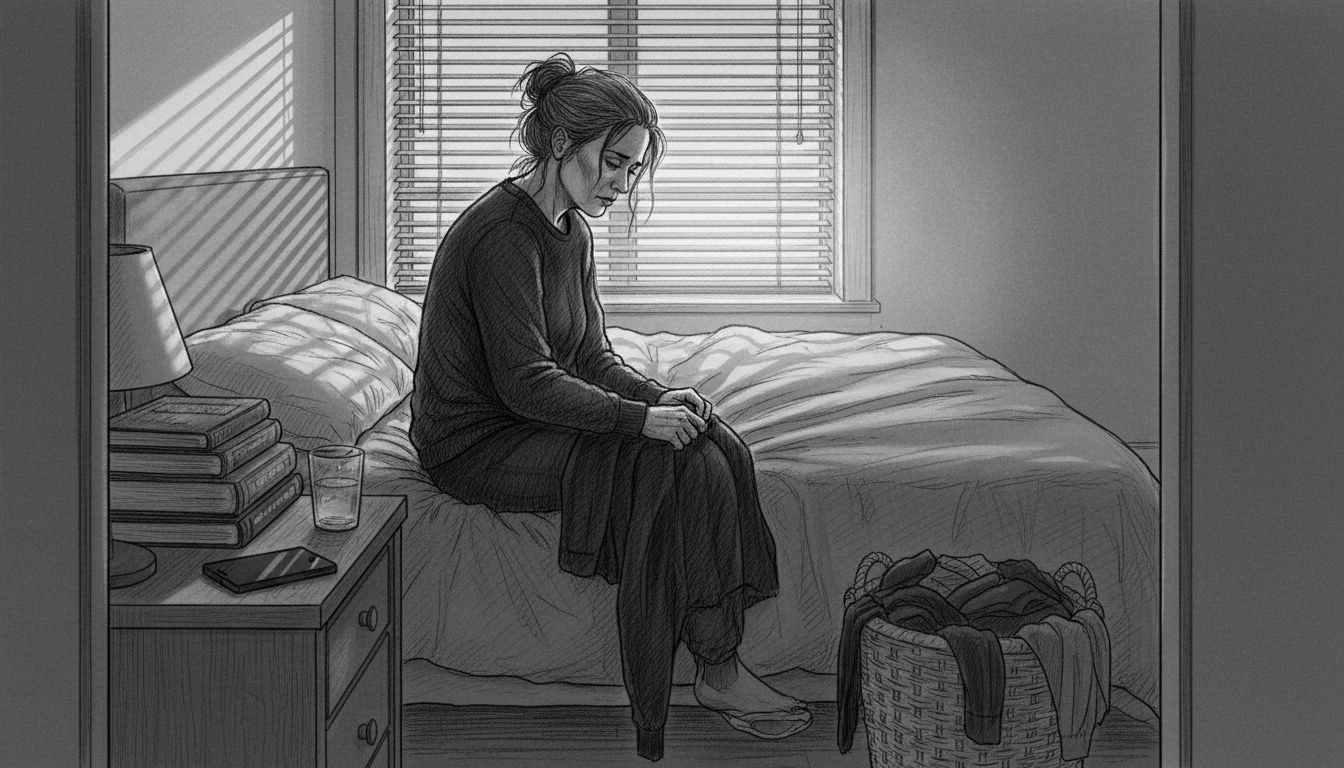
Behavioral changes during grief often emerge as protective mechanisms, reflecting deep psychological adaptation processes. Partners might experience shifts in communication patterns, altered intimacy levels, changes in sexual dynamics, fluctuating emotional availability, and modified relationship expectations. These transformations are not linear but represent complex, individualized responses to loss that require patience, understanding, and compassionate communication from all relationship participants.
Pro Tip - Emotional Resilience: Create a supportive environment that validates individual grief experiences while maintaining open, non-judgmental communication channels to facilitate healing and connection.
Keywords: grief responses, relationship adaptation, emotional processing, psychological resilience
Communication Challenges During Grief
Communication breakdown emerges as a critical challenge during grief, fundamentally altering relationship dynamics. Research on unresolved loss reveals that individuals experiencing profound emotional pain often struggle to maintain constructive dialogue, experiencing heightened anxiety and reduced emotional expression with partners and family members.
Grief transforms communication patterns in profound and unexpected ways. Partners may encounter significant obstacles including emotional withdrawal, misaligned communication styles, divergent grieving processes, and intense emotional reactivity. Qualitative studies on relationship impacts highlight how mental and emotional challenges can create communication barriers that lead to potential social isolation and relationship strain.
The complexity of grief communication stems from its inherently personal and unpredictable nature. Some individuals become verbally expressive, while others retreat into silence. Some require constant reassurance, while others need solitary processing time. These contrasting communication needs can create tension, misunderstanding, and potential conflict, requiring extraordinary patience, empathy, and adaptive communication strategies from all relationship participants.
Pro Tip - Compassionate Listening: Create a judgment-free communication space where each person’s grief experience is validated, allowing for emotional vulnerability without pressure to conform to expected emotional responses.
Keywords: grief communication, emotional dialogue, relationship resilience, communication barriers
Compare key communication challenges and supportive strategies during periods of grief:
| Communication Challenge | Common Cause | Supportive Strategy |
|---|---|---|
| Emotional Withdrawal | Overwhelm or sadness | Gentle outreach, patience |
| Misaligned Grieving Styles | Different coping methods | Active listening, nonjudgmental space |
| Increased Conflict | Heightened sensitivity | Calm discussion, empathy |
| Silence or Avoidance | Fear of burdening others | Encourage openness, reassurance |
Healing and Trauma-Informed Support Approaches
Trauma-informed healing requires a holistic approach that recognizes the complex psychological landscape of grief and loss. Attachment theory research reveals that secure emotional connections serve as fundamental mechanisms for processing traumatic experiences, providing a framework for understanding how relationships can facilitate or hinder emotional recovery.
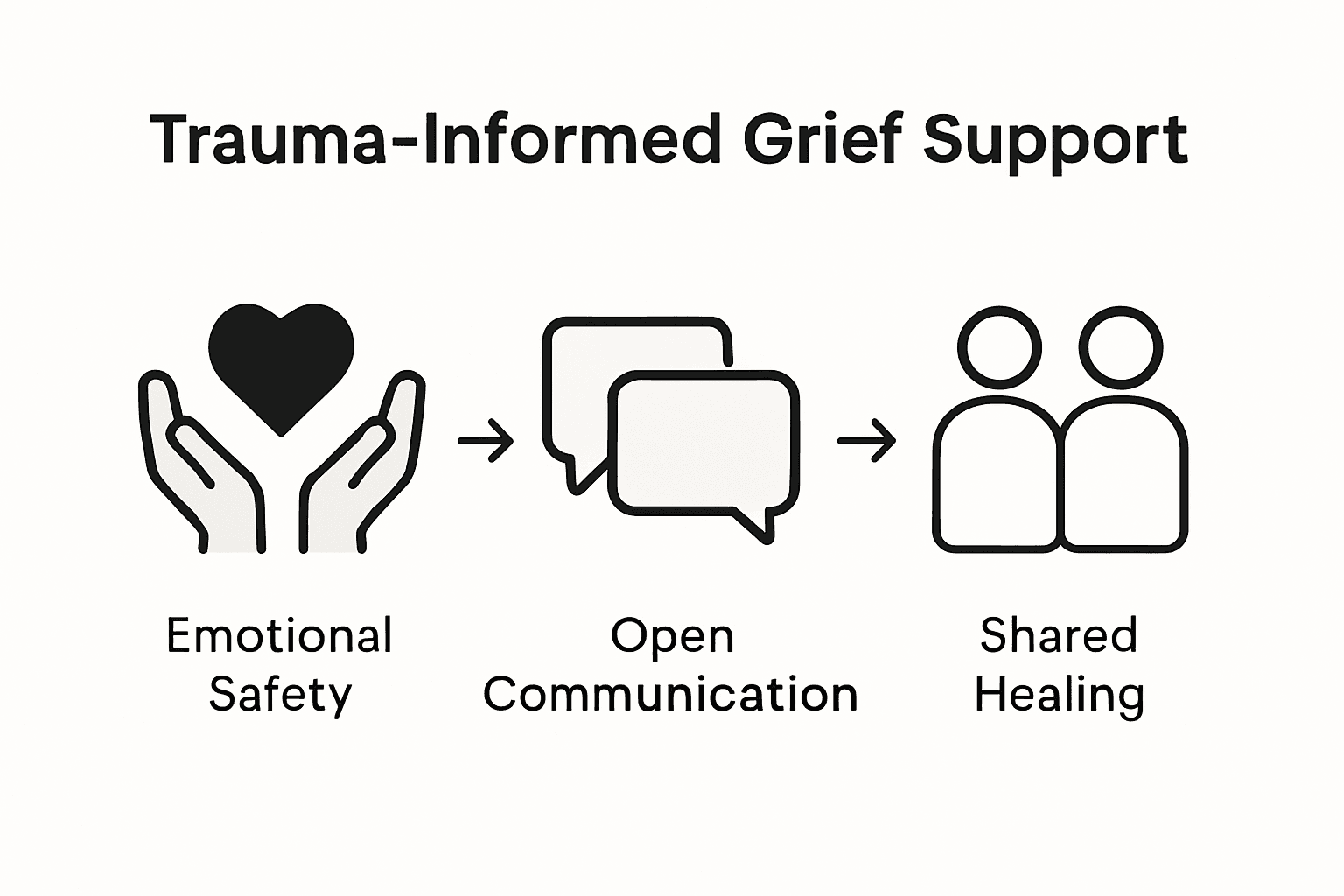
Effective trauma-informed support approaches prioritize individual autonomy, emotional safety, and personalized healing pathways. These strategies involve creating non-judgmental spaces that validate diverse grief experiences, acknowledge emotional complexity, and support individuals through their unique healing journeys. Longitudinal studies on coping mechanisms consistently demonstrate that robust social support networks and healthy self-esteem are critical components in navigating emotional trauma and reducing long-term psychological distress.
Trauma-informed healing requires a multidimensional approach that addresses emotional, psychological, and relational dimensions of grief. This includes developing adaptive communication strategies, creating safe emotional boundaries, practicing active listening, and recognizing that healing is not linear. Professionals and supportive partners must remain flexible, patient, and responsive to changing emotional needs, understanding that trauma recovery is a deeply personal and often unpredictable process.
Pro Tip - Compassionate Recovery: Develop a supportive environment that prioritizes emotional safety, validates individual experiences, and allows for flexible, non-linear healing without imposing predetermined expectations.
Keywords: trauma-informed healing, grief recovery, emotional support, relationship resilience
Find Support for Healing Grief in Your Relationships
Grief can deeply affect how we connect with loved ones, often disrupting communication and challenging emotional closeness. This article highlights the complex emotional responses and communication challenges that arise during grief in personal relationships. If you are facing difficulties with emotional withdrawal, misaligned grieving styles, or simply want to rebuild connection after loss, it is important to find guidance that honors your unique experience and fosters healing.
At Alvarado Therapy, we specialize in trauma-informed approaches tailored to navigating grief and its impact on relationships. Whether through individual counseling, couples therapy, or specialized support like EMDR, our licensed therapists in California provide compassionate care designed to restore safety, emotional resilience, and clear communication.
Explore our therapy services to learn how we can help you and your loved ones process grief with empathy and strength.

Take the next step today by visiting Alvarado Therapy to connect with expert support that respects your grief journey and helps rebuild lasting bonds. Healing is possible when you have the right care and understanding by your side.
Frequently Asked Questions
What are common emotional responses to grief in relationships?
Emotional responses to grief can include sadness, anger, numbness, and confusion. Each individual may experience these emotions differently, and their intensity can vary over time.
How does grief affect communication in personal relationships?
Grief can lead to communication breakdowns, as individuals may withdraw or struggle to express their emotions. This can create misunderstandings and tension, requiring patience and empathy from partners.
What are effective strategies for navigating grief in a relationship?
Effective strategies include open and honest communication, validating each other’s experiences, and creating non-judgmental spaces for emotional expression. Supporting each other through shared vulnerability can strengthen connections.
How does loss of shared dreams impact relationships?
Loss of shared dreams can lead to disappointment and emotional distance between partners. It is crucial to reframe goals together and practice empathy to adapt to new realities, fostering connection and understanding.
