
Why Seek Trauma Counseling: Pathways to Healing

Most American adults will experience a traumatic event at some point, yet fewer than half seek professional counseling for recovery. Trauma is more than a passing setback—it shapes relationships, emotional health, and daily life in powerful ways. Understanding the different forms of trauma and recognizing counseling needs empowers individuals to break away from hidden cycles of distress. This guide explains trauma’s impact, reveals evidence-based counseling strategies, and shines a light on what true healing can look like.
Table of Contents
Key Takeaways
| Point | Details |
|---|---|
| Understanding Trauma | Trauma can stem from various experiences, both acute and chronic, impacting mental health and personal relationships. |
| Importance of Trauma Counseling | Specialized trauma counseling helps individuals process and heal from experiences, focusing on safety and individualized approaches. |
| Consequences of Untreated Trauma | Ignored trauma symptoms can severely affect mental health, relationships, and overall well-being, highlighting the need for timely intervention. |
| Selecting a Therapist | Choosing a trauma-informed therapist is crucial; look for professionals trained in trauma-specific methodologies who create a safe, empathetic environment. |
Defining Trauma and Counseling Needs
Trauma represents a profound psychological response to deeply distressing or overwhelming experiences that exceed an individual’s ability to cope. These experiences can range from single intense events like accidents or assaults to prolonged, complex situations such as childhood abuse, domestic violence, or persistent systemic oppression. Understanding complex trauma’s impact on adult well-being reveals how unresolved psychological wounds can dramatically influence mental health, relationships, and personal functioning.
In the context of mental health support, trauma counseling provides specialized therapeutic approaches designed to help individuals process, understand, and heal from traumatic experiences. Trauma-informed counseling practices emphasize creating safe, empathetic environments where survivors can explore their experiences without re-traumatization. These approaches recognize that trauma manifests differently for each person, requiring personalized, compassionate interventions that address both psychological and physiological impacts.
Counseling needs for trauma survivors are multifaceted and dynamic. Professional therapists trained in trauma-specific methodologies like EMDR, cognitive processing therapy, and somatic experiencing can help individuals develop coping strategies, rebuild a sense of safety, process emotional memories, and reconstruct personal narratives. The goal is not just symptom management but comprehensive healing that restores an individual’s sense of agency, resilience, and emotional regulation.
Pro Tip: Start Your Healing Journey Carefully: When seeking trauma counseling, prioritize finding a licensed therapist specializing in trauma treatment who creates a sense of safety and demonstrates genuine empathy during your initial consultations.
Different Types of Trauma Addressed
Trauma manifests in numerous complex forms, each with unique psychological and emotional implications. Traumatic experiences among university students demonstrate the wide-ranging nature of potential traumatic events, from nonsexual violence to academic-related stress. These experiences can be categorized into several primary types, including acute trauma from single intense incidents, chronic trauma resulting from prolonged exposure to distressing situations, and complex trauma involving multiple, interconnected traumatic experiences.
Childhood Trauma represents a particularly significant category with profound long-term impacts. Comprehensive research on childhood abuse identifies multiple subcategories including physical abuse, sexual abuse, emotional abuse, and neglect. Each type of childhood trauma can fundamentally alter an individual’s psychological development, creating intricate patterns of emotional response and potential mental health challenges that persist into adulthood. 7 key examples of trauma symptoms adults should know can help individuals recognize and understand these deep-seated psychological impacts.
Traumatic experiences are not limited to personal violence or abuse. They can also emerge from systemic experiences such as discrimination, war, natural disasters, medical trauma, vicarious trauma experienced by professionals, and significant life transitions. Each type of trauma requires nuanced, compassionate therapeutic approaches that recognize the individual’s unique experience and resilience. Professional counselors specialized in trauma treatment understand that healing is not about eliminating the memory, but about transforming an individual’s relationship with those experiences.
Here’s a summary of common trauma types and their potential long-term effects:
| Trauma Type | Typical Example | Possible Long-Term Impact |
|---|---|---|
| Acute Trauma | Car accident | Short-term anxiety, phobias |
| Chronic Trauma | Ongoing domestic abuse | Emotional numbness, depression |
| Complex Trauma | Repeated childhood neglect | Attachment issues, identity struggles |
| Systemic Trauma | Discrimination, war | Chronic stress, mistrust |
| Vicarious Trauma | Trauma care professionals | Compassion fatigue, burnout |
Pro Tip: Trauma Recognition Strategy: Learn to distinguish between different types of trauma by tracking your emotional responses, physical sensations, and recurring thought patterns, which can provide valuable insights into your specific healing needs.
How Trauma Counseling Supports Healing
Trauma counseling provides a structured, compassionate pathway for individuals to process and heal from deeply painful experiences. Trauma-informed approaches in social work education emphasize creating therapeutic environments that recognize the complex neurological and emotional impacts of traumatic experiences. These specialized counseling techniques go beyond traditional talk therapy, addressing the profound ways trauma reshapes an individual’s perception of safety, relationships, and personal identity.

The healing process in trauma counseling involves several critical components. Trauma healing process workflow for effective recovery typically includes establishing emotional safety, developing coping mechanisms, processing traumatic memories, and rebuilding a sense of personal empowerment. Professional therapists use evidence-based approaches like EMDR (Eye Movement Desensitization and Reprocessing), cognitive processing therapy, and somatic experiencing to help clients reframe traumatic memories, reduce emotional reactivity, and develop healthier neurological responses.
Trauma counseling supports healing by addressing the multidimensional impacts of traumatic experiences. This includes helping individuals understand how trauma has affected their nervous system, emotional regulation, attachment patterns, and core beliefs about themselves and the world. By providing a safe, non-judgmental space, trauma counselors assist clients in reconnecting with their innate resilience, rebuilding trust in themselves and others, and developing more adaptive ways of processing emotional experiences. Role of counseling in PTSD recovery highlights the transformative potential of specialized therapeutic interventions.
The following table highlights how trauma counseling approaches support various aspects of healing:
| Counseling Approach | Focus Area | Expected Benefit |
|---|---|---|
| EMDR | Memory reprocessing | Reduces distressing recollections |
| Cognitive Processing Therapy | Thought patterns | Alters negative self-beliefs |
| Somatic Experiencing | Body-based stress | Improves emotional regulation |
| Trauma-Informed Care | Safety and trust | Builds foundational sense of security |
Pro Tip: Healing Progress Strategy: Track your emotional and physiological responses during therapy, noting subtle shifts in your comfort level, body sensations, and ability to sit with difficult memories, as these incremental changes indicate genuine healing progress.
EMDR Therapy and Trauma Recovery
EMDR (Eye Movement Desensitization and Reprocessing) represents a groundbreaking therapeutic approach specifically designed to help individuals process and heal from traumatic memories. Key types of trauma therapy reveal EMDR’s unique method of addressing psychological wounds by engaging the brain’s natural healing mechanisms. Unlike traditional talk therapies, EMDR uses bilateral stimulation—typically side-to-side eye movements—to help the brain reprocess traumatic memories, reducing their emotional intensity and transforming how those memories are stored.
The EMDR therapy process follows a structured eight-phase approach that carefully guides patients through memory reprocessing. Step by step EMDR therapy guide for trauma recovery outlines how therapists help clients identify traumatic memories, develop coping strategies, and gradually desensitize emotional triggers. During sessions, clients focus on traumatic memories while experiencing bilateral stimulation, which helps the brain move painful memories from active emotional processing to more neutral, adaptive storage, effectively reducing their psychological impact.
Research demonstrates EMDR’s remarkable effectiveness in treating various trauma-related conditions, including post-traumatic stress disorder, anxiety, and complex emotional wounds. EMDR therapy in PTSD recovery highlights how this approach can create lasting neurological changes, helping individuals transform their relationship with traumatic experiences. Innovative technologies are even exploring complementary approaches, such as diagnostic systems that can support therapeutic interventions and enhance trauma recovery strategies.
Pro Tip: Therapy Preparation Technique: Before starting EMDR, create a personal safety toolkit with grounding techniques, comfort items, and emotional regulation strategies to support yourself during potentially intense therapeutic sessions.
Risks of Untreated Trauma Symptoms
Untreated trauma symptoms can create profound and cascading negative impacts across multiple dimensions of an individual’s life. Research among university students demonstrates that unaddressed psychological wounds can significantly impair academic performance, professional functioning, and personal relationships. Trauma symptoms often manifest as chronic anxiety, depression, hypervigilance, emotional dysregulation, and intrusive memories that continuously disrupt an individual’s ability to engage fully and authentically with their environment.
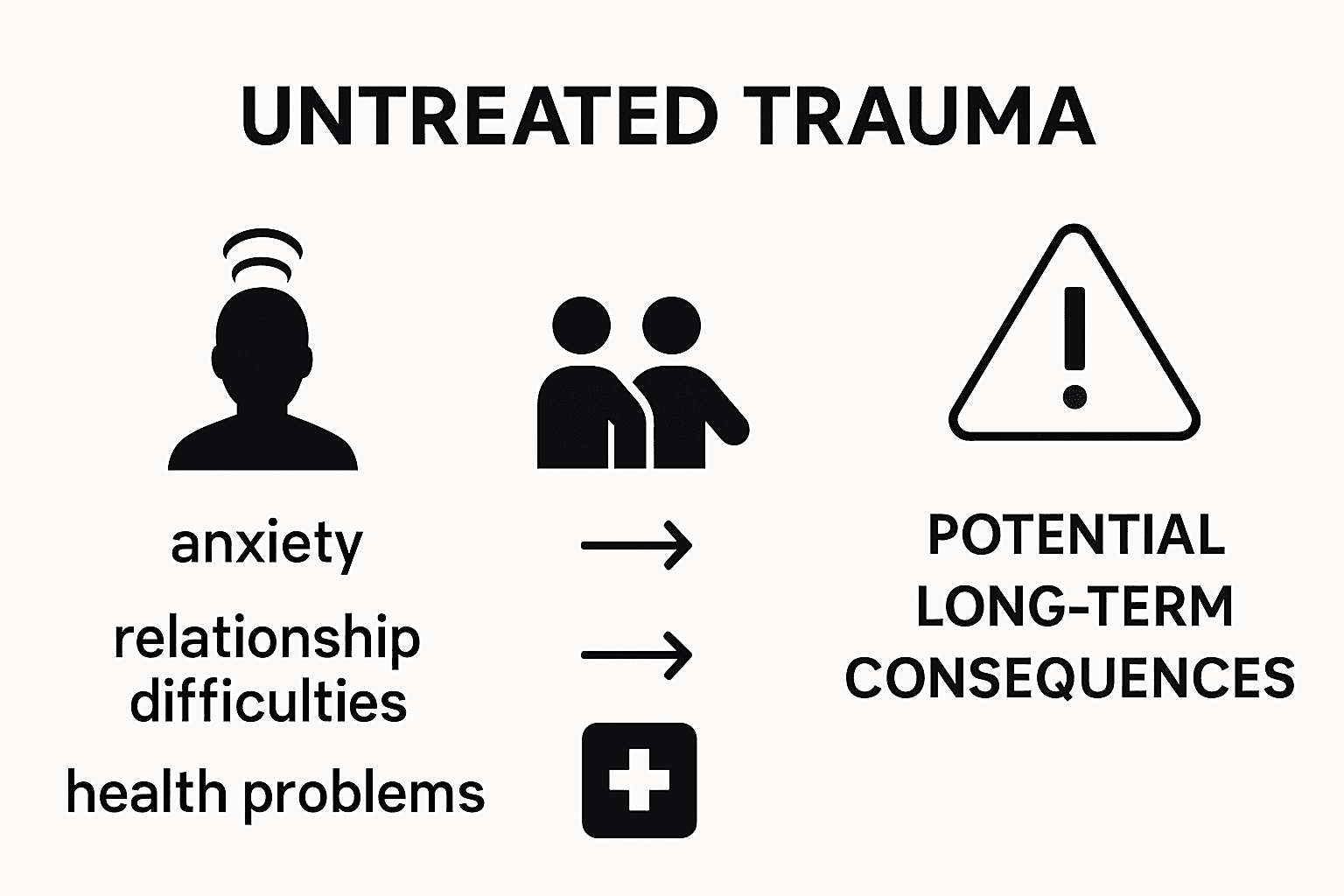
Long-term impacts of childhood abuse reveal that unprocessed traumatic experiences can fundamentally reshape an individual’s neurological and emotional landscape. Persistent trauma symptoms can lead to complex psychological challenges, including difficulty forming healthy attachments, recurring patterns of self-sabotage, compromised stress responses, and increased vulnerability to additional mental health disorders. Role of trauma in relationships further illustrates how untreated trauma can create systemic challenges in personal and professional interactions.
The neurobiological consequences of untreated trauma extend beyond immediate psychological distress. Chronic trauma symptoms can trigger persistent activation of the body’s stress response system, leading to potential long-term health complications such as cardiovascular issues, compromised immune function, and increased susceptibility to chronic inflammatory conditions. These physiological disruptions underscore the critical importance of comprehensive trauma-informed therapeutic interventions that address both psychological and somatic dimensions of traumatic experiences.
Pro Tip: Trauma Awareness Strategy: Regularly check in with yourself about recurring emotional patterns, unexplained physical symptoms, and relationship difficulties, as these could be subtle indicators of unresolved trauma requiring professional support.
Choosing a Trauma-Informed Therapist
Selecting a trauma-informed therapist requires careful consideration and understanding of specialized therapeutic approaches. Trauma-informed education and supervision frameworks emphasize the critical importance of finding professionals specifically trained to address complex psychological healing. A truly trauma-informed therapist goes beyond traditional counseling, demonstrating deep understanding of how traumatic experiences fundamentally reshape an individual’s neurological and emotional responses.
Key qualifications for a trauma-informed therapist include specialized certification in trauma treatment modalities like EMDR, cognitive processing therapy, or somatic experiencing. Role of therapy in healing highlights the importance of practitioners who can create safe, non-judgmental therapeutic environments. Look for professionals who demonstrate empathy, understand the neurobiological impacts of trauma, and can provide personalized, compassionate interventions that respect each client’s unique healing journey.
When evaluating potential therapists, consider asking specific questions about their training, experience with trauma recovery, and therapeutic approach. Critical areas to explore include their understanding of complex trauma, their strategies for creating emotional safety, and their ability to adapt therapeutic techniques to individual client needs. Culturally sensitive therapists who recognize diverse trauma experiences and offer identity-affirming support can significantly enhance the healing process. How to access online therapy in California provides additional insights into finding qualified professionals who can support your specific healing needs.
Pro Tip: Therapist Selection Strategy: Trust your intuition during initial consultations and prioritize finding a therapist who makes you feel heard, respected, and emotionally safe, as the therapeutic relationship itself is a crucial component of effective trauma healing.
Discover Your Path to Healing with Expert Trauma Counseling
If you are struggling to move past childhood trauma, PTSD, or complex emotional wounds, finding a trauma-informed therapist who understands your unique needs is essential. This article highlights the challenges trauma survivors face and the critical role specialized counseling plays in rebuilding safety, trust, and resilience. At Alvarado Therapy, our licensed therapists deliver compassionate care using proven methods like EMDR therapy and tailored individual counseling that honor your healing journey.
Take the first step today by connecting with experienced trauma counselors who prioritize emotional safety and provide culturally responsive therapy in California. Explore our dedicated team serving clients in California and Ventura CA (in person). Visit Alvarado Therapy now to learn more and schedule your confidential appointment. Healing is possible, and your empowered future begins now.
Frequently Asked Questions
What is trauma counseling?
Trauma counseling is a specialized therapeutic approach designed to help individuals process, understand, and heal from traumatic experiences. It focuses on creating a safe environment for survivors to explore their emotions without re-traumatization.
What are the different types of trauma addressed in counseling?
Trauma can manifest in various forms, including acute trauma (from single incidents), chronic trauma (from prolonged distress), complex trauma (multiple, interconnected traumatic experiences), childhood trauma, and systemic trauma (e.g., discrimination and war).
How does EMDR therapy aid in trauma recovery?
EMDR (Eye Movement Desensitization and Reprocessing) is a therapeutic method that helps individuals process and heal from traumatic memories through bilateral stimulation, reducing their emotional intensity and transforming how these memories are stored in the brain.
What are the risks of untreated trauma symptoms?
Untreated trauma symptoms can lead to chronic anxiety, depression, emotional dysregulation, and physical health issues. They can disrupt personal and professional relationships and impede overall well-being, making timely intervention critical.
