
Role of Communication in Healing – Impact on Trauma Recovery

Over half of American trauma survivors struggle to find words that truly capture their experience in the healing process. Effective communication is not just about talking, it acts as a bridge between pain and recovery. Whether it is verbal conversation or unspoken gestures, learning how communication heals can make the journey less lonely and more empowering for anyone navigating trauma.
Table of Contents
Key Takeaways
| Point | Details |
|---|---|
| Therapeutic Communication is Fundamental | Effective trauma recovery relies on both verbal and non-verbal communication, which creates understanding and facilitates healing. |
| Variety of Communication Approaches | Multiple therapeutic communication strategies, including Nonviolent Communication and expressive arts, cater to diverse trauma experiences and enhance emotional processing. |
| Importance of Active Listening | Practicing active listening and empathetic responses is crucial for rebuilding trust and emotional safety in therapeutic dialogues. |
| Addressing Communication Barriers | Recognizing and overcoming barriers such as emotional numbness and lack of professional training is vital for effective healing interactions. |
Defining Communication in the Healing Process
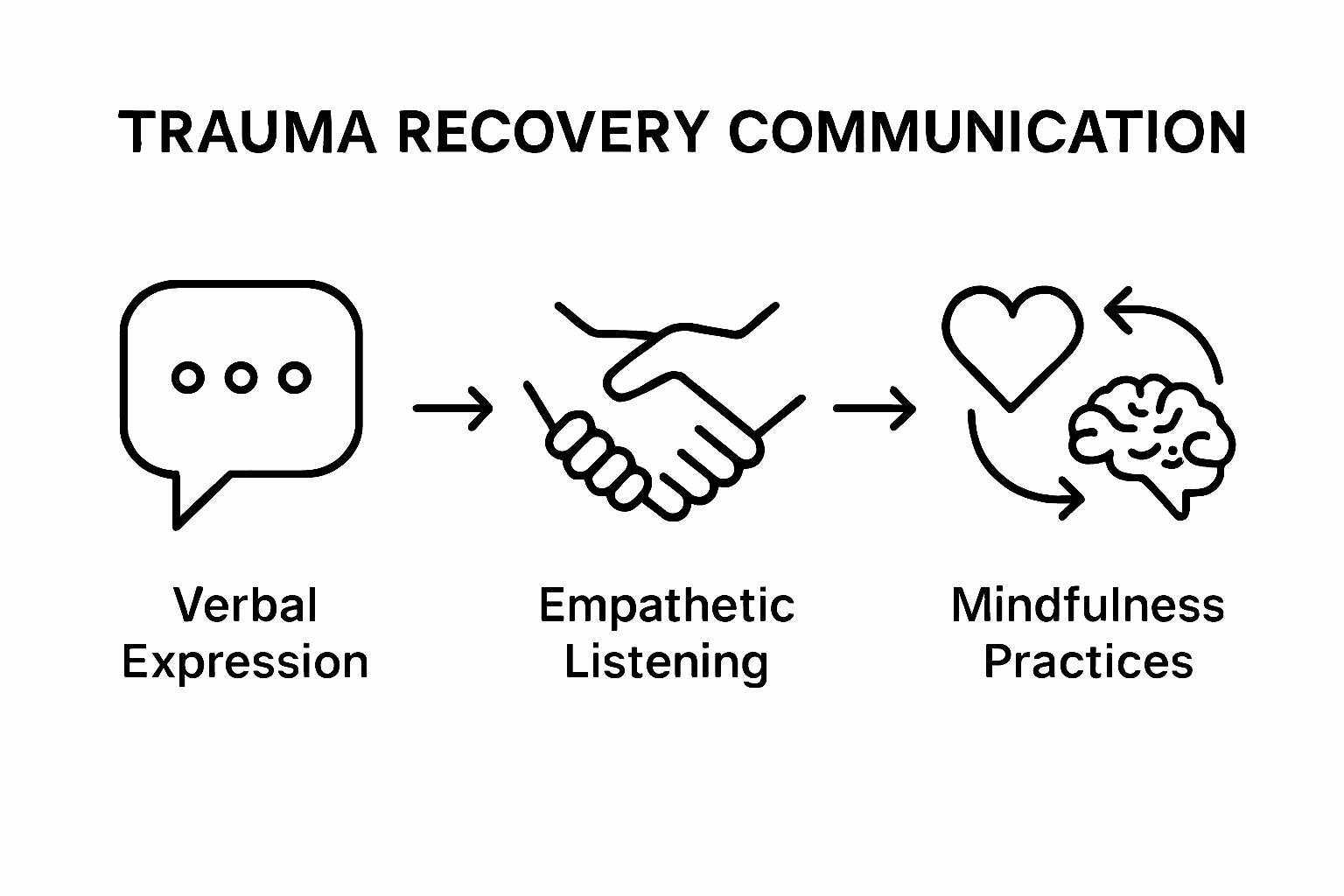
Communication represents far more than simple verbal exchange during trauma recovery - it is a profound therapeutic language that bridges understanding between an individual's internal experience and external support systems. At its core, therapeutic communication encompasses both verbal and non-verbal interactions designed to facilitate healing, create safety, and support emotional processing.
Research reveals that effective communication in trauma recovery involves multiple intricate dimensions. Therapeutic communication helps identify patient needs and solve complex emotional challenges through intentional, compassionate dialogue. This approach goes beyond traditional conversation, functioning as a nuanced intervention that allows trauma survivors to explore their experiences, validate their emotions, and gradually reconstruct their sense of personal narrative.
The healing communication process typically involves several key elements: active listening, empathetic response, non-judgmental space creation, and strategic emotional validation. Survivors often require communication approaches that respect their autonomy, recognize their resilience, and provide gentle guidance without overwhelming their nervous system. This means therapists and support networks must develop sophisticated communication skills that prioritize safety, patience, and individualized understanding.
The ultimate goal of healing communication is not just to discuss trauma, but to transform the narrative from one of victimhood to one of survival and potential growth. By creating space for authentic expression and compassionate witnessing, communication becomes a powerful therapeutic tool that supports neural rewiring, emotional regulation, and post-traumatic growth.
Pro Tip: Practice compassionate listening by focusing completely on the speaker, maintaining open body language, and reflecting back what you hear without judgment or immediate advice.
Types of Communication Used in Therapy
Trauma therapy employs multiple communication approaches, each designed to address different aspects of emotional healing and psychological recovery. These varied communication methods recognize that survivors experience and process trauma through diverse channels, requiring flexible and nuanced therapeutic strategies.
One prominent approach is Nonviolent Communication (NVC), a therapeutic method focusing on empathetic understanding and reducing interpersonal conflict. NVC breaks communication into four essential components: observation, feelings, needs, and requests. This structured yet compassionate framework helps trauma survivors articulate their experiences without judgment, creating a safe space for emotional exploration and healing.
Therapeutic communication strategies encompass several distinct types, including verbal dialogue, body language interpretation, expressive arts communication, and digital platforms like online counseling that utilize internet-based interaction methods. These modalities recognize that healing communication is not one-size-fits-all, but a dynamic process tailored to individual trauma experiences. Verbal communication might involve narrative therapy techniques, while non-verbal approaches could include art therapy, movement therapy, or somatic experiencing that allows emotional processing beyond traditional conversational methods.

Advanced therapeutic communication also integrates trauma-informed principles, meaning communication approaches prioritize safety, transparency, collaboration, and empowerment. Therapists carefully calibrate their language, tone, and interaction style to create environments where survivors feel respected, heard, and supported in their healing journey.
Here is a comparison of common communication approaches used in trauma therapy:
| Communication Approach | Core Focus | Typical Method | Unique Benefit |
|---|---|---|---|
| Nonviolent Communication | Empathetic understanding | Four-step framework | Reduces conflict, clarifies needs |
| Expressive Arts Communication | Emotional expression | Art, music, movement | Allows non-verbal processing |
| Digital Counseling Platforms | Accessibility & flexibility | Video, text chat | Enables remote therapeutic support |
| Narrative Therapy Dialogue | Personal storytelling | Guided conversations | Helps reshape trauma narrative |
Pro Tip: Practice communicating with yourself first by journaling your feelings without self-judgment, creating internal safety before external sharing.
How Therapeutic Dialogue Supports Trauma Recovery
Therapeutic dialogue represents a profound healing mechanism that goes far beyond simple conversation, functioning as a powerful neurological and emotional intervention for trauma survivors. By creating a safe, structured environment for exploring painful experiences, dialogue becomes a transformative tool that helps individuals reorganize traumatic memories and rebuild psychological resilience.
Clinician-patient communication directly influences health outcomes by enhancing emotional management and strengthening therapeutic alliances, enabling trauma survivors to gradually process and integrate their experiences. This communication process involves carefully calibrated interactions that respect the survivor's autonomy, validate their emotional landscape, and provide gentle guidance through complex psychological terrain.
The mechanisms of therapeutic dialogue are intricate and multifaceted. Analyzing therapeutic dialogue patterns helps therapists forecast and support behavioral changes, particularly in addressing trauma-related challenges such as substance abuse, anxiety, and emotional dysregulation. Through structured conversational techniques, therapists create opportunities for survivors to reframe their narratives, develop new coping strategies, and rebuild a sense of personal agency that trauma may have disrupted.
Ultimately, therapeutic dialogue serves as a bridge between past traumatic experiences and future healing potential. It offers survivors a compassionate, professional space to deconstruct harmful belief systems, process complex emotions, and gradually reconstruct a sense of safety and personal empowerment. The dialogue becomes a collaborative journey of understanding, where the survivor guides the process and the therapist provides expert, supportive navigation.
Pro Tip: Practice active listening in your own conversations by focusing entirely on the speaker, reflecting back what you hear, and suspending judgment.
Benefits for PTSD, Grief, and Relationship Healing
Healing from PTSD, grief, and relationship challenges requires a nuanced communication approach that addresses the complex emotional landscapes created by traumatic experiences. Each of these healing journeys demands specialized therapeutic strategies that recognize the unique psychological wounds and resilience mechanisms inherent in trauma recovery.
Mindfulness and compassion-based communication strategies can significantly enhance healing processes for individuals confronting PTSD, grief, and relationship difficulties. These approaches focus on creating safe emotional spaces where survivors can gradually rebuild trust, process complex emotions, and develop healthier interpersonal dynamics. By prioritizing self-awareness and gentle emotional exploration, therapeutic communication helps individuals transform their traumatic narratives from stories of victimhood to narratives of survival and potential growth.
Advanced communication assessment techniques, including natural language processing frameworks, reveal how conversational dynamics directly impact emotional healing. These innovative approaches demonstrate that the quality of therapeutic dialogue can be measured and optimized, providing therapists with sophisticated tools to track patient engagement, emotional progression, and potential breakthrough moments. For PTSD survivors, this means communication becomes more than just talking - it becomes a structured pathway to neurological and emotional reorganization.
In relationship healing, communication serves as a critical rebuilding mechanism. Trauma can fragment trust, disrupt emotional connection, and create complex relational patterns. Therapeutic dialogue offers a structured yet compassionate approach to untangling these intricate emotional knots, helping partners understand each other's triggers, rebuild safety, and develop more resilient, empathetic connections.
Pro Tip: Practice emotional transparency by sharing your feelings using "I" statements that express your experience without blame or judgment.
Barriers to Effective Communication in Healing
Communication barriers in trauma healing represent complex psychological and systemic challenges that can significantly impede an individual's recovery journey. These obstacles emerge from multiple sources, including personal emotional limitations, professional constraints, and deeply ingrained psychological defense mechanisms that protect survivors from perceived emotional vulnerability.
Research in clinical communication highlights significant barriers such as lack of professional training, emotional burnout, and time constraints that fundamentally disrupt effective therapeutic interactions. These systemic challenges prevent healthcare professionals from creating the compassionate, nuanced environments necessary for trauma survivors to feel truly heard and supported. Emotional exhaustion can lead to decreased empathy, while insufficient training may result in well-intentioned but ultimately harmful communication approaches that retraumatize instead of heal. Advanced technological frameworks like 'CommSense' are emerging to address communication effectiveness by providing objective assessment tools for patient-clinician interactions. These innovative approaches recognize that communication barriers are not just interpersonal but can be deeply rooted in structural limitations of traditional therapeutic models. By introducing more sophisticated evaluation mechanisms, such frameworks aim to identify and overcome communication gaps that historically have prevented trauma survivors from receiving truly responsive, individualized care.
Psychological barriers represent another critical dimension of communication challenges. Trauma survivors often develop complex communication defense mechanisms like emotional numbness, hypervigilance, or communication avoidance. These protective strategies, while initially adaptive, can create significant obstacles in therapeutic settings, preventing genuine emotional processing and healing. Understanding these barriers requires a compassionate, patient-centered approach that recognizes survival strategies as intelligent adaptations rather than resistance.
The table below summarizes key barriers to effective therapeutic communication and their possible impact:
| Barrier Type | Example Challenge | Impact on Healing |
|---|---|---|
| Professional | Insufficient training | Limits effectiveness, risks retraumatization |
| Systemic | Time constraints | Reduces depth and quality of dialogue |
| Psychological | Emotional numbness | Prevents emotional processing, slows healing |
| Technological | Lack of assessment tools | Hinders measurement of progress |
Pro Tip: Practice radical self-compassion by acknowledging that communication barriers are protective mechanisms, not personal failures.
Unlock Healing Through Compassionate Communication with Alvarado Therapy
Effective communication is vital for trauma recovery. The article highlights how therapeutic dialogue helps survivors rebuild safety, process emotions, and transform painful narratives into stories of resilience. Many individuals face barriers like emotional numbness or feeling unheard, which can hinder their healing journey. At Alvarado Therapy, we specialize in trauma-informed communication techniques such as EMDR therapy and individual counseling that prioritize empathy, safety, and empowerment.
Are you ready to experience healing communication tailored to your unique trauma? Discover how our licensed therapists provide culturally responsive support in English and Spanish across Pasadena, Ventura, and online throughout California. Start your journey with Alvarado Therapy today and find clarity and empowerment through trauma-sensitive care. Learn more about our individual counseling services or explore how we support complex trauma with specialized EMDR intensives designed to help you reclaim your story.
Frequently Asked Questions
What is therapeutic communication in trauma recovery?
Therapeutic communication involves both verbal and non-verbal interactions that facilitate healing by helping trauma survivors express their internal experiences and connect with external support systems. It focuses on empathetic listening and emotional validation, allowing individuals to process their trauma safely.
How does narrative therapy help in trauma communication?
Narrative therapy helps trauma survivors reshape their stories by guiding conversations that allow them to reframe their experiences and develop a more empowering personal narrative. This process aids in therapeutic healing and emotional resilience.
What are some barriers to effective communication in trauma healing?
Barriers can include professional constraints like insufficient training or time limits, psychological defenses such as emotional numbness, and the lack of advanced assessment tools to measure communication effectiveness. These factors can hinder meaningful dialogue essential for recovery.
How can I practice compassionate listening?
To practice compassionate listening, focus entirely on the speaker, maintain open body language, and reflect back what you hear without judgment. This approach creates a safe environment that supports emotional expression and healing.
Recommended
Role of Trauma in Relationships – Impacts and Healing — Alvarado Therapy
Trauma Healing Process Workflow for Effective Recovery — Alvarado Therapy
8 Expert Relationship Healing Tips for Trauma Survivors — Alvarado Therapy
7 Effective Trauma Recovery Tips for Lasting Healing — Alvarado Therapy
How Physical Therapy Can Help You Recover From Traumatic Brain Injury
