
7 Effective Trauma Recovery Tips for Lasting Healing
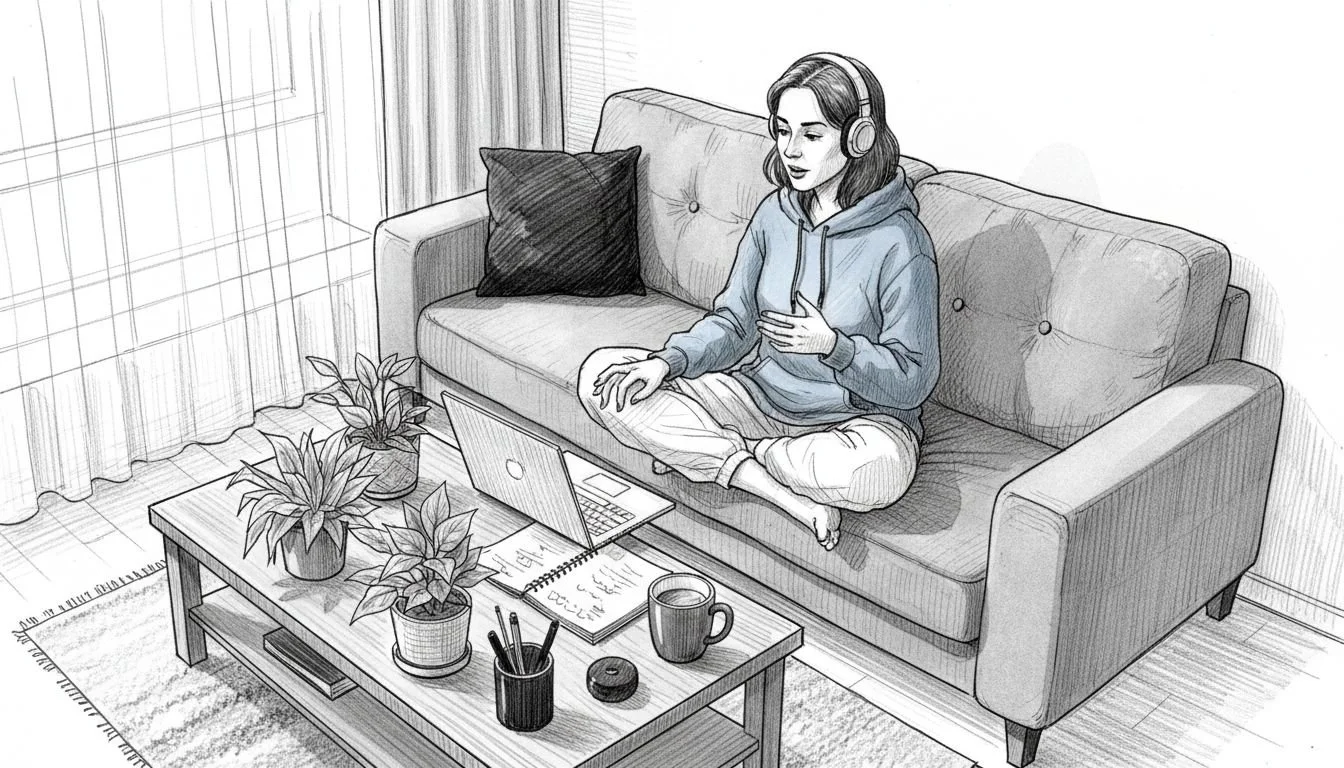
Most American adults will experience at least one traumatic event in their lives, yet only a fraction seek specialized support for healing. Trauma is not just a distant problem—its effects can ripple through every relationship and daily routine. Whether you are looking to understand trauma’s impact or discover practical strategies for recovery, these insights offer real-world steps toward building resilience and reclaiming your sense of safety.
Table of Contents
Quick Summary
| Takeaway | Explanation |
|---|---|
| 1. Recognize Trauma’s Complexity | Understanding trauma’s psychological and physiological impact is crucial for healing. It reshapes perceptions and responses to situations. |
| Variety of Approaches | Multiple therapeutic modalities, such as Cognitive Behavioral Therapy and Dialectical Behavior Therapy, can be effectively delivered online. |
| 2. Create a Supportive Healing Environment | Design spaces that promote safety and comfort to facilitate emotional restoration during recovery. Both physical and psychological aspects matter. |
| 3. Utilize Grounding Techniques Regularly | Engage in grounding exercises to stay present and manage overwhelming emotions effectively. These techniques can help interrupt trauma responses. |
| 4. Establish Healthy Relationship Boundaries | Clear emotional, physical, and communication boundaries protect your well-being and foster healthier relationships, preventing re-traumatization. |
| 5. Prioritize Comprehensive Self-Care | Self-care involves physical, emotional, and spiritual practices that nurture your nervous system and restore a sense of safety essential for recovery. |
1. Understand Trauma and Its Impact
Trauma is more than just a challenging experience - it’s a profound psychological and physiological response that can fundamentally reshape how a person experiences the world. According to the Substance Abuse and Mental Health Services Administration (SAMHSA), trauma represents events that are physically or emotionally harmful and can have lasting adverse effects on an individual’s overall well-being.
At its core, trauma disrupts your sense of safety, security, and predictability. When you experience a traumatic event, your brain’s natural threat response system becomes activated, triggering intense survival mechanisms that can persist long after the original danger has passed. This means your body might continue to react as if you are still under threat, even when you are actually safe.
Key Characteristics of Trauma
• Unpredictable and overwhelming experience • Threatens physical or emotional survival • Exceeds your ability to cope • Produces feelings of helplessness and vulnerability
Traumatic experiences can stem from various sources - such as childhood abuse, violent encounters, natural disasters, sudden loss, or prolonged exposure to stressful environments. What makes an experience traumatic is not necessarily the event itself, but how your nervous system processes and responds to that event.
Understanding trauma requires recognizing that its impact goes far beyond immediate emotional responses. Trauma can rewire neural pathways, influence your perception of relationships, and create complex psychological defense mechanisms designed to protect you from perceived future harm. This means healing requires a comprehensive approach that addresses both psychological and physiological dimensions.
By acknowledging trauma as a legitimate and complex experience, you take the first crucial step toward recovery. Recognizing that your reactions are normal responses to abnormal experiences can help reduce self-judgment and create space for compassionate healing.
2. Build a Supportive Healing Environment
Building a supportive healing environment is crucial for trauma recovery, creating a safe space where emotional restoration can genuinely begin. Research from the Cleveland Clinic Journal of Medicine demonstrates how strategic environmental design can significantly reduce disease burden and accelerate healing time.
What Makes a Healing Environment
A supportive healing environment goes beyond physical space. It encompasses psychological safety, emotional comfort, and intentional design that promotes well-being. This means creating surroundings that reduce stress, provide sensory regulation, and offer a sense of personal control.
Key Elements of a Trauma Sensitive Space
• Minimize sudden loud noises • Ensure physical safety and predictability • Create comfortable, soft lighting • Provide spaces for both connection and solitude • Use calming color palettes • Include elements of nature when possible
Physical environments profoundly impact our nervous system. Soft textures, warm lighting, and organized spaces can help signal to your brain that you are safe. Think about your personal space as a sanctuary designed specifically for healing.
Practically, this might mean decluttering your living area, adding plants for natural calm, using weighted blankets for grounding, or creating a dedicated meditation corner. Small adjustments can transform a regular space into a therapeutic environment that supports your healing journey.
Remember that healing is not linear. Your supportive environment should be flexible, allowing you to adapt and change as you progress through your recovery. Patience with yourself and your surroundings is key to creating a truly nurturing healing space.
3. Practice Mindful Grounding Techniques
Mindful grounding techniques are powerful tools that help you reconnect with the present moment and manage overwhelming traumatic stress responses. Research from Valdosta State University highlights how these techniques can effectively help individuals stay present and manage distressing thoughts and feelings.
What Are Grounding Techniques?
Grounding techniques are practical strategies that help you anchor yourself in the present moment when trauma memories or intense emotions threaten to overwhelm you. These methods work by engaging your senses and redirecting your attention from internal distress to external reality.
Simple Grounding Techniques to Try
• 5 4 3 2 1 Sensory Method
Identify 5 things you can see
Notice 4 things you can touch
Listen for 3 sounds around you
Recognize 2 things you can smell
Acknowledge 1 thing you can taste
• Physical Anchoring Strategies
Press your feet firmly into the ground
Hold a textured object
Use deep belly breathing
Carry a small comforting item
Your nervous system responds powerfully to sensory input. When you feel triggered or disconnected, these techniques interrupt the trauma response by bringing your attention back to the immediate physical environment. Think of them as emergency reset buttons for your emotional state.
Practice these techniques regularly, even when you are not feeling distressed. This builds muscle memory, making them more accessible during challenging moments. Remember that healing is not about perfection but about developing compassionate tools that support your emotional well-being.
4. Explore EMDR and Evidence-Based Therapies
Healing from trauma requires more than traditional talk therapy. Research from the journal of Psychological Trauma highlights the importance of specialized evidence-based therapies that can transform how we process and recover from traumatic experiences.
Understanding Evidence-Based Trauma Therapies
Evidence-based therapies are scientifically validated treatments designed to address the complex neurological and psychological impacts of trauma. These approaches go beyond traditional counseling by directly targeting how traumatic memories are stored and processed in the brain.
Key Evidence-Based Therapies
EMDR (Eye Movement Desensitization and Reprocessing) • Helps reprocess traumatic memories • Uses bilateral stimulation to reduce emotional distress • Helps the brain reintegrate traumatic experiences • Typically requires 6-12 sessions
Additional Evidence-Based Approaches • Cognitive Processing Therapy (CPT) • Prolonged Exposure Therapy • Trauma Focused Cognitive Behavioral Therapy
EMDR works by helping your brain reprocess traumatic memories, reducing their emotional charge. Imagine your brain like a filing system where traumatic memories are stuck in a chaotic, unresolved state. This therapy helps reorganize those memories, making them less emotionally triggering.
Choosing the right therapy is a personal journey. Work with a trauma informed professional who can assess your specific needs and recommend the most appropriate treatment approach. Remember that healing is possible and you deserve compassionate, effective support.
5. Set Healthy Boundaries in Relationships
Understanding Relationship Boundaries
Boundaries are invisible lines that define where you end and another person begins. For trauma survivors, establishing clear boundaries is not just important its fundamental to emotional safety and personal empowerment.
Types of Boundaries to Explore
Emotional Boundaries • Protect your emotional energy • Define what you will and will not tolerate • Allow you to say no without guilt • Communicate your needs clearly
Physical Boundaries • Protect personal space • Control physical touch and proximity • Communicate comfort levels • Respect personal autonomy
Communication Boundaries • Set limits on conversation topics • Define acceptable communication styles • Establish response time expectations • Protect yourself from verbal manipulation
Think of boundaries like a flexible fence around your emotional and physical self. They are not walls that completely block connection but strategic filters that allow healthy interactions while protecting your well-being.
Practicing boundary setting is a skill. Start small. Use clear statements like I feel uncomfortable when… or I need some space right now. Remember that healthy relationships respect your boundaries without making you feel guilty or defensive.
6. Prioritize Self-Care and Restorative Activities
The Substance Abuse and Mental Health Services Administration emphasizes that self-care is not a luxury but a critical component of trauma recovery and overall well-being.
Understanding Self-Care Beyond Basic Maintenance
Self-care for trauma survivors goes deeper than occasional bubble baths or quick relaxation techniques. It is a comprehensive approach to rebuilding your sense of safety, nurturing your nervous system, and reclaiming your personal power.
Holistic Self-Care Dimensions
Physical Self-Care • Regular gentle exercise • Consistent sleep schedule • Nutritious whole foods • Adequate hydration • Regular medical checkups
Emotional Self-Care • Journaling • Creative expression • Therapeutic support • Mindfulness practices • Emotional validation
Spiritual Self-Care • Meditation • Nature connection • Meaningful rituals • Gratitude practices • Exploring personal values
Think of self-care as a daily commitment to yourself. Small consistent actions create profound healing. Your nervous system needs predictable, nurturing experiences to rewire traumatic response patterns.
Remember that self-care looks different for everyone. Be patient and compassionate with yourself as you discover practices that genuinely restore and support your unique healing journey.
7. Seek Culturally Sensitive and Identity-Affirming Help
SAMHSA emphasizes that trauma recovery requires understanding how individual cultural and personal identities profoundly shape healing experiences.
Understanding Cultural Sensitivity in Trauma Recovery
Culturally sensitive therapy recognizes that trauma impacts individuals differently based on their unique background, identity, and lived experiences. It is not a onesize fits all approach but a nuanced understanding that your cultural context deeply influences how you process and heal from traumatic experiences.
Key Aspects of Identity Affirming Support
Cultural Competence • Therapists who understand your cultural background • Respect for your cultural traditions • Language accessibility • Recognition of systemic oppression • Validation of cultural experiences
Identity Affirmation • Acknowledging intersectional experiences • Respecting gender identity • Supporting sexual orientation • Celebrating racial and ethnic diversity • Recognizing immigration and generational trauma
Looking for a therapist is like finding a trusted companion on your healing journey. You want someone who sees you fully not just as a collection of symptoms but as a complex human with rich cultural experiences.
Trust your intuition. A truly supportive therapeutic relationship feels safe, validating, and empowering. Do not settle for professionals who minimize your experiences or fail to recognize the depth of your cultural identity.
Below is a comprehensive table summarizing the main concepts and strategies for understanding and healing trauma discussed throughout the article.
| Topic | Description | Key Considerations |
|---|---|---|
| Understanding Trauma | Trauma is a profound response disrupting safety and security. | Recognizing trauma’s profound effects on neural pathways is crucial. |
| Creating a Healing Environment | Supportive spaces that promote psychological safety and emotional comfort. | Design spaces with calming elements like soft lighting and nature. |
| Grounding Techniques | Strategies to stay present and manage distressing thoughts. | Techniques like the 5–4–3–2–1 sensory method can be beneficial. |
| Evidence-Based Therapies | Specialized therapies, like EMDR, reprocess traumatic memories. | Choosing the right therapy requires a trauma-informed professional. |
| Setting Boundaries | Establishing limits to protect emotional and physical well-being. | Clear communication and the ability to say no are vital. |
| Self-Care Practices | Comprehensive approach to nurturing and reclaiming safety. | Includes physical, emotional, and spiritual self-care dimensions. |
| Culturally Sensitive Help | Recognizes the influence of cultural identities on healing. | Therapists should respect and validate diverse cultural experiences. |
Take the Next Step Toward Lasting Trauma Recovery with Expert Support
Recovering from trauma requires more than understanding the challenges it brings it demands compassionate, trauma-informed care that addresses both your psychological and physiological healing needs. If you find yourself navigating overwhelming emotions, seeking mindful grounding techniques, or wanting to explore evidence-based therapies like EMDR, our licensed therapists are here to help.
Discover the healing power of specialized therapy at Alvarado Therapy. Serving clients in Ventura CA (in person) and across California online, our bilingual, culturally sensitive team offers tailored support designed to honor your unique experiences and identity. Visit our Ventura CA (in person) — Meet Our Team — Alvarado Therapy page to meet compassionate professionals ready to guide you. Start your healing journey today through Alvarado Therapy and gain the tools, safety, and empowerment you deserve.
Frequently Asked Questions
What are the key characteristics of trauma?
Trauma is characterized by unpredictable and overwhelming experiences that threaten a person’s physical or emotional survival. To better understand your trauma, reflect on feelings of helplessness and vulnerability that may arise from your experiences.
How can I create a supportive healing environment at home?
To build a supportive healing environment, focus on reducing stress and fostering emotional comfort. Start by decluttering your space, using calming colors, and introducing elements of nature, such as plants, within a few days.
What are effective grounding techniques for managing trauma stress?
Effective grounding techniques involve anchoring yourself in the present moment when feelings become overwhelming. Practice the 5 4 3 2 1 method, which includes identifying five things you see and one thing you taste when feeling distressed.
How can EMDR therapy help with trauma recovery?
EMDR therapy can help reprocess traumatic memories, significantly reducing their emotional charge. If you’re considering this approach, seek a qualified therapist and aim for 6-12 sessions to experience transformative changes in your healing journey.
What self-care practices are essential for trauma survivors?
Self-care for trauma survivors involves holistic approaches addressing physical, emotional, and spiritual well-being. Commit to daily activities like gentle exercise and mindfulness practices, aiming for at least 30 minutes each day to nurture your recovery.
How do I find a culturally sensitive therapist?
To find a culturally sensitive therapist, look for professionals who acknowledge and respect your cultural background and unique identity. Consider reaching out to local mental health organizations that specialize in providing support tailored to diverse experiences.
Recommended
7 Essential Tips for Healing Childhood Trauma Naturally
— Alvarado TherapyRole of Trauma in Relationships – Impacts and Healing — Alvarado Therapy
7 Key Examples of Trauma Symptoms Adults Should Know
— Alvarado Therapy8 Expert Relationship Healing Tips for Trauma Survivors — Alvarado Therapy
Complete Guide to Detox Symptoms and Healing - Mahoney inter
Ready to see what’s possible?
It’s your time to heal in a transformative way.
