
Why Choose Grief Counseling for Healing Loss
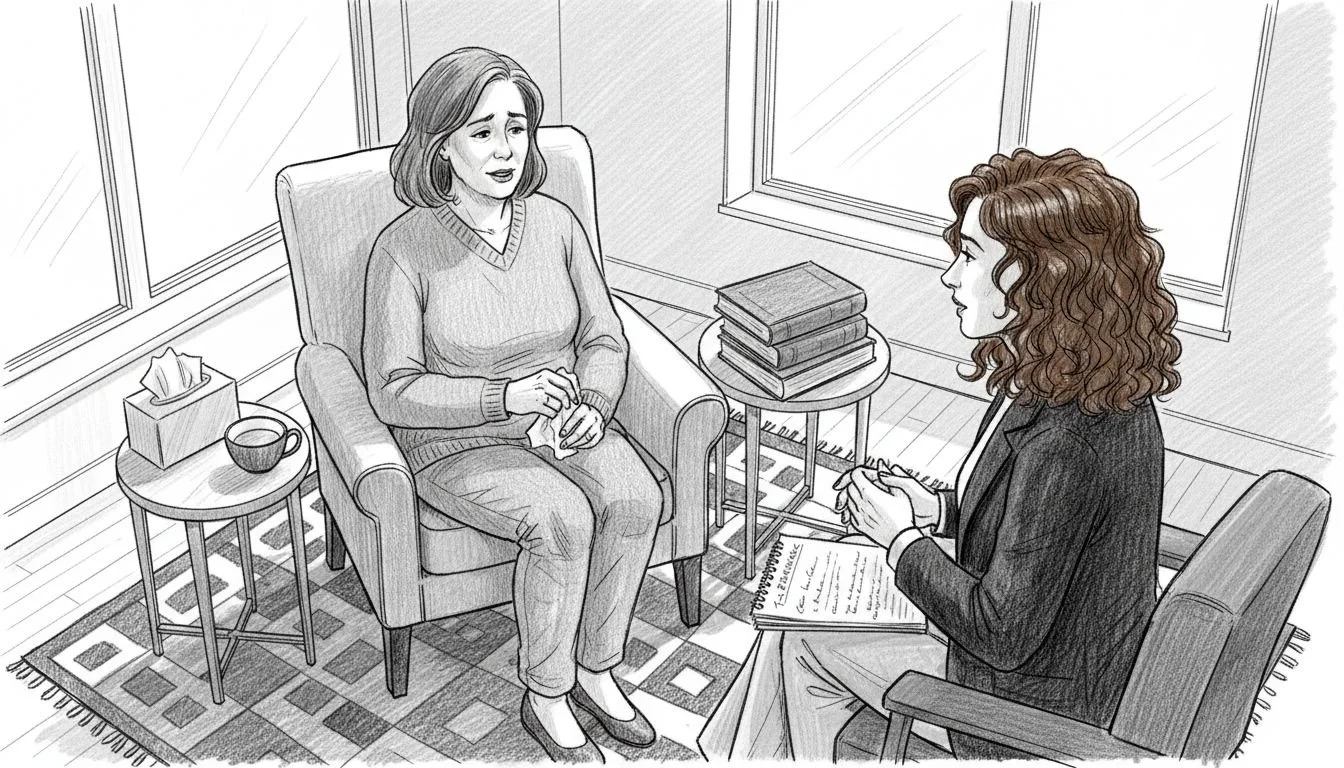
Nearly one in four American adults will face a significant loss each year, yet many struggle to find the right support for their grief. The complex emotions that follow loss can feel overwhelming and isolating, making it difficult to move forward. Understanding how grief counseling works and why it matters can be essential for those seeking healing, offering comfort and guidance when answers often seem out of reach.
Table of Contents
Key Takeaways
| Point | Details |
|---|---|
| Purpose of Grief Counseling | Grief counseling helps individuals process complex emotions related to loss and develop healthy coping mechanisms. |
| Approaches in Grief Counseling | Various evidence-based therapeutic approaches, such as CBT and CGT, support unique emotional healing journeys. |
| Benefits of Professional Support | Professional grief counselors provide a safe space for emotional validation and personalized strategies to facilitate healing. |
| Comparison with Informal Support | While personal support networks offer comfort, professional grief counseling provides structured techniques to navigate complex grief. |
Defining Grief Counseling and Its Purpose
Grief counseling is a specialized form of therapy designed to help individuals navigate the complex emotional landscape of loss. Trained professionals assist people in processing normal feelings of sorrow following significant life changes or traumatic experiences. Unlike generic emotional support, grief counseling provides structured, compassionate guidance tailored to each person’s unique grieving journey.
Grief is not a linear experience but a deeply personal emotional response that can manifest differently for everyone. Professional counseling approaches recognize that grief encompasses a wide range of feelings from deep sadness to anger, helping individuals understand and validate their emotional experiences. This therapeutic approach acknowledges that loss extends far beyond the death of a loved one and can include significant life transitions like divorce, job loss, or chronic illness.
The primary purpose of grief counseling is to create a safe, supportive environment where individuals can:
Acknowledge and express their emotions without judgment
Develop healthy coping mechanisms
Understand the stages of grief
Learn strategies for emotional resilience
Process complex feelings of loss and trauma
By offering professional support, grief counseling helps people transform their pain into healing, enabling them to gradually reconstruct their sense of meaning and move forward with renewed hope and emotional strength.
Types of Grief Counseling Approaches
Grief counseling encompasses several evidence-based therapeutic approaches designed to support individuals through complex emotional healing. Clinical research identifies multiple structured methods for addressing grief and loss, each targeting different aspects of the emotional recovery process.
Cognitive Behavioral Therapy (CBT) stands out as a primary approach in grief counseling. Therapeutic strategies focus on reframing negative thought patterns and developing healthier emotional regulation techniques. This method helps individuals recognize and transform destructive thinking cycles that can emerge during periods of intense emotional pain, enabling more adaptive responses to loss.
The primary grief counseling approaches include:
Cognitive Behavioral Therapy (CBT): Addressing negative thought patterns
Complicated Grief Therapy (CGT): Targeting prolonged grief responses
Acceptance and Commitment Therapy (ACT): Promoting mindful emotional processing
Traumatic Grief Component Therapy: Supporting individuals experiencing trauma-related loss
Each therapeutic approach offers unique strategies for healing, recognizing that grief is a deeply personal journey. By providing tailored interventions, grief counselors help individuals navigate their emotional landscape, ultimately supporting their path toward resilience and renewed hope.
How Grief Counseling Supports Trauma Recovery
Trauma and grief are intimately interconnected emotional experiences that can profoundly impact an individual’s psychological well-being. Psychotherapy provides critical support in alleviating self-destructive emotions and stimulating psychological strength after experiencing significant loss or traumatic events.

Mindfulness techniques play a crucial role in trauma recovery through grief counseling. Specialized training helps individuals observe their emotional experiences nonjudgmentally, reducing maladaptive thought patterns and decreasing grief-related emotional intensity. These approaches enable clients to develop healthier coping mechanisms and emotional regulation skills.
Key strategies for supporting trauma recovery through grief counseling include:
Developing emotional awareness and self-compassion
Learning stress management techniques
Processing unresolved emotional wounds
Rebuilding personal narrative and meaning
Creating sustainable emotional resilience
By providing a compassionate, structured approach to healing, grief counseling helps individuals transform painful experiences into opportunities for personal growth, ultimately supporting their journey toward emotional restoration and psychological renewal.
Benefits of Professional Support in Grief
Professional grief counseling offers a structured, compassionate approach to navigating the complex emotional terrain of loss. Through specialized talk therapy techniques, individuals can explore their grieving process and develop essential coping skills, transforming their pain into a pathway for healing and personal growth.
Emotional validation stands as a cornerstone of professional grief support. Unlike informal conversations with friends or family, trained counselors provide a non-judgmental space where individuals can express their deepest feelings without fear of misunderstanding or minimization. This approach helps normalize the diverse and often overwhelming emotional experiences that accompany significant loss.
Key benefits of professional grief support include:
Creating a safe, confidential environment for emotional expression
Developing personalized strategies for emotional regulation
Learning healthy mechanisms to process complex grief
Understanding the unique stages of individual grief
Preventing long-term psychological complications
Building resilience and emotional strength
By offering expert guidance and compassionate support, grief counselors help individuals transform their pain into meaningful personal growth, ultimately supporting their journey toward emotional healing and renewed hope.
Comparing Grief Counseling to Other Options
Grief is a deeply personal experience that requires nuanced support strategies. Professional counseling offers multiple approaches, including individual, family, and group support methods, each designed to address different emotional needs and processing styles.
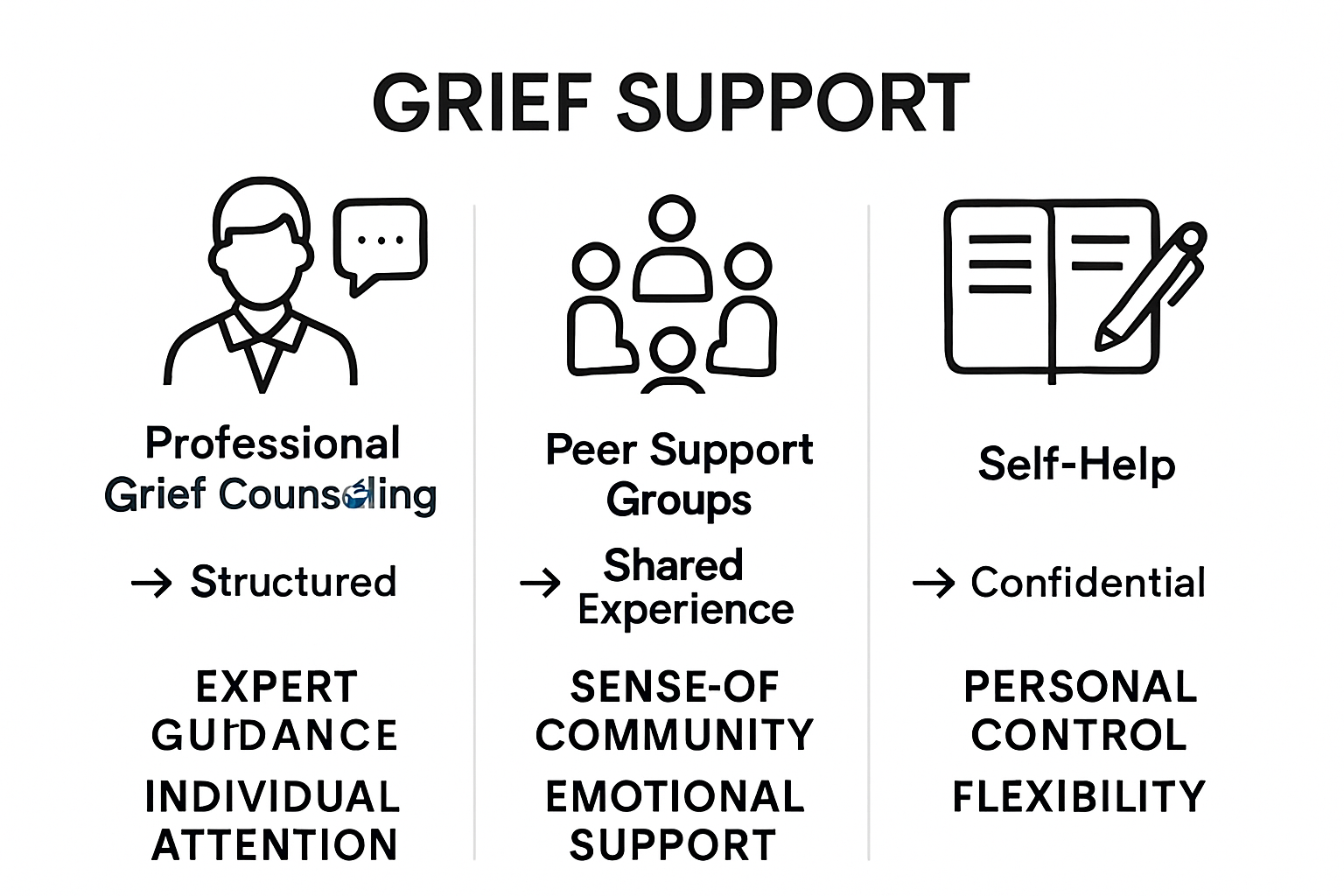
Personal support networks like friends and family often provide immediate comfort, but lack the structured professional guidance that trained grief counselors can offer. While informal support is valuable, it may not provide the specialized techniques needed to navigate complex emotional landscapes. Professional counselors bring objective, evidence-based strategies that help individuals process grief more effectively and prevent long-term psychological complications.
Comparative support options include:
Informal conversations with friends and family
Support groups with shared experiences
Online grief resources and forums
Professional individual counseling
Group therapy sessions
Spiritual or religious counseling
Comprehensive grief recovery strategies emphasize personalized coping mechanisms, including journaling, quiet reflection, self-care practices, and structured emotional processing. Unlike generic support methods, professional grief counseling provides targeted interventions that help individuals transform their pain into meaningful personal growth and emotional resilience.
Find Compassionate Support for Healing Loss With Expert Grief Counseling
Loss can feel overwhelming and isolating. The challenge of navigating intense emotions like grief and trauma demands more than just time—it requires understanding, validation, and professional guidance. If you are struggling to process your sorrow or seeking healthy coping methods described in grief counseling, you do not have to face this journey alone.
At Alvarado Therapy, our California-based licensed therapists provide trauma-informed care tailored to help you rebuild emotional resilience. Whether you are in Ventura or connecting with us online across California, our team specializes in grief counseling approaches including EMDR therapy and comprehensive individual support.

Take the first step toward healing by exploring our California — Meet Our Team — Alvarado Therapy page to find a therapist who understands your unique grief journey. Discover compassionate, culturally responsive mental health care that respects your identity and supports your growth. Visit Alvarado Therapy now to schedule a confidential appointment and start moving forward with renewed hope and strength.
Frequently Asked Questions
What is grief counseling?
Grief counseling is a specialized form of therapy aimed at helping individuals process their emotions and navigate the complex journey of loss. It provides structured support tailored to each person’s unique grieving experience.
How does grief counseling differ from support from friends and family?
While friends and family offer immediate comfort, grief counseling provides structured professional guidance that incorporates evidence-based therapeutic strategies to effectively address complex emotional landscapes and prevent long-term psychological complications.
What are the benefits of seeking professional grief counseling?
Professional grief counseling offers a safe and confidential environment for emotional expression, personalized strategies for emotional regulation, prevention of long-term psychological issues, and the development of resilience and emotional strength.
What approaches are used in grief counseling?
Grief counseling utilizes multiple evidence-based therapeutic approaches, including Cognitive Behavioral Therapy (CBT), Complicated Grief Therapy (CGT), and Acceptance and Commitment Therapy (ACT). Each method focuses on different aspects of emotional healing and coping with grief.
Recommended
Complete Guide to Grief Counseling Support
— Alvarado TherapyComplete Guide to Therapy in Grief Recovery — Alvarado Therapy
Grief Therapy Approaches 2025: Complete Guide — Alvarado Therapy
Complete Guide to EMDR’s Role in Grief Healing — Alvarado Therapy
EMDR Therapy in Los Angeles | Mental Health & Addiction Treatment
