
Role of Trauma in Relationships – Impacts and Healing
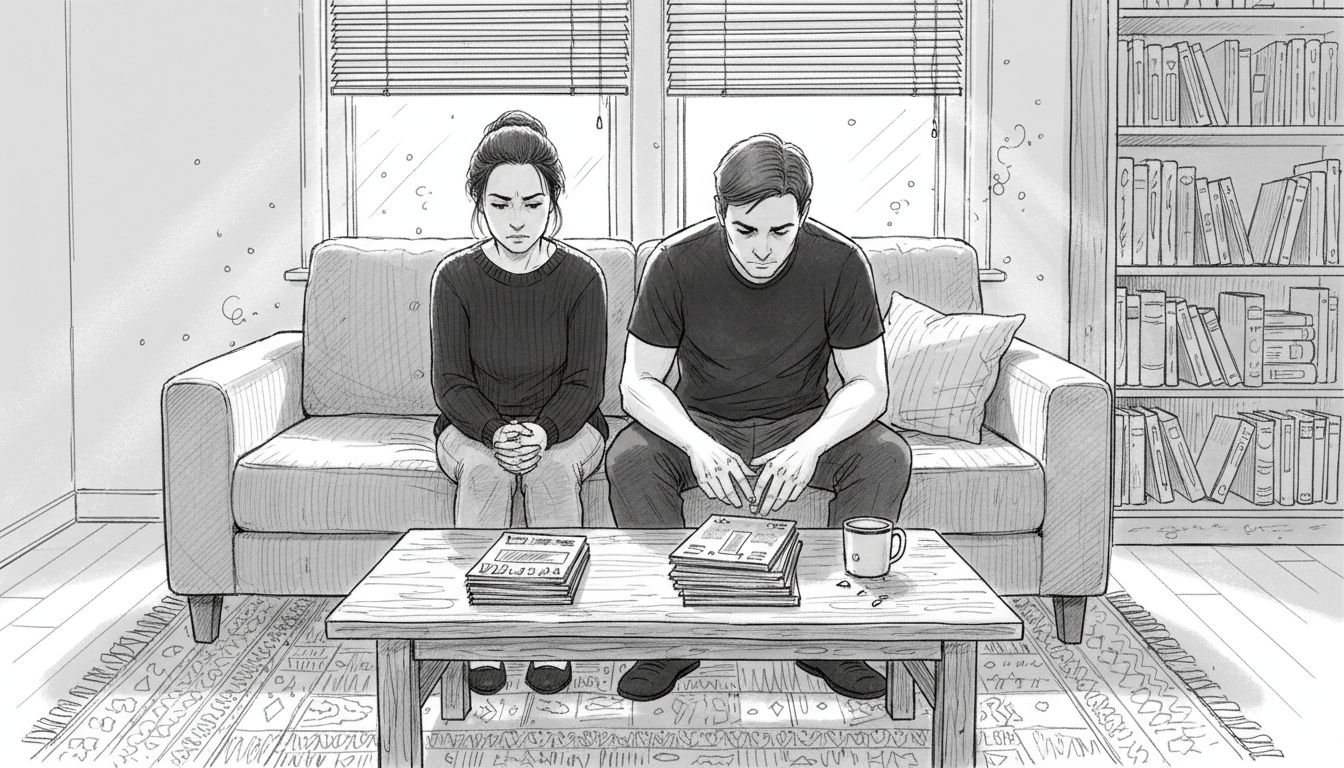
Over 60 percent of American adults report experiencing at least one traumatic event in their lifetime. Trauma quietly reshapes relationships, influencing trust, communication, and emotional safety in ways many never expect. When unresolved, its effects can ripple through every interaction, challenging both partners and families. This guide reveals how trauma takes root in American relationships, why it matters for emotional connection, and what steps lead to real healing and stronger bonds.
Table of Contents
Key Takeaways
| Point | Details |
|---|---|
| Understanding Trauma | Trauma deeply impacts an individual’s sense of safety and relationships, shaping how they connect with others. |
| Types of Trauma | Acute, chronic, and complex trauma each uniquely affect relational dynamics and attachment styles. |
| Attachment and Trust | Trauma disrupts the ability to form secure attachments, leading to emotional guardedness and difficulty with intimacy. |
| Healing Strategies | Trauma-informed therapy is essential, promoting emotional regulation, communication, and mutual empathy to rebuild relationships. |
Defining Trauma and Its Relationship Impact
Trauma is a profound psychological experience that fundamentally disrupts an individual’s sense of safety, security, and connection. When someone experiences a traumatic event that threatens physical integrity, the emotional and psychological impact can deeply transform how they perceive relationships, themselves, and the world around them.
At its core, trauma represents more than just a singular event. It involves intense experiences of fear, helplessness, and overwhelming emotional distress that can fundamentally alter an individual’s neurological and psychological functioning. Traumatic experiences create lasting psychological imprints that extend far beyond the initial incident, often reshaping how individuals form attachments, communicate emotions, and navigate interpersonal connections.
The relationship impact of trauma can manifest in multiple complex ways. Survivors might struggle with trust, experience heightened emotional reactivity, or develop protective mechanisms that inadvertently create distance in intimate relationships. These adaptive responses - while originally designed to protect the individual - can create significant challenges in forming and maintaining healthy, secure emotional bonds. Common relationship patterns among trauma survivors might include hypervigilance, emotional disconnection, difficulty with vulnerability, and an underlying fear of potential re-traumatization.
Understanding trauma requires recognizing that its effects are deeply personal and uniquely experienced. No two individuals will process or respond to traumatic experiences identically, which means healing is not a linear journey but a nuanced, individualized path of recovery and resilience. Professional support, compassionate understanding, and evidence-based therapeutic approaches can help individuals gradually rebuild a sense of safety, reclaim their emotional agency, and develop healthier relationship dynamics.
Types of Trauma Affecting Relationships
Trauma exists in multiple complex forms, each with distinct characteristics that profoundly impact relationship dynamics. Psychological research identifies several critical trauma categories that shape how individuals experience emotional connections and interpersonal interactions, including acute, chronic, and complex trauma.
Acute trauma emerges from a single intense, overwhelming event like a violent assault, severe accident, or natural disaster. These experiences can create immediate psychological disruption, triggering intense emotional responses that challenge an individual’s ability to maintain stable relationships. Interpersonal trauma research reveals that such experiences often generate heightened hypervigilance, making it difficult for survivors to trust and form secure emotional bonds.
In contrast, chronic trauma develops through repeated, prolonged exposure to distressing situations such as domestic violence, ongoing childhood abuse, or persistent community violence. This type of trauma fundamentally alters an individual’s neurological and emotional processing, creating deep-seated relational patterns characterized by emotional guardedness, difficulty with vulnerability, and complex attachment challenges. Survivors might unconsciously recreate traumatic relationship dynamics or struggle to establish healthy boundaries.
The most intricate form, complex trauma, emerges from sustained interpersonal traumatization during developmental stages, typically involving childhood abuse, neglect, or prolonged exposure to unstable environments. These experiences can profoundly reshape an individual’s core understanding of relationships, self-worth, and emotional safety. Complex trauma survivors often face significant challenges in forming intimate connections, managing emotional regulation, and maintaining consistent, trusting relationships. Professional therapeutic support becomes crucial in helping individuals recognize, process, and gradually heal from these deeply embedded traumatic experiences.
How Trauma Shapes Attachment and Trust
Attachment represents the fundamental emotional blueprint through which individuals connect and form relationships. Trauma profoundly disrupts this intricate psychological mechanism, creating complex patterns of emotional guardedness and relational uncertainty that can persist throughout an individual’s lifetime.
Childhood trauma particularly undermines the development of secure attachment, creating lasting psychological adaptations that fundamentally alter how individuals perceive intimacy and trust. Research demonstrates that childhood traumatic experiences significantly impact romantic relationship satisfaction, often generating protective psychological mechanisms that inadvertently sabotage potential connections. Survivors might develop hypervigilant attachment styles - oscillating between intense emotional neediness and extreme emotional withdrawal - as unconscious strategies for self-preservation.
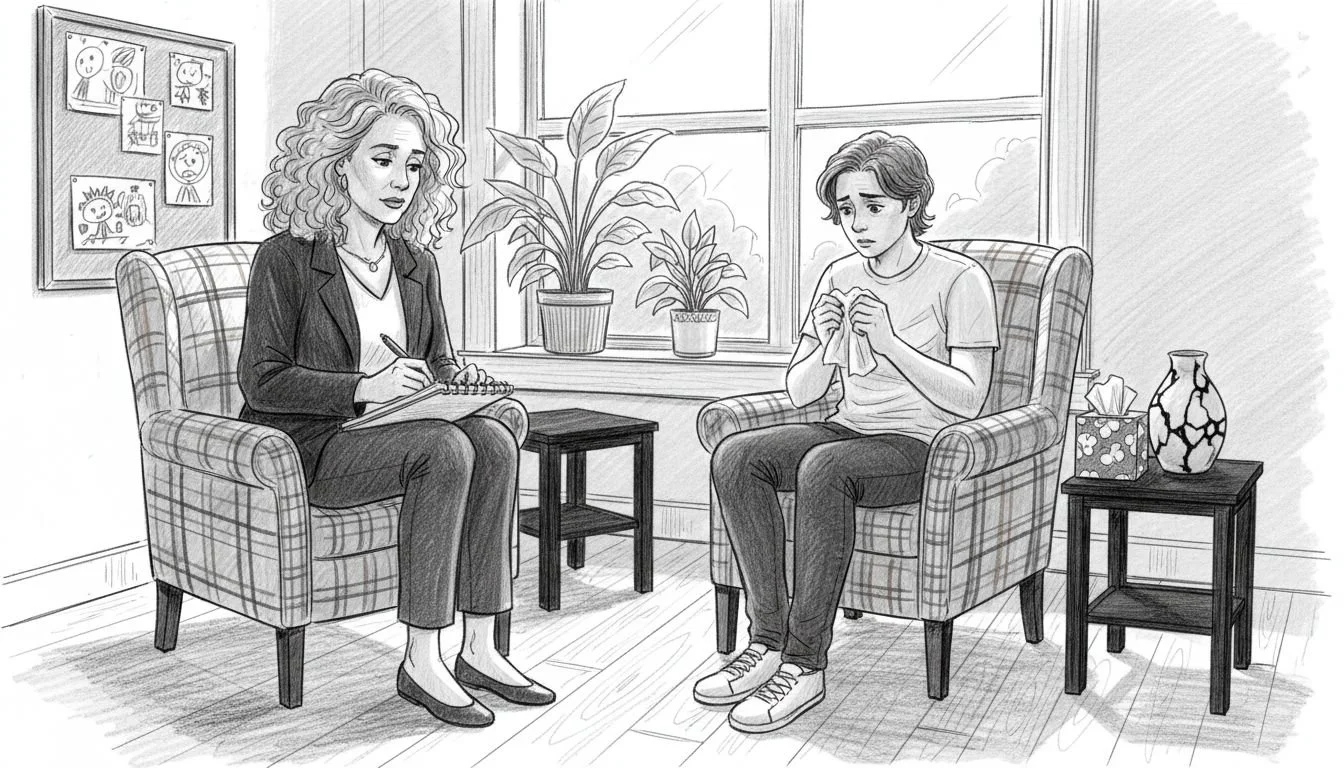
The neurological impact of trauma transforms how individuals process emotional safety and vulnerability. Traumatized individuals often develop insecure attachment styles such as anxious-preoccupied, dismissive-avoidant, or fearful-avoidant patterns. These attachment adaptations emerge as survival mechanisms, creating intricate emotional defense systems that shield individuals from potential re-traumatization while simultaneously preventing deep, authentic connection. Trust becomes a complex negotiation, with survivors constantly managing internal threat assessments that can make sustained intimacy challenging.
Healing attachment wounds requires gentle, patient therapeutic approaches that help individuals recognize their protective patterns, rebuild a sense of safety, and gradually develop more secure relational strategies. Professional support can help trauma survivors understand their attachment adaptations, process underlying emotional wounds, and cultivate healthier, more resilient ways of connecting with themselves and others.
Recognizing Trauma Responses in Partners
Trauma responses manifest in complex and often subtle ways within intimate relationships, creating intricate patterns of emotional and behavioral reactions that can profoundly challenge partnership dynamics. The Dyadic Responses to Trauma (DRT) Model illuminates how traumatic experiences fundamentally reshape interpersonal interactions, revealing nuanced ways partners may unconsciously protect themselves from perceived emotional threats.
Survivors of trauma frequently display distinctive relational patterns that can be challenging to recognize. Traumatic experiences often drive partners toward emotional isolation or protective distancing, manifesting through behaviors such as unexpected emotional withdrawal, hypervigilance, intense emotional reactivity, or seemingly unpredictable mood shifts. These responses are not intentional manipulations but sophisticated survival mechanisms developed to manage unresolved psychological wounds.
Key trauma responses in partners might include persistent anxiety about abandonment, difficulty maintaining emotional intimacy, exaggerated startle responses, frequent dissociation during conflict, or oscillating between extreme emotional neediness and complete emotional shutdown. Traumatized individuals may struggle with trust, constantly scanning their environment for potential threats, and experiencing heightened physiological stress responses that can make sustained emotional connection feel overwhelming and unsafe.
Recognizing these trauma responses requires compassionate, patient understanding. Partners must approach these complex emotional landscapes with empathy, understanding that these behaviors represent adaptive strategies developed during times of profound vulnerability. Professional therapeutic support can help couples navigate these challenges, providing tools to understand trauma’s impact, rebuild trust, and create more secure, resilient relationship foundations.
Healing Strategies for Trauma-Affected Couples
Healing trauma within romantic relationships requires a comprehensive, compassionate approach that addresses both individual and collective emotional experiences. Diverse intervention strategies can support trauma recovery, encompassing psychological, relational, and therapeutic approaches designed to rebuild trust, emotional safety, and mutual understanding.
Trauma-informed couples therapy emphasizes creating a supportive environment where both partners feel validated and heard. Recognizing and resisting potential re-traumatization becomes a critical component of healing, requiring therapists and partners to develop deep awareness of triggers, communication patterns, and emotional vulnerabilities. This approach involves developing shared language around trauma, practicing active listening, and creating collaborative strategies for managing challenging emotional moments.
Key healing strategies include developing emotional regulation skills, practicing vulnerable communication, establishing clear boundaries, and cultivating mutual empathy. Couples might engage in specialized therapeutic modalities like Eye Movement Desensitization and Reprocessing (EMDR), attachment-based therapy, or somatic experiencing techniques that help process unresolved traumatic memories. Individual and joint therapeutic work can help partners understand trauma’s neurological impacts, recognize survival mechanisms, and develop healthier relational patterns.
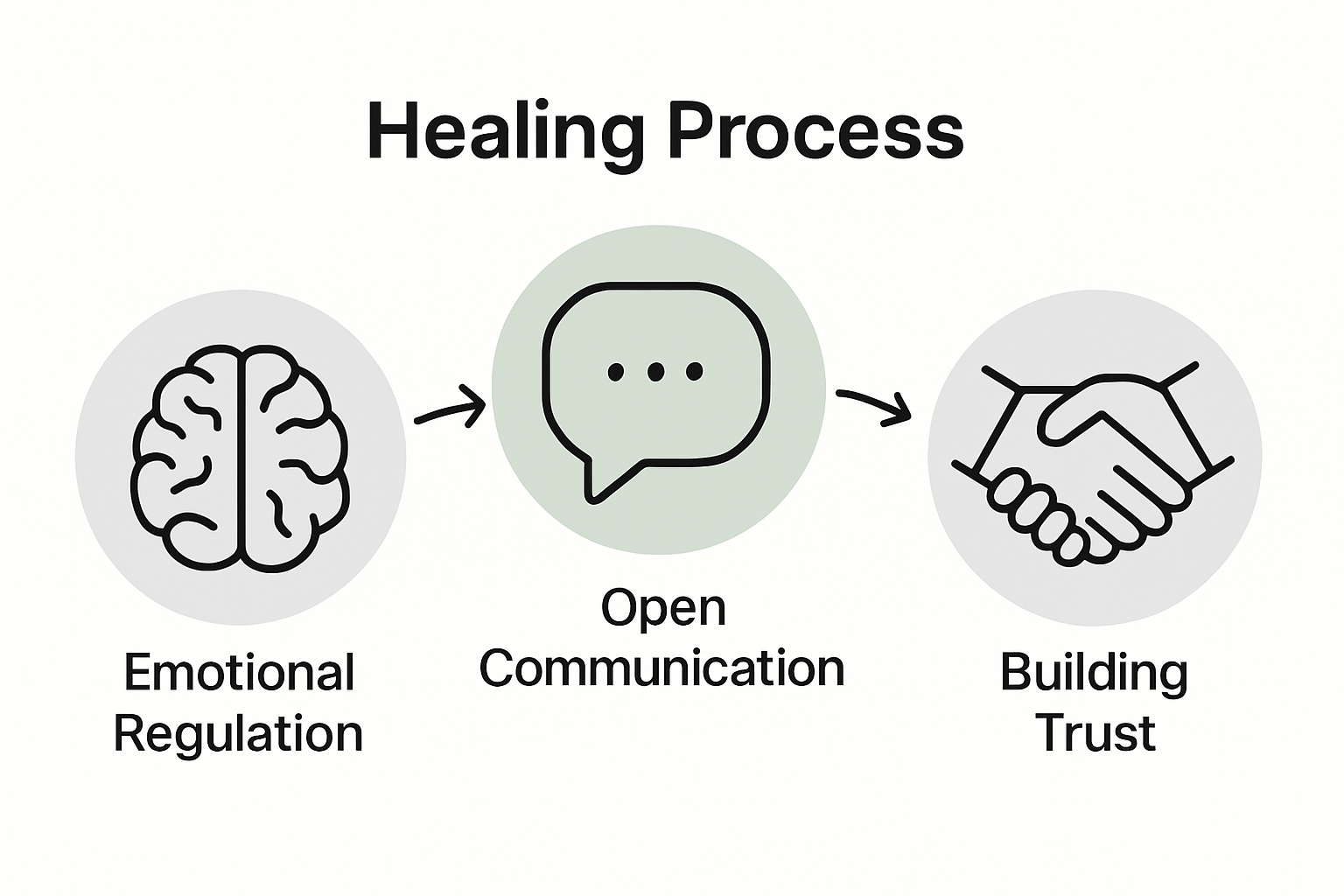
Successful trauma recovery is not about completely eliminating painful memories but about transforming how those memories are experienced and integrated. By approaching healing as a collaborative journey, trauma-affected couples can gradually rebuild trust, develop more resilient emotional connections, and create a shared narrative of strength, compassion, and mutual growth.
Rebuild Trust and Connection Through Trauma-Informed Care
If trauma is influencing your relationships with feelings of mistrust, emotional disconnection, or recurring patterns of pain, you are not alone. Healing from complex trauma and attachment wounds takes intentional support that understands the unique impact trauma has on emotional safety and intimacy. At Alvarado Therapy, our licensed therapists specialize in trauma-informed approaches like EMDR and couples therapy to help you and your partner navigate these challenges and create secure, resilient bonds.
Take the first step toward restoring emotional connection by meeting our compassionate team available Online in California or in person in Ventura CA. Visit Alvarado Therapy now to learn how trauma-sensitive therapy can guide your healing journey. Don’t wait to reclaim safety, clarity, and love in your relationships.
Frequently Asked Questions
What is trauma and how does it impact relationships?
Trauma is a profound psychological experience that disrupts an individual’s sense of safety and connection. It can affect how individuals form attachments and communicate emotions, often leading to challenges like distrust and emotional disconnection in relationships.
What are the different types of trauma that can affect relationships?
The main types of trauma include acute trauma, which arises from a single overwhelming event; chronic trauma, which comes from prolonged exposure to distressing situations; and complex trauma, resulting from sustained interpersonal trauma during developmental stages.
How does trauma influence attachment styles?
Trauma can disrupt the development of secure attachment, leading to insecure attachment styles such as anxious-preoccupied or dismissive-avoidant. These adaptations serve as survival mechanisms but can hinder deep emotional connections.
What strategies can couples use to heal from trauma?
Couples can engage in trauma-informed therapy, develop emotional regulation skills, establish clear boundaries, and practice vulnerable communication. Specialized therapeutic modalities like EMDR can also help in processing unresolved traumatic memories.
Recommended
Ready to see what’s possible?
It’s your time to heal in a transformative way.
