
7 Types of Trauma Therapy for Healing and Recovery
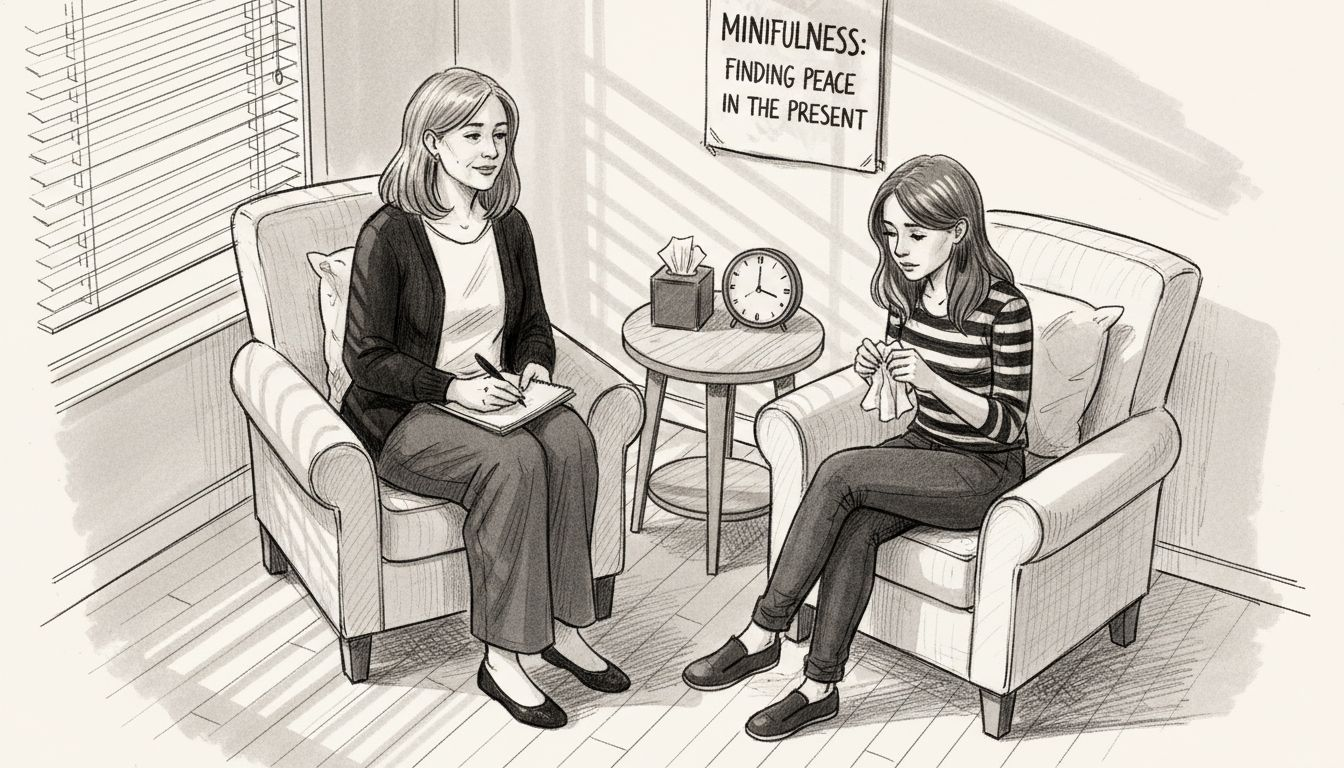
Over 60 percent of American adults will experience at least one traumatic event in their lives. The impact is lasting, often shaping relationships, mental health, and daily well-being long after the event is over. If you are searching for effective strategies to move forward, there are proven therapies and approaches that offer hope and guidance backed by research and practical results.
Table of Contents
Quick Summary
| Key Message | Explanation |
|---|---|
| EMDR provides structured memory processing | EMDR therapy utilizes bilateral stimulation to help individuals reprocess traumatic memories in a safe, systematic way, effectively reducing emotional distress. |
| CBT transforms negative thoughts | Cognitive Behavioral Therapy helps individuals identify and challenge harmful internal narratives, fostering more positive and realistic perspectives for psychological healing. |
| TF-CBT aids trauma recovery for all ages | Trauma-Focused Cognitive Behavioral Therapy offers a compassionate framework to help children and adults process trauma, develop coping strategies, and regain a sense of control. |
| Somatic Experiencing releases physical stress | This body-focused therapy helps individuals recognize and release stored trauma held in the body, promoting emotional and physiological balance. |
| Group therapy fosters shared healing | Participating in group therapy creates a supportive environment where individuals can share experiences and build connections, enhancing personal growth and resilience. |
1. EMDR Therapy for Processing Traumatic Memories
EMDR (Eye Movement Desensitization and Reprocessing) therapy offers a groundbreaking approach to healing traumatic memories by helping individuals process and integrate painful experiences in a safe, structured manner. Unlike traditional talk therapy, EMDR uses bilateral stimulation to help the brain reprocess traumatic memories and reduce their emotional intensity.
At its core, EMDR therapy recognizes that traumatic memories can become "stuck" in the brain, causing ongoing psychological distress. Scientific research demonstrates that EMDR facilitates the reprocessing of traumatic memories by using bilateral stimulation to help integrate these memories into existing neural networks, effectively reducing their emotional impact and alleviating symptoms of depression and anxiety.
The therapy follows a systematic eight-phase protocol designed to guide patients through carefully structured steps of memory processing. This structured approach has been proven effective in treating PTSD by helping patients adaptively resolve distressing experiences. During sessions, patients focus on a traumatic memory while experiencing side-to-side eye movements or other forms of bilateral stimulation, which helps the brain reprocess the memory in a less emotionally charged way.
For individuals struggling with unresolved trauma, EMDR provides a powerful alternative to traditional talk therapy. The technique allows patients to address painful memories without repeatedly retelling their entire traumatic story, making it particularly helpful for those who find verbal recounting re-traumatizing.
Pro tip: Start by consulting a licensed therapist specifically trained in EMDR to determine whether this therapeutic approach matches your unique healing needs and trauma history.
2. Cognitive Behavioral Therapy (CBT) to Reframe Negative Thoughts
Cognitive Behavioral Therapy represents a powerful therapeutic approach that helps individuals transform destructive thought patterns by teaching them how to identify and challenge negative internal narratives. By focusing on the interconnection between thoughts, emotions, and behaviors, CBT provides practical strategies for psychological healing and personal growth.
Scientific research demonstrates that CBT assists individuals in identifying and restructuring negative thoughts by replacing them with more positive and realistic perspectives. This process of cognitive reframing allows people to break free from harmful mental loops that perpetuate anxiety, depression, and self doubt.
The core mechanism of CBT involves recognizing automatic negative thoughts and systematically challenging their validity. Techniques within this therapy help individuals recognize and reframe harmful internal monologues, such as feelings of impostor syndrome or inadequacy, by promoting self awareness and affirming personal strengths. By learning to question the evidence behind negative self talk, individuals can develop more balanced and compassionate perspectives about themselves.
Practically, CBT equips you with concrete mental tools to interrupt negative thought patterns. This might involve keeping a thought journal, practicing cognitive restructuring exercises, or learning mindfulness techniques that help create distance between yourself and intrusive negative thinking.
Pro tip: Start small by identifying one recurring negative thought and systematically examining the evidence for and against its validity, using objective reasoning to challenge its underlying assumptions.
3. Trauma-Focused Cognitive Behavioral Therapy for Children and Adults
Trauma-Focused Cognitive Behavioral Therapy (TF-CBT) represents a specialized therapeutic approach designed to help individuals of all ages process and heal from traumatic experiences. Unlike traditional therapy methods, TF-CBT offers a structured, compassionate framework that addresses the unique psychological challenges created by trauma.
TF-CBT is a highly effective treatment for children and adolescents with PTSD, integrating key components like psychoeducation, cognitive processing, and carefully guided exposure to traumatic memories. This approach recognizes that trauma impacts individuals differently across various developmental stages, requiring tailored interventions that respect each person's unique experience.As a structured, short-term treatment model, TF-CBT effectively addresses emotional and behavioral difficulties associated with trauma by combining trauma-sensitive interventions with cognitive behavioral principles. The therapy helps individuals develop coping skills, process traumatic memories, and rebuild a sense of safety and control in their lives.
For children and adults alike, TF-CBT typically involves several key stages: establishing safety, helping individuals understand their trauma responses, developing emotional regulation skills, processing traumatic memories, and creating a future narrative of resilience and healing.
Pro tip: When seeking TF-CBT, prioritize finding a licensed therapist specifically trained in trauma-focused approaches who can create a safe, supportive environment for healing.
4. Somatic Experiencing to Release Stored Stress
Somatic Experiencing offers a revolutionary approach to healing trauma by focusing on the body's innate capacity to process and release stored emotional stress. Unlike traditional talk therapies, this method recognizes that traumatic experiences become trapped in our physical systems, creating ongoing psychological and physiological tension.
Somatic Experiencing is a body-focused therapy that helps individuals release stored stress and trauma by increasing awareness of bodily sensations and facilitating the completion of the body's natural response to traumatic events. The approach is grounded in the understanding that our nervous system holds onto unprocessed traumatic experiences, which can manifest as chronic tension, anxiety, and emotional dysregulation.
This therapeutic approach emphasizes the profound connection between mind and body, aiming to restore the nervous system's balance and reduce trauma-related symptoms by directly addressing the physiological effects of trauma. Practitioners guide individuals through gentle techniques that help them recognize and release physiological responses that were interrupted during the original traumatic experience.
Practically, Somatic Experiencing involves carefully tracking bodily sensations, understanding how trauma disrupts the natural stress response, and creating safe opportunities for the nervous system to complete interrupted survival mechanisms. This might involve gentle movements, breathwork, and mindful attention to physical sensations that emerge during therapy.
Pro tip: Start practicing body awareness by spending five minutes daily doing a gentle body scan, noticing physical sensations without judgment, which can help you become more attuned to your body's stress signals.
5. Internal Family Systems (IFS) for Healing Inner Parts
Internal Family Systems (IFS) therapy offers a revolutionary approach to understanding our inner psychological landscape by recognizing that our mind consists of multiple interconnected sub-personalities or emotional parts. This therapeutic model provides a compassionate framework for understanding and healing complex emotional experiences.
Internal Family Systems therapy focuses on identifying and understanding the various 'parts' within an individual, aiming to heal wounded parts and restore balance by fostering a harmonious internal system. Instead of viewing internal conflicts as problematic, IFS sees these different aspects of ourselves as protective mechanisms developed in response to past experiences.
The therapy operates on the profound premise that the mind is composed of multiple sub-personalities, and healing involves accessing the core 'Self' to lead and integrate these parts effectively. This core Self is viewed as the compassionate, confident center that can help negotiate and heal internal conflicts, much like a wise and patient mediator.
Practically, IFS involves exploring different internal parts such as the wounded child part, the protective guardian part, or the critical inner voice part. By developing compassionate awareness and understanding these parts' intentions, individuals can transform old emotional wounds and create internal harmony.
Pro tip: Begin by gently acknowledging your different inner parts without judgment, listening to their stories and recognizing their protective intentions rather than trying to silence or eliminate them.
6. Narrative Therapy for Rewriting Trauma Stories
Narrative Therapy offers a transformative approach to healing by recognizing that the stories we tell ourselves about our experiences profoundly shape our understanding of trauma and personal identity. This therapeutic method empowers individuals to become the authors of their own life narratives, moving beyond victim status to a position of strength and resilience.
Narrative Therapy assists individuals in reshaping their personal narratives by externalizing problems and re-authoring their stories, thereby reducing the impact of trauma and fostering a sense of agency. Instead of being defined by traumatic experiences, individuals learn to view these experiences as separate from their core identity, creating space for healing and personal growth.
This therapeutic approach emphasizes the importance of storytelling in meaning-making, helping clients separate themselves from their issues and view their experiences from a new perspective. By deconstructing dominant narratives that limit personal potential, individuals can begin to construct more empowering and authentic stories about themselves and their experiences.
Practically, Narrative Therapy involves exploring how cultural, social, and personal contexts have shaped one's trauma narrative. Therapists guide clients in identifying and challenging restrictive storylines, helping them recognize their strengths, resilience, and capacity for change.
Pro tip: Start documenting your personal story by writing about your experiences as if you were a compassionate, objective narrator, focusing on moments of strength and survival rather than victimhood.
7. Group Therapy for Shared Healing and Support
Group therapy offers a powerful healing environment where individuals experiencing trauma can find connection, understanding, and collective strength through shared experiences. Unlike individual therapy, this approach creates a supportive community that validates personal struggles while fostering hope and resilience.
Group therapy provides a transformative environment where individuals can share experiences, gain insights, and receive feedback, facilitating healing through communal support and shared understanding. The collective wisdom of the group becomes a powerful therapeutic tool, helping participants realize they are not alone in their healing journey.
Participating in group therapy allows individuals to develop critical interpersonal skills, reduce feelings of isolation, and learn coping strategies directly from others facing similar challenges. These sessions create a safe space where vulnerability becomes strength, and personal stories become pathways to collective healing.
Typically, group therapy sessions are structured to provide both guided professional support and organic peer interaction. Participants might engage in structured discussions, shared exercises, or collaborative healing activities that promote mutual understanding and emotional growth.
Pro tip: When joining a group therapy session, approach the experience with openness and curiosity, remembering that everyone is on their own unique healing path and that shared vulnerability can be a profound source of personal transformation.
Below is a comprehensive table summarizing various therapeutic approaches discussed in the article for processing traumatic experiences.
Therapeutic Approaches Overview
| Therapeutic Approach | Description | Key Benefits |
|---|---|---|
| EMDR Therapy | Uses bilateral stimulation to reprocess traumatic memories. | Reduces emotional intensity; alleviates depression and anxiety. |
| Cognitive Behavioral Therapy (CBT) | Focuses on reframing negative thoughts and challenging internal narratives. | Breaks harmful mental loops; fosters personal growth. |
| Trauma-Focused CBT | Combines trauma-sensitive interventions with CBT principles for all ages. | Addresses emotional and behavioral issues; builds resilience. |
| Somatic Experiencing | Focuses on releasing stored stress via awareness of bodily sensations. | Restores nervous system balance; reduces trauma symptoms. |
| Internal Family Systems (IFS) | Recognizes multiple sub-personalities within an individual for healing. | Promotes internal harmony; accesses the core “Self.” |
| Narrative Therapy | Empowers individuals by reshaping personal narratives to reduce trauma impact. | Encourages strength and resilience; fosters a sense of agency. |
| Group Therapy | Provides healing through communal support and shared experiences. | Reduces isolation; enhances interpersonal skills. |
Discover Tailored Trauma Therapy Solutions for Your Healing Journey
If you are seeking effective ways to heal from trauma and reclaim your life the detailed approaches outlined in "7 Types of Trauma Therapy for Healing and Recovery" highlight key therapies such as EMDR Therapy Cognitive Behavioral Therapy and Trauma-Focused CBT. These therapies address core challenges like processing painful memories reframing negative thoughts and building resilience in a compassionate safe setting. Many individuals face overwhelming emotions isolation and confusion when confronting trauma but with the right support you can transform these struggles into strength.
Find personalized care with licensed clinicians in California who specialize in trauma-informed practices including EMDR and individual counseling. At Alvarado Therapy our therapists combine culturally responsive and identity-affirming methods to help you process trauma safely and effectively. Explore our dedicated team serving clients statewide on our California — Meet Our Team page and learn about the compassionate experts ready to guide you on your path to recovery.
Take the first step toward healing by connecting with therapists who understand the complexities of trauma and offer proven strategies tailored to your needs. Your journey toward clarity empowerment and peace begins today. Visit Alvarado Therapy now to learn more and schedule a session that suits your unique healing goals.
Frequently Asked Questions
What are the different types of trauma therapy available for healing?
EMDR, Cognitive Behavioral Therapy, Trauma-Focused Cognitive Behavioral Therapy, Somatic Experiencing, Internal Family Systems, Narrative Therapy, and Group Therapy are popular types of trauma therapy. Each method offers unique approaches to processing and healing from traumatic experiences.
How does EMDR therapy help in processing traumatic memories?
EMDR therapy uses bilateral stimulation, such as side-to-side eye movements, to assist the brain in reprocessing traumatic memories. Begin by consulting a licensed EMDR therapist to see if this approach is a good fit for your healing journey.
What techniques are used in Cognitive Behavioral Therapy to reframe negative thoughts?
Cognitive Behavioral Therapy teaches individuals to identify negative thought patterns and challenge their validity through different techniques, such as cognitive restructuring and thought journaling. Start by recognizing one recurring negative thought and gathering evidence for and against it to foster a more balanced perspective.
How is Trauma-Focused Cognitive Behavioral Therapy different for children and adults?
Trauma-Focused Cognitive Behavioral Therapy is designed to address the unique psychological challenges of trauma in individuals of all ages by integrating age-appropriate techniques. Look for a licensed therapist trained in TF-CBT who can cater the therapy to your or your child's specific developmental needs.
What can I expect from a Somatic Experiencing session?
Somatic Experiencing focuses on increasing awareness of bodily sensations to help release stored stress and trauma. Prepare to engage in gentle movements and mindfulness practices aimed at helping your nervous system complete its natural stress response and restore balance.
How can I benefit from group therapy for trauma recovery?
Group therapy provides a supportive environment where individuals can share experiences and gain insights from others with similar challenges. To get started, seek out a local support group or therapy session that focuses on sharing and healing through collective experiences.
