
Complex Trauma – How It Shapes Adult Well-Being

Over sixty percent of American adults report experiencing at least one traumatic event before age eighteen, yet myths and misunderstandings about complex trauma still persist. The difference between a single traumatic incident and the lasting impact of repeated harm is often overlooked, leaving many to struggle alone. This article unpacks the reality of complex trauma, exposes common misconceptions, and highlights what American survivors truly need for healing and understanding.
Table of Contents
Key Takeaways
| Point | Details |
|---|---|
| Understanding Complex Trauma | Complex trauma involves repeated, escalating interpersonal violations, primarily originating in childhood, fundamentally impacting emotional and psychological well-being. |
| Myths About Trauma | Many misconceptions exist, including the belief that trauma only comes from visible violence, while emotional and psychological abuses can have equally severe effects. |
| Symptoms and Patterns | Adults with complex trauma often experience emotional dysregulation and identity disruption, stemming from deep-rooted neurological changes. |
| Effective Therapeutic Approaches | Trauma-informed healing requires specialized methods such as EMDR and somatic experiencing that prioritize safety, empowerment, and individualized recovery. |
Defining Complex Trauma and Common Myths
Complex trauma represents a profound psychological experience far beyond traditional definitions of singular traumatic events. Recognized by researchers as repeated, escalating interpersonal violations, complex trauma emerges through sustained exposure to harmful environments where an individual experiences systematic exploitation, often during critical developmental periods.
Understanding complex trauma requires recognizing its multifaceted nature. Unlike acute trauma from a single incident, complex trauma develops through sustained, repeated experiences that fundamentally disrupt an individual’s sense of safety, attachment, and personal agency. These experiences frequently occur in childhood, where vulnerable individuals are subjected to ongoing abuse, neglect, or systemic oppression within environments meant to provide protection and nurturing.
Several pervasive myths often mischaracterize complex trauma. Many people mistakenly believe that trauma only results from extreme, visible violence, when in reality, psychological and emotional abuse can create equally profound psychological wounds. Another common misconception is that individuals should simply “get over” traumatic experiences, dismissing the neurobiological impacts that reshape brain functioning and emotional regulation. Comprehensive research demonstrates how complex trauma fundamentally alters psychological and physiological responses, making recovery a nuanced, compassionate process that requires specialized therapeutic approaches.
Recognizing complex trauma demands compassion, understanding, and professional support. Survivors are not defined by their traumatic experiences but by their remarkable resilience and capacity for healing. By challenging harmful myths and promoting informed, trauma-informed perspectives, we can create supportive environments that validate individual experiences and facilitate genuine recovery pathways.
Origins and Types of Complex Trauma
Scientific research reveals complex trauma as a profound psychological phenomenon emerging from chronic, interpersonal experiences that fundamentally disrupt an individual’s developmental trajectory. Complex trauma typically originates in childhood, where repeated exposure to harmful environments creates deep psychological wounds that extend far beyond singular traumatic incidents. These experiences often involve sustained abuse, neglect, or systematic emotional manipulation within critical relationships meant to provide safety and nurturing.
Complex trauma encompasses several distinct types, each characterized by specific contextual and relational dynamics. Developmental trauma represents experiences occurring during childhood where fundamental attachment relationships are compromised, potentially including chronic family violence, emotional abuse, or persistent neglect. Intergenerational trauma involves psychological wounds transmitted across family systems, where traumatic experiences from previous generations unconsciously impact current familial interactions and individual psychological functioning.
Neurobiological research demonstrates how complex trauma fundamentally alters brain structure and psychological responses, creating lasting impacts on emotional regulation, attachment patterns, and stress responses. These alterations can manifest through various trauma subtypes, including:
Relational Trauma: Arising from repeated betrayals in close relationships
Institutional Trauma: Experienced through systemic oppression or organizational failures
Community Trauma: Resulting from collective experiences of violence or discrimination
Understanding these nuanced trauma origins requires compassionate, sophisticated approaches that recognize the profound complexity of human psychological experiences. Trauma’s impact on relationships demonstrates how deeply these early experiences can shape an individual’s entire relational landscape, emphasizing the critical need for specialized, trauma-informed therapeutic interventions.
Core Symptoms and Patterns in Adults
Complex psychological trauma manifests through intricate patterns of behavioral and neurological disruptions, dramatically impacting an individual’s emotional regulation, interpersonal functioning, and sense of self. Adults experiencing complex trauma often display a constellation of symptoms that extend far beyond traditional understanding of psychological distress, reflecting deep-rooted neurobiological changes triggered by prolonged exposure to harmful environments.

Emotional dysregulation emerges as a primary symptom, characterized by intense, unpredictable emotional responses that seem disproportionate to immediate circumstances. These patterns include chronic feelings of shame, overwhelming anxiety, persistent depression, and difficulty maintaining stable emotional equilibrium. Trauma research reveals how repeated interpersonal violations fundamentally reshape an individual’s neurological and psychological responses, creating complex adaptive mechanisms that once served as survival strategies but now obstruct healthy adult functioning.
The symptomatic landscape of complex trauma typically encompasses several critical domains:
Relational Challenges: Persistent difficulties forming and maintaining healthy intimate connections
Identity Disruption: Fragmented sense of self, chronic self-doubt, and impaired personal boundaries
Hypervigilance: Constant state of psychological alertness and potential threat perception
Dissociative Experiences: Emotional numbing, memory gaps, and disconnection from personal experiences
Trauma’s profound impact on relationship dynamics underscores the importance of comprehensive, compassionate therapeutic approaches that recognize these symptoms not as individual failings, but as adaptive responses to extraordinary psychological challenges. Understanding these patterns allows for more effective, empathetic interventions that support genuine healing and psychological restoration.
Complex Trauma’s Impact on Relationships
Research demonstrates how trauma fundamentally reshapes an individual’s approach to interpersonal connections, creating intricate patterns of relational challenges that extend far beyond immediate emotional responses. Complex trauma survivors often develop complex adaptive mechanisms that simultaneously protect and isolate them, resulting in profound difficulties forming and maintaining healthy, intimate relationships. These relational patterns emerge as survival strategies developed during early experiences of vulnerability and betrayal.
Attachment disruption becomes a central feature of trauma-impacted relationships, manifesting through several critical psychological mechanisms. Survivors frequently oscillate between intense emotional hunger for connection and profound fear of intimacy, creating a paradoxical relationship dynamic characterized by simultaneous desire and withdrawal. Digital platforms can significantly amplify these relational challenges, potentially exacerbating trauma responses through complex social interactions, making authentic connection even more challenging for survivors.
The relational impact of complex trauma typically encompasses multiple dimensions:
Trust Impairment: Persistent difficulty believing in the reliability of others
Boundary Challenges: Struggles establishing and maintaining healthy interpersonal boundaries
Emotional Regulation: Unpredictable emotional responses during intimate interactions
Vulnerability Resistance: Deep-seated protective mechanisms preventing authentic emotional exposure
Understanding PTSD’s intricate role in relationship dynamics reveals the profound complexity of healing. Survivors are not defined by their trauma but by their remarkable resilience and capacity for transformation, highlighting the critical importance of compassionate, trauma-informed therapeutic approaches that support genuine relational healing.
Trauma-Informed Healing and Support Options
Clinical research emphasizes the critical importance of specialized therapeutic approaches for addressing complex trauma, recognizing that healing requires far more than traditional talk therapy. Trauma-informed healing represents a comprehensive approach that acknowledges the profound neurobiological and psychological impacts of sustained traumatic experiences, prioritizing safety, empowerment, and individualized recovery strategies.
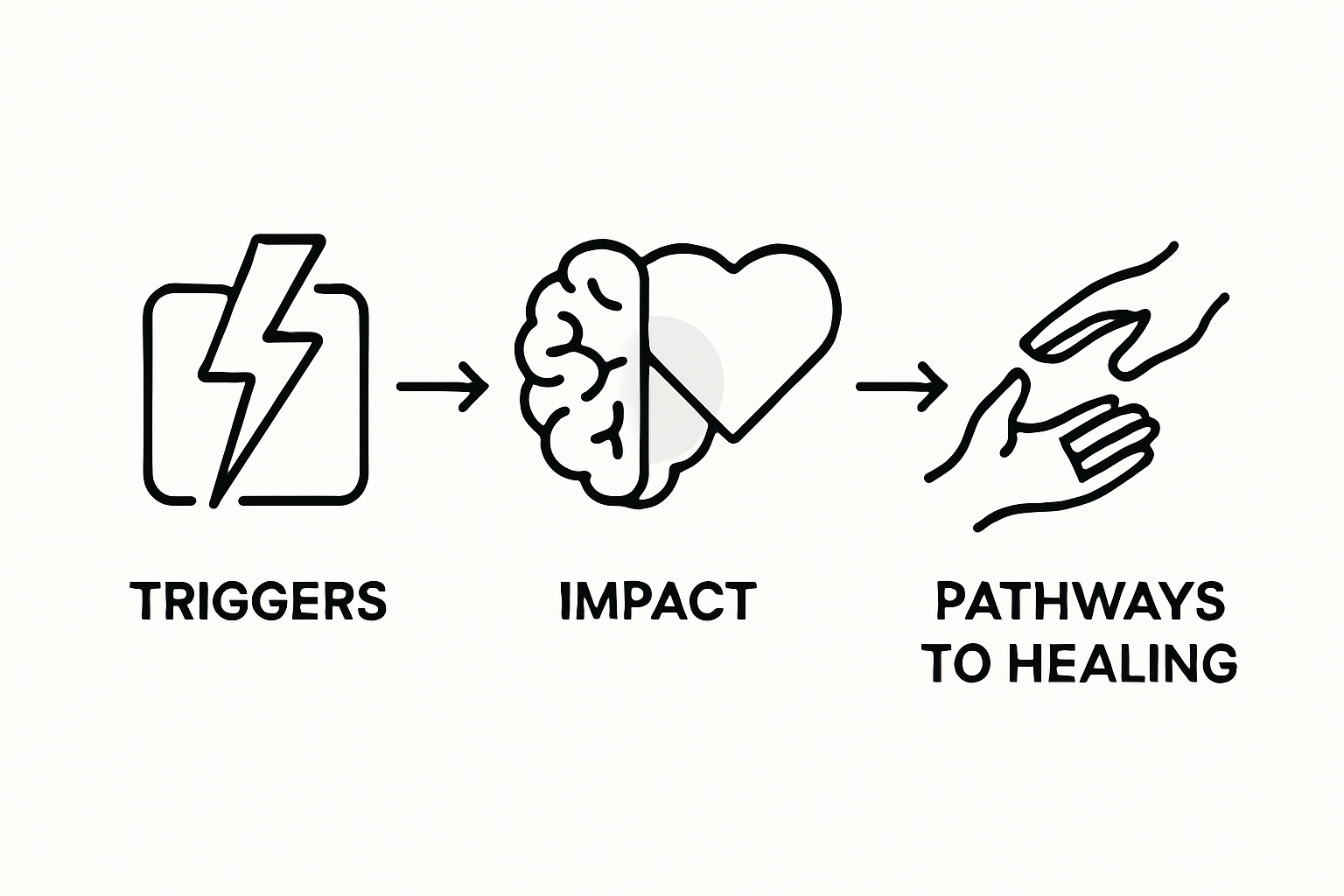
Therapeutic interventions for complex trauma survivors must be carefully constructed to address the multifaceted nature of psychological wounds. Comprehensive clinical assessments play a crucial role in developing tailored treatment strategies, ensuring that therapeutic approaches recognize the unique manifestations of an individual’s traumatic experiences. These interventions typically encompass multiple modalities designed to restore a sense of safety, rebuild emotional regulation, and support holistic psychological restoration.
Effective trauma-informed support options include:
EMDR Therapy: Targeting traumatic memory processing and neural reconsolidation
Cognitive Processing Therapy: Restructuring traumatic thought patterns
Somatic Experiencing: Addressing trauma stored in bodily experiences
Group Therapy: Providing collective healing and shared understanding
Attachment-Based Counseling: Rebuilding relational trust and safety
Trauma recovery requires a comprehensive approach to healing that goes beyond symptom management. Survivors deserve compassionate, scientifically informed support that recognizes their resilience and potential for profound psychological transformation, emphasizing healing as a collaborative, empowering journey of reclaiming personal agency and well-being.
Find Healing From Complex Trauma With Compassionate Support
Complex trauma deeply affects adult well-being by disrupting emotional regulation, relationships, and self-identity as highlighted in the article. If you or a loved one face challenges like emotional dysregulation, trust issues, or difficulty forming healthy connections, you are not alone. At Alvarado Therapy, we specialize in trauma-informed approaches such as EMDR therapy and attachment-based counseling to help you reclaim safety and empowerment in your life.
Take the next step toward healing with expert guidance from licensed therapists serving Pasadena, Ventura, and clients across California online. Discover how tailored interventions can support your unique needs and promote long-term psychological restoration. Learn more about our services and begin your journey today at Alvarado Therapy. Explore personalized options like EMDR therapy intensives and individual counseling designed to address complex trauma’s deep impact and help you rebuild trust and resilience.
Frequently Asked Questions
What is complex trauma?
Complex trauma refers to profound psychological experiences stemming from repeated, escalating interpersonal violations. Unlike singular traumatic events, it arises from sustained exposures to harmful environments, often during critical developmental periods.
How does complex trauma affect adult emotional well-being?
Complex trauma can lead to emotional dysregulation, identity disruption, relational challenges, and hypervigilance. Adults may experience intense emotional responses and difficulties forming healthy relationships, affecting their overall well-being.
What are some common myths about complex trauma?
Common myths include the belief that trauma only arises from extreme violence and that individuals can simply “get over” their experiences. In reality, psychological and emotional abuse can deeply impact one’s mental health, requiring compassionate healing approaches.
What therapeutic approaches are effective for treating complex trauma?
Effective therapeutic options include EMDR therapy, cognitive processing therapy, somatic experiencing, group therapy, and attachment-based counseling, all designed to address the unique needs of complex trauma survivors.
