
5 Screening Questions to Ask Before EMDR for Dissociation

EMDR can help people who dissociate, but only when it's adapted for that presentation. A clinician first confirms readiness through formal screening, builds stabilization skills in Phase 2, and uses parts-aware adaptations before any trauma processing begins. Skip those steps and standard EMDR can backfire. The sections below walk through the evidence, the screening tools, the specific protocol changes, and what a realistic timeline looks like.
TL;DR:
EMDR treatment for dissociation requires extensive stabilization work, longer sessions, and careful pacing to prevent destabilization.
Proper screening with tools like the DES-II and MID is essential, but should not be the sole basis for readiness; behavioral clues also matter.
Adapted techniques such as parts mapping, short exposure cycles, and internal dialogue reduce the risk of overwhelm during trauma processing.
Pushing into reprocessing without stabilization can worsen dissociative symptoms and lead to memory flooding or loss of functioning.
Clinicians must personalize treatment timelines based on dissociation severity, ensuring thorough preparation before trauma reprocessing begins.
Alvaradotherapy
Explore Trauma-Informed EMDR Support
Alvarado Therapy offers EMDR therapy and culturally responsive counseling for Californians healing from trauma, anxiety, grief, and related concerns.
Table of Contents
How Does EMDR Work for Dissociation, According to the Research?
What Does an EMDR Treatment Timeline Look Like for Dissociation?
How Does EMDR Work for Dissociation, According to the Research?
A 2022 review in BJPsych Advances found that EMDR can help with complex dissociative disorders, but treatment usually takes a significantly increased number of sessions and longer duration compared to standard PTSD protocols. That's not a footnote. It's the central fact anyone considering EMDR for dissociation needs to hear before booking a first appointment.
The broader picture is more encouraging. EMDR sits among the recommended psychotherapies for PTSD in major clinical guidelines, and Francine Shapiro's original model was built around restoring the brain's natural ability to process disturbing memories. Guidance from phase-oriented treatment frameworks recommends folding EMDR into a broader plan rather than treating it as a stand-alone fix, and reprocessing should only start once a patient is generally stable with real coping skills in hand.
Dissociative disorders themselves involve disruptions to memory, identity, emotion, or perception, and they're commonly rooted in trauma, according to the American Psychiatric Association. That range matters. Dissociation can look like mild zoning out under stress or something as complex as dissociative identity disorder, and the EMDR approach shifts depending on where a client falls on that spectrum.
What clinical guidance actually supports:
EMDR has solid empirical backing for straightforward PTSD.
Complex dissociative presentations need more sessions, more preparation, and slower pacing.
Processing should wait until stabilization is documented, not assumed.
Parts-aware adaptations reduce the risk of destabilizing a client mid-session.
The core statistic to remember: treatment length for complex dissociative cases runs meaningfully longer than standard PTSD-focused EMDR, which is exactly why rushing the process causes more harm than good.
What Screening Tools Determine Readiness for EMDR?
Before any clinician even discusses trauma processing, they need a clear picture of how much dissociation a client is carrying and how it shows up day to day. The Dissociative Experiences Scale (DES-II) is the standard first step. It's a quick, self-report questionnaire that flags whether dissociative symptoms warrant a closer look. But EMDRIA's own guidance is blunt about its limits: a DES-II score alone should never be the deciding factor.
Here's the general assessment sequence clinicians follow:
Administer the DES-II as an initial screen.
If scores come back elevated, follow up with the Multidimensional Inventory of Dissociation (MID) for a more detailed symptom profile.
When the MID confirms significant dissociation, consider a structured diagnostic interview like the SCID-D before moving forward.
Document stabilization and coping skills explicitly, not just informally, before any Phase 3 processing work begins.
Revisit the assessment periodically. Readiness isn't a one-time checkbox.
Beyond the formal tools, clinicians watch for behavioral clues in session. Time loss, sudden shifts in speech patterns or handwriting, gaps in memory for recent conversations, and a history of early childhood trauma all raise the index of suspicion. Severe identity fragmentation, where a client refers to themselves in the third person or describes distinct internal "parts" with their own names, is a clear signal that standard protocols need modification.
Pro Tip: If you've never been formally screened for dissociation and you know trauma is part of your history, ask your clinician directly whether they use the DES-II or a similar tool at intake. A therapist who hasn't asked is a red flag worth addressing before you start EMDR.
What Stabilization Skills Come Before EMDR Reprocessing?
Phase 2 of EMDR, the preparation phase, does more heavy lifting for dissociative clients than it does for anyone else. This is where clinicians build the internal resources a client will lean on once trauma processing starts, and skipping or rushing it is one of the most common causes of destabilization.
Grounding comes first: sensory anchors like naming five things you can see, holding a textured object, or noticing your feet on the floor. These aren't warm-up exercises. They're tools a client needs to be able to deploy mid-session if a flashback or dissociative episode starts to take hold. Present-orientation work, where the therapist repeatedly checks "what year is it, where are we right now," reinforces the difference between the memory and the present moment.
For clients with distinct internal parts, stabilization also includes parts mapping. The clinician helps identify which parts hold which memories or emotions, negotiates internal agreements about pacing, and establishes explicit consent before any part's material gets processed. Safe and stop signals, agreed on in advance, give the client a concrete way to pause the work the instant something feels like too much.
Between sessions, clients typically practice:
Daily grounding drills, even when nothing feels triggering.
A written or mental "resource list" of calming images, people, or memories.
Tracking dissociative episodes in a simple log to show the therapist patterns over time.
Pro Tip: Readiness for reprocessing isn't about feeling fearless. It's about being able to use a grounding skill within seconds of noticing you're starting to disconnect. If you can't do that reliably yet, more Phase 2 work is the right call, not a delay to resent.
What EMDR Techniques Help With Dissociation Specifically?
Several named adaptations exist specifically because standard EMDR protocol assumes an integrated experiencer. Structural dissociation theory explains why that assumption breaks down for more complex presentations, and why parts-aware modifications matter so much here.
CIPOS (Constant Installation of Present Orientation and Safety): short exposure cycles, often 5 to 15 seconds, paired with bilateral stimulation focused on the present moment rather than the trauma memory itself. A therapist might have a client briefly touch the edge of a memory, then immediately redirect attention to their hands on their lap and the sound of the therapist's voice, checking orientation before going any further.
Loving Eyes: a technique that asks an adult part of the client to view a child part with compassion rather than judgment, often used to build internal cohesion between parts that have been at odds.
Fractionated processing: breaking a target memory into smaller pieces and processing each piece separately, rather than running a full set toward the disturbing material all at once.
Parts conferences: structured internal dialogues where the therapist facilitates communication between parts before, during, or after processing, reducing the chance that one part gets flooded while another stays unaware.
Each of these exists for the same reason: full, sustained contact with a traumatic memory can overwhelm a dissociative system that hasn't built the capacity to stay present through it. Short cycles, compassionate internal dialogue, and explicit parts communication all lower that risk without abandoning the goal of processing the memory.
When Should EMDR Be Paused or Referred to a Specialist?
Not every presentation is ready for reprocessing, and pushing forward anyway causes real harm. Certain conditions should stop the process before it starts:
Active, uncontrolled substance use that interferes with a client's ability to stay present.
Uncontrolled suicidal behavior or a lack of a documented safety plan.
Severe dissociation without any stabilization work completed.
No established safe/stop signal or internal consent process for clients with distinct parts.
Moving into trauma processing too early can worsen dissociation rather than resolve it. Memory flooding, sudden loss of daily functioning, and increased dissociative episodes outside of session are the most common signs that a client was pushed past their window of tolerance. This is exactly why EMDRIA's own guidance pushes back on the idea that dissociation should automatically rule EMDR out. The problem isn't EMDR itself. It's EMDR delivered without dissociation-specific training or ongoing clinical consultation.
What Does an EMDR Treatment Timeline Look Like for Dissociation?
Complex dissociative cases often need a notably larger number of preparation sessions before formal reprocessing even begins, a stark contrast to the fewer sessions sometimes cited for straightforward PTSD. That gap is the direct result of the longer treatment durations clinical literature reports for complex dissociative presentations.
Session-level pacing looks different too. Instead of one long target memory processed start to finish, sessions with dissociative clients tend to use shorter targets, more frequent grounding check-ins, and fractionated sets that stop well before a client approaches overwhelm. Intensive formats, where several hours of therapy happen across one or more consecutive days, can accelerate parts of this work once stabilization is solid, but they're not a shortcut around the preparation phase itself.
Progress in dissociative cases doesn't always look dramatic. Watch for:
Fewer dissociative episodes during ordinary daily stress.
Increased ability to stay present during difficult conversations.
Better day-to-day functioning at work, at home, or in relationships.
Alvaradotherapy's Approach to Dissociation-Informed EMDR
[author_bio]
[brand_signal]
This practice offers individual EMDR therapy, EMDR intensives, and bilingual care in English and Spanish, with sessions available online across some US states. At intake, it's reasonable to ask directly whether a prospective clinician has dissociation-specific EMDR training, whether they use structured screening before processing, and how they handle pacing if dissociative symptoms show up mid-session. A clinic that answers those questions clearly is one worth trusting with this work.
Why Cautious, Adapted EMDR Beats Both Extremes
The loudest voices on this topic tend to land in one of two camps: EMDR is unsafe for anyone who dissociates, or EMDR works the same for everyone regardless of presentation. Neither holds up against the evidence. The research supports a narrower, more useful claim: EMDR helps dissociative clients when the clinician adapts pacing, screens properly, and builds real stabilization skills first.
Where conventional advice tends to fail is in treating "dissociation" as one thing. A client who occasionally zones out under stress and a client with documented identity fragmentation need very different timelines, and lumping them together leads either to unnecessary gatekeeping or, worse, to rushing someone who isn't ready. The structural dissociation framework gives clinicians a way to tell the difference, and it deserves more attention from clients trying to evaluate their own care.
If there's one thing to prioritize, it's asking direct questions before committing to a treatment plan. Ask about screening tools. Ask about training. Ask how pacing changes if things get overwhelming. A clinician who welcomes those questions is signaling exactly the kind of readiness this work requires.
— Juiced
Ready to Start EMDR With a Dissociation-Informed Clinician?
This practice approaches dissociation-related trauma with bilingual, trauma-informed EMDR built around stabilization work before processing begins.

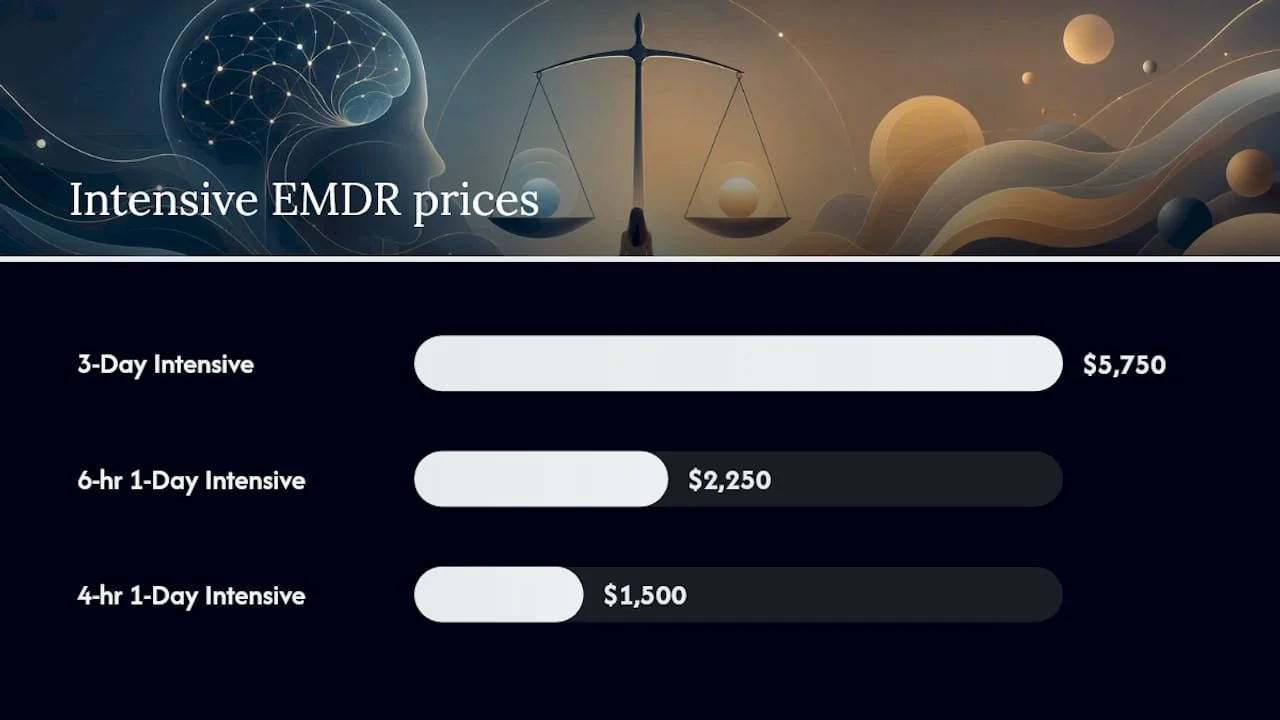
If ongoing weekly sessions fit your schedule better, individual EMDR therapy allows pacing to unfold gradually, with time between sessions to practice grounding skills. If you're looking to compress the preparation and processing timeline, the 3-Day EMDR Intensive runs $5,750, the 6-hour 1-Day Intensive runs $2,250, and the 4-hour 1-Day Intensive runs $1,500, all built around focused, structured work rather than once-a-week appointments stretched over months. Before your first session, review this EMDR preparation guide so you walk in knowing what stabilization work to expect.
At intake, ask directly about clinician experience with dissociative presentations and request that screening tools like the DES-II be part of your evaluation before processing begins. Book a consultation through Alvaradotherapy's individual EMDR page to start that conversation.
This article is general information, not a substitute for advice from a qualified doctor. Consult a qualified healthcare professional about your own circumstances before acting on anything here.
Sources
FAQ
Is EMDR Recommended if You Dissociate?
Yes, EMDR can be recommended for people who dissociate, but only with proper screening and clinician training in dissociation-specific adaptations. Guidance from EMDRIA cautions against ruling EMDR out automatically just because dissociation is present.
What Is Dissociative Rage?
Dissociative rage refers to intense anger that surfaces while a person is disconnected from their usual sense of identity or present-moment awareness, often linked to a dissociated part holding unprocessed trauma. It's not a formal diagnostic term, and definitions vary across clinical sources, so it's best discussed directly with a clinician familiar with your specific history.
Who Does EMDR Not Work For?
EMDR isn't appropriate for someone in active, uncontrolled substance use, without a safety plan for suicidal thoughts, or with severe dissociation and no stabilization skills in place. These aren't permanent exclusions. They're signals that more preparation is needed before reprocessing begins, per the phase-oriented treatment guidance clinicians follow.
How Can I Stop Dissociating?
Grounding techniques like naming objects around you, focusing on physical sensations, and practicing present-orientation checks are the front-line tools clinicians teach for interrupting a dissociative episode. Longer-term reduction in dissociation usually comes from structured therapy, such as individual EMDR, that addresses the underlying trauma driving the pattern rather than managing symptoms alone.
