7 Key Benefits of Couples Counseling for Healing Together
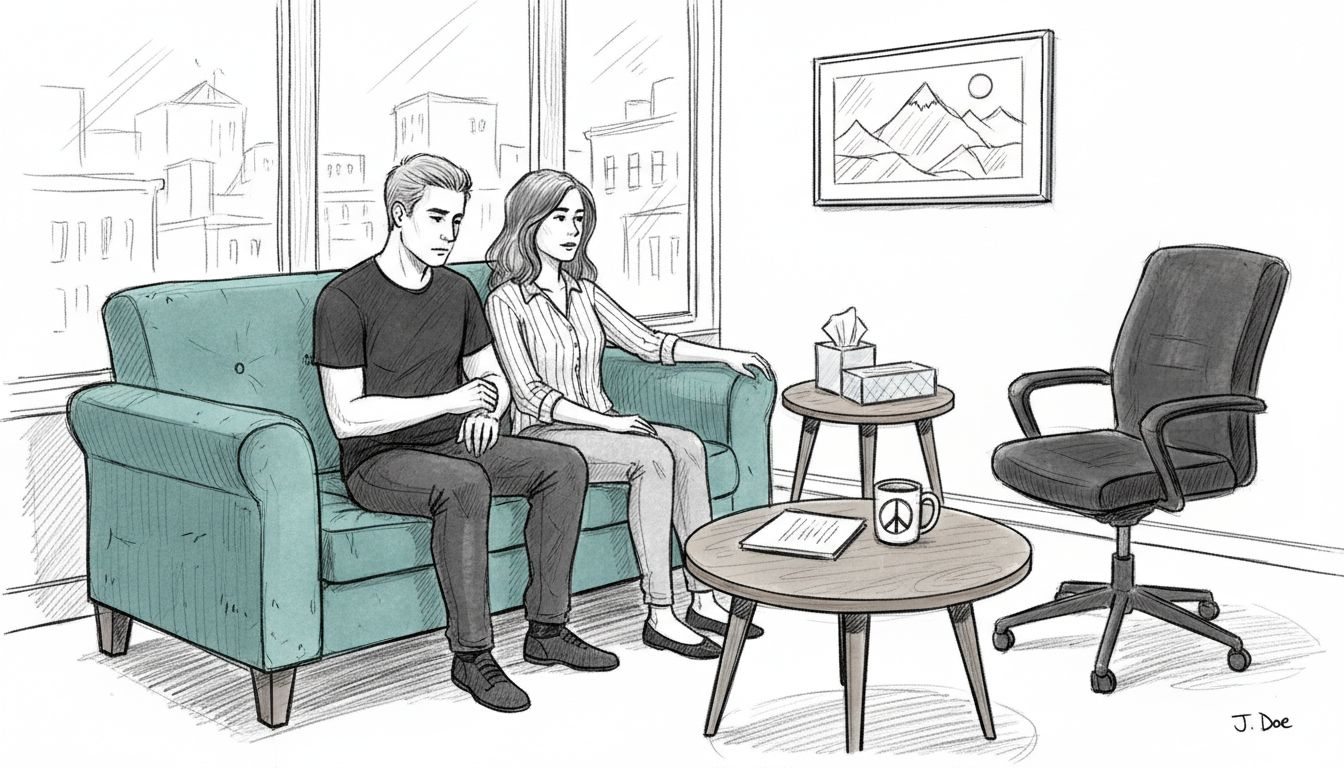
Friction, misunderstandings, and old wounds can make even strong relationships feel fragile. It is not always clear where to turn when communication starts to break down or trust is tested. Couples counseling can offer a fresh perspective and real tools, no matter what stage your relationship is in.

By focusing on proven methods like active listening, healthy conflict resolution, and strategies for healing past hurts, you and your partner can rebuild connection and restore trust. The following list reveals practical benefits you can expect from counseling, along with actionable ideas you can bring into your daily life starting today.

Table of Contents

Quick Summary

Key Message Explanation
1. Improve Communication with Active Listening Couples counseling teaches effective communication through active listening, fostering understanding and minimizing misunderstandings.
2. Resolve Conflicts Positively Counseling provides techniques for healthy conflict resolution, emphasizing emotional regulation and empathy instead of defensiveness.
3. Build Trust and Emotional Connection Therapeutic exercises help partners express vulnerabilities and recognize emotional signals, leading to a stronger bond.
4. Establish Healthy Boundaries Counseling aids in defining personal boundaries, enhancing mutual respect and individual autonomy within the relationship.
5. Set Shared Goals Together Couples learn to collaboratively develop goals, ensuring personal aspirations align with mutual relationship growth.

1. Improves Communication and Listening Skills

Couples counseling provides a transformative space for partners to learn active listening skills that dramatically improve relationship communication. Unlike casual conversations, active listening involves deeply understanding your partner's emotional landscape and nonverbal signals.

Effective communication goes far beyond simply hearing words. It requires creating a safe emotional environment where both partners feel genuinely heard and validated. In counseling, therapists guide couples through structured communication exercises that teach how to listen without interrupting, judge without criticizing, and respond with empathy.

The practice of active listening helps partners break destructive communication patterns. Instead of becoming defensive or reactive, individuals learn to pause, reflect, and respond thoughtfully. This means truly absorbing what your partner communicates verbally and nonverbally, understanding their underlying emotions, and reflecting back their core message.

Practical communication skills learned in couples counseling include maintaining eye contact, using open body language, asking clarifying questions, and practicing reflective listening techniques. These skills help transform potentially confrontational interactions into collaborative dialogues where both partners feel respected and understood.

Pro tip: Practice the "speaker listener" technique at home by taking turns speaking for 2 minutes without interruption while your partner listens and then summarizes what they heard.

2. Helps Resolve Conflicts in a Healthy Way

Every relationship encounters conflicts, but successful partnerships distinguish themselves by how they navigate these challenging moments. Couples counseling provides a structured approach to resolving disagreements by teaching partners effective conflict management strategies.

Healthy conflict resolution is not about avoiding arguments but transforming them into opportunities for deeper understanding. Research shows that long-term couples develop joint negotiation strategies that evolve over time. Emotional regulation becomes key in preventing arguments from escalating into destructive interactions.

Therapists guide couples through specific techniques that interrupt negative communication patterns. These include identifying underlying emotions, practicing active listening, expressing needs without blame, and finding collaborative solutions. The goal is not to win an argument but to strengthen the relationship's emotional connection.

Practical conflict resolution involves recognizing each partner's perspective, validating feelings, and seeking compromise. By learning to approach disagreements with curiosity and empathy rather than defensiveness, couples can transform potential conflicts into moments of mutual growth and understanding.

Pro tip: Before responding during a heated discussion, take three deep breaths and ask yourself what your partner might be feeling beneath their words.

3. Strengthens Emotional Connection and Trust

Trust and emotional connection form the bedrock of lasting relationships, and couples counseling provides a powerful pathway to rebuilding and deepening these fundamental bonds. Emotionally Focused Therapy helps partners create more secure attachment patterns by understanding the complex emotional dynamics that drive relationship interactions.

Emotional connection goes beyond surface level communication. It requires vulnerability, genuine listening, and a willingness to explore each partner's deepest fears and needs. Therapists guide couples through structured exercises designed to help partners recognize and respond to each other's emotional signals more effectively.

By learning to identify and articulate underlying emotions, partners can break destructive communication cycles. Emotional attunement becomes a skill that transforms how couples interact, allowing them to build trust through consistent empathy and understanding. This process helps partners feel seen, heard, and validated in ways they may have never experienced before.

The therapeutic process involves creating a safe space where both individuals can explore their emotional landscapes without judgment. Partners learn to recognize patterns of emotional disconnection and develop strategies to rebuild trust incrementally, creating a more resilient and supportive relationship.

Pro tip: Practice sharing one vulnerable emotion with your partner each week without expecting an immediate solution, focusing simply on being heard and understood.

4. Supports Healing from Past Trauma

Trauma does not just impact individuals it can profoundly affect entire relationships. Couples counseling offers a compassionate pathway for partners to navigate complex emotional landscapes together, helping them understand and heal from past traumatic experiences.

Cognitive Behavioral Conjoint Therapy provides specialized approachesfor healing trauma within relationship contexts. By addressing individual trauma histories simultaneously, partners learn how their past experiences interconnect and influence current relationship dynamics.

Trauma informed therapy recognizes that healing is not linear. It creates a supportive environment where both partners can explore painful memories without judgment, developing shared understanding and compassionate communication strategies. This approach helps transform traumatic experiences from sources of pain into opportunities for deeper connection and mutual growth.

Therapy provides tools for recognizing trauma triggers, developing emotional regulation skills, and creating safe communication patterns. Partners learn to support each other without becoming overwhelmed, building resilience and understanding that transcends individual traumatic experiences.

Pro tip: Create a shared emotional safety plan that outlines how you will support each other during moments of potential trauma activation, focusing on mutual understanding and gentle care.

5. Builds Healthy Boundaries and Respect

Healthy relationships require clear personal boundaries that protect individual identities while nurturing mutual understanding. Couples counseling provides a structured environment for partners to establish meaningful relationship boundaries that respect each person's autonomy and emotional needs.

Boundary setting is not about building walls but creating transparent, flexible guidelines that help partners understand each other's limits, preferences, and comfort zones. These boundaries encompass emotional, physical, digital, and personal space dimensions, ensuring that both individuals feel safe, heard, and respected within the relationship.

Therapists guide couples through exercises that help identify where boundary violations occur and teach communication strategies for expressing limits compassionately. This process involves learning to articulate personal needs without apologizing, understanding the difference between healthy compromise and self sacrifice, and recognizing that individual identities remain important even in deeply committed partnerships.

Practical boundary work includes defining acceptable behaviors, discussing personal privacy needs, establishing mutual expectations around social interactions, and creating strategies for handling external relationships with friends, family, and professional contacts. By developing these skills, couples create a relationship foundation built on mutual respect and individual empowerment.

Pro tip: Practice stating your boundary needs using clear, kind language that focuses on your feelings and needs rather than criticizing your partner's actions.

6. Fosters Shared Goals and Relationship Growth

Successful partnerships are built on more than love they require intentional collaboration and aligned vision. Couples counseling offers a strategic approach to developing shared relationship goals that transform individual aspirations into powerful mutual objectives.

Goal coordination represents a critical skill that goes beyond simple agreement. It involves deep understanding of each partner's individual dreams, identifying intersections, and creating a collaborative roadmap that honors both personal and shared ambitions. Therapists guide couples through exercises that help unpack underlying motivations, reconcile potential conflicts, and design meaningful joint strategies.

The process of shared goal setting involves more than creating a list of objectives. It requires developing emotional intimacy, learning to communicate aspirations vulnerably, and creating a supportive environment where both partners feel empowered to pursue their individual and collective potential. This approach transforms relationships from transactional partnerships into dynamic, mutually supportive growth experiences.

Practical goal alignment might include creating five year plans, discussing career transitions, planning financial strategies, or exploring personal development objectives. The key is maintaining flexibility, regular communication, and a commitment to supporting each other's growth while maintaining individual autonomy.

Pro tip: Schedule a quarterly relationship vision meeting where you both share personal goals, discuss mutual support strategies, and celebrate individual and collective progress.

7. Provides Tools for Long-Term Relationship Success

Sustainable relationships require more than love they demand intentional skill building and strategic relationship management. Couples counseling offers empirically supported intervention strategies that transform relationship dynamics.

Relationship toolkits provide couples with practical, evidence-based techniques to navigate complex emotional landscapes. These tools go beyond traditional communication methods, offering nuanced approaches to understanding each other's emotional needs, resolving conflicts constructively, and maintaining deep intimacy.

Key relationship tools include emotional regulation techniques, active listening skills, vulnerability mapping, and collaborative problem solving. Therapists help partners develop personalized strategies that align with their unique relationship dynamics, ensuring that learned skills can be consistently applied in real world contexts.

Successful long term relationships are built through continuous learning, mutual adaptation, and a commitment to growing together. By acquiring sophisticated relational skills, couples can transform potential challenges into opportunities for deeper connection and mutual understanding.

Pro tip: Create a monthly relationship skills practice session where you intentionally review and roleplay communication techniques learned in counseling, treating relationship growth as an ongoing collaborative project.

Below is a comprehensive table summarizing the main topics and benefits of couples counseling as outlined in the article.

Relationship Aspects Table
Aspect Description Key Benefits
Communication Skills Active listening skills help partners understand emotional and nonverbal signals. Improves empathy and fosters mutual understanding.
Conflict Resolution Strategies focus on validating emotions and finding solutions collaboratively. Transforms conflicts into moments of growth and connection.
Emotional Connection Techniques enhance trust and secure attachment patterns. Builds deeper connections and emotional understanding.
Trauma Healing Offers compassionate approaches to understand and navigate past traumas. Promotes mutual support and resilience.
Boundary Setting Establishes respectful and flexible personal limits. Enhances safety and respect within the relationship.
Shared Goals Collaborative planning ensures aligned visions for future growth. Strengthens the relationship through shared endeavors.
Relationship Tools Comprehensive methods for communication, conflict resolution, and intimacy. Ensures long-term relationship success through continuous practice.

Discover the Healing Power of Couples Counseling with Expert Support

Healing through couples counseling requires compassionate guidance to build trust, improve communication, and navigate past trauma together. If you and your partner are seeking to strengthen your emotional connection, establish healthy boundaries, or find shared goals for growth, Alvarado Therapy’s trauma-informed specialists provide tailored support designed for lasting relationship success. By learning skills like active listening and emotional regulation, couples transform challenges into opportunities for deeper understanding and partnership.

Begin your journey with clinicians who understand the complex dynamics of trauma and relationship healing. Connect with our licensed therapists serving Californians in person and online by exploring our California — Meet Our Team — Alvarado Therapy page. Take the first step toward restoring trust and building healthy communication today at Alvarado Therapy. Empower your relationship now with expert care and proven strategies.

Frequently Asked Questions

What are the main benefits of couples counseling for improving communication?

Couples counseling helps partners learn active listening skills and fosters a safe environment for open dialogue. Engage in structured exercises with a therapist to practice these skills, which can expedite improvements in communication within a few sessions.

How can couples counseling assist in resolving conflicts effectively?

Counseling provides valuable strategies for healthy conflict resolution, turning disagreements into opportunities for understanding. Identify each other's feelings and practice expressing needs kindly, which can lead to better resolution in as little as a month.

In what ways does couples counseling help strengthen emotional connection?

Counseling promotes emotional attunement by guiding partners to understand and communicate their feelings effectively. Try participating in vulnerability exercises with your partner weekly, which can deepen your emotional bond over time.

How can couples counseling support healing from past trauma?

Couples counseling creates a space for partners to explore and understand the impact of past trauma on their relationship. Work together to develop shared coping strategies, which can help both individuals feel safer and more supported in their healing journey.

What role do healthy boundaries play in couples counseling?

Setting healthy boundaries is crucial for maintaining mutual respect and individuality in a relationship. Collaborate with your partner to define clear boundaries, which can lead to greater personal empowerment and harmony in your relationship.

How do couples counseling tools facilitate long-term relationship success?

Counseling provides couples with practical tools to manage emotional landscapes and nurture relationships. Implement a monthly skills practice session with your partner to ensure ongoing development and support for your relationship's success.

Recommended

Next
Next

How to Heal After Breakup Naturally Step by Step