
How to Conduct Trauma Assessment for Effective Care

Every session with a client recovering from PTSD or complex trauma begins with one question: How can you create an environment where genuine healing feels possible? Trauma assessment is more than a clinical task—it is a cornerstone for building safety, trust, and empowerment in your California practice. By applying trauma-informed principles and recognizing the importance of client autonomy, you will discover actionable strategies to strengthen your assessment approach and support clients through every stage of recovery.
Table of Contents
Quick Summary
| Key Point | Explanation |
|---|---|
| 1. Create a safe assessment environment | Design spaces that prioritize client comfort and safety, minimizing potential re-traumatization. |
| 2. Collaborate during client history gathering | Foster a cooperative atmosphere, allowing clients to share their experiences at their own pace and comfort level. |
| 3. Use appropriate trauma assessment tools | Select validated assessment methods tailored to the client’s unique experiences and needs for accurate evaluation. |
| 4. Analyze responses holistically | Understand the interconnected impacts of trauma by evaluating emotional, cognitive, and behavioral responses. |
| 5. Involve clients in treatment planning | Engage clients in the decision-making process, ensuring treatment recommendations reflect their preferences and context. |
Step 1: Prepare trauma-informed assessment environment
Creating a safe, supportive environment is the critical first step in conducting a trauma assessment. Mental health professionals must intentionally design spaces and interactions that minimize potential re-traumatization and prioritize client comfort and emotional safety.
Establishing a trauma-informed assessment environment involves several key strategies. Trauma-informed organizational principles guide professionals in creating settings that acknowledge and respond to trauma's complex impacts. Consider these essential elements:
Ensure physical safety by selecting a quiet, private space with clear exits
Position furniture to allow client control over personal space
Use soft lighting and minimize harsh sensory stimuli
Provide options for seating arrangements
Have supportive resources like water, tissues, and grounding objects available
Effective trauma-informed environments communicate safety through environmental design and professional demeanor. This means maintaining a calm, steady tone, offering clear explanations about the assessment process, and emphasizing the client's autonomy at every stage.
Creating a trauma-informed space is about empowering clients and demonstrating respect for their healing journey.
Nonverbal communication plays a crucial role in establishing trust. Maintain an open, relaxed posture, avoid sudden movements, and be mindful of physical proximity. These subtle cues help clients feel secure and in control.
Pro tip: Consider having a soft blanket or comfort object available that clients can use if they feel anxious during the assessment.
Step 2: Gather client history and relevant background
Collecting a comprehensive client history is a nuanced process that requires sensitivity, skill, and a trauma-informed approach. Your goal is to create a safe space where clients can share their experiences without feeling retraumatized or overwhelmed.
Trauma-informed mental health assessmentstrategies emphasize gathering information across multiple domains with care and respect. Consider these critical elements when collecting client history:
Explain the assessment purpose clearly and transparently
Offer clients control over what and how much they share
Use developmentally appropriate and culturally sensitive language
Allow breaks and provide opportunities to pause or stop
Validate the client's experiences and emotional responses
The history-gathering process should feel collaborative, not interrogative. Focus on understanding the full context of traumatic experiences, including:
Type and duration of traumatic events
Developmental and family background
Current stressors and support systems
Resilience factors and coping mechanisms
Cultural and environmental influences
Trauma history is not just about events, but about understanding a client's entire lived experience.
Nonverbal cues are equally important. Watch for signs of distress, and be prepared to adjust your approach if the client becomes overwhelmed. Maintain a calm, compassionate demeanor that communicates safety and acceptance.
Pro tip: Consider using a trauma-specific intake form that allows clients to share information in writing if verbal communication feels too challenging.
Step 3: Administer targeted trauma assessment tools
Selecting and administering appropriate trauma assessment tools requires precision, empathy, and a deep understanding of each client's unique experience. Your goal is to gather comprehensive information while maintaining a sense of safety and respect for the client's emotional boundaries.
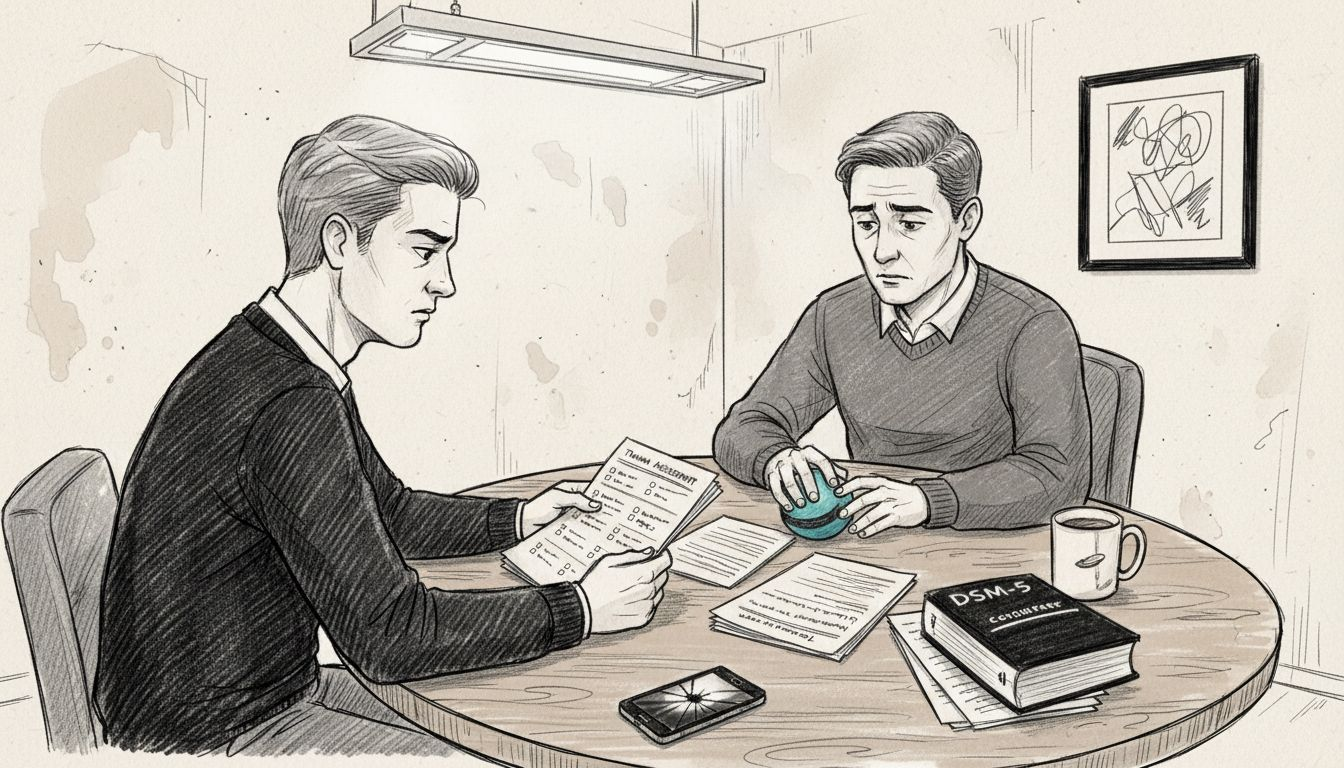
Standardized trauma assessment instruments provide structured approaches to evaluating trauma symptoms and impact. These tools help professionals develop nuanced, client-centered treatment plans by capturing the complexity of traumatic experiences.
Key considerations when selecting and administering assessment tools include:
Choose clinically validated instruments
Match tools to client's specific traumatic experiences
Consider client's developmental stage and cultural background
Explain the purpose of each assessment clearly
Allow flexibility in administration
Comprehensive trauma assessments typically involve multiple evaluation methods:
Here’s how different trauma assessment methods address unique client needs:
| Assessment Method | Strengths | Best Used For |
|---|---|---|
| Clinician Interviews | Deep context, flexible approach | Complex trauma histories |
| Self-Report Questionnaires | Client autonomy, rapid responses | Screening large populations |
| Symptom Severity Scales | Quantifies symptoms, quick review | Monitoring treatment progress |
| Functional Assessments | Real-world impact, performance | Daily living difficulties |
| Trauma Exposure Checklists | Comprehensive trauma overview | Identifying event patterns |
Clinician-administered structured interviews
Self-report questionnaires
Symptom severity scales
Functional impairment assessments
Trauma exposure checklists
Trauma assessment is not about collecting data, but understanding a client's entire narrative of survival and resilience.
Ethical administration requires more than technical skill. Maintain a compassionate approach, watch for signs of distress, and be prepared to pause or modify the assessment if the client becomes overwhelmed.
Pro tip: Consider having grounding techniques ready and offer frequent opportunities for the client to take breaks during complex assessments.
Step 4: Analyze responses to identify trauma impacts
Analyzing trauma assessment responses requires a nuanced approach that goes beyond simple scoring. Your goal is to understand the intricate ways trauma has shaped the client's emotional, cognitive, and physiological experiences.
Common trauma reaction patternsprovide critical insights into understanding a client's unique trauma landscape. Clinical interpretation involves examining not just individual symptoms, but how these symptoms interconnect and manifest across different life domains.
Key strategies for comprehensive trauma response analysis include:
Recognize symptom clusters indicating trauma impacts
Map emotional and cognitive responses
Assess functional impairment levels
Identify potential triggers and coping mechanisms
Compare assessment results with diagnostic criteria
Trauma impact analysis typically involves multiple evaluation dimensions:
The following summarizes trauma impacts and potential therapy focus areas:
| Impact Dimension | Typical Symptoms | Therapy Focus Area |
|---|---|---|
| Emotional Reactivity | Mood swings, anxiety | Regulation skills |
| Cognitive Disturbance | Memory issues, confusion | Thought reframing |
| Physical Response | Fatigue, sleep disruptions | Somatic interventions |
| Relationship Challenges | Isolation, trust issues | Social skills training |
| Behavioral Adaptations | Avoidance, risk behaviors | Healthy coping strategies |
Emotional reactivity and regulation
Cognitive processing and memory patterns
Physical stress responses
Interpersonal relationship dynamics
Behavioral adaptation strategies
Trauma analysis is not about labeling, but understanding the client's unique survival narrative.
Holistic interpretation means looking beyond numerical scores. Pay attention to qualitative information, subtle emotional shifts, and the client's own language describing their experiences.
Pro tip: Create a visual mapping of trauma symptoms to help clients understand how different experiences interconnect and impact their overall well-being.
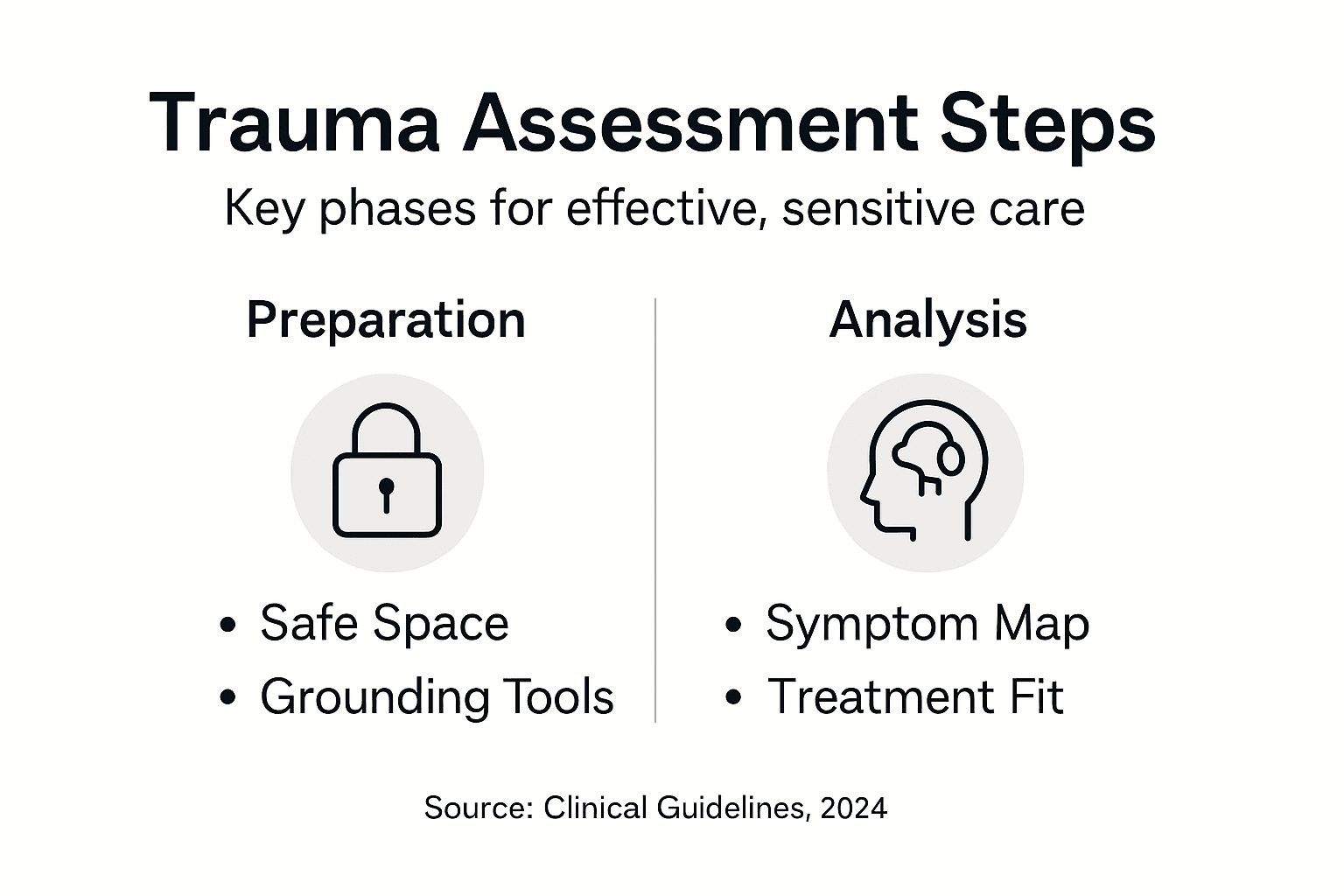
Step 5: Verify findings and tailor treatment recommendations
Verifying trauma assessment findings requires a comprehensive approach that blends clinical expertise, research evidence, and individual client needs. Your ultimate goal is to develop a treatment plan that feels authentic, empowering, and responsive to the client's unique healing journey.
Evidence-based trauma therapy approachesemphasize integrating research insights with personalized clinical judgment. This verification process involves careful cross-referencing of assessment data, diagnostic criteria, and the client's lived experiences.
Key strategies for verifying findings and tailoring recommendations include:
Validate assessment results against multiple diagnostic frameworks
Consider client's cultural and personal context
Match treatment approaches to specific symptom profiles
Incorporate client preferences and feedback
Remain flexible and open to treatment adjustments
Comprehensive treatment recommendation verification involves:
Cross-checking symptom clusters
Reviewing potential intervention modalities
Assessing client readiness and motivation
Identifying potential treatment barriers
Developing collaborative treatment goals
Treatment recommendations are most effective when they honor the client's agency and resilience.
Collaborative decision-making is crucial. Discuss potential treatment options transparently, providing clear explanations and space for client input. Treatment should feel like a partnership, not a prescription.
Pro tip: Create a visual treatment roadmap together with the client, allowing them to see the process as a collaborative journey of healing and empowerment.
Empower Your Healing Journey with Trauma-Informed Care
Understanding how to conduct a trauma assessment is essential for effective, compassionate treatment. If you or someone you care about faces challenges like PTSD, complex trauma, or overwhelming emotional reactions, you deserve a mental health provider who recognizes the importance of safety, trust, and tailored support. At Alvarado Therapy, we specialize in trauma-informed approaches that honor your unique story and resilience.
Take the next step toward healing by connecting with our expert therapists who provide personalized care either Online in California or in person at Ventura CA (in person). Explore how our trauma-sensitive therapy services can guide you through a comprehensive assessment process and create a treatment plan built on respect and empowerment. Visit Alvarado Therapy today and begin your journey to safety, clarity, and growth.
Frequently Asked Questions
How do I create a trauma-informed assessment environment?
Creating a trauma-informed assessment environment begins by ensuring physical safety and comfort. Choose a quiet, private space and arrange furniture to allow clients control over their personal space. Add soft lighting and provide resources like water and grounding objects to enhance emotional safety.
What should I include when gathering client history during a trauma assessment?
When gathering client history, explain the purpose of the assessment clearly and allow clients control over what they share. Use culturally sensitive language and validate their experiences as you explore their trauma history, developmental background, and support systems.
How do I select appropriate trauma assessment tools?
Select trauma assessment tools that are clinically validated and aligned with each client's specific experiences. Explain the purpose of each tool clearly, and be flexible in how you administer them, ensuring comfort throughout the process for clients of all ages and backgrounds.
What key factors should I analyze in trauma assessment responses?
When analyzing trauma assessment responses, focus on recognizing symptom clusters, mapping emotional and cognitive responses, and assessing functional impairment. Compare the results with diagnostic criteria to identify the complexity of each client’s unique experience.
How can I verify trauma assessment findings for treatment recommendations?
To verify trauma assessment findings, cross-check assessment data against diagnosed frameworks and the client's personal context. Discuss potential treatment options collaboratively, ensuring that recommendations feel empowering and reflective of the client's preferences.
What strategies can I use to maintain a trauma-sensitive approach during assessments?
To maintain a trauma-sensitive approach, watch for nonverbal cues indicating distress and be prepared to adapt your methods. Offer frequent breaks and grounding techniques, ensuring your demeanor remains calm and compassionate throughout the assessment process.
