
Trauma Recovery Workflow for Healing and Resilience

Struggling with overwhelming emotions or difficult relationships often traces back to unresolved childhood trauma, creating challenges that follow you into adulthood. Healing begins with a clear understanding of your own trauma experience, a process that sets the stage for real progress. This guide offers practical steps for creating safety and stability while highlighting the value of trauma-informed, bilingual EMDR therapy available in California, giving you compassionate tools to move forward with strength and clarity.
Table of Contents
Quick Summary
| Key Insight | Explanation |
|---|---|
| 1. Assess trauma impact thoroughly | Conduct a structured self-assessment to understand emotional, cognitive, and physical effects of your trauma for effective healing. |
| 2. Establish a safe environment | Create physical, emotional, and relational safety to support your healing process and enable successful therapeutic work. |
| 3. Engage in trauma-focused therapies | Participate in therapies like EMDR to address and integrate traumatic experiences, aiding in symptom reduction and resilience. |
| 4. Develop emotional regulation skills | Learn and practice techniques to manage intense emotions, fostering internal stability during your recovery journey. |
| 5. Regularly verify progress | Systematically track emotional growth and celebrate milestones to reinforce healing and maintain motivation in your recovery. |
Step 1: Assess personal trauma impact and readiness
Beginning your trauma recovery journey requires an honest and compassionate self-evaluation. Understanding your personal trauma landscape is the critical first step toward healing, helping you identify where you are in your recovery process and what support you might need.
Assessing trauma impact involves multiple dimensions. Start by recognizing potential symptoms through a structured self-reflection process. Psychological trauma guidelines recommend examining how trauma has affected your emotional, cognitive, and physiological functioning.
Key areas to evaluate include:
Emotional responses like persistent anxiety, depression, or emotional numbness
Cognitive patterns such as recurring negative thoughts or memory disruptions
Physical symptoms including sleep disturbances, chronic tension, or unexplained pain
Relationship dynamics and potential interpersonal challenges stemming from trauma
Create a safe, non-judgmental environment for this assessment. Consider working with a trauma-informed professional who can help you navigate this process compassionately and effectively. Professional guidance ensures you're not retraumatizing yourself while gaining critical insights.
Pro tip: Keep a journal during this assessment to track your observations and emotional responses without judgment, providing a valuable tool for understanding your trauma's unique impact.
Step 2: Establish safety and supportive foundations
Building a solid foundation of safety is crucial for successful trauma recovery. This step focuses on creating an environment of physical, emotional, and relational security that supports your healing journey and provides a stable platform for future therapeutic work.

Trauma safety frameworks emphasize the importance of establishing trust and predictability in your recovery process. This means developing strategies that help you feel grounded, protected, and supported throughout your healing experience.
Key elements of establishing safety include:
Physical safety by identifying and eliminating immediate threats or triggers
Emotional boundaries to protect your mental and psychological well-being
Support network creation with trusted individuals who understand trauma recovery
Coping mechanisms for managing stress and emotional dysregulation
Consider working with a trauma-informed therapist who can help you develop personalized safety strategies. These professionals understand the complexities of trauma and can guide you in creating a secure foundation for your recovery.
Safety is not just about physical protection, but about creating an internal sense of security and trust in your healing process.
Pro tip: Create a personal safety plan that includes specific grounding techniques, emergency contact information, and a list of supportive resources you can turn to during challenging moments.
Step 3: Engage in EMDR or trauma-focused therapies
Embarking on trauma-focused therapy represents a critical turning point in your healing journey. This step involves actively participating in therapeutic approaches specifically designed to help you process and integrate traumatic experiences, with Eye Movement Desensitization and Reprocessing (EMDR) emerging as a powerful intervention.
Trauma treatment research demonstrates significant potential for reducing PTSD symptoms through intensive, targeted therapeutic interventions. EMDR stands out as a scientifically validated approach that helps your brain reprocess traumatic memories, reducing their emotional intensity and psychological impact.
Key components of engaging in trauma-focused therapy include:
Initial assessment to determine the most appropriate therapeutic approach
Establishing treatment goals with your therapist
Learning coping mechanisms for emotional regulation
Processing traumatic memories through structured therapeutic techniques
Developing new psychological resilience strategies
Trauma therapy is not about erasing memories, but about changing your relationship with those memories and reclaiming your sense of power.
Working with a trained trauma-informed therapist who specializes in EMDR can help you navigate this complex healing process. These professionals understand the nuanced approach required to support your unique recovery journey.
Pro tip: Research and interview potential therapists, ensuring they have specific certification in trauma-focused therapies and EMDR, and feel comfortable discussing their approach and experience.
Compare trauma recovery therapies and their suitability:
| Therapy Approach | Best For | Main Techniques | Therapist Credentials |
|---|---|---|---|
| EMDR | PTSD, complex trauma | Eye movement, memory processing | EMDR-certified, trauma-informed |
| CBT | Negative thoughts | Cognitive restructuring | Licensed clinical psychologist |
| Somatic Therapy | Body-based symptoms | Physical grounding, movement | Specialized somatic training |
Step 4: Build emotional regulation skills
Developing emotional regulation skills is a critical milestone in your trauma recovery journey. This step focuses on learning techniques to manage intense emotions, reduce psychological distress, and create a sense of internal stability that supports your healing process.
Emotion regulation strategies provide trauma survivors with powerful tools to navigate overwhelming emotional experiences. These techniques help you recognize, understand, and effectively respond to emotional triggers without becoming dysregulated.
Key emotional regulation skills include:
Mindfulness practices to stay present and grounded
Breathing techniques for immediate stress reduction
Sensory grounding methods to interrupt emotional spirals
Cognitive reframing to challenge negative thought patterns
Impulse control strategies to manage reactive behaviors
Emotional regulation is not about suppressing feelings, but about developing a compassionate relationship with your inner experiences.
Consider working with a therapist who can help you personalize these skills to your specific trauma background. Each person's emotional landscape is unique, and professional guidance can help you develop a tailored approach.
Pro tip: Create a personal emotional regulation toolkit with 3-5 specific techniques that work best for you, and practice them daily to build muscle memory and resilience.
Step 5: Verify progress and reinforce healing
Healing from trauma is a deeply personal and non-linear journey that requires intentional reflection and validation of your progress. This step focuses on systematically assessing your emotional growth, recognizing your resilience, and reinforcing the positive changes you have achieved throughout your recovery process.
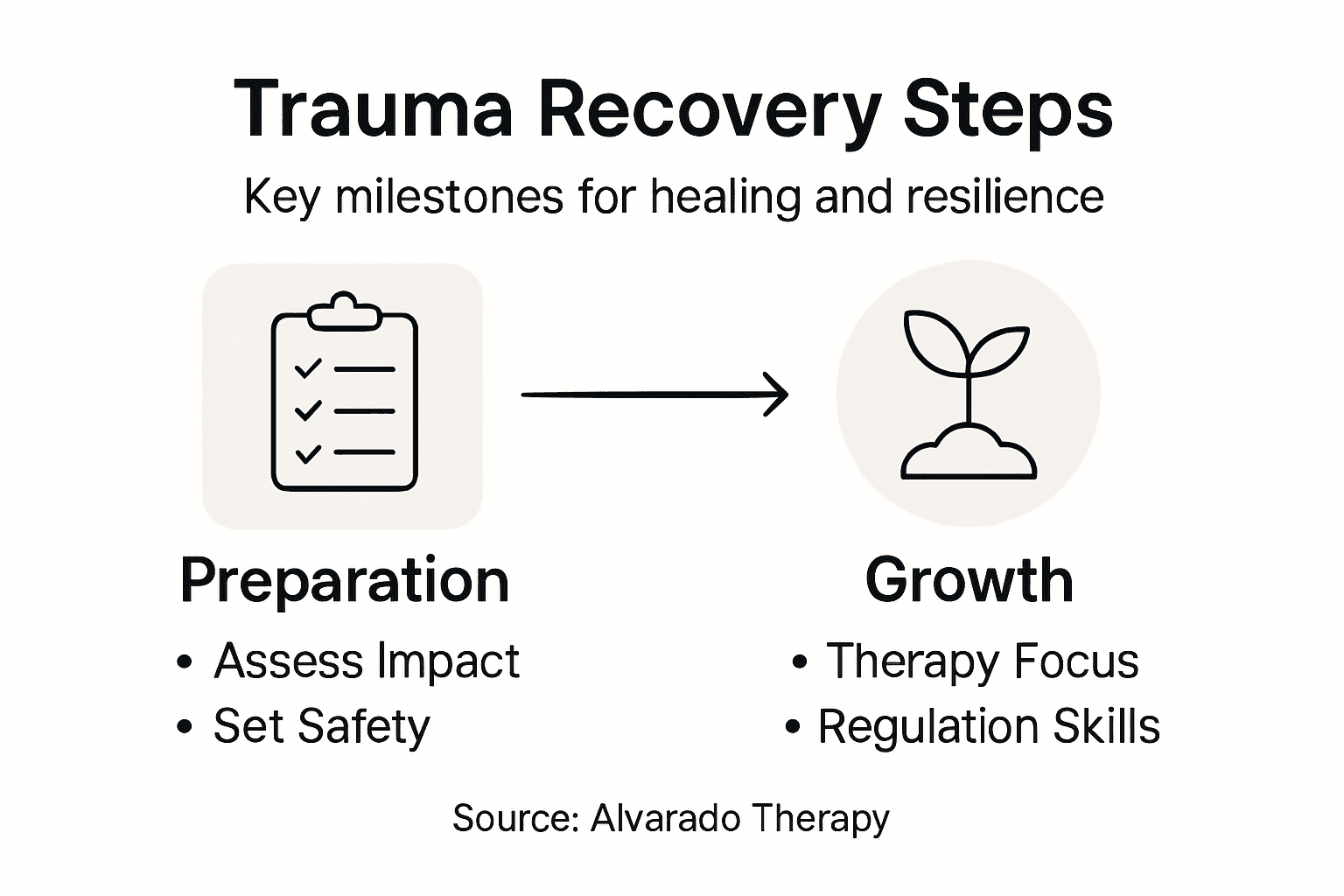
Trauma recovery measurement provides a structured approach to understanding your healing trajectory, helping you acknowledge the incremental steps you have taken and identify areas for continued growth. By tracking your emotional integration, social connections, and personal resilience, you gain valuable insights into your recovery journey.
Strategies for verifying and reinforcing healing include:
Journaling to track emotional shifts and personal insights
Regular therapy check-ins to assess treatment progress
Self-reflection exercises to recognize personal growth
Narrative reconstruction of your trauma experience
Celebrating milestones in your healing journey
Healing is not about reaching a perfect destination, but about embracing your ongoing transformation and resilience.
Consider working with a trauma-informed therapist who can help you objectively evaluate your progress and develop strategies for continued healing. Each person's recovery path is unique, and professional guidance can provide valuable perspective and support.
Pro tip: Create a personal healing milestone tracker that allows you to document and celebrate your progress, no matter how small, recognizing that every step forward is a testament to your strength.
Here's a summary of how each trauma recovery step supports long-term healing:
| Recovery Step | Primary Goal | Supportive Actions | Long-term Benefit |
|---|---|---|---|
| Assess trauma impact | Self-awareness | Guided reflection and journaling | Clarity on healing needs |
| Establish safety | Stability | Build support network, set boundaries | Foundation for ongoing recovery |
| Trauma-focused therapy | Processing trauma | EMDR, targeted treatment plans | Reduced PTSD symptoms, resilience |
| Emotional regulation | Internal balance | Mindfulness and coping skills | Improved stress management |
| Reinforce healing | Progress validation | Milestone tracking, narrative work | Sustained growth and optimism |
Take Confident Steps Toward Healing with Expert Trauma Support
Recovering from trauma can feel overwhelming when you face emotional distress, physical symptoms, and challenges in establishing safety and resilience. This guide highlights critical steps like assessing trauma impact, building emotional regulation skills, and engaging in specialized therapies such as EMDR to change your relationship with traumatic memories and build lasting strength.
At Alvarado Therapy, our licensed therapists in California specialize in trauma-informed care tailored to your unique needs. Whether you are seeking targeted trauma-focused therapy, support through emotional regulation, or help creating a strong safety foundation, we offer compassionate guidance every step of the way.

Start transforming your healing journey today by exploring our full range of services at Alvarado Therapy. Discover how professional, culturally responsive care can empower you to overcome trauma and embrace resilience. Connect with our team and take the next step toward lasting recovery now.
Frequently Asked Questions
How can I assess the impact of my trauma on my life?
Begin by engaging in self-reflection to identify emotional, cognitive, and physical symptoms related to your trauma. Journal your observations to gain insight into how trauma affects you and establish areas for focus in your recovery journey.
What steps should I take to create a safe environment for my healing?
Establish physical, emotional, and relational safety by identifying immediate threats and building a support network of trusted individuals. Develop a personal safety plan with coping mechanisms that you can use during moments of distress.
How do I engage in EMDR or other trauma-focused therapies?
Start by finding a certified therapist who specializes in EMDR or trauma-focused therapies. Schedule an initial assessment to establish treatment goals, and actively participate in the therapeutic process to effectively process your traumatic memories.
What emotional regulation skills can help me during my recovery?
Practice mindfulness, breathing techniques, and sensory grounding methods to manage intense emotions. Create a personal emotional regulation toolkit with 3-5 techniques that work for you and practice them daily to build resilience.
How can I track my progress in trauma recovery?
Use journaling and regular therapy check-ins to reflect on your emotional growth and identify any areas needing attention. Set up a personal healing milestone tracker to document and celebrate your progress, no matter how small, recognizing every step as a testament to your strength.
What should I do if I feel stuck in my recovery process?
If you feel stuck, consider revisiting your assessment of trauma impacts and safety foundations. Engage in self-reflection and discuss your feelings with a trauma-informed therapist for tailored guidance to help you continue moving forward in your healing journey.
Recommended
7 Steps for a Practical Trauma Recovery Checklist — Alvarado Therapy
Trauma Healing Process Workflow for Effective Recovery — Alvarado Therapy
7 Tips for Emotional Healing After Trauma and Loss — Alvarado Therapy
7 Effective Trauma Recovery Tips for Lasting Healing — Alvarado Therapy
Role of Therapy in Trauma Recovery: Evidence and Impact - ReviveHealthTherapy
