
7 Steps for a Practical Trauma Recovery Checklist
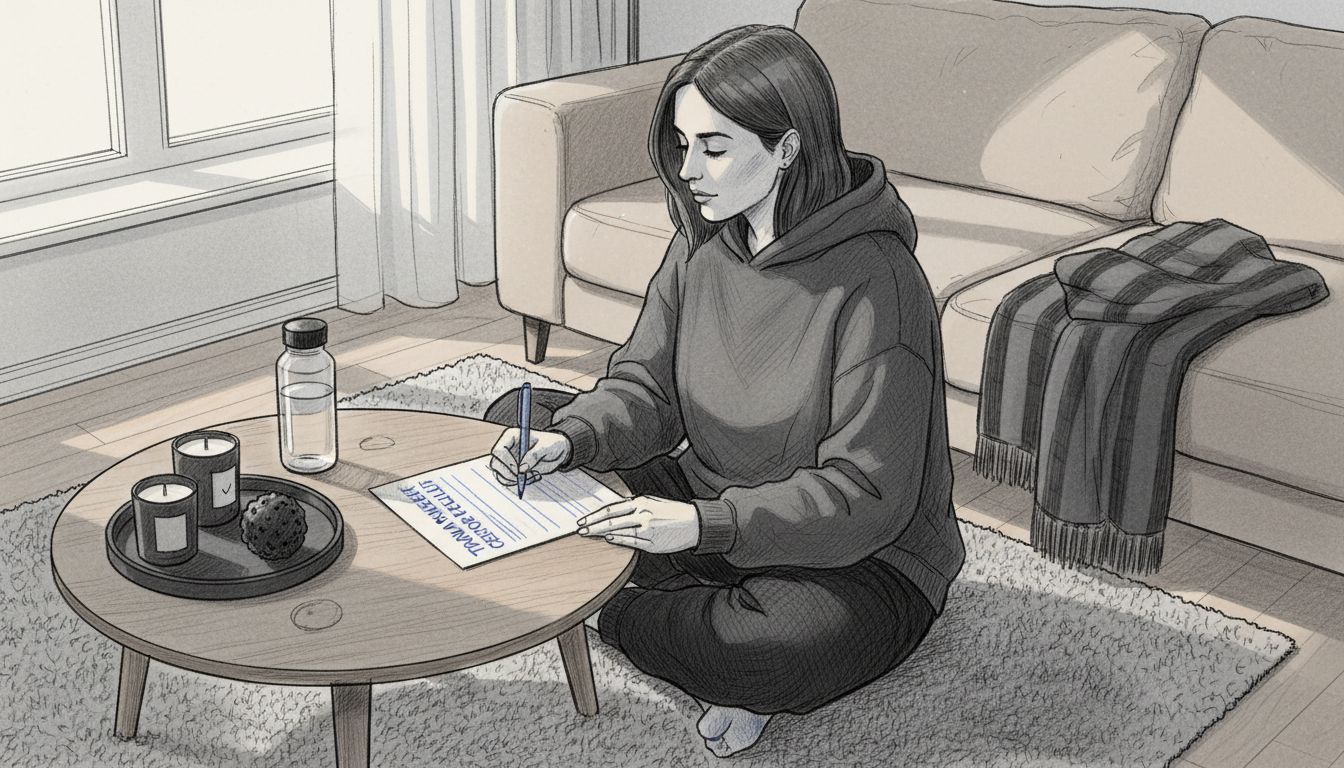
Recovering from trauma often feels unpredictable and overwhelming. Finding routines and environments that support healing can be difficult, especially when symptoms like anxiety, flashbacks, and emotional distress disrupt daily life. The right strategies can make a significant difference in how you regain safety and control.
This list will give you concrete, research-backed steps for creating emotional safety and building resilience. You will learn how to identify supportive spaces, use grounding skills, and adopt habits that really support your recovery. Each point provides practical guidance you can put to use right away, helping you feel more secure and confident in your healing process.
Table of Contents
Quick Summary
| Key Insight | Explanation |
|---|---|
| 1. Identify Safe Spaces | Create physical and emotional environments that promote comfort and support your healing journey after trauma. |
| 2. Learn Grounding Techniques | Use grounding methods to manage overwhelming emotions and stay present during stress, enhancing emotional regulation. |
| 3. Track Your Triggers | Document emotional and physical triggers to understand your responses better and empower your healing process. |
| 4. Practice Self-Compassion | Shift your inner dialogue to kindness, recognizing that healing is a journey and requires patience. |
| 5. Set Realistic Recovery Goals | Establish specific, attainable milestones in your healing process to maintain motivation and celebrate progress. |
1. Identify Your Safe Spaces and Support Network
Trauma recovery requires more than individual healing - it demands creating environments where you feel emotionally secure and supported. Identifying safe spaces becomes a critical first step in rebuilding trust and resilience after experiencing traumatic events.
Safe spaces are physical and emotional environments that provide psychological protection and comfort. These spaces can include:
Personal home areas where you feel calm and relaxed
Trusted friends' homes or apartments
Therapy offices or counseling centers
Community support groups
Online forums dedicated to trauma survivors
Religious or spiritual spaces that offer tranquility
Outdoor locations that help you feel grounded
Research highlights the profound impact of safe spaces on mental health. Trauma-sensitive environments significantly reduce anxiety by creating predictable, nurturing settings where survivors can begin healing.
A safe space is not just a location - it's a sanctuary where your emotional well-being is prioritized and protected.
Building a support network involves consciously selecting individuals who demonstrate empathy, respect boundaries, and understand your healing journey. Look for people who:
Listen without judgment
Validate your experiences
Offer emotional support
Respect your healing pace
Demonstrate consistent reliability
Pro tip: Create a digital or physical "comfort kit" with contact information for your support network, including therapists, trusted friends, and crisis helpline numbers.
2. Learn Grounding and Coping Skills for Stress
Trauma survivors often experience overwhelming emotions and anxiety that can feel paralyzing and uncontrollable. Grounding techniques offer powerful strategies to help you regain emotional balance and stay present during stressful moments.
Grounding skills are practical methods designed to help you manage anxiety and stress symptoms by anchoring yourself in the current moment. These techniques work by redirecting your focus from traumatic memories or overwhelming emotions to immediate sensory experiences.
Effective grounding strategies include:
5-4-3-2-1 Sensory Technique
Identify 5 things you can see
Name 4 things you can touch
Recognize 3 things you can hear
Detect 2 things you can smell
Note 1 thing you can taste
Physical Grounding Methods
Press your feet firmly into the ground
Hold a cold or textured object
Engage in slow, deep breathing
Perform gentle stretching
Grounding is not about eliminating your emotions, but about creating a safe internal space to experience them without becoming overwhelmed.
Research demonstrates that grounding strategies help regulate emotional responses and reduce the risk of dissociation during trauma recovery. By practicing these techniques regularly, you can build resilience and develop a stronger sense of control.
Pro tip: Create a small emergency grounding kit with sensory items like a stress ball, lavender sachet, or textured object to help you quickly reconnect with the present moment.
3. Track Your Emotional and Physical Triggers
Understanding your trauma triggers is like creating a personal roadmap to healing. Emotional and physical triggers are unique signals that can unexpectedly activate traumatic memories or intense emotional responses.
Tracking these triggers is a powerful strategy for managing PTSD symptoms effectively. By systematically documenting your experiences, you gain valuable insights into your emotional landscape and develop personalized coping mechanisms.
Trigger tracking involves monitoring several key dimensions:
Emotional Triggers
Specific situations that cause distress
Particular sounds or smells
Interpersonal interactions
Memory flashbacks
Anniversaries of traumatic events
Physical Triggers
Bodily sensations that indicate stress
Muscle tension
Increased heart rate
Sudden sweating
Difficulty breathing
Trembling or shaking
Your triggers are not your weakness. They are your body's sophisticated survival mechanism communicating important information.
To create an effective tracking system, consider using:
Digital mood tracking apps
Handwritten journal
Spreadsheet with detailed columns
Therapy-recommended tracking sheets
Consistent documentation helps identify patterns, understand your unique stress responses, and develop targeted healing strategies. By recognizing your triggers, you transform from a passive recipient of trauma to an active participant in your recovery.
Pro tip: Create a simple trigger tracking template with columns for date, trigger type, intensity, location, and initial coping response to build self-awareness and resilience.
4. Practice Self-Compassion and Mindful Reflection
Trauma recovery is not about perfection - it is about gentle, consistent healing. Self-compassion transforms your internal dialogue from harsh criticism to nurturing understanding.
Research reveals that practicing self-compassion moderates trauma symptoms by reducing shame and enhancing emotional regulation. Your healing journey deserves kindness.
Self-compassion involves three core components:
Mindful Awareness
Recognize your pain without judgment
Observe emotions without getting overwhelmed
Allow feelings to exist without criticism
Common Humanity
Understand that suffering is a universal experience
Recognize you are not alone in your struggles
Connect with others' similar experiences
Self-Kindness
Speak to yourself as you would a beloved friend
Replace self-criticism with gentle understanding
Offer yourself comfort during difficult moments
Healing is not linear. Some days you'll make great strides. Other days, simply surviving is an achievement.
Practical reflection techniques include:
Daily journaling with compassionate prompts
Meditation focused on self-acceptance
Writing compassionate letters to yourself
Tracking personal growth without harsh judgment
By integrating self-compassion, you transform trauma from a wound into a pathway of resilience and personal growth.
Pro tip: Create a personal compassion mantra you can repeat during challenging moments, such as "I am healing. I am safe. I am worthy of kindness.
5. Set Realistic Recovery Goals and Milestones
Healing from trauma is a deeply personal journey that requires patience and strategic planning. Recovery goals transform overwhelming healing processes into manageable stepping stones.
Setting goals that are specific and attainable helps sustain motivation throughout your trauma recovery journey. These milestones create a roadmap that celebrates small victories and provides clear direction.
Effective recovery goal characteristics include:
Specific Objectives
Clearly defined outcomes
Measurable progress indicators
Tailored to personal healing needs
Realistic Expectations
Acknowledge individual pace
Account for potential setbacks
Balance challenge with achievability
Flexible Frameworks
Allow room for adjustment
Recognize nonlinear healing processes
Adapt goals as personal understanding evolves
Your recovery journey is uniquely yours. Goals are guideposts not rigid demands.
Goal-setting strategies for trauma recovery:
Start with small weekly objectives
Document progress in a dedicated journal
Celebrate every milestone genuinely
Reassess and modify goals quarterly
Share goals with trusted support system
Recovery goals might include emotional milestones like reducing anxiety triggers, improving sleep quality, or developing healthier relationship patterns.
Pro tip: Create a visual goal tracker using a simple notebook or digital app where you can color code and celebrate your progress, making the healing journey more tangible and encouraging.
6. Build Healthy Routines for Sleep and Nutrition
Trauma recovery demands intentional care for your body and mind. Nutrition and sleep form the foundational pillars of healing, directly influencing your emotional and physical resilience.
Nutritional choices critically impact sleep qualityand overall trauma recovery process. Understanding this connection transforms how you approach daily self-care.
Key nutrition and sleep strategies include:
Sleep-Supporting Nutrients
Magnesium-rich foods
Omega-3 fatty acids
Melatonin-producing ingredients
Complex carbohydrates
Lean proteins
Sleep Hygiene Practices
Consistent bedtime routine
Dark and cool sleeping environment
Limited screen time before bed
Relaxation techniques
Regular sleep schedule
Healing happens in moments of rest. Your body repairs itself while you sleep.
Nutrition recommendations for trauma recovery:
Eat balanced meals with whole foods
Stay hydrated throughout the day
Limit caffeine and alcohol
Include anti-inflammatory foods
Practice mindful eating
These strategies support your nervous system's recovery by providing essential nutrients and creating predictable, nurturing rhythms.
Pro tip: Prepare a weekly meal plan and sleep schedule template that includes nutrient-dense foods and consistent bedtime routines to reduce daily decision fatigue and support your healing journey.
7. Seek Professional Guidance from Trauma-Informed Therapists
Healing from trauma is not a journey you must navigate alone. Professional trauma therapy offers specialized support that transforms your recovery experience through expert understanding and compassionate guidance.
Trauma-informed therapists are trained to recognize and respond to trauma complexities with exceptional skill and sensitivity. These professionals create safe therapeutic environments that prioritize your emotional well-being.
Key characteristics of trauma-informed therapists include:
Therapeutic Approach
Deep understanding of trauma responses
Commitment to patient safety
Respect for individual healing pace
Non-judgmental listening
Personalized treatment strategies
Professional Training
Advanced trauma recovery techniques
Cultural competency
Evidence-based intervention methods
Ongoing professional education
Specialized trauma certification
Healing is not about erasing your past. It is about reclaiming your power and writing a new narrative.
What to expect from trauma-informed therapy:
Comprehensive initial assessment
Collaborative treatment planning
Safe emotional exploration
Skill-building for emotional regulation
Gradual, patient-centered progress
By choosing a trauma-informed therapist, you invest in a healing relationship built on trust, expertise, and genuine compassion.
Pro tip: Schedule initial consultations with multiple therapists to find the best therapeutic fit, paying attention to how comfortable and understood you feel during the first interactions.
Below is a comprehensive table summarizing strategies and actions for trauma recovery, highlighting their purposes, key actions, and anticipated outcomes.
| Strategy | Key Actions | Anticipated Outcomes |
|---|---|---|
| Identifying Safe Spaces | Locate environments, both physical and digital, where you feel secure and supported. | Reduce anxiety, nurture trust and resilience. |
| Establishing a Support Network | Connect with empathetic individuals who respect your boundaries and validate your experiences. | Build emotional connectivity and ensure a sense of companioned healing. |
| Practicing Grounding Skills | Implement sensory grounding exercises and mindfulness strategies to stay present during stress. | Manage overwhelming emotions, prevent dissociation. |
| Tracking Emotional Triggers | Monitor and document factors that evoke intense feelings or stress. | Understand triggers for proactive coping strategy development. |
| Cultivating Self-Compassion | Foster kindness towards oneself through mindfulness and embracing common humanity. | Enhance emotional regulation and reduce self-criticism. |
| Setting Recovery Goals | Develop specific, realistic milestones tailored to your healing path. | Encourage progression with measurable achievements. |
| Enhancing Sleep and Nutrition Habits | Follow balanced nutritional choices and maintain a consistent sleep schedule. | Improve physical recovery and emotional well-being. |
| Seeking Professional Guidance | Work with trauma-informed therapists trained to address your individual needs expertly. | Access specialized support to navigate recovery complexities. |
Take Control of Your Trauma Recovery Journey Today
If you are seeking practical steps to navigate trauma recovery with clear goals and effective coping skills this is your moment to act. The challenges of identifying safe spaces managing triggers and building healthy routines can feel overwhelming when faced alone. Alvarado Therapy offers trauma-informed support tailored to your unique healing process whether you prefer in-person care in Ventura CA or convenient sessions Online in California.
Discover the power of compassionate, expert guidance from licensed therapists who specialize in EMDR therapy and trauma-sensitive counseling. Start with a personalized approach designed to empower your resilience and help you set realistic recovery milestones. Visit Alvarado Therapy to learn more and connect with our team ready to support your healing journey every step of the way. Explore our dedicated professionals in Ventura CA (in person) and begin the transformation now.
Frequently Asked Questions
What are safe spaces in trauma recovery?
Safe spaces are physical and emotional environments that offer psychological protection and comfort during trauma recovery. Identify areas where you feel calm and secure, such as your home or the home of trusted friends, and make them part of your healing process.
How can I develop grounding skills for managing stress?
Grounding skills are techniques that help you stay present by focusing on your immediate sensory experiences. Start practicing grounding exercises, like the 5-4-3-2-1 Technique, to help reduce anxiety and regain emotional balance.
What should I track regarding my emotional and physical triggers?
You should monitor situations, sounds, smells, and any bodily sensations that cause distress or activate traumatic memories. Create a simple tracking system to note these triggers, which will help you understand your emotional landscape and develop better coping strategies.
How can I practice self-compassion while recovering from trauma?
Practicing self-compassion involves treating yourself with the same kindness you would offer a friend facing difficulties. Start by adjusting your internal dialogue, replacing self-criticism with understanding, and acknowledging your feelings without judgment.
What types of goals should I set for my trauma recovery?
Set specific, realistic, and flexible recovery goals tailored to your healing needs, such as improving sleep quality or reducing anxiety triggers. Begin with small, achievable objectives, and track your progress regularly to maintain motivation and celebrate milestones.
How can I find a trauma-informed therapist?
To find a trauma-informed therapist, look for professionals who have specialized training in trauma recovery and prioritize creating a safe environment. Schedule initial consultations with multiple therapists to determine the right fit for your healing journey.
