
Step by Step Trauma Healing Guide for Lasting Recovery
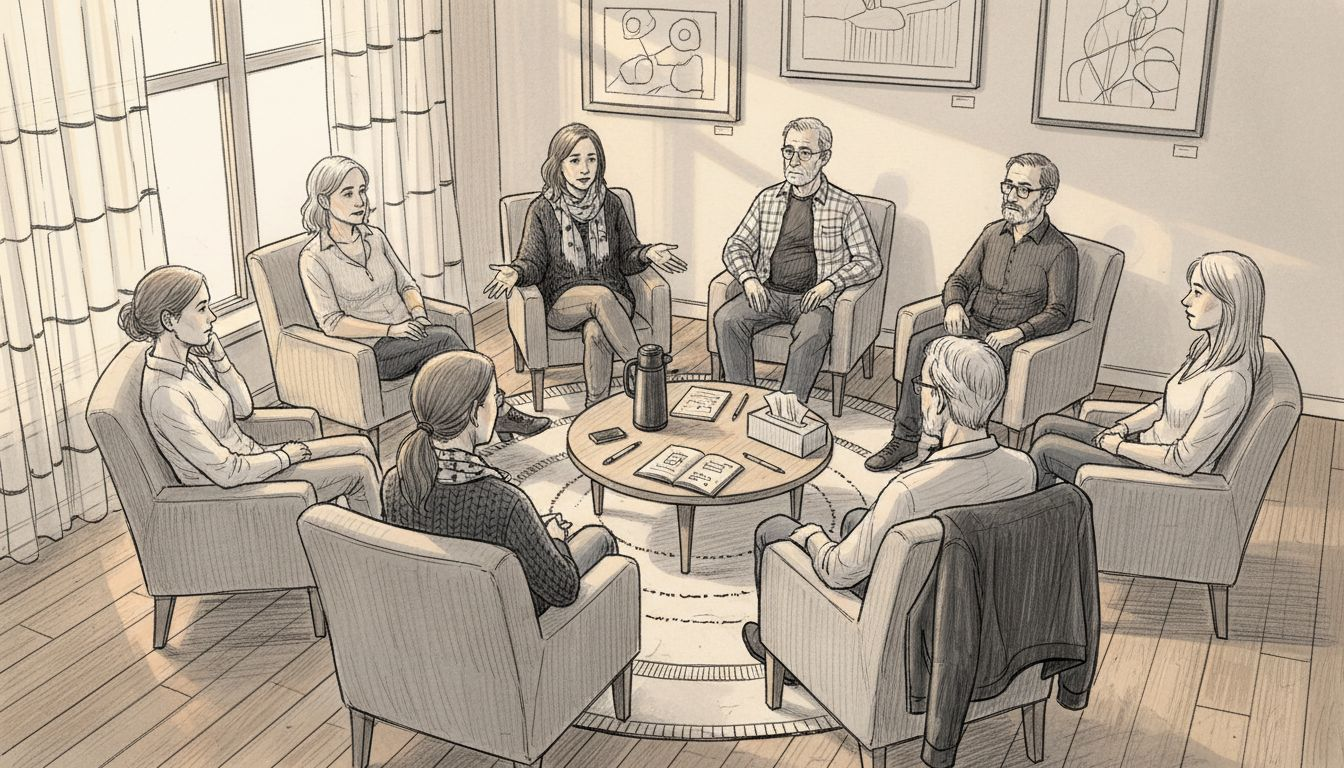
For many California adults navigating the weight of childhood trauma and PTSD, safety can feel out of reach. Healing begins with building a foundation of trust and security. The sense of safety theoretical framework highlights that true recovery starts with more than just a physical place—it requires an environment where your whole self is welcomed and protected. This guide walks you through each critical step to create a healing journey shaped by culturally responsive support, empowering you to reclaim peace and resilience.
Table of Contents
Quick Summary
| Key Point | Explanation |
|---|---|
| 1. Create a Safe Healing Environment | Establish a secure physical and emotional space where you feel comfortable and can process your trauma. |
| 2. Acknowledge Your Trauma Experiences | Recognize and validate your past experiences, understanding that your feelings are legitimate and worthy of attention. |
| 3. Work with a Trauma-Informed Therapist | Seek out a therapist who specializes in trauma and understands the nuances of healing to guide you effectively. |
| 4. Implement Evidence-Based Healing Practices | Use therapeutic techniques like CBT and EMDR that are supported by research to aid in your recovery. |
| 5. Monitor Your Healing Progress | Regularly assess your emotional well-being and therapy effectiveness, adjusting strategies as needed for optimal growth. |
Step 1: Prepare for Healing with a Safe Environment
Creating a safe environment is the foundational first step in your trauma healing journey. Understanding how to develop a physically and emotionally secure space can significantly support your recovery process and help you feel protected while processing complex experiences.
A safe environment involves multiple dimensions that address your physical, emotional, and psychological well-being. Sense of safety theoretical framework emphasizes that safety isn't just about physical location, but encompasses a holistic approach to healing.
Key elements for establishing a safe healing environment include:
Secure physical space with clear boundaries
Consistent and predictable routines
Comfort items that provide emotional regulation
Minimal potential triggers
Control over your immediate surroundings
To create this environment, start by identifying spaces where you feel most comfortable and protected. This might be a specific room in your home, a quiet outdoor area, or a dedicated therapy space. Personalize this area with items that bring you a sense of calm - soft blankets, calming artwork, plants, or meaningful photographs.
A safe environment is not just a place, but a carefully crafted sanctuary that supports your healing journey.
Consider working with a trauma-informed therapist who can help you develop strategies for creating safety. They can provide guidance on managing potential triggers and establishing boundaries that protect your emotional well-being.
Pro tip: Create a "safety kit" with grounding objects like a soft texture, calming essential oils, a comforting playlist, or a stress ball to help you feel secure during challenging moments.
Step 2: Acknowledge and Validate Past Trauma Experiences
Acknowledging and validating your past trauma experiences is a critical step in your healing journey. This process helps you recognize the impact of your experiences while creating space for emotional processing and recovery.
Trauma healing requires compassionate self-recognitionof the complex emotions and experiences you've endured. Understanding that your feelings are valid and your experiences matter is fundamental to moving forward.
Key strategies for acknowledging and validating your trauma include:
Recognize the legitimacy of your experiences
Allow yourself to feel emotions without judgment
Understand that your reactions are normal responses to abnormal situations
Separate the trauma from your personal worth
Practice self-compassion
Start by creating a supportive environment where you feel safe to explore your experiences. This might involve working with a trauma-informed therapist who can guide you through the validation process. Journaling can also be an powerful tool for processing and acknowledging your trauma.
Validation is not about reliving trauma, but about honoring your journey and creating space for healing.
Remember that validation is a personal journey. There's no single "right" way to acknowledge your experiences. Some individuals find strength in sharing with trusted friends or support groups, while others prefer more private methods of processing.
Pro tip: Create a compassionate narrative for yourself that acknowledges your strength in surviving, rather than focusing solely on the traumatic events.
Step 3: Connect with a Trauma-Informed Therapist
Finding the right trauma-informed therapist is a crucial step in your healing journey. This process involves identifying a professional who understands the complex nature of trauma and can provide compassionate, specialized support tailored to your unique experiences.
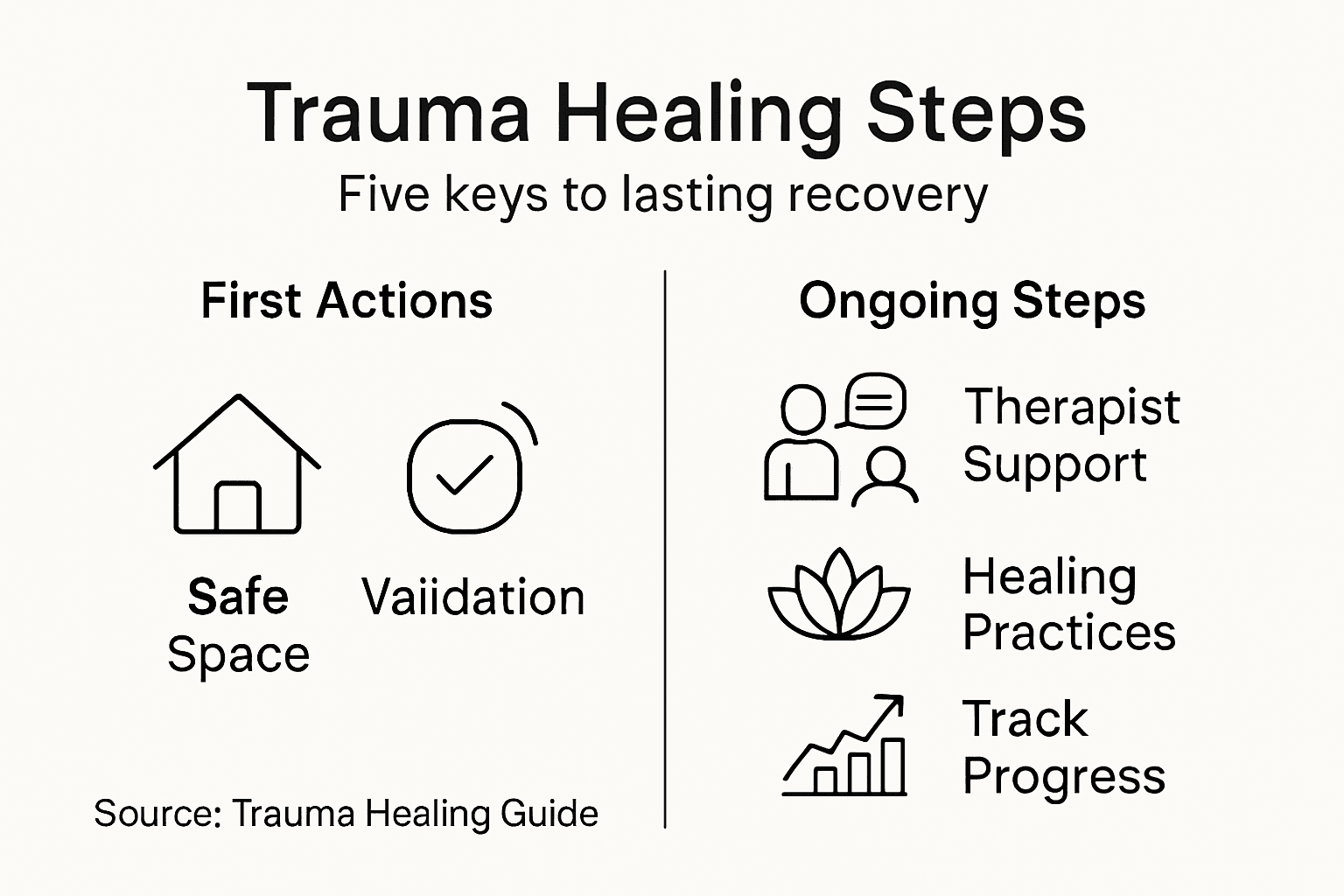
Trauma-informed counseling approaches are essential for creating a safe and supportive therapeutic environment. A skilled therapist will help you navigate your healing process with empathy, understanding, and evidence-based techniques.
Key steps to finding the right trauma-informed therapist include:
Research specialized therapists with trauma expertise
Check therapist credentials and training
Verify experience with your specific type of trauma
Consider cultural and linguistic compatibility
Trust your instincts about personal comfort
Start by asking for recommendations from trusted healthcare providers, support groups, or mental health organizations. Many therapists offer initial consultations where you can assess their approach and determine if they're a good fit for your healing journey.
A trauma-informed therapist is not just a professional, but a compassionate guide on your path to recovery.
During your initial consultations, prepare a list of questions about their therapeutic approach, experience with trauma recovery, and specific methods they use. Don't hesitate to ask about their training in trauma-sensitive techniques and their philosophy of healing.
Pro tip: Schedule initial consultations with multiple therapists to find the most comfortable and supportive therapeutic relationship.
Step 4: Implement Evidence-Based Healing Practices
Implementing evidence-based healing practices is a transformative step in your trauma recovery journey. This critical phase involves selecting scientifically supported therapeutic approaches that can help you process traumatic experiences and restore emotional balance.
Evidence-based trauma interventions offer structured pathways to healing that address the complex psychological and physiological impacts of trauma. Understanding these approaches allows you to make informed decisions about your mental health treatment.
Key evidence-based healing practices include:
Cognitive Behavioral Therapy (CBT) for processing traumatic memories
Eye Movement Desensitization and Reprocessing (EMDR)
Somatic experiencing techniques
Mindfulness and body-centered therapies
Trauma-focused psychotherapy
Work closely with your trauma-informed therapist to develop a personalized treatment plan. Each therapeutic approach has unique strengths, and the most effective healing often involves a combination of methods tailored to your specific experiences and symptoms.
Here's a comparison of popular evidence-based trauma healing therapies to help guide your treatment decisions:
| Therapy Type | Core Focus | Typical Techniques | Best For |
|---|---|---|---|
| Cognitive Behavioral Therapy (CBT) | Thoughts and behaviors | Thought challenging, coping skills, exposure | PTSD, anxiety |
| EMDR | Desensitization of trauma memories | Bilateral stimulation, memory reprocessing | Single-event trauma |
| Somatic Experiencing | Body-based trauma release | Tracking sensations, grounding, movement | Chronic stress, somatic symptoms |
| Mindfulness Therapy | Present awareness | Meditation, breathing, body scanning | Emotional regulation and anxiety disorders |
| Trauma-Focused Psychotherapy | Holistic trauma processing | Integrative talk therapy, narrative development | Complex trauma and deep distress |
Healing is not a linear process, but a personalized journey of recovery and resilience.
Remember that implementing these practices requires patience and commitment. Some techniques might feel challenging initially, but they are designed to help you gradually process and integrate traumatic experiences in a safe, supportive environment.
Pro tip: Keep a journal to track your progress and emotional responses during different therapeutic interventions, which can provide valuable insights for you and your therapist.
Step 5: Monitor Progress and Adjust Healing Strategies
Monitoring your healing progress is a dynamic and essential part of trauma recovery. This step involves regularly assessing your emotional well-being, therapeutic techniques, and overall healing trajectory to ensure your strategies remain effective and responsive to your changing needs.

Trauma recovery frameworks emphasize collaborative progress monitoring as a critical component of successful healing. This approach allows you to actively participate in understanding and adapting your treatment plan.
Key strategies for monitoring and adjusting your healing journey include:
Track emotional and physiological responses to therapy
Document changes in trauma symptoms
Regularly communicate with your therapist
Assess the effectiveness of current therapeutic techniques
Be open to modifying treatment approaches
Create a structured system for tracking your progress. This might involve maintaining a detailed journal, using mood tracking apps, or developing a consistent check-in process with your therapist. Pay attention to both subtle and significant changes in your emotional state, triggers, and overall sense of well-being.
To help track your trauma recovery progress, refer to this summary of useful self-monitoring tools:
| Tool Type | What It Tracks | How It Helps | Example App/Method |
|---|---|---|---|
| Mood Tracker | Emotional states, changes | Identifies patterns | Moodnotes, Daylio |
| Symptom Journal | Physical/emotional symptoms | Monitors improvement | Paper journal, Simple diary |
| Therapy Check-Ins | Session outcomes, feelings | Guides strategy updates | Conversation logs |
| Self-Assessment | Overall wellbeing, goals | Evaluates progress | Custom forms, App surveys |
Healing is a personal journey of continuous growth and adaptation, not a destination with a fixed endpoint.
Remember that setbacks are normal and do not indicate failure. They are opportunities to reassess and refine your healing strategies. Your therapeutic approach should be flexible and evolve as you grow and develop new coping mechanisms.
Pro tip: Develop a quarterly self-assessment ritual where you review your healing journal and discuss insights with your therapist to proactively adjust your recovery strategy.
Take the Next Step Toward Lasting Trauma Recovery
Healing from trauma requires a safe space and expert guidance tailored to your unique journey. This guide highlights crucial steps like creating secure environments, validating your experiences, and implementing evidence-based therapies such as EMDR and somatic approaches. If you are looking for compassionate support that truly understands the depth of your challenges you are not alone. Alvarado Therapy specializes in trauma-informed care with licensed therapists serving clients across California, including Ventura CA (in person) — Meet Our Team — Alvarado Therapy and online.
Start your healing with professionals who prioritize your safety, validation, and personalized treatment plans. Visit Alvarado Therapy to explore our services and connect with a trauma-informed therapist in California — Meet Our Team — Alvarado Therapy today. Begin your transformation now and reclaim control over your recovery journey.
Frequently Asked Questions
How can I create a safe environment for trauma healing?
Creating a safe environment for trauma healing involves establishing a secure physical space, predictable routines, and comfort items. Start by identifying a space in your home that makes you feel protected and personalize it with items that bring you calmness, such as soft blankets or meaningful photographs.
What steps should I take to acknowledge and validate my past trauma experiences?
To acknowledge and validate your past trauma, recognize the legitimacy of your experiences and allow yourself to feel emotions without judgment. Consider journaling your thoughts and feelings as a compassionate way to honor your journey and support your emotional processing.
How do I find a trauma-informed therapist?
To find a trauma-informed therapist, research professionals with specific training in trauma recovery and check their credentials. Schedule initial consultations with multiple therapists and prepare questions about their therapeutic approaches and experiences to determine who feels like the best fit for your healing journey.
Which evidence-based healing practices should I consider for trauma recovery?
Evidence-based healing practices you may consider include Cognitive Behavioral Therapy (CBT), Eye Movement Desensitization, and Reprocessing (EMDR), and mindfulness techniques. Work with your trauma-informed therapist to develop a personalized plan that incorporates one or more approaches tailored to your specific needs.
How can I monitor my progress during trauma recovery?
You can monitor your progress by tracking your emotional and physical responses to therapy and documenting any changes in your symptoms. Create a structured system that includes journaling or using mood-tracking methods to help guide your healing and allow for adjustments to your treatment strategies as needed.
What should I do if I experience setbacks during my healing journey?
If you experience setbacks during your healing journey, view them as natural and normal opportunities for growth. Reassess your strategies, communicate openly with your therapist, and remain flexible in adjusting your treatment plan to better align with your evolving needs.
Recommended
Trauma Healing Process Workflow for Effective Recovery — Alvarado Therapy
7 Effective Trauma Recovery Tips for Lasting Healing — Alvarado Therapy
7 Tips for Emotional Healing After Trauma and Loss — Alvarado Therapy
Why Trauma Therapy Matters for Healing and Growth — Alvarado Therapy
Complete Guide to Role of Supplements in Recovery – Nutribliss Inc.
Complete Guide to Detox Symptoms and Healing - Mahoney inter
