
7 Practical Anxiety Coping Tips for California Adults
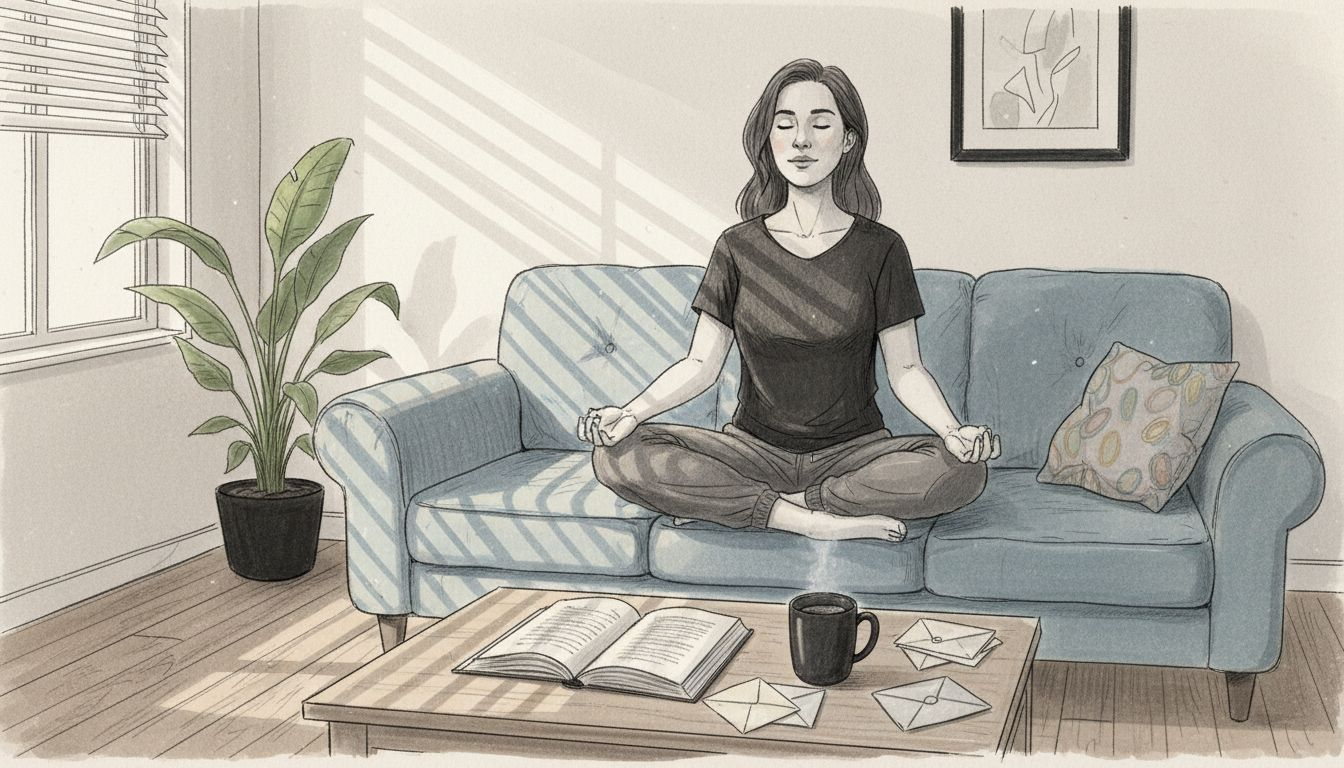
Stress and anxiety often show up when you least expect them, making daily life feel overwhelming. You might find it hard to relax, focus, or draw the line between your own needs and the demands of others. What if you had simple, proven tools that you could use right away for calmer moments and better well-being?
This list gives you practical methods that make a real difference—from mindful breathing for instant relief to effective ways of setting boundaries and grounding yourself when emotions run high. Get ready to find easy techniques you can use anywhere, even in your busiest or most stressful times. Each tip is chosen to help you manage anxiety with more confidence and control.
Table of Contents
Quick Summary
| Takeaway | Explanation |
|---|---|
| 1. Practice Deep Breathing | Deep breathing activates relaxation response, reducing anxiety and helping regain control. |
| 2. Use Grounding Techniques | Grounding methods promote present moment awareness, effectively reducing anxious spirals. |
| 3. Set Healthy Boundaries | Establishing personal limits protects mental energy and fosters healthier relationships away from burnout. |
| 4. Create a Self-Care Routine | A consistent self-care plan supports emotional health through manageable daily activities. |
| 5. Seek Professional Help | Professional support provides personalized strategies for managing anxiety and building resilience. |
1. Practice Deep Breathing for Instant Calm
Anxiety can feel overwhelming. But what if you could hit the "pause" button on stress with something as simple as breathing? Mindful breathing techniques offer a powerful strategy for instant calm that you can practice anywhere.
Deep breathing works by activating your body's natural relaxation response. When you focus on slow intentional breaths your nervous system shifts from a state of high alert to one of peaceful balance. This isn't just a mental trick - it's a scientifically proven method to reduce stress.
Here are some key benefits of practicing deep breathing:
Reduces immediate anxiety symptoms
Lowers heart rate and blood pressure
Helps regulate emotional responses
Can be done anywhere without special equipment
Provides an immediate sense of control
Breathing is the first act of life and the last. Our very life depends on it.
To practice deep breathing effectively:
Find a comfortable seated or lying position
Place one hand on your chest and one on your stomach
Inhale slowly through your nose for 4 seconds
Hold breath for 2 seconds
Exhale gradually through your mouth for 6 seconds
The Mayo Clinic recommends practicing these techniques daily ideally in a natural setting to maximize stress reduction.
Pro tip: Keep a small sticky note near your workspace or phone as a gentle reminder to take three deep breaths whenever you feel tension building.
2. Use Grounding Techniques to Stay Present
Anxiety can make you feel disconnected and spiraling out of control. Grounding techniques offer a powerful way to anchor yourself in the present moment and regain emotional stability.
Grounding works by redirecting your brain's focus from anxious thoughts to immediate sensory experiences. When anxiety strikes your mind can become a whirlwind of worries. These techniques help interrupt that cycle by bringing your attention back to the physical world around you.
Here are effective grounding strategies you can use anywhere:
The 5-4-3-2-1 Sensory Method
Physical movement techniques
Object focus exercises
Breathing awareness
Nature connection practices
Grounding is about returning to the present moment and feeling safe in your body.
To practice the 5-4-3-2-1 technique:
Identify 5 things you can see
Name 4 things you can touch
Recognize 3 sounds you hear
Detect 2 things you can smell
Notice 1 thing you can taste
This method helps reset your nervous system by engaging multiple senses simultaneously.
Pro tip: Create a small "grounding kit" with tactile objects like a smooth stone or textured fabric that you can carry with you for quick anxiety relief.
3. Set Healthy Boundaries in Daily Life
Life can feel overwhelming when you constantly say yes to everyone else's demands. Healthy boundaries are your personal protection plan against burnout and emotional exhaustion. Setting clear personal limits helps you reclaim your mental energy and preserve your well-being.
Boundaries are more than just saying no. They are a powerful form of self-respect that communicates your needs clearly and compassionately. By defining what you will and will not tolerate you create a framework for healthier relationships and reduced anxiety.
Effective boundary-setting involves multiple areas of life:
Emotional boundaries
Time management
Physical space
Work responsibilities
Personal relationships
Digital interactions
Your boundaries protect your inner peace like a shield protects a warrior.
To establish boundaries effectively:
Identify your personal limits
Communicate clearly and kindly
Use assertive but respectful language
Practice saying no without guilt
Reinforce your boundaries consistently
The Mayo Clinic Health System emphasizes that boundary-setting is crucial for reducing stress and maintaining personal satisfaction.
Pro tip: Create a personal mantra like "My time and energy are valuable" to help you confidently maintain boundaries when challenged.
4. Create a Simple Self-Care Routine
Self-care isn't a luxury. It's a fundamental strategy for managing anxiety and maintaining mental wellness. Developing a sustainable routine helps you build resilience and protect your emotional health.
A self-care routine is about intentionally scheduling activities that restore and support your overall well-being. It's not about perfection but consistent small actions that signal to your body and mind that you are worth taking care of.
Key areas to consider in your self-care plan:
Physical health and movement
Emotional processing
Mental stimulation
Social connection
Rest and relaxation
Creative expression
Stress management techniques
Small daily practices create significant long-term transformation.
To build an effective self-care routine:
Assess your current energy levels
Choose 2-3 manageable activities
Schedule them into your daily routine
Start with short 10-15 minute intervals
Adjust and adapt as needed
The Utah State University Extension recommends starting with achievable time slots to prevent overwhelming yourself.
Pro tip: Create a simple self-care checklist on your phone or a sticky note with 3 non-negotiable daily activities to help you stay consistent.
5. Challenge Negative Thoughts Gently
Your mind can be your harshest critic or your most compassionate ally. Negative thoughts are not facts just temporary mental patterns that you can learn to navigate with kindness and wisdom. Cognitive restructuring techniques offer a gentle approach to transforming your inner dialogue.
Instead of battling your thoughts aggressively you can learn to observe them with curiosity and compassion. This approach helps reduce anxiety by preventing the exhausting cycle of fighting or suppressing negative thinking.
Key strategies for gentle thought challenging:
Recognize thought patterns without judgment
Practice mindful observation
Seek alternative perspectives
Develop self-compassionate responses
Interrupt automatic negative thinking
Cultivate emotional resilience
Thoughts are visitors. Welcome them. Observe them. Let them pass.
To challenge negative thoughts effectively:
Pause and take a deep breath
Acknowledge the thought without attaching to it
Ask yourself: "Is this thought absolutely true?"
Look for evidence that contradicts the thought
Reframe with a more balanced perspective
The Georgetown University emphasizes acceptance and commitment as key to managing mental health effectively.
Pro tip: Create a small notebook or digital note titled "Thought Reframing" where you can write down negative thoughts and gently explore alternative interpretations.
6. Connect with Supportive People
Feeling alone in your anxiety can make everything feel harder. Meaningful human connection is a powerful antidote to isolation that can transform your mental health journey. Support groups provide emotional healing by creating spaces where shared experiences become sources of strength.
Connecting with supportive people isn't about finding perfect solutions but about building a compassionate network that understands your struggles. These connections offer validation emotional safety and practical coping strategies from people who truly get what you are experiencing.
Benefits of building a supportive network:
Reduces feelings of isolation
Provides emotional validation
Offers practical coping strategies
Increases sense of belonging
Creates accountability
Provides different perspective on challenges
Builds emotional resilience
Connection is the antidote to despair.
To find your support community:
Explore online support groups
Attend local mental health meetups
Join therapy group sessions
Connect with trusted friends
Consider professional counseling
The Anxiety and Depression Association of America offers free online peer support platforms designed for safe and anonymous interaction.
Pro tip: Start small by committing to one supportive interaction per week to gradually build your emotional support network without overwhelming yourself.
7. Seek Professional Help When Needed
Anxiety isn't something you have to fight alone. Seeking professional support is a courageous step towards healing that demonstrates strength not weakness. Therapy for young adults offers personalized strategies to navigate complex emotional landscapes.
Mental health professionals provide more than just symptom management. They offer a compassionate space to understand your unique anxiety triggers develop personalized coping mechanisms and build long-term emotional resilience.
Benefits of professional mental health support:
Personalized treatment strategies
Objective emotional perspective
Evidence-based coping techniques
Safe and confidential environment
Trauma-informed care
Professional accountability
Holistic wellness approach
Healing is not linear. Professional support helps you navigate the journey.
Steps to find the right mental health professional:
Identify your specific needs
Research licensed therapists
Check insurance coverage
Schedule initial consultations
Trust your comfort level
Be open to trying different approaches
By choosing professional support you are investing in your most important resource: yourself.
Pro tip: Create a list of three questions to ask potential therapists during initial consultations to ensure they understand your specific anxiety challenges.
This summary table details key strategies for managing anxiety and enhancing well-being as described in the article.
| Strategy | Steps to Implement | Benefits |
|---|---|---|
| Deep Breathing |
1. Sit or lie down comfortably. Place a hand on your chest and another on your stomach. 2. Inhale slowly through your nose for four seconds. 3. Hold for two seconds. 4. Exhale smoothly through your mouth for six seconds. |
Activates the body’s relaxation response, reduces stress, lowers heart rate and blood pressure, and helps regulate emotions. |
| Grounding Techniques |
1. Use the 5-4-3-2-1 sensory technique: five things seen, four touched, three heard, two smelled, and one tasted. 2. Perform small grounding actions such as holding an object. |
Shifts focus to present moments, interrupts cycles of anxious thoughts, and stabilizes emotional state. |
| Setting Healthy Boundaries |
1. Define personal limits. 2. Use clear, assertive communication to express boundaries. 3. Practice consistency in enforcing boundaries. |
Reduces stress, prevents burnout, builds self-respect, and maintains healthier relationships. |
| Creating a Self-Care Routine |
1. Assess energy levels. 2. Start with small, manageable activities such as rest or creative undertakings. 3. Develop a consistent schedule. |
Improves overall emotional well-being, enhances resilience, and establishes a sustainable self-care practice. |
| Challenging Negative Thoughts |
1. Observe thoughts without judgment. 2. Analyze their factual basis. 3. Reframe toward compassionate perspectives. |
Reduces the impact of negative thinking patterns, cultivates compassion, and supports emotional regulation by embracing alternative viewpoints. |
| Seeking Support |
1. Connect through local meetups, friends, or professionals. 2. Explore online support groups or counseling services. |
Provides emotional validation, practical coping mechanisms, increases a sense of belonging, and develops emotional resilience. |
Take Control of Anxiety with Compassionate Support at Alvarado Therapy
If anxiety feels like a heavy weight as described in the article "7 Practical Anxiety Coping Tips for California Adults" you are not alone. Facing challenges like overwhelming stress triggers or negative thought cycles can leave you feeling stuck and searching for effective tools and guidance. By integrating deep breathing practices grounding techniques and healthy boundary-setting with professional help you can create lasting change for your mental wellness.
Alvarado Therapy offers trauma-informed mental health services designed specifically for Californians seeking support for anxiety and related concerns. With licensed therapists providing individual counseling and specialized approaches like EMDR therapy Alvarado Therapy gives you personalized strategies to gently challenge negative thoughts build emotional resilience and foster self-care routines. Take the next step toward healing by exploring our therapy services and connecting with a team dedicated to helping you find safety clarity and empowerment. Don’t wait to start your journey—visit Alvarado Therapy today and reclaim the peace you deserve.
Frequently Asked Questions
What are effective deep breathing techniques I can use when I feel anxious?
Deep breathing techniques involve inhaling slowly through your nose, holding your breath, and exhaling gradually through your mouth. Practice this technique by inhaling for 4 seconds, holding for 2 seconds, and exhaling for 6 seconds to help calm your nervous system and regain control in stressful situations.
How can I implement grounding techniques to manage anxiety in daily life?
You can use grounding techniques like the 5-4-3-2-1 method to redirect your focus during moments of anxiety. Identify 5 things you can see, 4 things you can touch, 3 sounds you hear, 2 things you can smell, and 1 thing you can taste to anchor yourself in the present moment and reduce anxious thoughts.
What steps can I take to set healthy boundaries to reduce stress?
To set healthy boundaries, first identify your personal limits and communicate them clearly to others. This can include saying no to non-essential requests and maintaining space for your personal time, which will help you manage stress and prevent burnout.
How do I create a self-care routine that fits my lifestyle?
To create a self-care routine, assess your current energy levels and choose 2-3 manageable activities that restore your well-being. Schedule these activities into your daily routine, starting with just 10-15 minutes each day to develop a sustainable self-care practice.
What strategies can I use to challenge negative thoughts?
To challenge negative thoughts, pause to take a deep breath and acknowledge the thought without judgment. Ask yourself if the thought is absolutely true and look for evidence that contradicts it, then reframe it with a more balanced perspective to promote emotional resilience.
How can I find mental health support if I need it?
To find mental health support, identify your specific needs and research licensed therapists or support groups that align with those needs. Schedule initial consultations to explore options and choose a professional you feel comfortable with to guide you in managing anxiety.
Recommended
Step-by-Step Guide to Therapy for Anxiety Relief — Alvarado Therapy
The Essential Guide to Therapy’s Role in Anxiety<br/> — Alvarado Therapy
Relationship Anxiety Explained: Complete Guide for Healing — Alvarado Therapy
How to Help Anxiety Attack Naturally: Step-by-Step Support | Glendora Recovery Center
