
Childhood Trauma Impacts – How It Shapes Adult Life
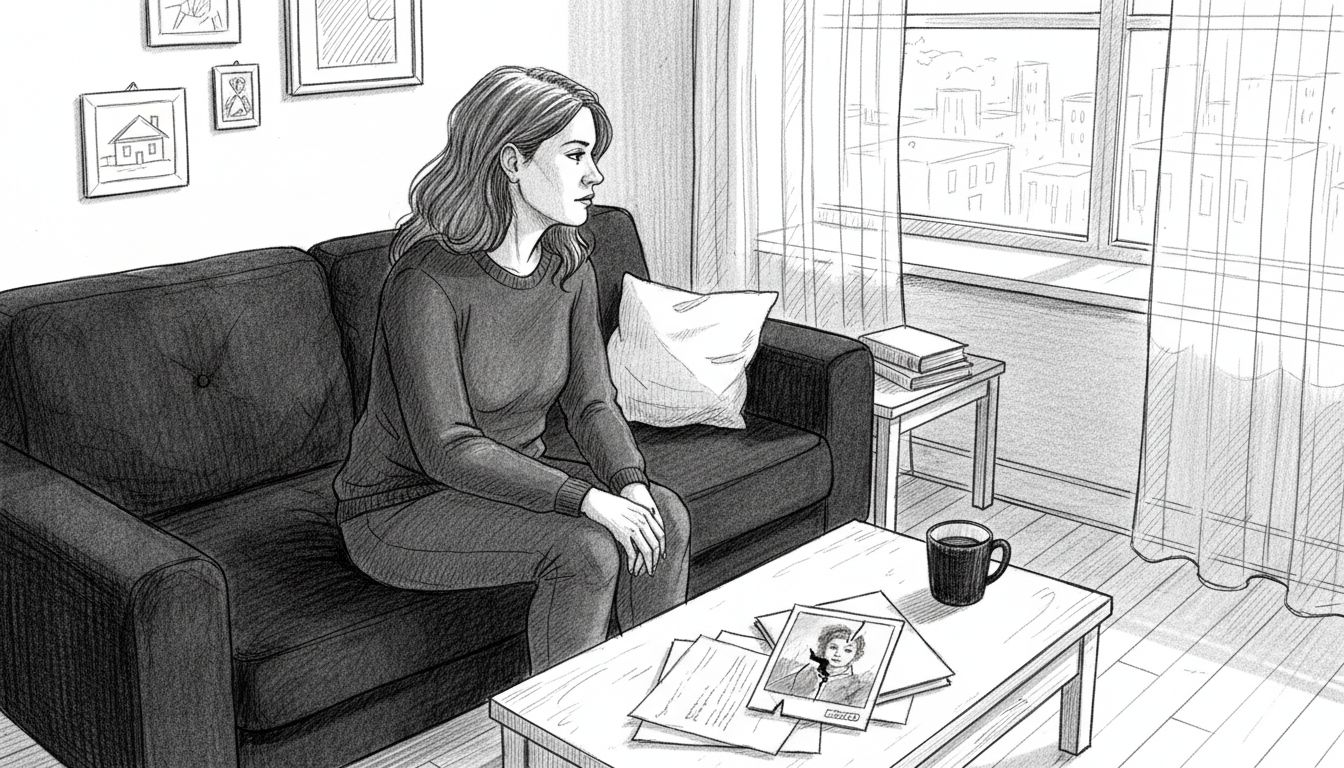
Many adults in California carry invisible wounds from childhood trauma, facing daily struggles that trace back to experiences like emotional neglect, physical abuse, or witnessing violence. These deep-rooted memories can reshape emotional well-being and relationships, often leading to challenges such as PTSD and chronic anxiety. Childhood trauma is not just a phase that children simply outgrow—it can disrupt brain development and leave lasting scars. Exploring bilingual EMDR therapy and culturally affirming support offers a pathway to healing that's sensitive to your story and your background.
Table of Contents
Key Takeaways
| Point | Details |
|---|---|
| Understanding Childhood Trauma | Childhood trauma consists of distressing events during developmental years that overwhelm a child’s ability to cope, leading to long-lasting emotional and neurological impacts. |
| Common Myths | Many people underestimate the effects of childhood trauma, wrongly believing that children are inherently resilient and can simply bounce back from these experiences. |
| Types of Trauma | Childhood trauma includes various forms such as physical, sexual, emotional abuse, neglect, and exposure to violence, each with unique long-term risks to mental health. |
| Healing Approaches | Recovery from childhood trauma requires personalized, trauma-informed care that may include evidence-based therapies and supportive community networks. |
Defining Childhood Trauma and Common Myths
Childhood trauma represents profound psychological experiences that fundamentally reshape an individual's emotional landscape. Childhood trauma refers to deeply distressing events occurring during developmental years that overwhelm a child's capacity to cope and process emotional experiences. Serious adverse experiences can include physical abuse, sexual exploitation, emotional neglect, abandonment, and witnessing violence.
Understanding childhood trauma requires recognizing its complex manifestations:
Physical abuse involving deliberate aggression
Sexual exploitation by adult figures
Emotional manipulation causing psychological harm
Persistent neglect of basic care and safety needs
Witnessing domestic violence or extreme family conflict
Contrary to common misconceptions, childhood trauma is not merely about isolated incidents but represents a profound disruption of a child's sense of safety and trust. Psychological impact extends far beyond immediate experiences, potentially creating long-lasting neurological and emotional consequences.
Common myths surrounding childhood trauma often minimize its significance. Psychological abuse's profound impact is frequently underestimated, with many people believing children are inherently resilient or simply "bounce back" from difficult experiences. However, research demonstrates that trauma can fundamentally alter brain development, emotional regulation, and interpersonal relationship patterns.
Pro tip: Recognize that healing from childhood trauma is a nuanced journey requiring professional support and compassionate understanding.
Types of Childhood Trauma Experiences
Childhood trauma encompasses a wide range of deeply distressing experiences that can fundamentally alter an individual's psychological development. Traumatic experiences vary widely in their nature, context, and potential long-term impacts on mental health and emotional functioning.
The primary types of childhood trauma include:
Physical abuse: Intentional harm causing bodily injury
Sexual abuse: Inappropriate sexual contact or exploitation
Emotional abuse: Persistent psychological manipulation
Neglect: Consistent failure to provide basic care and emotional support
Community violence: Exposure to violent environments
Domestic violence: Witnessing intimate partner aggression
Medical trauma: Severe health-related experiences causing psychological distress
Complex trauma represents a particularly challenging category, characterized by multiple interpersonal traumatic events occurring during critical developmental periods. These experiences often involve repeated exposure to harmful situations, typically within family or close relationship contexts.
Each type of childhood trauma can produce unique psychological consequences, potentially leading to long-term mental health challenges such as post-traumatic stress disorder (PTSD), complex PTSD, attachment disorders, and chronic emotional dysregulation. The impact extends beyond immediate psychological responses, potentially reshaping neural pathways and emotional processing mechanisms.
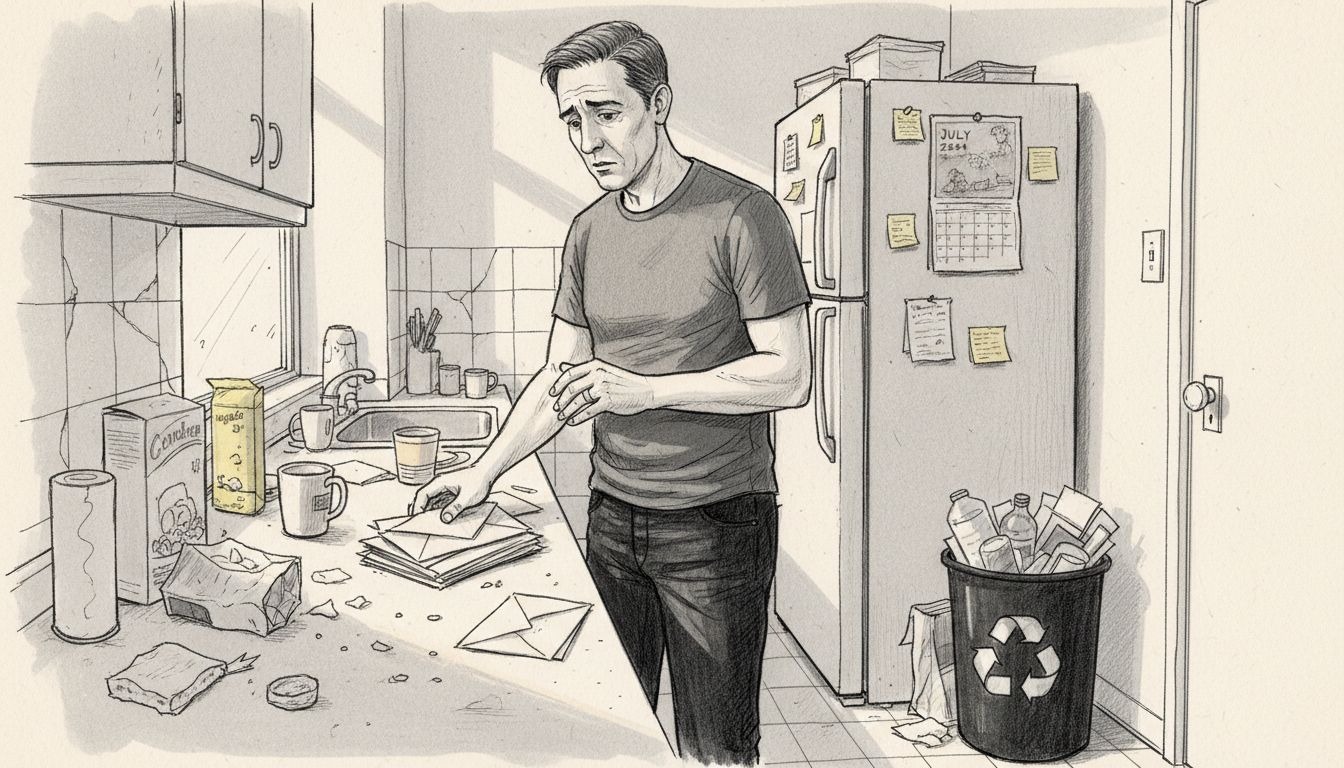
Here’s a summary comparing common types of childhood trauma and their primary long-term risks:
| Trauma Type | Typical Setting | Key Impact Area | Common Long-Term Risk |
|---|---|---|---|
| Physical Abuse | Home or family | Physical and emotional | Increased anxiety disorders |
| Emotional Abuse | Family or caregivers | Emotional regulation | Attachment and trust issues |
| Sexual Abuse | Trusted environments | Identity and trust | Chronic PTSD and depression |
| Neglect | Family or institutions | Developmental growth | Cognitive and social delays |
| Community Violence | Neighborhood, school | Safety perception | Ongoing hypervigilance |
| Medical Trauma | Hospitals, clinics | Health and security | Phobias, medical avoidance |
Pro tip: Recognize that childhood trauma experiences are deeply personal and require compassionate, individualized therapeutic approaches.
Short-Term and Long-Term Effects on Well-Being
Childhood trauma creates a complex cascade of psychological and physiological impacts that can persist far beyond the initial traumatic experiences. Intensive childhood stress disrupts early brain development, fundamentally altering an individual's neurological and emotional functioning.
Short-term effects of childhood trauma typically manifest through various behavioral and emotional challenges:
Difficulty forming healthy relationships
Intense emotional reactivity
Behavioral problems at school or home
Disrupted sleep patterns
Heightened anxiety and hypervigilance
Challenges with emotional regulation
Poor academic performance
Long-term impacts can be even more profound, potentially reshaping an individual's entire life trajectory. Complex trauma alters biological stress responses, creating a chronic state of heightened physiological reactivity that can lead to serious health complications.
The most significant long-term consequences include increased risks of chronic diseases, mental health disorders, and persistent relationship difficulties. These may manifest as depression, substance abuse, cardiovascular problems, compromised immune function, and complex post-traumatic stress disorder. The neurological changes triggered by childhood trauma can fundamentally reshape how an individual perceives and interacts with the world around them.
Pro tip: Seek professional trauma-informed therapy to understand and effectively process childhood trauma's complex emotional landscape.
Recognizing Trauma Symptoms in Adults
Trauma symptoms in adults represent complex psychological and physiological responses to overwhelming experiences that exceed normal coping mechanisms. Psychological trauma manifests through multiple symptom clusters, creating a nuanced landscape of emotional and behavioral challenges.
Key trauma symptoms typically include:
Intrusive memories or flashbacks
Persistent nightmares related to traumatic events
Emotional numbness or detachment
Hypervigilance and exaggerated startle responses
Chronic anxiety and unexplained panic attacks
Difficulty maintaining intimate relationships
Persistent negative thoughts about self and world
Sudden emotional reactivity or mood swings
Physiological manifestations can be particularly challenging, with trauma responses varying across individuals. Some adults might experience chronic stress, compromised immune function, and heightened sympathetic nervous system activation, while others demonstrate remarkable resilience.
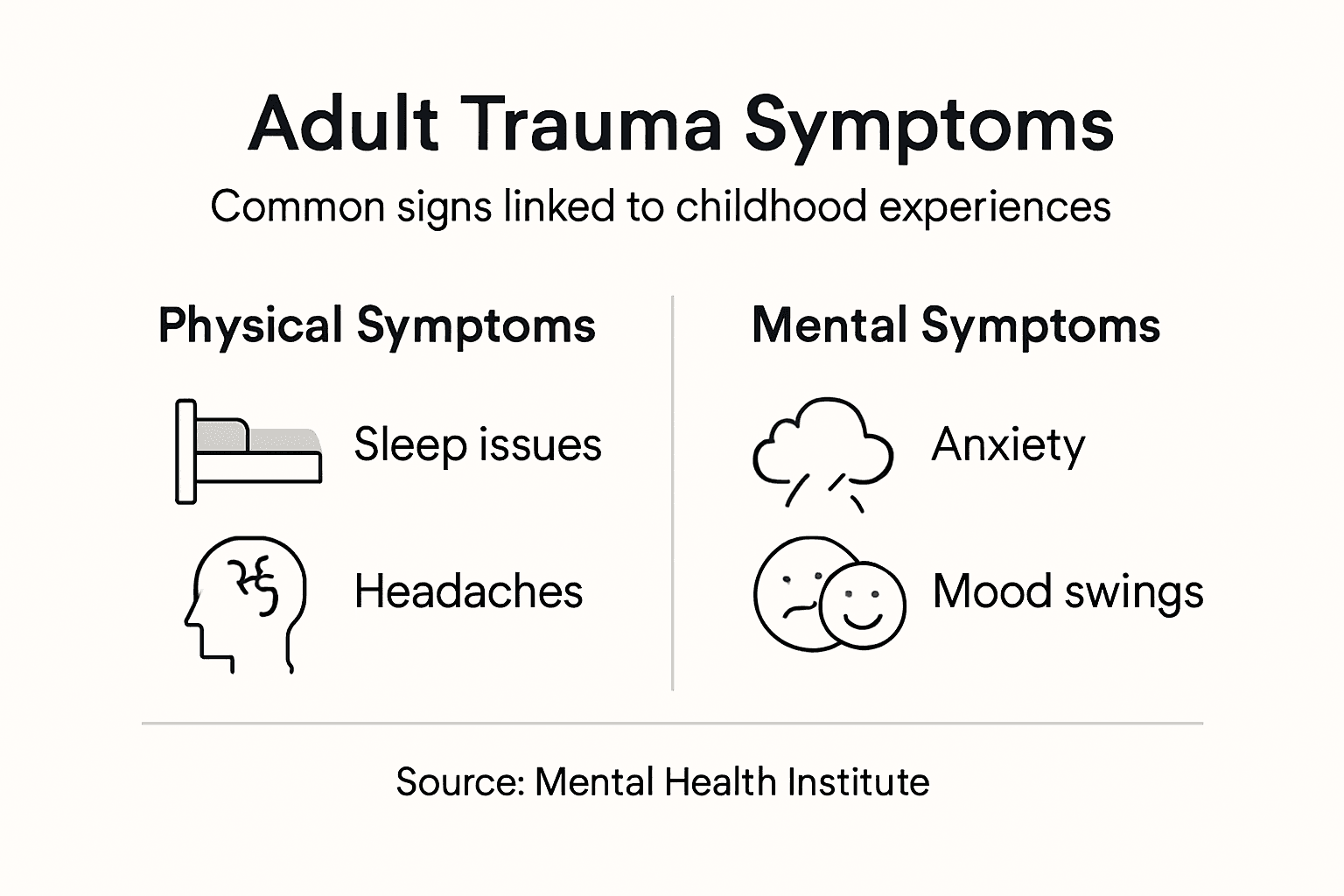
Profound psychological shifts often accompany these symptoms, potentially reshaping an individual's entire worldview. Trauma can fundamentally alter cognitive processing, leading to distorted perceptions of safety, trust, and personal agency. These neurological changes can create persistent challenges in professional environments, personal relationships, and overall emotional regulation.
Pro tip: Document your symptoms systematically and consult a trauma-informed mental health professional for comprehensive assessment and personalized treatment strategies.
Approaches to Healing and Support Resources
Healing from childhood trauma requires a comprehensive, multifaceted approach that recognizes the complex nature of psychological recovery. Trauma-informed care involves strategic screening and targeted interventions, designed to restore a sense of safety and rebuild emotional resilience.
Effective healing approaches include:
Evidence-based psychological therapies
Individual counseling
Group support networks
Trauma-focused cognitive behavioral therapy
Eye Movement Desensitization and Reprocessing (EMDR)
Somatic experiencing techniques
Mindfulness and stress reduction practices
Expressive arts therapy
Holistic healing strategies encompass more than traditional clinical interventions. Psychological treatments integrate multiple healing pathways, including community support, cultural reconnection, spiritual practices, and personal empowerment techniques that address the multidimensional impact of childhood trauma.
Successful trauma recovery requires a personalized approach that acknowledges individual experiences, cultural backgrounds, and unique emotional landscapes. Professional support from trauma-informed therapists can help individuals develop coping mechanisms, process difficult memories, and gradually rebuild a sense of safety and trust in themselves and their relationships.
To help distinguish healing options, here's a comparison of trauma recovery approaches:
| Approach | Method Focus | Typical Benefit |
|---|---|---|
| Trauma-Focused CBT | Thought patterns | Skill-building and reframing |
| EMDR | Memory processing | Reduced symptom intensity |
| Somatic Experiencing | Body awareness | Lowered physical tension |
| Mindfulness Practices | Self-regulation | Improved stress management |
| Group Support Networks | Community connection | Reduced isolation |
Pro tip: Seek trauma-informed professionals who offer compassionate, culturally responsive care tailored to your specific healing journey.
Take the Next Step Toward Healing Childhood Trauma
Understanding how childhood trauma shapes adult life is the first step to breaking free from its long-lasting effects. If you are struggling with symptoms like anxiety, emotional numbness, or difficulty forming trusting relationships the compassionate, trauma-informed team at Alvarado Therapy can help. Explore personalized support through Online in California — Meet Our Team — Alvarado Therapy to connect with licensed therapists trained in trauma-focused therapy including EMDR and counseling tailored to your unique experience.
Don’t wait to reclaim your sense of safety and emotional balance. Visit Alvarado Therapy now to learn more about effective healing approaches and schedule your first appointment. Whether you live in Ventura, Pasadena, or anywhere in California, healing is within reach.
Frequently Asked Questions
What are the common types of childhood trauma?
Common types of childhood trauma include physical abuse, sexual abuse, emotional abuse, neglect, community violence, domestic violence, and medical trauma. Each type can lead to unique psychological consequences.
How does childhood trauma affect adult relationships?
Childhood trauma can impair emotional regulation, leading to challenges in forming healthy relationships, trust issues, and difficulties in maintaining intimacy due to fears rooted in past experiences.
What are the long-term effects of childhood trauma?
Long-term effects of childhood trauma may include increased risks of mental health disorders, chronic diseases, relationship difficulties, and lasting changes in emotional processing and cognitive function.
How can someone begin healing from childhood trauma?
Healing from childhood trauma typically involves seeking professional support from trauma-informed therapists, engaging in evidence-based therapies like trauma-focused cognitive behavioral therapy, and employing holistic healing strategies such as mindfulness and community support.
