
Childhood Trauma – How it Affects Adult Life
Key Takeaways
| Point | Details |
|---|---|
| Understanding Childhood Trauma | Recognize that childhood trauma fundamentally disrupts a child's sense of safety and emotional well-being, often resulting from betrayal by caregivers through various forms of abuse or neglect. |
| Long-Term Impacts of Trauma | Childhood trauma can lead to long-lasting mental health issues, including post-traumatic stress disorder, emotional regulation difficulties, and compromised physical health. |
| Importance of Professional Support | Healing from childhood trauma is a journey that requires professional support, compassion, and individualized therapeutic approaches like EMDR. |
| Culturally Responsive Therapy | Effective trauma recovery for communities such as Latinos necessitates culturally specific therapeutic practices that honor unique cultural identities and dynamics. |
Defining Childhood Trauma and Common Myths
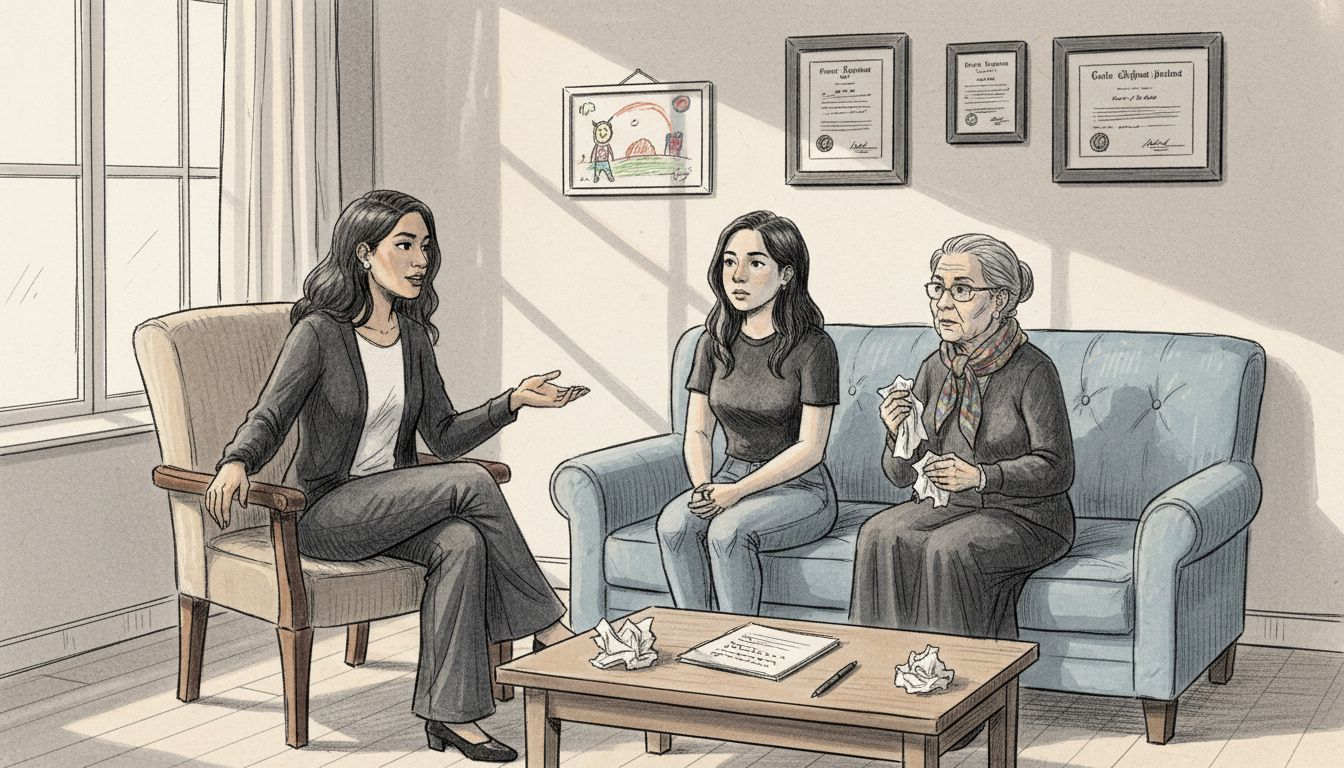
Childhood trauma represents a profound psychological experience that fundamentally disrupts a child's sense of safety and emotional well-being. Negative events experienced by children can include physical, sexual, emotional abuse, and neglect that overwhelm a child's capacity to cope with interpersonal harm from trusted authority figures.
Trauma occurs through multiple pathways, typically involving betrayal by individuals responsible for a child's care. This can manifest as physical abuse causing direct injury, sexual abuse exploiting trust, psychological abuse generating persistent fear, or neglect failing to meet basic developmental needs. Understanding these nuanced definitions helps dispel dangerous misconceptions about childhood trauma's origins and impact.
Contrary to harmful myths, childhood trauma is not simply "something children get over." Research demonstrates that chronic stress from traumatic experiences can fundamentally alter neurological and physiological systems. These disruptions increase risks for long-term mental health challenges including post-traumatic stress disorder, attachment disorders, depression, and potential substance abuse problems.
Pro Tip: Recognize that healing from childhood trauma is a journey requiring professional support, compassion, and personalized therapeutic approaches.
Types of Childhood Trauma and Effects
Childhood trauma encompasses a complex spectrum of experiences that can fundamentally disrupt a child's emotional and psychological development. Multiple types of traumatic experiences include physical, sexual, and psychological abuse, domestic violence, community violence, sudden loss of loved ones, refugee experiences, military family stress, serious accidents, and systemic neglect.
Physical trauma involves direct bodily harm, while sexual trauma represents profound exploitation of trust and vulnerability. Psychological abuse causes significant emotional damage through persistent fear, manipulation, and dignity destruction. Each trauma type creates unique psychological impacts, potentially generating complex neurological and emotional responses that persist into adulthood.
Here's a comparison of common types of childhood trauma and their typical impacts:
| Trauma Type | Example Causes | Emotional Effects | Physical/Behavioral Effects |
|---|---|---|---|
| Physical Abuse | Hitting, shaking | Fear, mistrust | Injuries, aggression |
| Sexual Abuse | Exploitation, molestation | Shame, anxiety | Withdrawal, risky behaviors |
| Psychological Abuse | Manipulation, verbal attacks | Low self-esteem, sadness | Social isolation, self-doubt |
| Neglect | Unmet needs, abandonment | Hopelessness, apathy | Developmental delays, attachment issues |
The long-term consequences of childhood trauma are extensive, affecting cognitive functioning, emotional regulation, relationship patterns, and overall mental health. Children exposed to repeated traumatic experiences may develop adaptive survival mechanisms like hypervigilance, emotional detachment, or complex post-traumatic stress disorder. These neural adaptations fundamentally reshape how individuals perceive safety, trust, and interpersonal connections.
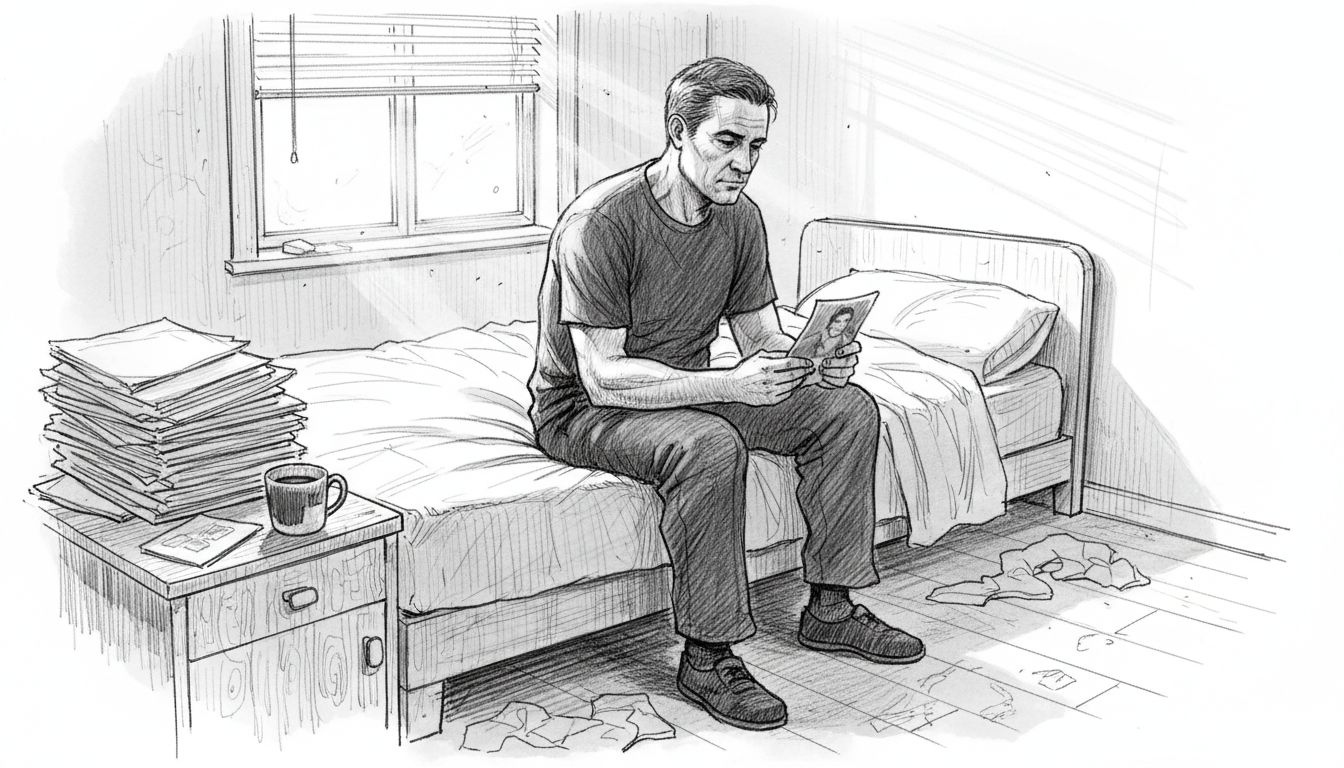
Pro Tip: Understand that trauma responses are survival strategies, not personal failures, and professional therapeutic support can help transform these adaptive mechanisms into healthier coping skills.
Recognizing Signs and Long-Term Impacts
Childhood trauma symptoms manifest across multiple domains, presenting complex and often nuanced psychological, behavioral, and physiological indicators. These signs can range from emotional dysregulation and hypervigilance to physical health complications, making early recognition critical for effective intervention and support.
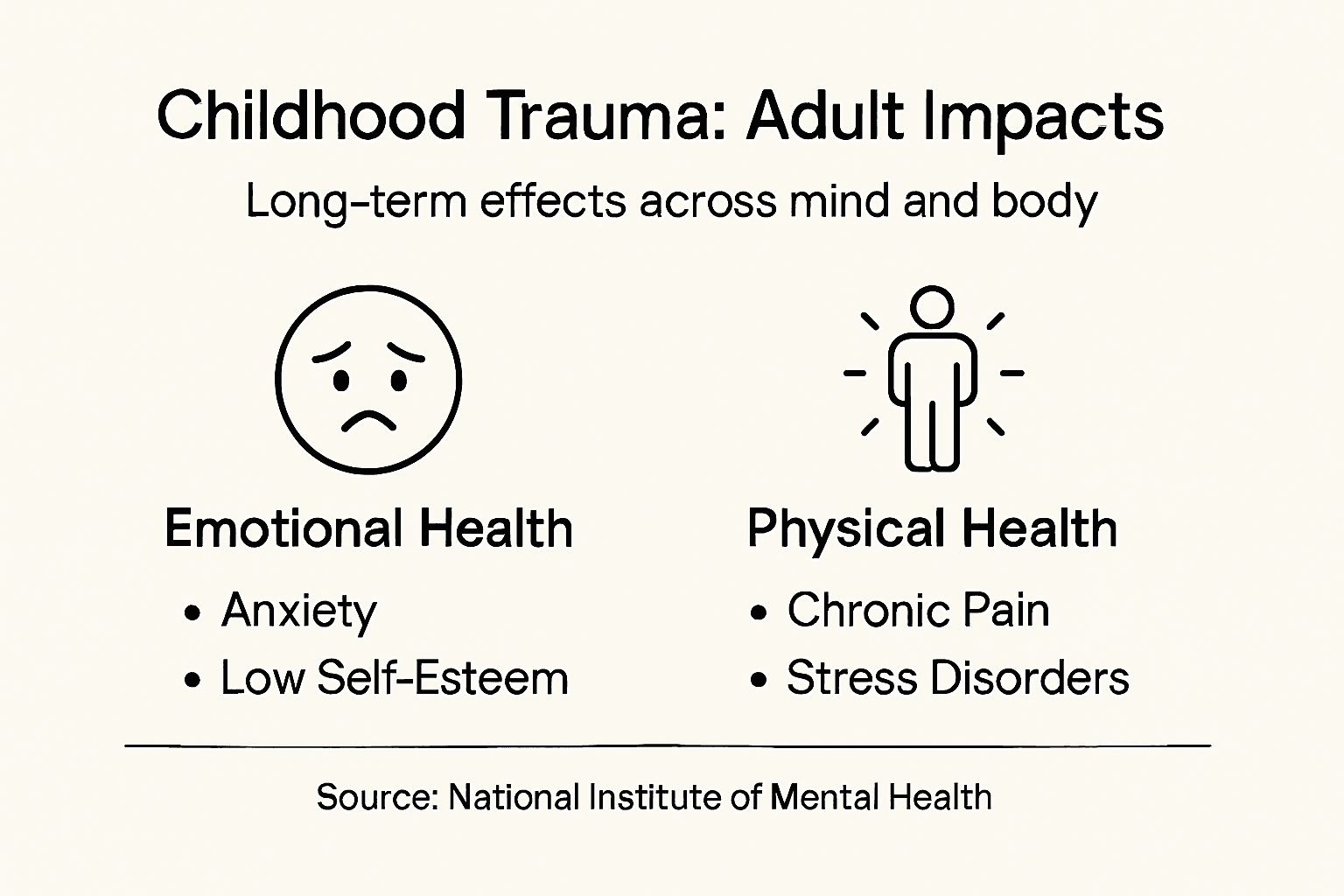
Individuals with childhood trauma frequently experience profound long-term impacts that extend far beyond initial traumatic experiences. Cumulative childhood maltreatment creates intricate health challenges including chronic pain, post-traumatic stress disorder, complex emotional regulation difficulties, and increased vulnerability to mental health conditions. These adaptive responses represent survival mechanisms developed during periods of intense stress and uncertainty.
Recognizing trauma's multisystemic nature requires understanding its holistic impact. Psychological symptoms might include recurring nightmares, persistent anxiety, depression, and difficulty forming healthy relationships. Physical manifestations can involve chronic health conditions, compromised immune responses, neurological changes, and heightened stress reactivity. Behavioral indicators often emerge as self-protective strategies like emotional withdrawal, aggressive responses, substance abuse, or challenges maintaining stable employment and personal connections.
Pro Tip: Approach trauma recognition with compassion, understanding that survival mechanisms are intelligent adaptations, not personal weaknesses.
Healing Childhood Trauma With EMDR Therapy
Eye Movement Desensitization and Reprocessing (EMDR) therapyrepresents a groundbreaking therapeutic approach specifically designed to address the profound psychological impacts of childhood trauma. Unlike traditional talk therapies, EMDR targets the neurological processing of traumatic memories, allowing individuals to reframe and integrate deeply painful experiences without extensively reliving traumatic details.
The therapeutic process involves a structured eight-phase approach where patients learn to process traumatic memories through bilateral sensory stimulation, typically involving guided eye movements. This innovative technique helps rewire the brain's response to traumatic memories, reducing their emotional intensity and transforming how the nervous system stores and recalls these experiences. By creating new neural pathways, EMDR enables survivors to develop healthier emotional responses and reduce the ongoing psychological burden of childhood trauma.
Below is a summary of EMDR therapy phases and their therapeutic purpose:
| EMDR Phase | Main Objective | Therapeutic Focus |
|---|---|---|
| History Taking | Assess background & trauma history | Build treatment plan |
| Preparation | Teach coping skills | Increase emotional safety |
| Assessment | Identify target memories | Activate trauma response |
| Desensitization | Reduce emotional distress | Bilateral stimulation |
| Installation | Strengthen positive beliefs | Build resilience |
| Body Scan | Check for residual distress | Address physical sensations |
| Closure | Restore equilibrium | End session support |
| Reevaluation | Review progress | Plan next steps |
EMDR’s effectiveness stems from its ability to access and reprocess traumatic memories stored in the brain’s limbic system, where emotional memories are maintained. The therapy helps individuals move from a state of psychological fragmentation to emotional integration, allowing them to view traumatic experiences from a more balanced perspective. This approach is particularly powerful for survivors of complex childhood trauma, offering a path to healing that respects the individual’s unique emotional landscape and inherent resilience.
Pro Tip: Remember that healing is not linear, and seeking professional EMDR therapy represents a courageous step towards reclaiming your emotional well-being.
Culturally Responsive Support for Latinos
Latino trauma recovery requires culturally specific therapeutic approachesthat recognize the unique cultural complexities and systemic challenges faced by immigrant and first-generation communities. Understanding these nuanced experiences means moving beyond traditional one-size-fits-all mental health interventions and creating spaces that honor cultural identity, family dynamics, spiritual beliefs, and linguistic preferences.
Trauma healing for Latino populations demands a holistic approach that integrates family systems, cultural resilience, and intergenerational healing perspectives. This means acknowledging the profound impacts of immigration stress, discrimination, language barriers, and cultural displacement that often accompany traumatic experiences. Culturally responsive therapy creates safe environments where individuals can explore their trauma narratives without feeling disconnected or misunderstood by therapeutic frameworks that might not recognize their specific cultural contexts.
Effective trauma support for Latino communities requires therapists who are not just linguistically competent but culturally attuned. This involves understanding machismo and marianismo cultural dynamics, recognizing the importance of familismo (family connections), respecting spiritual and religious beliefs, and addressing the complex layers of identity that shape trauma responses. Bilingual and bicultural therapists play a crucial role in bridging psychological healing with cultural understanding, creating therapeutic relationships built on trust, empathy, and genuine cultural validation.
Pro Tip: Seek trauma therapists who demonstrate genuine cultural humility and offer services in your preferred language, ensuring you feel fully understood and supported.
Healing Childhood Trauma to Reclaim Your Adult Life
Childhood trauma deeply impacts emotional well-being and shapes adult relationships, self-esteem, and mental health. If you recognize the lasting effects of abuse, neglect, or psychological wounds from early years, you are not alone. At Alvarado Therapy, we specialize in trauma-informed care including expert EMDR therapy designed to reprocess painful memories and transform survival responses into healthy coping skills. Our bilingual therapists provide culturally responsive support that honors your background and respects your unique healing journey.
Begin your path to healing from childhood trauma today by exploring personalized counseling and trauma therapies at Alvarado Therapy. Learn how our compassionate team helps clients across Pasadena, Ventura, and online throughout California find safety, clarity, and empowerment. Don’t wait to address the emotional pain that impacts your daily life. Visit https://alvaradotherapy.org now and take the first courageous step toward emotional freedom.
Frequently Asked Questions
What is childhood trauma and how is it defined?
Childhood trauma refers to deeply distressing experiences during childhood, including physical, sexual, and emotional abuse, as well as neglect. It disrupts a child's sense of safety and well-being, often leading to long-term psychological effects.
How does childhood trauma affect adult mental health?
Adults who experienced childhood trauma can face various mental health issues, such as anxiety, depression, post-traumatic stress disorder, and attachment difficulties. These conditions may stem from the neurological and physiological disruptions caused by traumatic experiences in childhood.
What are the signs of childhood trauma in adults?
Signs of childhood trauma in adults can include emotional dysregulation, chronic anxiety, difficulty in relationships, low self-esteem, and self-destructive behaviors. Physical symptoms might also occur, such as chronic pain or other health complications.
What therapeutic approaches are effective in healing childhood trauma?
Eye Movement Desensitization and Reprocessing (EMDR) therapy is a highly effective approach designed to help individuals process and heal from traumatic memories. It focuses on restructuring the neurological responses to trauma, helping individuals develop healthier coping strategies.
