
PTSD in Adults – Impact, Symptoms, and Recovery
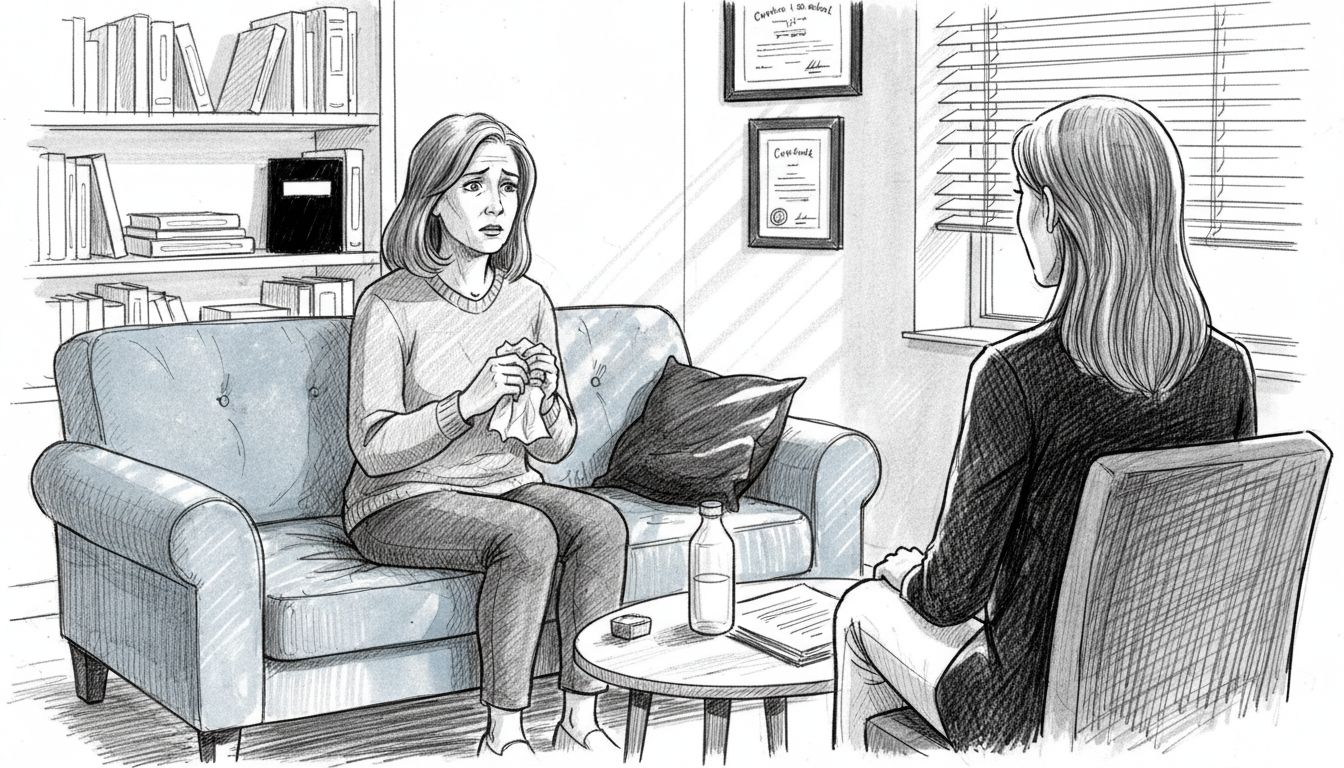
Nearly 4 percent of the global population struggles with Post-Traumatic Stress Disorder, making it one of the most misunderstood psychological conditions among American adults. For many in California, especially Latinx and BIPOC communities, seeking help for trauma is complicated by cultural barriers and misconceptions. Unpacking the truth about PTSD reveals clear paths to healing and highlights how EMDR offers personalized support within culturally sensitive care.
Table of Contents
Key Takeaways
| Point | Details |
|---|---|
| PTSD is Widespread | PTSD affects approximately 3.9% of the global population and can develop from various traumas beyond military experiences. |
| Different Types Exist | Understanding the distinct types of PTSD, such as Typical PTSD, Complex PTSD, and Dissociative PTSD, allows for tailored treatment strategies. |
| Symptoms are Varied | Core symptoms manifest in three areas: intrusion, avoidance, and hyperarousal, requiring careful recognition for effective intervention. |
| Barriers to Seeking Help | Psychological and systemic barriers, such as fear, stigma, and healthcare access, can impede recovery, emphasizing the need for supportive resources. |
PTSD in Adults: Key Facts and Myths
PTSD is a complex psychological response affecting millions worldwide, with significant global prevalence estimated at 3.9% of the population. This disorder represents more than a simple reaction to trauma - it's a nuanced condition involving intricate neurological and emotional responses that can fundamentally alter an individual's perception of safety and personal experience.
Contrary to popular misconceptions, PTSD does not discriminate. While some believe it only impacts military veterans, the reality is far more complex. Trauma survivors from diverse backgrounds - including survivors of domestic violence, accidents, natural disasters, and childhood abuse - can develop PTSD. The disorder manifests through a range of symptoms that may include:
Intrusive memories or flashbacks
Severe anxiety
Emotional numbness
Hypervigilance
Disrupted sleep patterns
Persistent negative thoughts about oneself or the world
Trauma-informed clinical practicesemphasize that PTSD is not a sign of weakness, but a natural neurological response to overwhelming stress. Each person's experience is unique, and recovery looks different for everyone. The journey involves understanding one's triggers, developing coping mechanisms, and often working with trained mental health professionals who specialize in trauma treatment.
Pro tip: Keep a symptom journal to track patterns, triggers, and emotional responses, which can provide valuable insights during therapy and personal healing.
Types of PTSD and Unique Presentations
PTSD is far more nuanced than a singular, uniform condition. Research reveals multiple distinct types of trauma responses, challenging traditional diagnostic frameworks and highlighting the complexity of human psychological adaptation to stress.
The primary types of PTSD include:
Typical PTSD: The most recognized form, characterized by classic symptoms like intrusive memories, avoidance, and heightened anxiety
Complex PTSD (CPTSD): Arising from prolonged, repeated trauma, often involving childhood abuse or long-term domestic violence
Dissociative PTSD: Marked by significant detachment and identity disruption
Acute Stress Disorder: A short-term condition occurring within a month of traumatic exposure
Secondary Traumatic Stress: Experienced by caregivers, therapists, and support professionals who witness others' trauma
Clinical understanding of PTSD typesdemonstrates that each presentation requires tailored therapeutic approaches. What works for one individual may not be effective for another, underscoring the importance of personalized, trauma-informed treatment strategies. Clinicians must carefully assess an individual's specific symptoms, trauma history, and neurological responses to design the most appropriate intervention.
Here's a comparison of primary PTSD types and their unique therapy considerations:
| PTSD Type | Common Origins | Suggested Therapy Focus |
|---|---|---|
| Typical PTSD | Single or short-term trauma | Exposure therapy, CBT techniques |
| Complex PTSD (CPTSD) | Prolonged or repeated trauma | Long-term trauma therapy, stabilization |
| Dissociative PTSD | Trauma with identity disruption | Integration techniques, grounding |
| Secondary Traumatic Stress | Witnessing others’ trauma | Support groups, professional guidance |
| Acute Stress Disorder | Recent traumatic event | Crisis intervention, coping skills |
Pro tip: Work closely with a trauma-specialized therapist who can help you identify your specific PTSD type and develop a customized healing strategy.
Recognizing Symptoms and Risk Factors
Understanding the intricate landscape of PTSD symptoms reveals a complex psychological response that extends far beyond simple stress reactions. While not everyone exposed to trauma develops PTSD, recognizing the early warning signs is crucial for timely intervention and effective recovery.
The core symptoms of PTSD typically manifest in three primary domains:
Intrusion Symptoms:
Recurring unwanted memories
Nightmares related to the traumatic event
Flashbacks that feel intensely real
Severe emotional or physical reactions to trauma reminders
Avoidance Symptoms:
Deliberately avoiding places, conversations, or people associated with the trauma
Resistance to discussing traumatic experiences
Emotional numbness or detachment
Hyperarousal Symptoms:
Heightened startle response
Difficulty sleeping
Persistent irritability
Constant state of emotional alertness
Research indicates that certain risk factorscan increase an individual's vulnerability to developing PTSD. These include prior trauma exposure, limited social support systems, childhood adversity, and specific biological predispositions. Notably, not all individuals who experience trauma will develop PTSD, underscoring the importance of understanding personal resilience and protective factors.
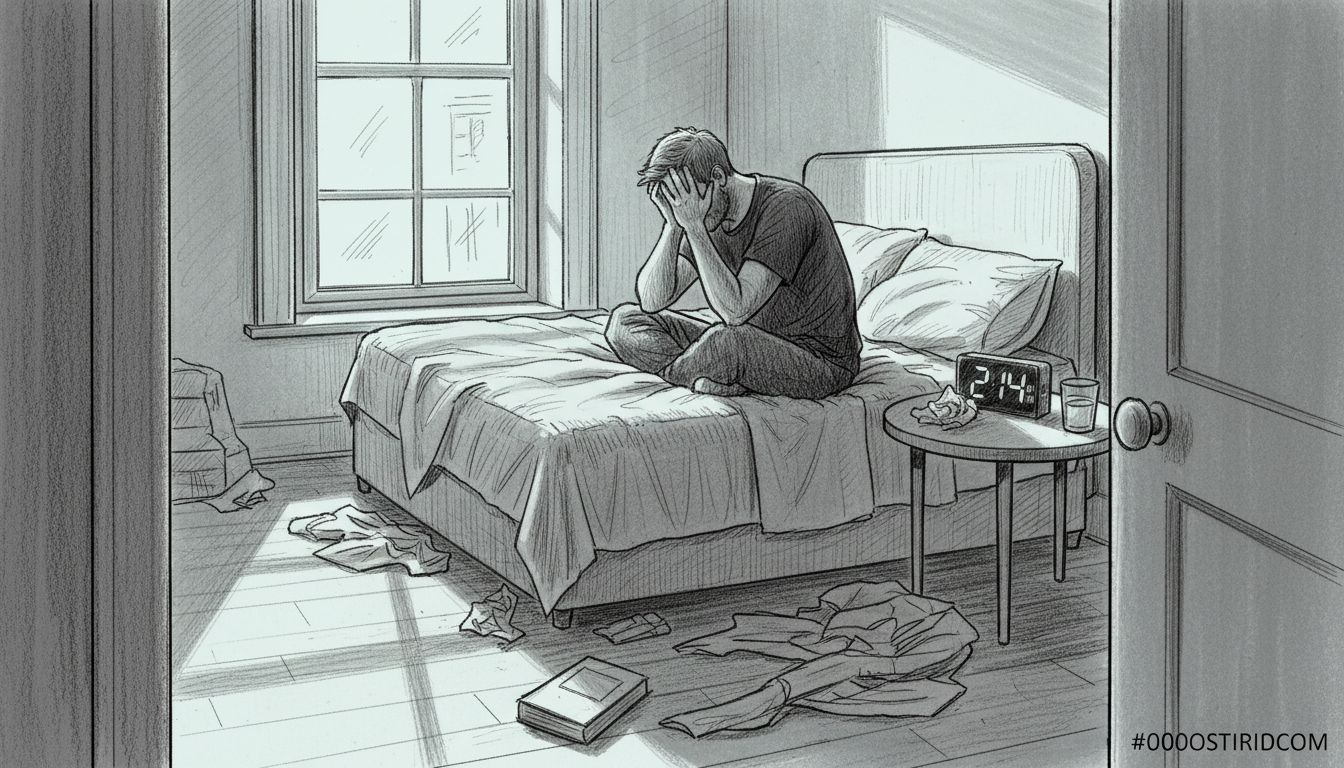
Pro tip: Create a supportive network and learn grounding techniques to help manage potential PTSD symptoms before they become overwhelming.
How Trauma Influences Adult Relationships and Daily Life
Childhood trauma fundamentally reshapes how adults navigate relationships and emotional connections, creating complex psychological patterns that extend far beyond the original traumatic experience. The invisible scars of early experiences can profoundly alter an individual's ability to trust, communicate, and form intimate connections.
Trauma survivors often develop distinctive relationship dynamics characterized by:
Attachment Disruptions:
Intense fear of abandonment
Difficulty maintaining close relationships
Oscillating between emotional withdrawal and desperate connection
Hypervigilance about potential relationship threats
Emotional Regulation Challenges:
Difficulty expressing or understanding emotions
Overwhelming emotional responses
Tendency to dissociate during stressful interactions
Persistent self-protective behavioral patterns
Trauma's impact on interpersonal functioningcreates a complex landscape of emotional navigation. Survivors might unconsciously recreate familiar relationship dynamics, struggle with vulnerability, or develop protective mechanisms that inadvertently push potential supportive connections away. These patterns are not personal failures but adaptive responses developed to survive challenging experiences.
Pro tip: Work with a trauma-informed therapist to gradually rebuild trust, learn healthy communication strategies, and develop more secure attachment patterns.
Treatment Options: EMDR and Culturally Sensitive Care
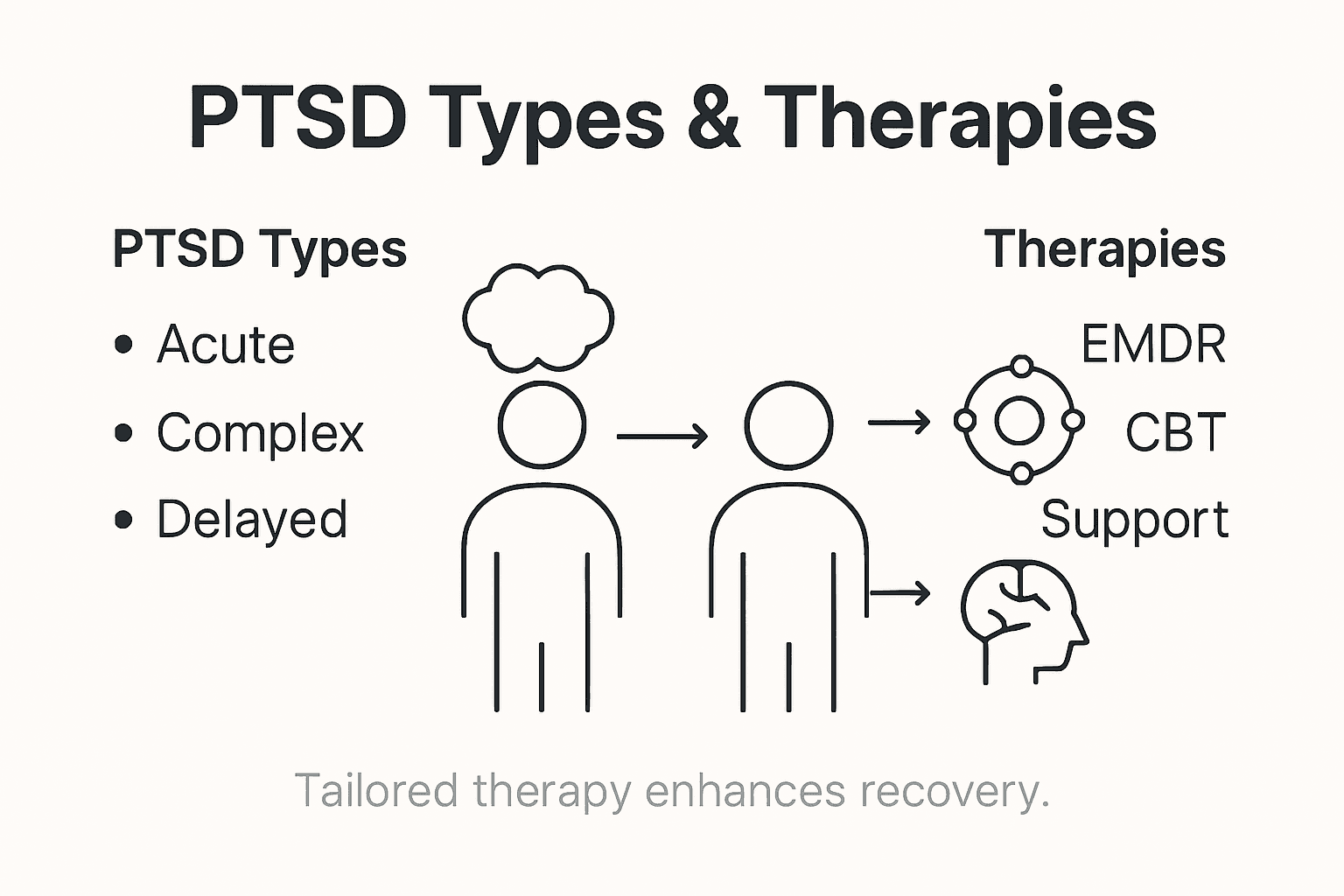
Trauma treatment requires a nuanced, personalized approach that recognizes the unique experiences of each individual, particularly when addressing the complex needs of diverse populations. Eye Movement Desensitization and Reprocessing (EMDR) has emerged as a powerful therapeutic technique specifically designed to help individuals process and heal from traumatic experiences.
The primary treatment approaches for PTSD include:
EMDR Therapy:
Targets traumatic memories through bilateral stimulation
Helps reprocess emotional experiences
Reduces intensity of traumatic memories
Supports nervous system regulation
Culturally Sensitive Interventions:
Acknowledge individual cultural backgrounds
Respect unique trauma experiences
Adapt therapeutic techniques to cultural contexts
Provide linguistically appropriate support
Evidence-based guidelines emphasize the critical importance of trauma-informed, culturally responsive care, recognizing that no single approach works identically for all individuals. Effective treatment goes beyond standard protocols, requiring therapists to understand the intricate intersections of cultural identity, personal history, and traumatic experience. This approach ensures that healing strategies are not just clinically sound, but deeply respectful of each person's unique journey.
Pro tip: Seek a therapist who demonstrates cultural competence, speaks your primary language, and offers a collaborative, personalized approach to trauma recovery.
Barriers to Healing and When to Seek Help
Understanding the complex obstacles preventing trauma survivors from seeking mental health supportrequires deep compassion and nuanced insight. These barriers are not simple personal choices, but intricate psychological and systemic challenges that can profoundly impede healing.
Key barriers to seeking help include:
Psychological Barriers:
Intense fear and shame
Trauma-related avoidance symptoms
Emotional numbness
Distrust of therapeutic processes
Internalized stigma about mental health
Systemic and Structural Barriers:
Limited healthcare access
High treatment costs
Insufficient culturally competent providers
Complex insurance requirements
Language and communication challenges
Research highlights that help-seeking behaviors are deeply influenced by cultural norms, personal beliefs, and past experiences, making it crucial to create supportive, non-judgmental pathways to care. Recognizing these multifaceted barriers is the first step toward developing more inclusive, accessible mental health resources that truly meet survivors' diverse needs.
The table below summarizes barriers to PTSD treatment and supportive strategies for overcoming them:
| Barrier Type | Common Examples | Supportive Strategies |
|---|---|---|
| Psychological | Fear, avoidance, self-stigma | Psychoeducation, peer support, journaling |
| Systemic | Cost, access, language gaps | Sliding-scale care, teletherapy, translation services |
Pro tip: Start small by confiding in a trusted friend or exploring online support groups if in-person therapy feels overwhelming.
Take Charge of Your PTSD Recovery Journey Today
Living with PTSD means facing complex symptoms like intrusive memories, emotional numbness, and hypervigilance that can deeply affect your relationships and daily life. You are not alone in this experience, and healing is possible through personalized, trauma-informed care that respects your unique story and cultural background. At Alvarado Therapy, we specialize in EMDR therapy and culturally sensitive counseling designed to help you rebuild trust, develop healthy coping skills, and regain control of your emotional well-being.
Start your healing with experienced therapists who understand the challenges described in "PTSD in Adults – Impact, Symptoms, and Recovery." Whether you need individual counseling, couples therapy, or specialized support like immigration psychological evaluations, our bilingual team is here for you. Visit Alvarado Therapy to learn about our trauma-informed services and book your first session. Empower yourself today by choosing care that honors your journey and leads to lasting recovery.
Frequently Asked Questions
What are the common symptoms of PTSD in adults?
PTSD symptoms often include intrusive memories, severe anxiety, emotional numbness, hypervigilance, disrupted sleep patterns, and persistent negative thoughts about oneself or the world.
How does PTSD affect adult relationships?
PTSD can lead to attachment disruptions, emotional regulation challenges, and difficulties in trust and communication, which may hinder close relationships and create complex emotional patterns.
What types of treatment are available for PTSD?
Common treatments for PTSD include Eye Movement Desensitization and Reprocessing (EMDR) therapy, cognitive behavioral therapy (CBT), support groups, and other trauma-informed techniques tailored to individual needs.
What are the barriers to seeking help for PTSD?
Barriers can include psychological factors like fear and shame, as well as systemic issues such as limited access to care, high costs, and lack of culturally competent providers.
