
How to Prepare for Counseling Session as a Trauma Survivor

Nearly one in five American adults experience symptoms of post-traumatic stress each year, yet many feel uncertain about how to prepare for their first counseling session in California. Facing the emotional weight of childhood trauma, anxiety, or PTSD can be overwhelming without practical tools and clear guidance. This resource simplifies the process, providing actionable steps to help you feel organized, supported, and ready to make the most of your trauma-informed therapy experience.
Table of Contents
Quick Summary
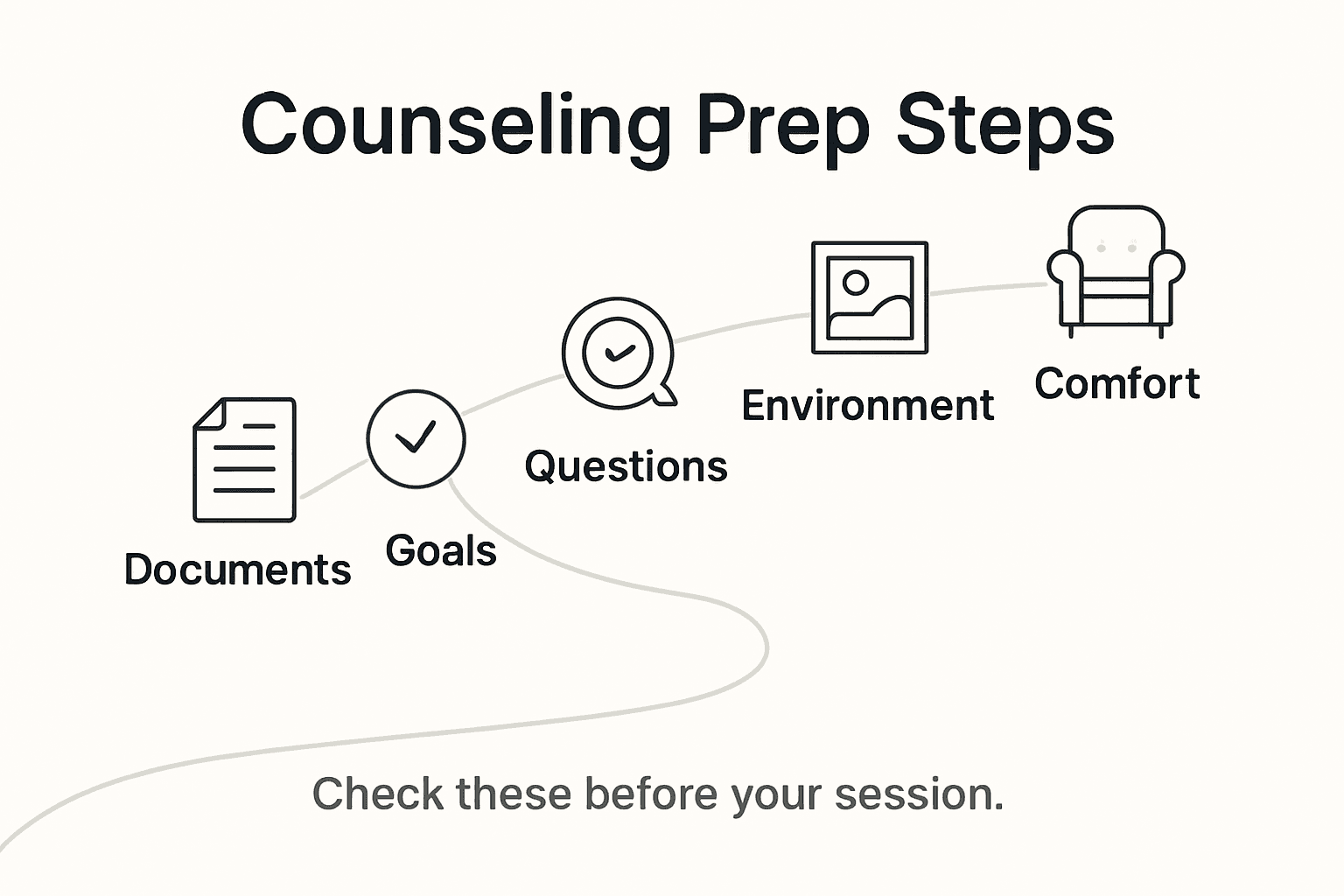
| Key Insight | Explanation |
|---|---|
| 1. Gather Essential Documents | Compile medical records, therapy notes, and personal timelines to provide context for your trauma during counseling. |
| 2. Define Therapy Goals Clearly | Identify specific challenges and objectives to create a roadmap for your therapy that aligns with your unique healing journey. |
| 3. Prepare Questions for Your Therapist | Organize thoughtful questions about treatment to establish clarity on their approach and your expectations for the therapy process. |
| 4. Create a Comfortable Setting | Ensure a distraction-free space for your therapy session, focusing on both physical comfort and emotional safety to enhance engagement. |
| 5. Assess Emotional Readiness | Reflect on your emotional state before sessions to ensure you're prepared for discussions and can engage constructively in your healing process. |
Step 1: Gather relevant documents and personal history
Preparing your personal history and documentation is a crucial first step in making your trauma counseling session as supportive and effective as possible. Understanding how to collect and organize your information will help you feel more confident and empowered during your initial consultation.
Start by gathering medical records, previous therapy notes, diagnostic evaluations, and any relevant personal documents that can provide context about your trauma history. The National Institute of Mental Health emphasizes that having comprehensive personal and medical history ready helps clinicians understand trauma's impact. This might include hospital discharge summaries, psychological assessments, medication records, or documentation of past treatment interventions.
As you collect your documents, remember that you are not obligated to share everything at once. Select materials that you feel comfortable discussing and that accurately represent your experiences. Some survivors find it helpful to create a chronological timeline or summary of significant events, while others prefer to bring select documents that highlight specific aspects of their journey. Trauma-informed approaches encourage participants to share lived experiences in a way that honors their wisdom and adaptive capabilities.
Pro tip: Create a dedicated folder or digital file to organize your documents, ensuring they are easily accessible and kept in a secure, private location.
Here’s a quick summary of documents and records commonly helpful for trauma counseling intake:
| Document Type | Why It’s Important | Example Details |
|---|---|---|
| Medical Records | Reveal past injuries or health issues | Hospital reports, medication lists |
| Therapy Notes | Show therapy progress and challenges | Session summaries, therapist observations |
| Diagnostic Evaluations | Provide official background context | Psychological assessments, diagnostic reports |
| Treatment Summaries | Clarify intervention history | Discharge letters, care plans |
| Personal Timeline | Organizes significant events | Chronology of key life events |
Step 2: Identify key concerns and therapy goals
This step focuses on understanding and articulating your personal therapeutic objectives in a way that feels authentic and meaningful to your healing journey. Identifying your key concerns helps create a roadmap for your therapy and ensures that your treatment aligns with your unique needs and experiences.
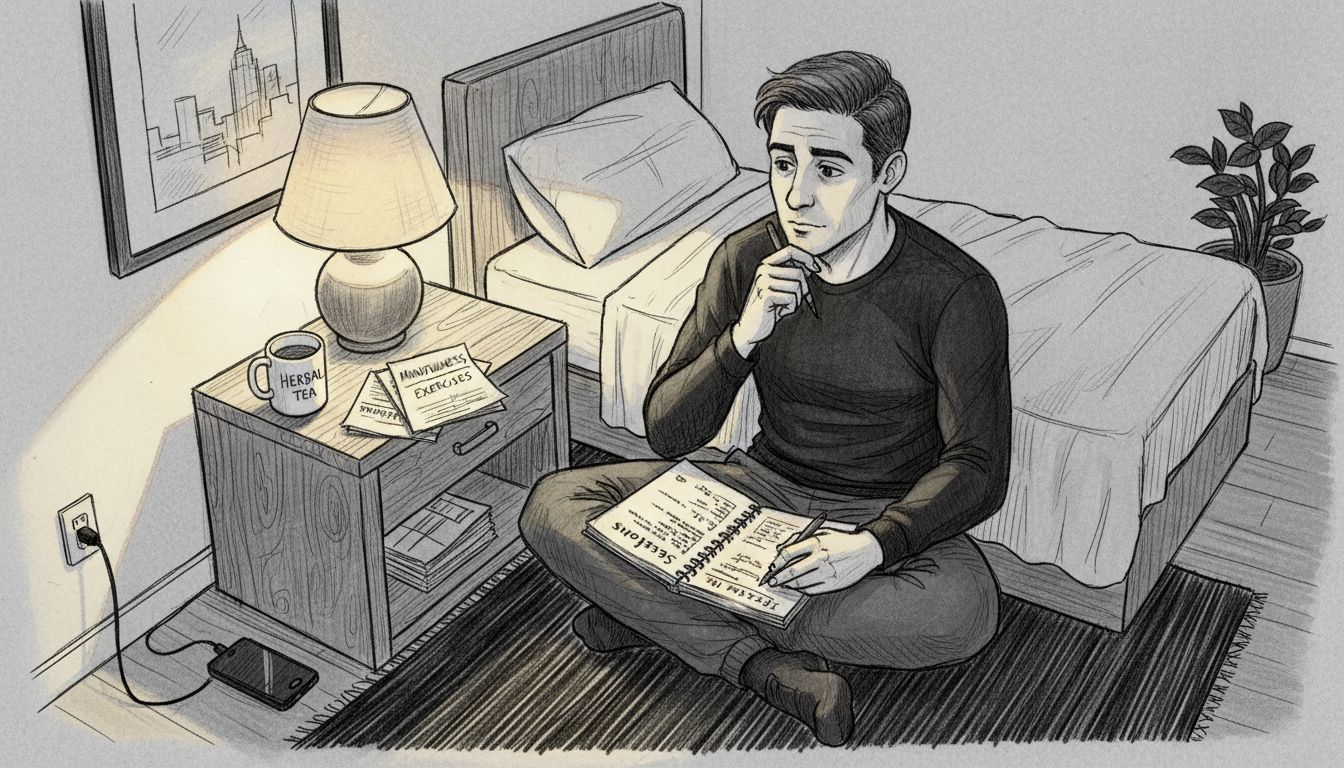
Trauma-informed care guidelines emphasize that therapy goals should emerge through a comprehensive assessment of your individual trauma history and personal concerns. Begin by reflecting on the specific challenges you want to address. These might include managing anxiety symptoms, processing past traumatic experiences, improving relationship dynamics, or developing healthier coping mechanisms. Consider writing down your thoughts beforehand to help clarify your priorities and provide a clear starting point for discussion with your therapist.
Remember that goal setting is a collaborative process. Your therapist will work with you to refine and prioritize these objectives, ensuring they are realistic, measurable, and tailored to your personal growth. Be prepared to be honest about what you hope to achieve while remaining open to professional guidance about potential approaches. Some goals might evolve as you progress through therapy, and that is a normal and healthy part of the healing process.
Pro tip: Create a brief written overview of your primary concerns and goals to share with your therapist, which can help facilitate a more focused and productive initial conversation.
Step 3: Organize questions and expectations for your therapist
Preparing thoughtful questions and clear expectations is essential for creating a productive and supportive therapeutic relationship. This step helps you feel more confident and empowered as you approach your initial counseling session, ensuring your needs and concerns are heard and understood.
Trauma-informed care emphasizes the importance of preparing meaningful questions that guide the intake process and support your healing journey. Start by reflecting on what you want to understand about the therapy process. Consider asking about the therapist's experience with trauma treatment, their approach to healing, and how they typically support clients with similar experiences. Some helpful questions might include understanding their treatment philosophy, potential therapy techniques they might use, expected session frequency, and how progress will be measured.
As you organize your expectations, focus on establishing clear communication and personal boundaries that promote transparency and respect. Be prepared to discuss your comfort levels, preferred communication styles, and any specific concerns or triggers you want your therapist to know about. Remember that a good therapeutic relationship is collaborative you are an active participant in your healing process. Your therapist should welcome your questions and work with you to create a safe, supportive environment that honors your experiences and goals.
Pro tip: Write down your questions beforehand and bring a small notebook to your first session to help you feel more organized and ensure you cover all your important points.
Step 4: Establish a safe, distraction-free environment
Creating a secure and focused setting for your therapy session is crucial to supporting your emotional healing and ensuring you can fully engage in the therapeutic process. This step helps you minimize external disruptions and create a personal space that feels comfortable and conducive to open communication.
Trauma-informed care principles highlight the importance of creating environments where individuals feel physically and emotionally safe. If you are attending an online session, choose a private room where you will not be interrupted. Close doors, silence notifications on electronic devices, and inform family members or roommates that you need uninterrupted time. For in-person sessions, consider arriving a few minutes early to acclimate to the space and feel settled.
Prioritize your personal comfort and sense of control. This might mean having a glass of water nearby, using noise-canceling headphones, sitting in a position that feels physically safe, or having a comfort object like a soft blanket or stress ball. Your goal is to create a predictable and trustworthy environment where you feel empowered to focus on your healing journey. Remember that your therapist understands the importance of feeling safe and will support you in creating the most comfortable therapeutic experience possible.
Pro tip: Test your technology and internet connection at least 15 minutes before an online session to reduce technical stress and ensure a smooth start to your therapy.
Step 5: Review readiness and emotional comfort before attending
Before your therapy session, taking time to assess your emotional state and readiness is a crucial step in supporting your healing journey. This thoughtful preparation helps ensure you approach counseling from a place of personal strength and self awareness.
Trauma-informed approaches recommend carefully reviewing your emotional preparedness to prevent potential retraumatization and support meaningful engagement. Spend some quiet time reflecting on your current emotional landscape. Ask yourself if you feel stable enough to discuss potentially challenging topics. Consider your stress levels, recent life events, and whether you have adequate support systems in place. If you feel overwhelmed or fragile, it is completely acceptable to postpone your session or discuss modified approaches with your therapist.
Prioritize self compassion during this review. Emotional readiness is not about being perfect or completely healed but about feeling sufficiently grounded to participate constructively. Trust your instincts about your capacity for emotional work on any given day. Some sessions might require more energy than others and recognizing your limits is a sign of strength. Remember that your therapist is a partner in your healing and will understand and support your need to pace yourself.
Pro tip: Create a brief emotional check-in journal to track your readiness and feelings before each therapy session, helping you develop greater self awareness and communication skills.
Compare different ways to prepare emotionally before a therapy session:
| Preparation Method | Key Benefit | When to Use |
|---|---|---|
| Emotional Check-In Journal | Enhances self awareness | Before every session |
| Mindfulness Exercise | Reduces anxiety, centers attention | When feeling nervous |
| Support System Reminder | Reinforces safety | After recent stressful events |
| Open Scheduling | Avoids overwhelm, increases comfort | On days with high stress |
| Therapist Consultation | Adjusts approach to needs | If unsure about readiness |
Take Control of Your Healing Journey with Expert Trauma-Informed Support
Preparing for counseling as a trauma survivor can feel overwhelming as you gather sensitive documents, clarify therapy goals, and set expectations to create a safe space. You are not alone in this process. At Alvarado Therapy, we understand the unique challenges you face and specialize in trauma-informed care that honors your personal history and supports your emotional readiness. Our licensed therapists across California are experienced in EMDR therapy and individualized counseling designed to help you regain stability and confidence.
Discover compassionate care tailored to your needs by exploring our California — Meet Our Team — Alvarado Therapy page. Whether you prefer in-person sessions in Ventura or online support, start your journey toward safety and empowerment today. Visit Alvarado Therapy now to schedule a consultation and access resources that prepare you fully for counseling success.
Frequently Asked Questions
How should I gather my documents for a trauma counseling session?
To prepare effectively for your counseling session, gather relevant documents such as medical records, previous therapy notes, and personal timelines that illustrate your trauma history. Organize them in a folder or digital file, making sure they are easily accessible for your therapist's review.
What are some key therapy goals I should consider before my session?
Consider identifying specific therapy goals that align with your healing journey, such as managing anxiety, processing past traumas, or improving relationships. Take time to write down these goals so you can share them with your therapist at your first session, helping to create a clear roadmap for your therapy.
What questions should I prepare to ask my therapist?
Prepare questions about the therapist's experience with trauma treatment, their therapeutic approach, and how they measure progress. Writing down these questions before your session ensures you cover all your concerns and start the conversation on the right foot.
How can I create a safe environment for my therapy session?
To establish a safe and distraction-free environment, choose a private space where you can focus during your session. For online sessions, eliminate interruptions by silencing notifications and informing others that you need uninterrupted time.
How do I assess my emotional readiness for a counseling session?
Before your session, reflect on your current emotional state to determine if you feel stable enough to discuss challenging topics. Take a brief moment to check in with yourself, and if you feel overwhelmed, consider postponing or discussing a modified approach with your therapist to ensure a productive experience.
What techniques can I use to prepare emotionally before my session?
Employ techniques such as maintaining an emotional check-in journal or practicing mindfulness exercises to boost your emotional readiness. Regularly engaging in these practices can help you feel more centered and secure before attending your counseling sessions.
