
How to Prepare for Intensive Therapy for Trauma Healing

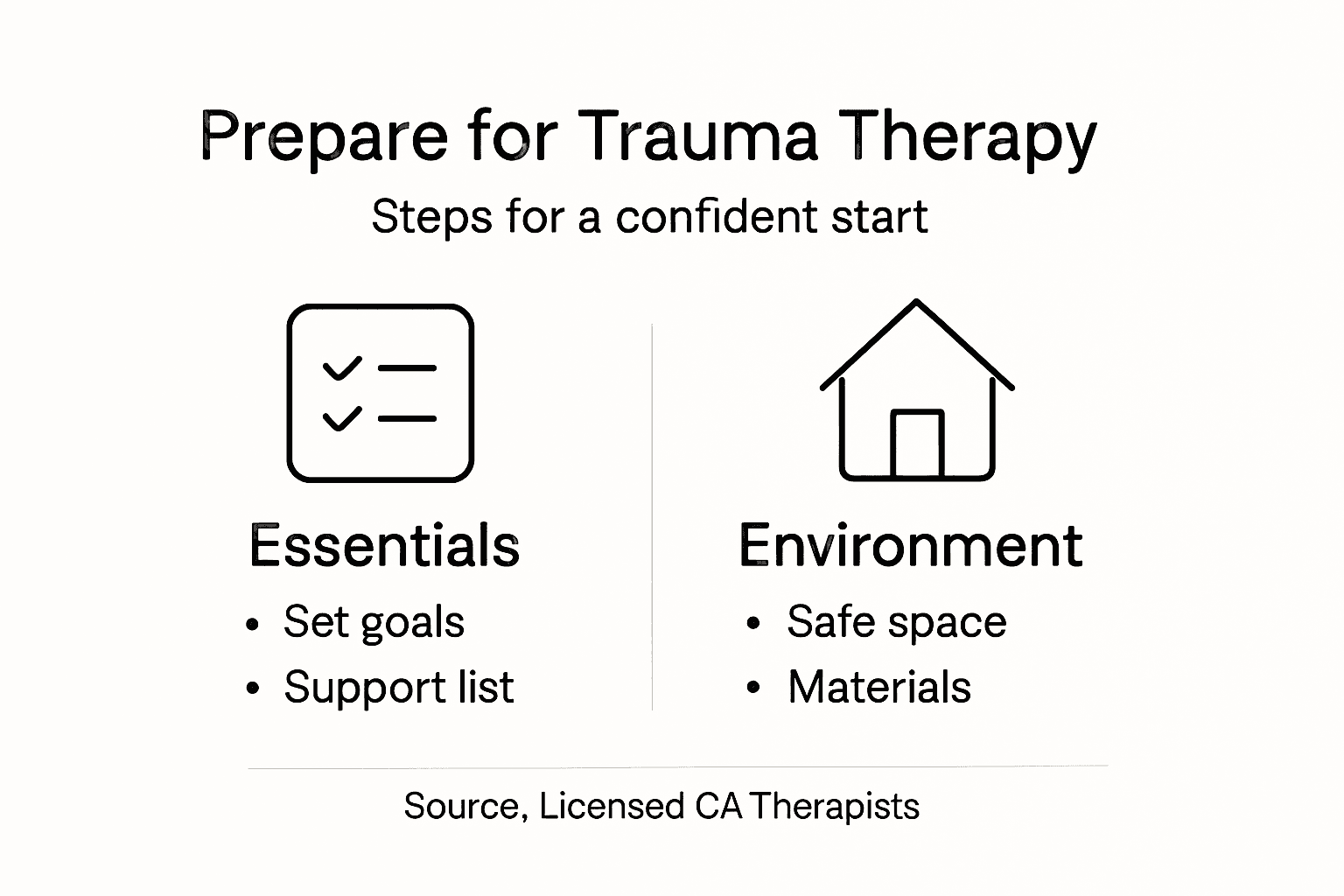
Taking the first steps toward intensive EMDR therapy in California can feel both hopeful and overwhelming. Survivors of childhood trauma often carry unique emotional needs that require clear guidance, strong support, and thoughtful preparation. Trauma recovery is not a one-size-fits-all process, so having specific goals, a supportive network, and a safe environment is crucial. This guide lays out practical steps to help you build confidence and structure before starting your next phase of healing.
Table of Contents
Quick Summary
| Key Point | Explanation |
|---|---|
| 1. Set Clear Therapy Goals | Define specific, measurable objectives to guide your emotional recovery and ensure collaborative work with your therapist. |
| 2. Build a Support Network | Create a circle of trusted individuals who provide emotional, practical, and professional support during your healing journey. |
| 3. Create a Safe Environment | Design a secure and comforting space to reduce anxiety and facilitate deeper emotional exploration during therapy. |
| 4. Gather Necessary Resources | Collect helpful materials and tools such as journals and coping strategies to enhance your therapeutic experience. |
| 5. Assess Emotional Readiness | Evaluate your emotional stability and personal circumstances to ensure you are prepared for intensive trauma therapy. |
Step 1: Clarify your therapy goals and expectations
Clarity of purpose is essential when embarking on an intensive trauma healing journey. By establishing clear, meaningful therapy goals, you create a roadmap for your emotional recovery that helps you and your therapist work collaboratively towards meaningful transformation.
To effectively clarify your therapy goals, start by reflecting deeply on your personal healing objectives. Trauma recovery is not a one-size-fits-all process, so your goals should be uniquely tailored to your experiences and needs. Consider exploring areas such as:
Reducing symptoms of anxiety or post-traumatic stress
Improving emotional regulation skills
Building healthier relationship patterns
Enhancing self-awareness and self-acceptance
Developing resilience and coping mechanisms
When setting goals, focus on creating specific and measurable objectives that provide a sense of direction. Instead of vague statements like "I want to feel better," craft precise goals such as "I want to reduce panic attack frequency from weekly to monthly" or "I aim to practice three grounding techniques when feeling overwhelmed."
Effective therapy goals provide a destination with flexible paths to reach healing.
Remember that goal-setting is a collaborative process between you and your therapist. Be open to discussing your objectives, and remain willing to adjust them as you progress through your healing journey. Your therapist can help you break down broader goals into smaller, actionable steps that feel manageable and empowering.
Pro tip: Keep a journal to track your therapy goals, noting your progress, challenges, and emotional insights throughout your healing process.
Step 2: Organize your mental health support network
Building a robust mental health support network is crucial for your trauma healing journey. This step involves intentionally creating a circle of trusted individuals who can provide emotional, practical, and professional support during your intensive therapy process.
Trauma recovery is not a solitary journey, and identifying supportive connections can significantly enhance your healing potential. Your support network should include a diverse range of people and resources:
Licensed trauma therapists
Trusted family members
Close friends who understand your healing journey
Peer support group members
Mental health professionals
Online and local support communities
When selecting support network members, prioritize individuals who demonstrate consistent empathy and emotional safety. Look for people who can listen without judgment, respect your boundaries, and offer genuine understanding. Avoid individuals who minimize your experiences or push you to heal faster than you're comfortable.
Support networks provide emotional assistance and foster a sense of belonging critical for trauma recovery.
Consider creating a structured communication plan with your support network. This might involve setting clear expectations about how and when they can support you, what type of support you need, and establishing healthy boundaries that protect your emotional well-being.

Pro tip: Create a digital or physical emergency contact list with key support persons and their contact information, ensuring you have immediate support when needed.
Step 3: Set up a safe and comfortable environment
Creating a secure and nurturing environment is crucial for preparing for intensive trauma therapy. Your physical and emotional space plays a significant role in supporting your healing journey and helping you feel grounded and protected throughout the therapeutic process.
Trauma-informed therapy environmentsprioritizepsychological and physical safety. Consider designing your space with intentionality, focusing on elements that promote comfort and emotional regulation:
Choose a quiet, private location
Ensure comfortable seating with supportive options
Control lighting to create a soothing atmosphere
Have soft blankets or comfort objects nearby
Minimize potential external distractions
Create clear pathways and accessible exits
When preparing your environment, emotional safety is paramount. Select a space where you feel completely secure and have control over your surroundings. This might mean creating a dedicated therapy corner in your home, ensuring privacy, and having tools like noise-canceling headphones or calming sensory items within reach.
A safe therapeutic space reduces anxiety and facilitates deeper emotional exploration.
Consider your personal triggers and design the space to minimize potential stressors. This might involve using neutral colors, removing potentially overwhelming visual stimuli, and ensuring you have a sense of personal agency within the environment.
Pro tip: Test your therapy space beforehand by spending a few moments in it, noting how your body and emotions respond to the environment.
Step 4: Gather necessary materials and resources
Preparing for intensive trauma therapy involves thoughtfully collecting materials and resources that will support your healing journey. This step is about creating a comprehensive toolkit that helps you feel empowered, prepared, and supported throughout your therapeutic process.
Trauma treatment materialsare essential for maintaining focus and providing structured support during your healing journey. Your personal trauma therapy toolkit should include a variety of resources:
Notebook or journal for reflection
Grounding and coping strategy cards
Comfortable writing tools
Water bottle and hydration supplies
Sensory regulation items (weighted blanket, stress ball)
Headphones for sound management
Emergency contact information list
Prescribed medications or medical supplies
Digital and physical resources can complement your preparation. Consider creating digital folders with helpful worksheets, meditation guides, and therapeutic exercises. Physical resources might include recommended books, printed self-care guides, or therapeutic workbooks that align with your specific healing goals.
Comprehensive resources empower clients and enhance therapeutic engagement.
Consult with your therapist about specific recommended materials for your intensive therapy. Some therapists provide personalized resources or worksheets tailored to your unique healing journey, which can be invaluable in maintaining consistency and focus.
Pro tip: Create a dedicated therapy preparation folder or box where you can centralize all your materials, making them easily accessible and organized.
Step 5: Evaluate your readiness and adjust plans
As you approach intensive trauma therapy, understanding your emotional preparedness is crucial. This step involves honestly assessing your current mental state, potential challenges, and capacity for engaging in deep therapeutic work.
Readiness for trauma therapy involves more than just good intentions. Comprehensive therapy readiness assessment encompasses several critical factors:
Current emotional stability
Motivation for healing
Support system strength
Stress management capabilities
Capacity for emotional processing
Previous therapy experiences
Current life circumstances
Potential support during treatment
Critically evaluate your current emotional bandwidth and practical circumstances. Honest self-assessment is key. Consider whether you have sufficient emotional reserves, stability in your personal and professional life, and a robust support network to undertake intensive therapeutic work.
Therapy readiness is about ensuring you are emotionally prepared and supported for the healing journey.
Be prepared to have open conversations with your therapist about your readiness. They can help you develop strategies to address potential barriers, modify treatment plans, or suggest preparatory steps to enhance your therapeutic experience.
Pro tip: Create a personal readiness checklist with specific, measurable indicators of your emotional and practical preparedness for intensive trauma therapy.
Below is a table outlining practical examples to implement each step:
| Step | Practical Example | Outcome |
|---|---|---|
| Clarify Goals | Write a measurable goal in a journal | Tracks progress clearly |
| Support Network | Notify a friend before therapy | Ensures quick help if needed |
| Safe Environment | Test noise-canceling headphones | Reduces distraction and stress |
| Materials & Resources | Prepare grounding technique cards | Easy access to calming strategies |
| Evaluate Readiness | Use a self-checklist weekly | Adjusts approach as needs change |
Here is a summary of how each preparatory step supports trauma therapy:
| Step | Core Objective | Key Benefit |
|---|---|---|
| Clarify Goals | Define specific therapy aims | Creates direction and motivation |
| Build Support Network | Identify trustworthy supporters | Enhances emotional security |
| Set Up Safe Space | Ensure comfort and privacy | Lowers anxiety, increases trust |
| Gather Materials | Collect helpful tools and resources | Makes sessions more effective |
| Assess Readiness | Review emotional/personal stability | Promotes sustainable healing |
Prepare Confidently for Your Intensive Trauma Therapy Journey
Embarking on intensive trauma therapy can feel overwhelming but having clear goals, a trusted support network, and a safe space makes all the difference. At Alvarado Therapy, we understand the unique challenges of trauma healing and provide personalized, trauma-informed care to help you build resilience and regain emotional stability. Whether you are starting your healing process or deepening your work, having access to skilled therapists and essential resources supports every step.
Discover how our licensed therapists across California and in-person in Ventura CA are ready to guide you through preparation and healing with specialized services like EMDR intensives and individual counseling. Visit Alvarado Therapy now to explore our team, learn how we support trauma recovery, and take the first step toward a safer, clearer, and more empowered you.
Frequently Asked Questions
How do I clarify my therapy goals before starting intensive therapy for trauma healing?
Establish clear and specific therapy goals by reflecting on your personal healing objectives. Write down measurable goals, such as reducing panic attacks from weekly to monthly, to guide your progress throughout the therapy process.
What should I include in my mental health support network for trauma therapy?
Create a support network that includes licensed therapists, trusted family members, and close friends who empathize with your journey. Communicate your needs and set clear boundaries with these individuals to ensure you receive the emotional support you require.
How can I create a safe environment for my intensive trauma therapy sessions?
Design a calming and secure space where you feel comfortable and in control. Choose a quiet location with comfortable seating and minimal distractions to promote relaxation during your therapy sessions.
What materials should I gather to prepare for intensive therapy for trauma healing?
Collect essential items such as a journal for reflections, grounding technique cards, and sensory regulation tools like stress balls. Organize these materials in a dedicated folder or box to keep them easily accessible throughout your therapy journey.
How can I evaluate my readiness for intensive trauma therapy?
Assess your emotional stability, motivation for healing, and the strength of your support system to determine your readiness for therapy. Create a personal checklist that includes indicators like your current emotional bandwidth and capacity for processing emotions to guide your decision-making.
What should I do if I feel unprepared for intensive therapy?
If you feel unprepared, discuss your thoughts with your therapist, who can help you adjust your treatment plans or suggest preparatory steps. Make note of your concerns and develop a plan together to address potential barriers before starting.
Recommended
EMDR Intensives: Deep Transformation, Fast Results — Alvarado Therapy
Complete Guide to the Role of EMDR Intensives — Alvarado Therapy
How to Prepare for Counseling Session as a Trauma Survivor — Alvarado Therapy
Improving Intimacy After Trauma: Step-by-Step Healing Guide — Alvarado Therapy
Role of Therapy in Trauma Recovery: Evidence and Impact - ReviveHealthTherapy
Childhood Trauma Explained: Complete Guide for Families - Mastering Conflict
EMDR Therapy in Los Angeles | Mental Health & Addiction Treatment
