
Improving Intimacy After Trauma: Step-by-Step Healing Guide
Over half of American adults who experienced childhood trauma struggle to feel safe and connected in intimate relationships. For bilingual survivors in California, preparing a secure environment is often the first step toward healing and trust. This guide offers practical strategies to create a supportive physical and emotional space so you can rebuild intimacy with confidence using trauma-informed approaches tailored to your unique journey.
Table of Contents
Quick Summary
| Key Takeaway | Explanation |
|---|---|
| 1. Create a Safe Healing Environment | Ensure your physical and emotional spaces help you feel secure while healing from intimacy trauma. |
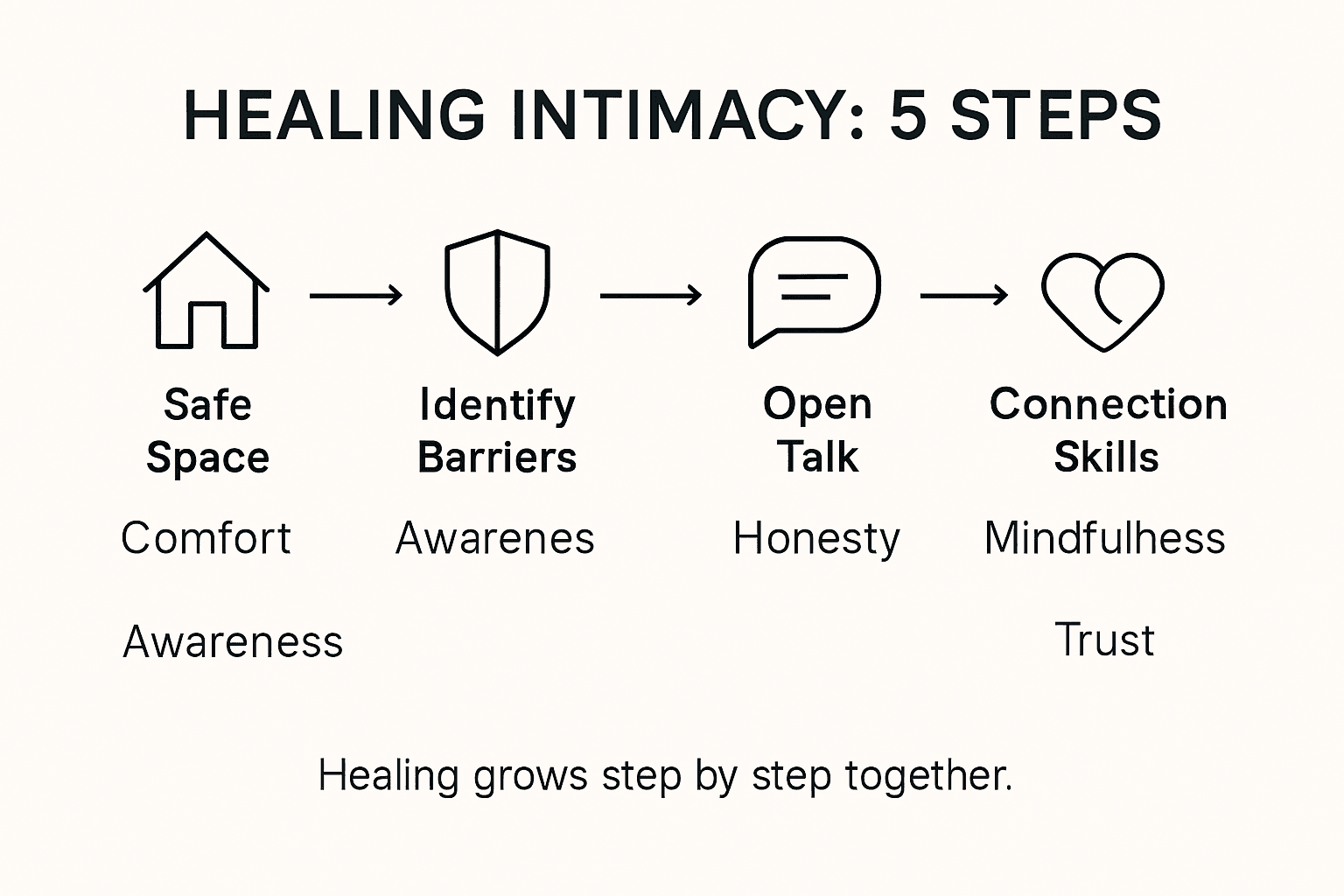
| 2. Recognize Barriers to Intimacy | Identify personal trauma responses that may prevent deep emotional connections. |
| 3. Communicate Openly with Your Partner | Foster an environment for honest, judgment-free discussions about vulnerabilities and feelings. |
| 4. Practice Trauma-Informed Connection Skills | Develop skills to support emotional safety, such as reflective listening and empathy. |
| 5. Monitor Progress in Healing | Track emotional patterns and celebrate small victories to foster a supportive relationship. |
Step 1: Prepare a Safe Environment for Healing
Creating a safe physical and emotional environment is foundational to healing from intimacy trauma. Your surroundings play a critical role in helping you feel secure and rebuilding trust during the recovery process. Establishing a supportive space involves intentional design that minimizes potential triggers and promotes emotional comfort.
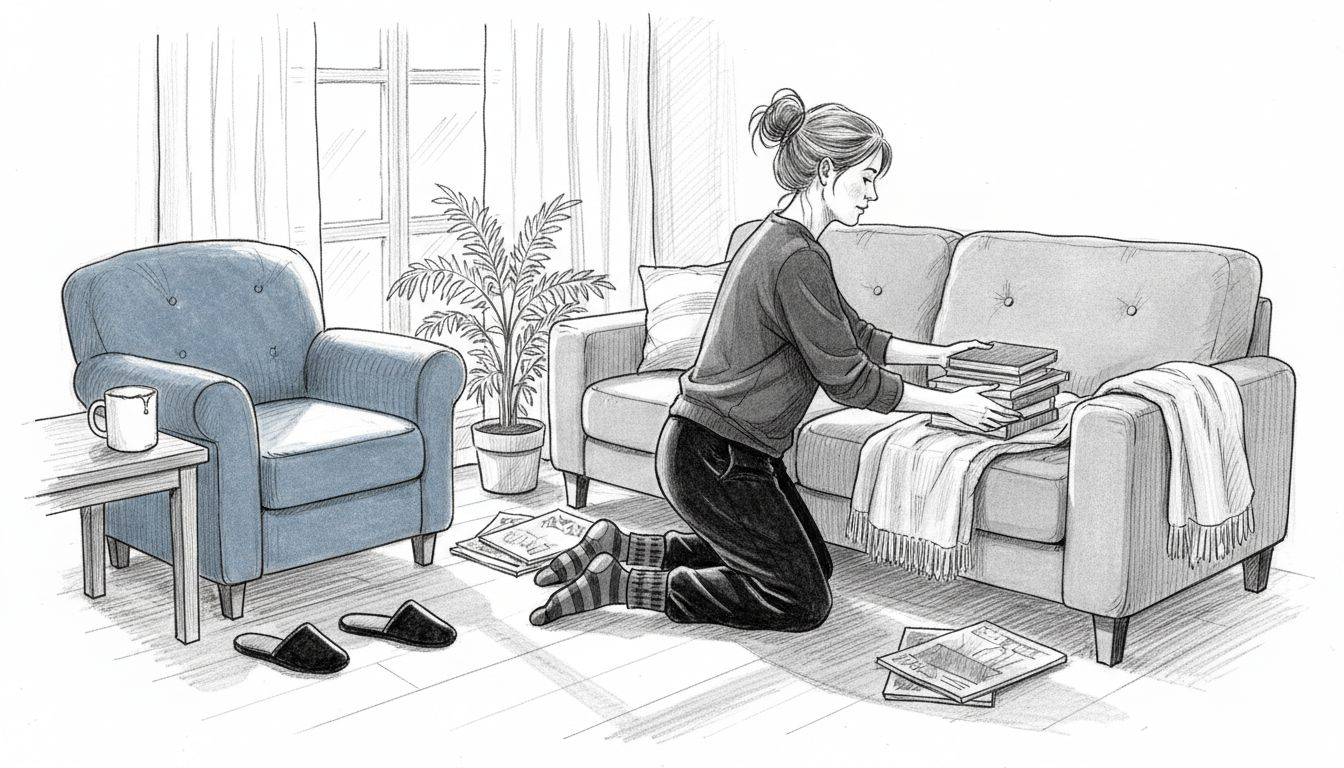
Start by identifying and eliminating potential sources of stress or anxiety in your personal space. This might mean rearranging furniture to create clear pathways, ensuring good lighting, using soft textures that feel comforting, and selecting calming colors that help you feel relaxed. Consider adding elements like plants, soft blankets, or artwork that make you feel safe and supported. Reduce overwhelming sensory inputs by managing noise levels, controlling room temperature, and creating designated areas for rest and emotional processing.
Communication with your partner is equally important in preparing a healing environment. Discuss boundaries, establish safe words or signals, and create mutual understanding about consent and emotional safety. Open dialogue about vulnerabilities and triggers helps build trust and ensures both partners feel respected and heard during the healing journey.
Pro Tip: Create a personal comfort kit with items that help you feel grounded and safe during challenging moments, such as a soft blanket, noise-canceling headphones, or a favorite calming essential oil.
Step 2: Identify Personal Barriers to Intimacy
Identifying your personal barriers to intimacy is a critical step in healing from trauma. This process involves understanding the complex emotional and psychological responses that may be preventing you from connecting deeply with your partner. Trauma creates natural defense mechanisms that protect you from potential emotional or physical harm, but these same mechanisms can also block genuine intimacy.
Begin by recognizing common trauma responses that might be interfering with your ability to connect. These can include hypervigilance (constantly scanning for potential threats), emotional numbness, difficulty trusting others, overwhelming anxiety during physical closeness, and persistent feelings of shame or self blame. Understanding how trauma impacts self perception and relationships helps you develop compassion for yourself and identify specific barriers you need to address.
Here is a summary of key trauma responses and supportive approaches:
| Trauma Response | Description | Supportive Approach |
|---|---|---|
| Hypervigilance | Excessive alertness to possible threats | Create predictability and structure |
| Emotional Numbness | Feeling disconnected from emotions | Practice mindfulness and grounding |
| Difficulty Trusting Others | Reluctance to rely on partners | Set clear and consistent boundaries |
| Overwhelming Anxiety | Strong anxiety during closeness | Use gradual, gentle exposure |
| Shame or Self-Blame | Persistent negative self-perception | Validate feelings and reframe guilt |
Consider working with a trauma informed therapist who can help you navigate these complex emotional landscapes. Journaling, mindfulness practices, and gentle self reflection can also support you in mapping out your specific intimacy barriers. Remember that recognizing these barriers is not about judgment but about creating a pathway toward healing and connection.
Pro Tip: Create a safe emotional inventory by writing down your specific triggers and reactions without self criticism, viewing them as protective mechanisms that helped you survive.
Step 3: Communicate Openly With Your Partner
Open communication is the foundation of rebuilding intimacy after trauma. This step requires creating a safe emotional space where both partners can share vulnerabilities honestly and without judgment. Questions that encourage vulnerability can help you gradually develop deeper understanding and connection.

Start by establishing clear communication boundaries that respect both partners trauma responses. This means creating a supportive environment where either person can pause conversations, request breaks, or express discomfort without feeling criticized. Practice active listening techniques like reflecting back what you hear, asking clarifying questions, and validating each others emotional experiences. Use gentle language that acknowledges the complexity of healing from trauma and demonstrates patience.
Schedule regular check in conversations where both partners can share their feelings, fears, and progress without pressure. These conversations should focus on emotional safety, mutual support, and gradual progress. Remember that communication is not about solving everything immediately but about creating consistent trust and understanding between you.
Pro Tip: Consider using a shared journal or communication app where you can write messages to each other when verbal communication feels challenging, allowing for gentler emotional expression.
Step 4: Practice Trauma-Informed Connection Skills
Developing trauma-informed connection skills requires intentional practice and compassionate understanding. These skills help you navigate intimacy with greater emotional safety and mutual respect. Practical communication techniques can transform how you interact, creating a supportive environment that honors both partners healing journeys.
Begin by learning to recognize and regulate stress responses in yourself and your partner. This means developing awareness of emotional triggers, practicing grounding techniques, and creating space for emotional regulation. Use strategies like deep breathing, offering choices during conversations, maintaining a calm tone, and checking in about comfort levels. Prioritize creating an environment where either partner can pause, request a break, or express vulnerability without fear of judgment or rejection.
Consider integrating mindfulness practices that support emotional connection. This might include taking turns sharing feelings without interruption, using reflective listening techniques, and practicing empathy through validating each others experiences. Remember that trauma informed connection is about creating safety, building trust gradually, and respecting individual boundaries throughout the healing process.
The following table highlights key trauma-informed connection skills and their benefits:
| Connection Skill | Description | Relationship Benefit |
|---|---|---|
| Reflective Listening | Repeat back and validate feelings | Builds mutual trust |
| Safe Words/Signals | Agree on cues to pause conversations | Reduces emotional overwhelm |
| Empathy Practice | Acknowledge each other's experiences | Increases sense of safety |
| Mindful Conversations | Share without distractions | Deepens emotional understanding |
Pro Tip: Create a shared set of communication signals or safe words that allow either partner to pause or redirect conversations when emotional overwhelm occurs.
Step 5: Monitor Progress and Strengthen Trust
Monitoring your healing journey requires compassionate self awareness and consistent reflection. Understanding trauma recovery principles helps you track emotional progress while maintaining realistic expectations about healing. This step involves creating a supportive framework that celebrates small victories and acknowledges challenges without judgment.
Develop a personal tracking system that allows you to observe emotional and relational patterns. This might include maintaining a shared journal, scheduling monthly check in conversations, or using emotional regulation tools that help both partners understand triggers and growth. Pay attention to subtle improvements in communication, increased comfort with vulnerability, and moments of genuine connection. Recognize that progress is not linear trauma recovery involves complex emotional landscapes with potential setbacks and breakthroughs.
Consider working with a trauma informed therapist who can provide professional guidance in monitoring your healing process. They can help you develop personalized strategies for tracking emotional progress, understanding trauma responses, and building sustainable relationship skills. Focus on creating a supportive environment that prioritizes safety, consistent communication, and mutual respect throughout your healing journey.
Pro Tip: Create a quarterly emotional wellness review where both partners share observations about personal and relational growth without criticism or pressure.
Take the Next Step Toward Healing and Rebuilding Intimacy
Healing from intimacy trauma requires a safe environment, clear communication, and compassionate support tailored to your unique barriers. If you are struggling with anxiety, trust issues, or emotional overwhelm after trauma, you do not have to face this journey alone. At Alvarado Therapy, our California-based trauma-informed team understands how to guide you through each step of healing with empathy and proven methods like EMDR therapy and trauma-sensitive counseling.
Begin your healing by connecting with skilled therapists who specialize in supporting clients through trauma recovery and intimacy challenges. Explore our experienced clinicians across California — Meet Our Team — Alvarado Therapy to find the support that fits your needs. Visit our main website to learn about therapy options and book your first appointment today. Your path toward safety, trust, and deeper connection starts now at Alvarado Therapy.
Frequently Asked Questions
How can I create a safe environment for healing after trauma?
Creating a safe environment involves minimizing stressors and maximizing comfort. Rearrange your space for clear pathways, use calming colors, and add comforting items like plants or soft textures to foster emotional safety.
What are some common barriers to intimacy I should look for?
Common barriers include hypervigilance, emotional numbness, and difficulty trusting others. Reflect on your reactions and consider journaling about them to identify specific challenges that may be inhibiting your intimacy with your partner.
How do I communicate openly with my partner during the healing process?
Start by establishing communication boundaries that respect each other's trauma responses. Use active listening techniques and schedule regular check-ins to share feelings and progress, ensuring both partners feel heard and respected.
What are some trauma-informed connection skills I can practice?
Trauma-informed connection skills include reflective listening and using safe words to pause conversations. Practice these techniques regularly to build trust and create an emotionally safe environment for both partners.
How can I monitor my progress in improving intimacy after trauma?
Develop a personal tracking system, such as a shared journal, to observe emotional changes and relationship patterns. Schedule regular reviews to celebrate small victories and discuss areas for improvement without judgment.
What should I include in my personal comfort kit for better emotional safety?
Include items that help you feel grounded, such as a soft blanket, noise-canceling headphones, or your favorite calming essential oil. Keeping this kit accessible allows you to quickly find comfort during challenging moments.
Recommended
Role of Trauma in Relationships – Impacts and Healing — Alvarado Therapy
8 Expert Relationship Healing Tips for Trauma Survivors — Alvarado Therapy
Trauma Healing Process Workflow for Effective Recovery — Alvarado Therapy
7 Empowering Ways to Heal After Breakup Naturally — Alvarado Therapy
What Is Emotional Intimacy? Complete Expert Guide - Mastering Conflict
