
Why Mental Health Matters for Trauma Survivors

Most American adults will face mental health challenges at some point, yet cultural stigmas still cause many to suffer alone. For bilingual survivors of childhood trauma in California, these misunderstandings can make it even harder to seek healing or connection. This article brings clarity to common misconceptions about mental health, explains the deep impact of trauma, and highlights practical EMDR therapy options that honor your unique identity and journey.
Table of Contents
Key Takeaways
| Point | Details |
|---|---|
| Mental Health as a Dynamic State | Mental health is fluid, influenced by various factors, and is more than just the absence of illness; it encompasses emotional resilience and cognitive functioning. |
| Impact of Trauma on Wellbeing | Psychological trauma can significantly alter emotional landscapes and coping mechanisms, leading to mental health challenges that require understanding and compassion. |
| Importance of Trauma-Informed Care | Trauma-informed therapy focuses on holistic healing, helping individuals process experiences in safe environments while emphasizing empowerment and understanding. |
| Consequences of Ignoring Mental Health | Neglecting mental health can result in chronic stress, relationship issues, and impaired daily functioning, highlighting the need for proactive support and intervention. |
Defining Mental Health and Common Misconceptions
Mental health represents a dynamic state of psychological and emotional well-being that goes far beyond the simplistic notion of just being "not sick." World Health Organization research defines mental health as a complex continuum involving an individual's capacity to navigate life's challenges, develop personal potential, and contribute meaningfully to their community.
Contrary to popular belief, mental health is not a static condition but a fluid experience influenced by numerous personal, social, and environmental factors. Many people mistakenly equate mental health with mental illness, creating harmful stigmas that prevent individuals from seeking support. In reality, mental health encompasses our emotional resilience, cognitive functioning, and ability to form healthy relationships. Comprehensive studies suggest mental health should be understood as a positive state of functioning, not merely the absence of psychological disorders.
Common misconceptions about mental health often stem from lack of understanding and cultural biases. Some prevalent myths include:
Mental health challenges are a sign of personal weakness
Only people with diagnosed conditions need mental health support
Trauma survivors should "just get over" their experiences
Mental health is completely separate from physical health
These misconceptions can be deeply damaging, particularly for trauma survivors who may already struggle with self-perception and healing. Recognizing mental health as a holistic, dynamic process is crucial for personal growth and recovery.
Pro tip: Create a daily mental wellness checklist that includes emotional check-ins, stress management techniques, and moments of self-compassion to actively support your psychological well-being.
How Trauma Shapes Mental and Emotional Wellbeing
Psychological trauma fundamentally transforms an individual's mental and emotional landscape, creating profound ripple effects that extend far beyond the initial experience. Psychological research reveals that traumatic experiences can dramatically alter an individual's core beliefs, emotional regulation, and interpersonal functioning.
Trauma disrupts the brain's natural stress response system, creating a persistent state of hypervigilance and emotional reactivity. Survivors often develop complex adaptive mechanisms that initially served as protective strategies but can ultimately interfere with healthy emotional processing. Trauma-informed perspectives emphasize that these neurological changes are not personal failures, but adaptive responses to overwhelming experiences.
The impacts of trauma on mental and emotional wellbeing can manifest through various psychological and physiological symptoms:
Heightened anxiety and persistent fear responses
Difficulty establishing and maintaining intimate relationships
Chronic stress and potential dissociative experiences
Challenges with emotional regulation and impulse control
Increased vulnerability to depression and complex PTSD
Understanding these impacts requires recognizing trauma as a holistic experience that touches every aspect of an individual's psychological functioning. By acknowledging the nuanced ways trauma reshapes mental landscapes, we can develop more compassionate, effective healing approaches.
Pro tip: Create a personalized emotional regulation toolkit that includes grounding techniques, safe sensory objects, and structured journaling to help manage trauma-related emotional fluctuations.
PTSD, Complex Trauma, and Anxiety Explained
Trauma disorders represent complex psychological experiences that fundamentally reshape an individual's emotional and neurological functioning. Complex PTSD diagnostic criteria reveal a nuanced understanding of how prolonged traumatic exposure creates profound psychological impacts beyond traditional PTSD symptoms.
Trauma disorders exist on a spectrum, with classic PTSD and Complex PTSD (CPTSD) representing distinct but interconnected experiences. Clinical research identifies six primary symptom clusters that distinguish these conditions, including three core PTSD symptoms and three additional self-organization disturbances. These symptoms typically emerge from chronic experiences such as childhood abuse, prolonged domestic violence, or repeated exposure to traumatic environments.
The key symptom clusters for trauma-related disorders include:
Intrusive memories and flashbacks
Persistent avoidance of trauma triggers
Hyperarousal and heightened threat perception
Negative self-concept and persistent shame
Challenges with emotional regulation
Significant interpersonal relationship difficulties
Understanding these symptoms requires recognizing trauma as a deeply personal experience that fundamentally alters an individual's perception of safety, self, and relationships. Each survivor's journey is unique, with symptoms manifesting differently based on individual experiences, resilience, and support systems.
Here's a summary table comparing classic PTSD and Complex PTSD (CPTSD) to clarify their distinctions:
| Aspect | Classic PTSD | Complex PTSD (CPTSD) |
|---|---|---|
| Typical Cause | Single traumatic event | Prolonged or repeated trauma |
| Core Symptoms | Flashbacks, avoidance, hyperarousal | Same as PTSD, plus negative self-image and emotional dysregulation |
| Interpersonal Impact | Trouble trusting after event | Deep difficulties with relationships |
| Treatment Focus | Trauma processing and safety | Trauma processing and rebuilding sense of self |
Pro tip: Develop a personalized trauma response journal that tracks emotional triggers, physiological responses, and healing strategies to build self-awareness and therapeutic insight.
Benefits of EMDR and Trauma-Informed Therapy
Trauma-informed therapy represents a revolutionary approach to mental health treatment that prioritizes understanding and healing the whole person, not just managing symptoms. Trauma care approaches emphasize creating safe, empowering therapeutic environments that support survivors' unique healing journeys.
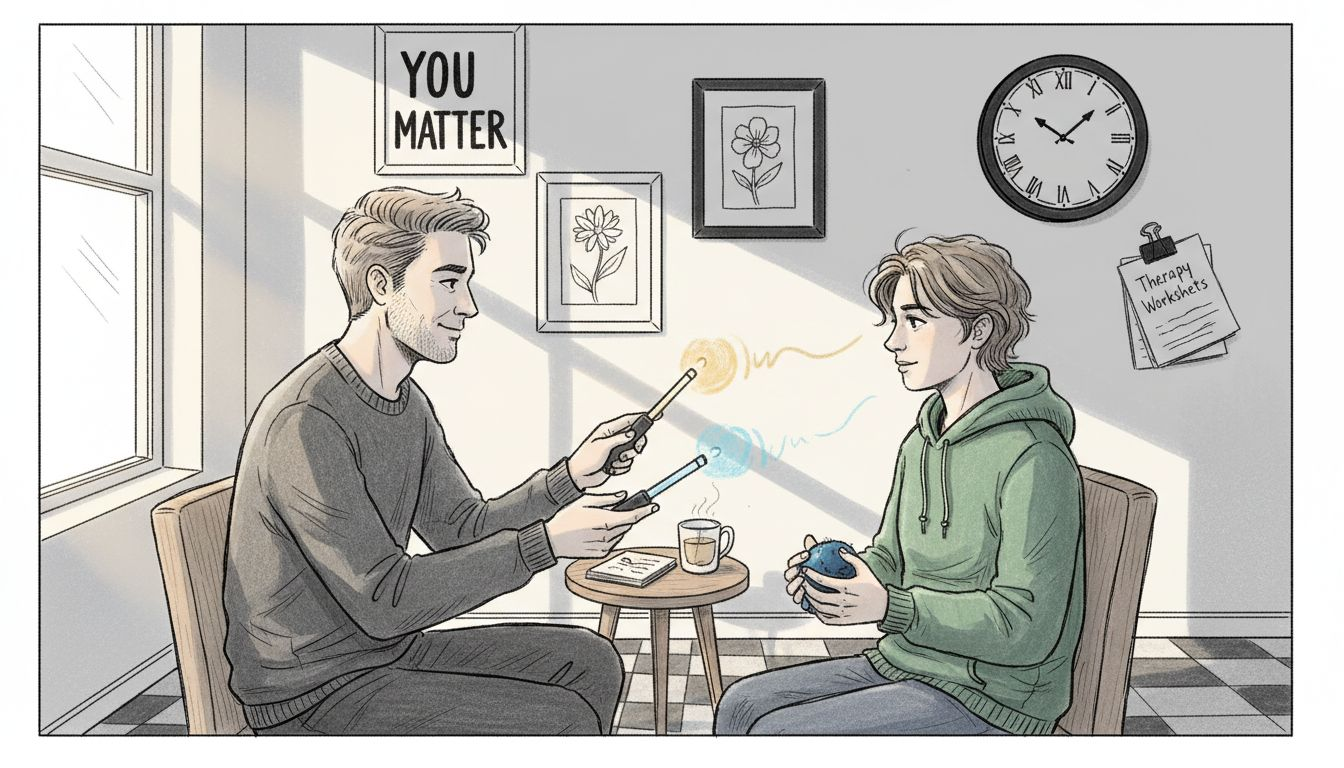
EMDR (Eye Movement Desensitization and Reprocessing) therapy stands out as a powerful intervention specifically designed to help trauma survivors process and integrate difficult memories. This specialized technique works by helping the brain reprocess traumatic experiences, reducing their emotional intensity and transforming how those memories are stored and experienced. Unlike traditional talk therapies, EMDR allows individuals to heal without extensively verbalizing traumatic details, making it particularly effective for those who struggle with verbal processing of their experiences.
Key benefits of trauma-informed and EMDR therapeutic approaches include:
Restoring a sense of personal safety and control
Reducing the intensity of traumatic memories
Decreasing symptoms of anxiety and hypervigilance
Supporting emotional regulation skills
Promoting resilience and post-traumatic growth
Minimizing potential for retraumatization
Trauma-informed therapy goes beyond symptom management, focusing on holistic healing that respects each survivor's unique experience. By creating collaborative, compassionate treatment environments, these approaches empower individuals to reclaim their narrative and rebuild a sense of agency and hope.
Pro tip: Schedule a preliminary consultation with a trauma-informed therapist to assess their specific approach, ensuring they understand the nuanced nature of your individual healing journey.
Culturally Sensitive and Identity-Affirming Care
Culturally sensitive therapy represents a critical approach that recognizes trauma's deeply personal and contextual nature. Trauma-informed practices acknowledge how cultural background fundamentally shapes an individual's experience of healing and recovery, moving beyond one-size-fits-all treatment models.
Trauma survivors from marginalized communities often face additional layers of complexity in their healing journey. Their experiences are intricately connected to systemic oppression, generational trauma, and cultural narratives that traditional therapeutic approaches frequently overlook. Culturally sensitive interventions recognize these nuanced experiences, creating space for holistic healing that honors individual and collective experiences.
Key principles of culturally sensitive and identity-affirming care include:
Respecting diverse cultural narratives and healing traditions
Acknowledging systemic trauma and historical context
Validating intersectional identities and experiences
Providing language-accessible and culturally responsive support
Challenging dominant therapeutic narratives
Empowering survivors through culturally meaningful interventions
True healing requires more than clinical techniques. It demands a profound understanding of how culture, identity, and personal history intertwine to shape an individual's trauma response and recovery path. By centering the survivor's lived experience, culturally sensitive care transforms therapy from a clinical intervention to a collaborative, empowering journey.
Below is a quick reference summarizing key elements of culturally sensitive therapy versus standard approaches:
| Focus Area | Culturally Sensitive Therapy | Standard Therapy |
|---|---|---|
| Cultural Context | Actively addressed in care | Often overlooked |
| Language Accessibility | Multilingual or adapted support | Primarily dominant language |
| Intersectional Identities | Validated and integrated | Seldom discussed |
| Healing Approaches | May include cultural traditions | Typically clinical techniques only |
Pro tip: Request a therapist consultation that specifically explores their cultural competency, training in identity-affirming practices, and approach to honoring your unique cultural background.
Risks of Neglecting Mental Health Needs
Mental health neglect carries profound and far-reaching consequences that extend well beyond immediate psychological distress. Emotional abuse research reveals that unaddressed trauma and emotional wounds can create cascading negative effects across multiple life domains, fundamentally disrupting an individual's capacity to function and thrive.
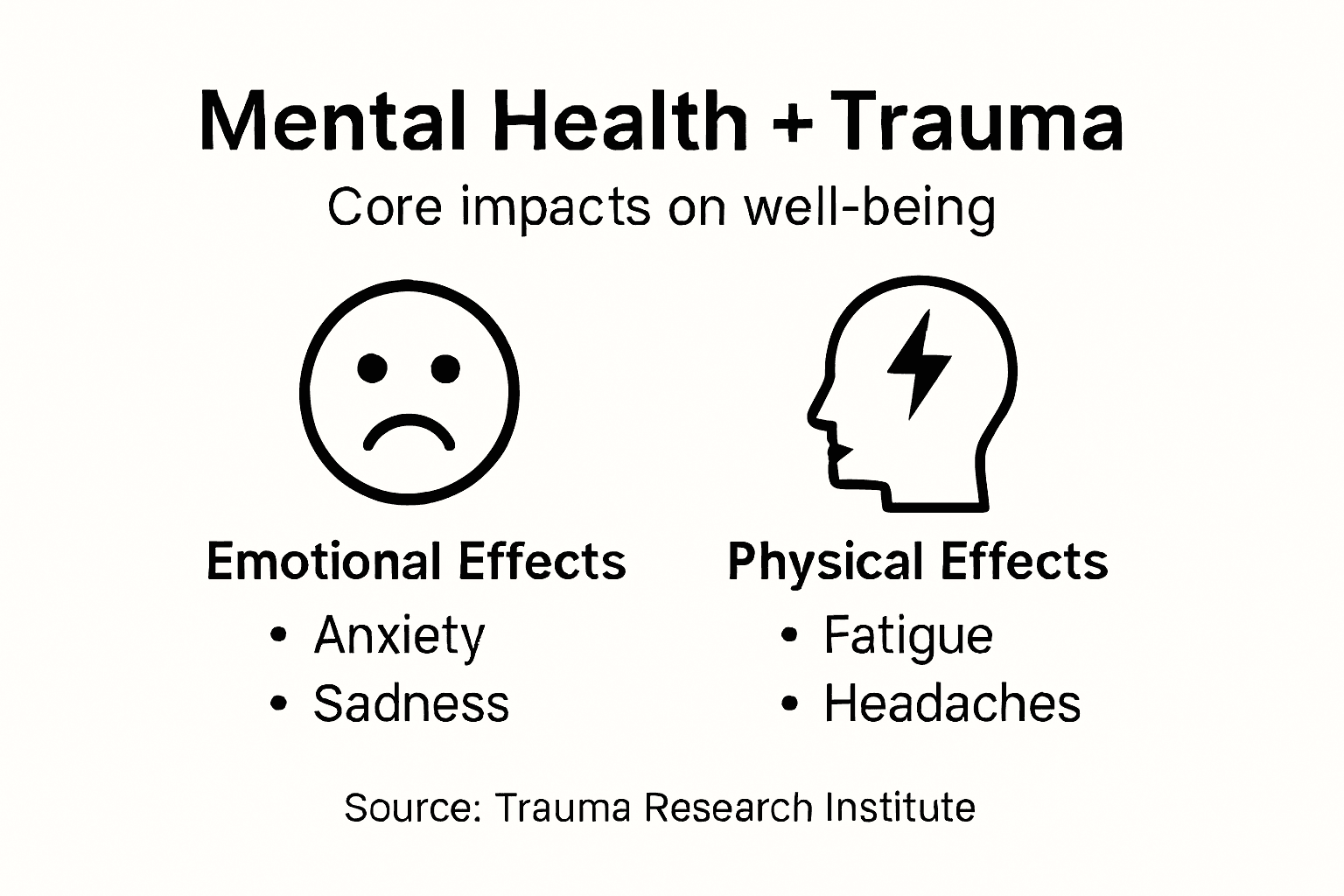
Trauma survivors who do not receive appropriate mental health support often experience compounding psychological challenges. Untreated mental health needs can lead to chronic stress, relationship difficulties, professional instability, and increased vulnerability to additional mental health disorders. Trauma-informed studies demonstrate that ignoring mental health can result in long-term disability and significant social and occupational impairments.
Potential risks of neglecting mental health needs include:
Escalating anxiety and depression symptoms
Increased risk of substance abuse
Chronic physical health complications
Persistent relationship and attachment difficulties
Reduced professional and academic performance
Higher vulnerability to retraumatization
Development of complex psychological defense mechanisms
Recognizing and addressing mental health needs is not a luxury but a critical component of overall well-being. By proactively seeking support, trauma survivors can interrupt negative psychological patterns and develop healthier, more adaptive strategies for healing and growth.
Pro tip: Create a comprehensive mental health tracking system that monitors your emotional triggers, stress levels, and healing progress, enabling more informed discussions with mental health professionals.
Take the Next Step Toward Healing Trauma and Strengthening Your Mental Health
Trauma survivors face unique challenges such as managing PTSD symptoms, emotional regulation difficulties, and complex trauma responses. These issues can feel overwhelming, but you do not have to face them alone. At Alvarado Therapy, we specialize in trauma-informed care and EMDR therapy designed to help you regain control over your mental health and rebuild a sense of safety and empowerment. Our licensed therapists in California understand the importance of culturally sensitive, identity-affirming approaches tailored to support your healing journey.
Find compassionate, expert care that respects your individual experience by connecting with our dedicated team in California or online. Explore our California — Meet Our Team — Alvarado Therapy page to learn more about our therapists. Start your path to recovery today by visiting Alvarado Therapy. You deserve support that truly understands the impact of trauma and offers hope for lasting healing.
Frequently Asked Questions
What is the importance of mental health for trauma survivors?
Mental health is crucial for trauma survivors as it affects their emotional resilience, cognitive functioning, and ability to form healthy relationships. Proper mental health support helps individuals process traumatic experiences and rebuild their lives.
How can trauma affect a person's mental health?
Trauma can fundamentally alter an individual's mental and emotional landscape, leading to symptoms such as heightened anxiety, chronic stress, difficulty in relationships, and emotional dysregulation. Understanding these impacts is essential for effective healing.
What types of therapy are beneficial for trauma survivors?
Trauma-informed therapy, including EMDR (Eye Movement Desensitization and Reprocessing), is particularly effective for trauma survivors. These approaches focus on holistic healing rather than just symptom management, supporting emotional regulation and resilience.
Why is culturally sensitive care important for trauma survivors?
Culturally sensitive care acknowledges how cultural background impacts the healing process. It validates individuals' unique experiences and addresses systemic issues that may influence their recovery journey, leading to more effective therapeutic outcomes.
