
What Is EMDR Therapy and Who It Helps

Seeking true healing after trauma can feel overwhelming, especially when memories from the past linger and disrupt daily life. For many California adults living with PTSD or anxiety, finding an approach that honors cultural background and language is essential. EMDR therapy has gained wide recognition as an effective, research-backed method for helping people reprocess and reduce the emotional burden of traumatic memories, offering hope for lasting relief in a supportive and inclusive setting.
Table of Contents
Key Takeaways
| Point | Details |
|---|---|
| EMDR Therapy Overview | EMDR therapy is a structured, eight-phase approach that leverages bilateral sensory stimulation to help individuals process and heal from traumatic memories. |
| Effectiveness | Clinical research supports EMDR’s efficacy, particularly for conditions like PTSD, showing significant symptom reduction compared to traditional therapies. |
| Who Benefits | EMDR is beneficial for a wide range of individuals, including military veterans and survivors of abuse, especially those struggling with unresolved emotional challenges. |
| Risks and Limitations | While EMDR offers healing potential, it may temporarily heighten emotional distress, and certain conditions may limit its effectiveness, requiring careful practitioner management. |
What Is EMDR Therapy Really About
EMDR therapy represents a groundbreaking approach to healing psychological trauma by directly addressing how the brain processes distressing memories. Developed by psychologist Francine Shapiro in the late 1980s, this innovative therapeutic method goes beyond traditional talk therapy by engaging the brain's natural healing mechanisms. Comprehensive trauma recovery techniques focus on helping individuals reprocess traumatic experiences that have become "stuck" in their neurological system.
At its core, EMDR operates through a structured eight-phase protocol involving bilateral sensory stimulation - typically side-to-side eye movements - which helps the brain reframe and desensitize traumatic memories. Unlike traditional therapies that might require years of discussion, EMDR aims to help patients process emotional wounds more efficiently by directly targeting how traumatic memories are stored and remembered. The therapy works on the premise that psychological pain can be transformed when memories are properly processed, reducing their emotional charge and helping individuals move toward healing.
The therapeutic process involves carefully guided sessions where patients recall distressing memories while simultaneously experiencing bilateral stimulation, which could include rhythmic eye movements, hand tapping, or audio tones. This multisensory approach helps the brain reprocess traumatic memories, reducing their psychological impact and helping individuals develop more adaptive perspectives. Research has consistently shown EMDR to be particularly effective for treating conditions like post-traumatic stress disorder (PTSD), anxiety, depression, and other trauma-related psychological challenges.
Pro Tip: When considering EMDR therapy, choose a licensed therapist specifically trained and certified in EMDR techniques to ensure the most effective and safe treatment experience.
How EMDR Works for Trauma and PTSD
EMDR therapy represents a scientifically validated approach to addressing psychological trauma by directly targeting how traumatic memories are stored and processed in the brain. Evidence-based trauma treatment techniques have demonstrated remarkable effectiveness in helping individuals overcome complex psychological challenges related to post-traumatic stress disorder (PTSD) and other trauma-related conditions.
The therapeutic mechanism of EMDR involves a sophisticated eight-phase protocol that systematically helps patients reprocess traumatic memories. During sessions, patients are guided to recall distressing memories while simultaneously experiencing bilateral sensory stimulation - typically through side-to-side eye movements, hand tapping, or auditory tones. This multisensory approach triggers the brain's natural information processing system, allowing traumatic memories to be reframed and their emotional intensity reduced. The goal is not to eliminate memories but to help patients develop more adaptive and less emotionally charged perspectives about their traumatic experiences.

Clinical research has consistently shown EMDR's effectiveness across diverse populations and trauma types. International clinical guidelines now recognize EMDR as a frontline treatment for PTSD, with studies indicating significant symptom reduction compared to traditional therapeutic approaches. The therapy works by helping the brain's neural networks reorganize traumatic memories, essentially helping individuals "metabolize" psychological wounds and move toward healing. By directly addressing how traumatic memories are stored and processed, EMDR offers a more targeted and potentially faster route to psychological recovery compared to traditional talk therapies.
Pro Tip: When exploring EMDR therapy, seek a licensed therapist with specialized training and certification in EMDR techniques to ensure the most effective and personalized treatment approach.
Who Can Benefit Most from EMDR Sessions
EMDR therapy offers transformative healing potential for individuals struggling with a wide range of psychological challenges stemming from traumatic experiences. Comprehensive trauma recovery strategies demonstrate remarkable effectiveness for diverse populations, including military veterans, survivors of abuse, first responders, and individuals battling persistent anxiety, depression, and post-traumatic stress disorder (PTSD).
People experiencing complex emotional challenges often find EMDR particularly beneficial. This includes survivors of childhood abuse, sexual assault victims, individuals with complex trauma histories, and those wrestling with generational or intergenerational trauma. The therapy is especially powerful for those who have tried traditional talk therapy without experiencing significant relief. Military veterans, emergency workers, and individuals who have experienced significant life disruptions - such as sudden loss, accidents, natural disasters, or prolonged periods of stress - can find substantial healing through targeted EMDR interventions.
The therapeutic approach is not limited to extreme trauma survivors. Research indicates EMDR can effectively support individuals managing workplace stress, relationship difficulties, performance anxiety, and emotional blocks that prevent personal growth. Particularly effective for those with persistent negative belief systems, EMDR helps patients reframe deeply ingrained psychological patterns. By addressing the root of emotional distress, the therapy provides a pathway for healing that goes beyond symptom management, offering genuine transformation for individuals across various life experiences and psychological backgrounds.
Pro Tip: Before beginning EMDR therapy, schedule an initial consultation to discuss your specific trauma history and ensure the therapist has specialized experience addressing your unique psychological needs.
Typical EMDR Therapy Process Explained
EMDR therapy follows a structured eight-phase protocol designed to help patients systematically process and heal from traumatic experiences. Comprehensive trauma recovery approach begins with a detailed client history assessment, where therapists carefully explore past experiences, current symptoms, and treatment goals to create a personalized healing strategy.
The eight phases of EMDR therapy progress methodically, ensuring client safety and gradual emotional processing. Initially, therapists focus on client preparation, teaching grounding and emotional regulation techniques to build resilience. During the assessment phase, specific traumatic memories are identified, and patients learn to rate the emotional disturbance associated with these memories. The core of the therapy involves bilateral stimulation - typically side-to-side eye movements - while patients focus on targeted memories, allowing the brain to reprocess and reduce the emotional charge of traumatic experiences. Subsequent phases involve installing positive cognitive beliefs, conducting body scans to release residual tension, and providing closure to each therapeutic session.
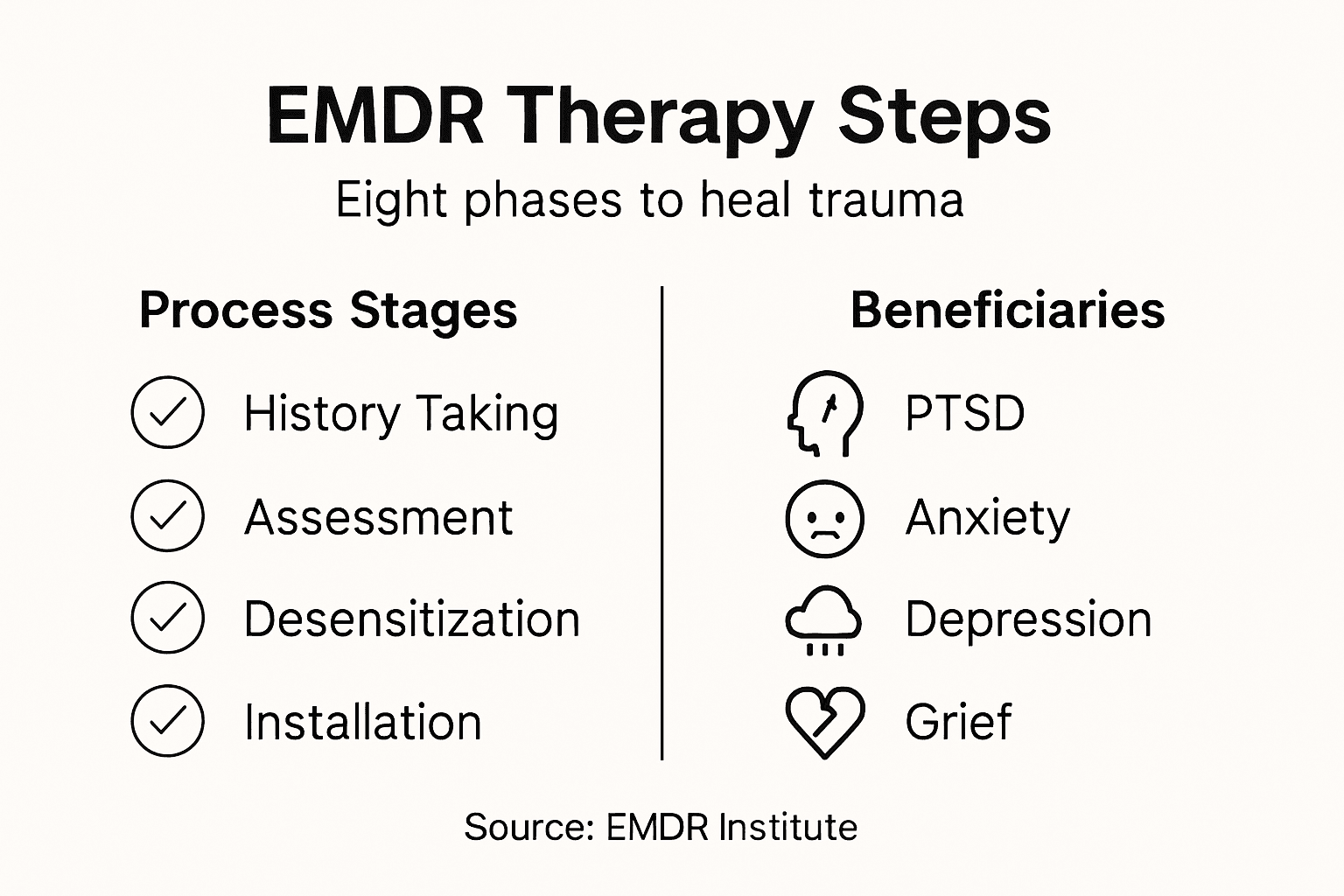
Unlike traditional talk therapies, EMDR's structured approach focuses on active memory reprocessing rather than extended verbal discussion. Each session builds upon the previous one, with continuous evaluation of the patient's emotional state and progress. Therapists carefully monitor client responses, adapting the bilateral stimulation techniques to ensure maximum comfort and effectiveness. The goal is not just symptom management but genuine neurological reprocessing that allows patients to develop more adaptive perspectives on their traumatic experiences, ultimately reducing psychological distress and promoting long-term emotional healing.
Below is a comparison of EMDR therapy and traditional talk therapy:
| Aspect | EMDR Therapy | Traditional Talk Therapy |
|---|---|---|
| Main Approach | Memory reprocessing | Verbal exploration |
| Typical Duration | Shorter, targeted sessions | Extended treatment over time |
| Sensory Methods | Bilateral stimulation | No sensory stimulation |
| Focus | Transform how memories are stored | Discuss and reflect on experiences |
Here’s a summary of the EMDR eight-phase process and its focus.
| Phase | Main Activity | Purpose |
|---|---|---|
| 1. History Taking | Client assessment | Identify trauma, set goals |
| 2. Preparation | Teach coping skills | Build emotional resilience |
| 3. Assessment | Target memory selection | Rate emotional disturbance |
| 4. Desensitization | Bilateral stimulation | Reduce emotional charge |
| 5. Installation | Positive belief integration | Replace negative beliefs |
| 6. Body Scan | Residual tension check | Release remaining stress |
| 7. Closure | Session wrap-up | Restore emotional stability |
| 8. Reevaluation | Progress review | Measure and adjust treatment |
Pro tip: Maintain a journal documenting your emotional responses and insights between EMDR sessions to enhance self-awareness and track your therapeutic progress.
Possible Risks and Limitations of EMDR
While EMDR therapy offers significant healing potential, patients and practitioners must understand its potential risks and inherent limitations. Comprehensive trauma therapy research indicates that the therapy can temporarily intensify emotional distress as traumatic memories surface during treatment. Some individuals may experience heightened anxiety, vivid memory recall, or emotional vulnerability during the reprocessing phases, which requires careful professional management and patient preparation.
Certain psychological and neurological conditions may limit EMDR's effectiveness or require specialized adaptation. Individuals with severe dissociative disorders, active substance abuse, recent psychotic episodes, or significant cognitive impairments might need extensive screening and potential modifications to the standard protocol. Some patients may not respond equally to bilateral stimulation, and the therapy's success depends heavily on the therapist's specialized training and ability to navigate complex emotional landscapes. Moreover, EMDR is not a standalone solution for all mental health challenges and may need to be integrated with other therapeutic approaches for comprehensive treatment.
Research continues to explore the nuanced boundaries of EMDR's clinical application. Long-term studies are still needed to fully understand its mechanisms, optimal implementation strategies, and potential variations across different trauma types and patient populations. While numerous clinical trials demonstrate significant positive outcomes, the scientific community recognizes the importance of ongoing research to refine protocols, understand neurological processing, and develop more targeted interventions for specific psychological conditions.
Pro Tip: Discuss your complete medical and psychological history with your therapist before starting EMDR to ensure the most appropriate and safe treatment approach.
Find Lasting Relief with Expert EMDR Therapy at Alvarado Therapy
If you are struggling with trauma, PTSD, or complex emotional challenges, understanding how EMDR therapy works is the first step toward real healing. This therapy directly addresses how distressing memories are processed in the brain, offering a unique pathway to reduce emotional pain and regain control over your life. At Alvarado Therapy, our licensed therapists specialize in EMDR and trauma-informed care designed to meet your individual needs with compassion and cultural sensitivity.

Take the next step toward healing by connecting with experienced EMDR therapists in California who understand the complexities of trauma and are dedicated to your recovery journey. Visit our California — Meet Our Team — Alvarado Therapy page to find the right therapist for you. Whether you prefer in-person sessions in Ventura Ventura CA (in person) — Meet Our Team — Alvarado Therapy or need support online, you can start your personalized therapy plan today. Learn more about our services and book your appointment at Alvarado Therapy to take control of your healing now.
Frequently Asked Questions
What is EMDR therapy?
EMDR (Eye Movement Desensitization and Reprocessing) therapy is a structured therapeutic approach designed to help individuals process and heal from traumatic experiences by using bilateral sensory stimulation, such as side-to-side eye movements.
Who can benefit from EMDR therapy?
EMDR therapy is beneficial for individuals facing a variety of psychological challenges, including those with PTSD, anxiety, depression, and complex trauma histories. This includes survivors of abuse, military veterans, first responders, and people dealing with chronic negative belief systems.
How does EMDR therapy work?
EMDR therapy works through an eight-phase protocol that facilitates the reprocessing of traumatic memories. Patients recall distressing memories while engaging in bilateral stimulation, which helps reduce the emotional charge of those memories and allows for the development of more adaptive perspectives.
Are there any risks or limitations of EMDR therapy?
Yes, while EMDR therapy can be highly effective, it may temporarily intensify emotional distress as traumatic memories surface. It may not be suitable for everyone, especially individuals with certain psychological or neurological conditions. A thorough evaluation with a trained therapist is essential before beginning treatment.
