
Preparing for Online Therapy Session: Step-by-Step Guide
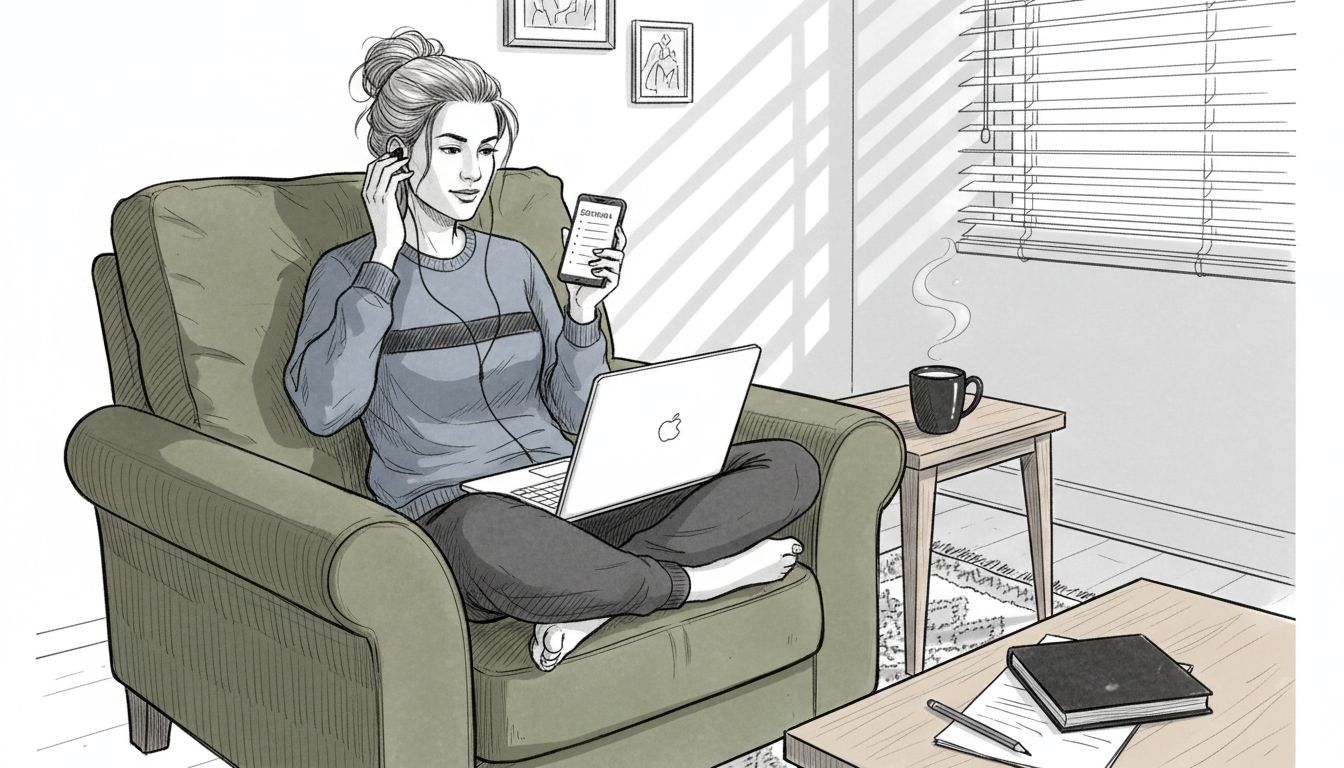
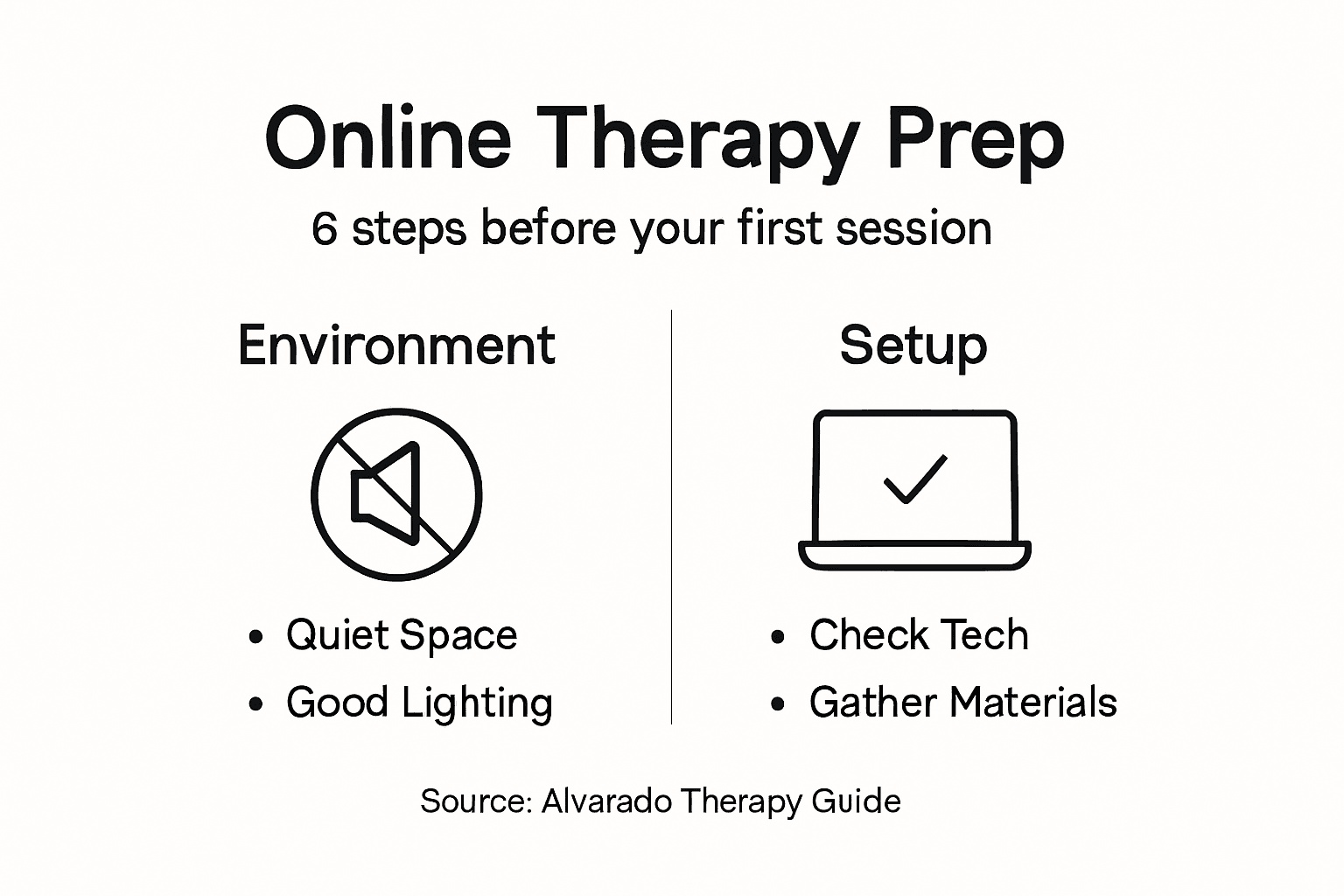
Over half of American adults have tried some form of online therapy, but many underestimate how much their environment and mindset shape session outcomes. For California adults seeking EMDR therapy to tackle childhood trauma, anxiety, or relationship struggles, preparation can spell the difference between distraction and real progress. This guide offers practical steps to help you create a private space, address technology needs, and approach your session with confidence for a more focused and effective healing experience.
Table of Contents
Quick Summary
| Key Point | Explanation |
|---|---|
| 1. Create a private therapy space | Choose a quiet room away from distractions to ensure confidentiality and comfort during your online sessions. |
| 2. Prepare necessary technology | Use a reliable device with high-quality audio and video, and check your internet connection for a seamless session. |
| 3. Minimize distractions | Turn off notifications and inform household members to maintain focus and confidentiality during your session. |
| 4. Set therapy goals and questions | Reflect on your therapeutic objectives and prepare questions to maximize the effectiveness of your time with your therapist. |
| 5. Prepare mentally and emotionally | Engage in grounding techniques and reflect on your feelings to foster openness and readiness for your session. |
Step 1: Set Up Your Private Therapy Space
Creating a dedicated private space for your online therapy session is crucial for maintaining confidentiality and ensuring a comfortable therapeutic environment. This means selecting a secure location in your home where you can speak openly without interruptions or background noise.
Begin by identifying a quiet room with a door you can close. Choose a space away from common household areas like the kitchen or living room. Look for a location with good lighting and a neutral background for video sessions. The goal is to create a professional setting that helps you feel safe and focused. Creating a dedicated therapy space is essential for maintaining privacy and professional boundaries during teletherapy sessions.
Position yourself facing a wall or blank background to minimize visual distractions. Ensure your camera is at eye level and you are comfortably seated. Test your internet connection and audio quality before the session starts. Have a glass of water nearby and keep any necessary documents or journal within reach.
Pro tip: Consider using noise cancelling headphones and placing a small do not disturb sign on your door to prevent unexpected interruptions during your therapy session.
Step 2: Gather Necessary Technology and Materials
Preparing the right technology and materials is crucial for a seamless online therapy experience. Your goal is to create a reliable and professional setup that allows for clear communication and minimizes potential technical disruptions.
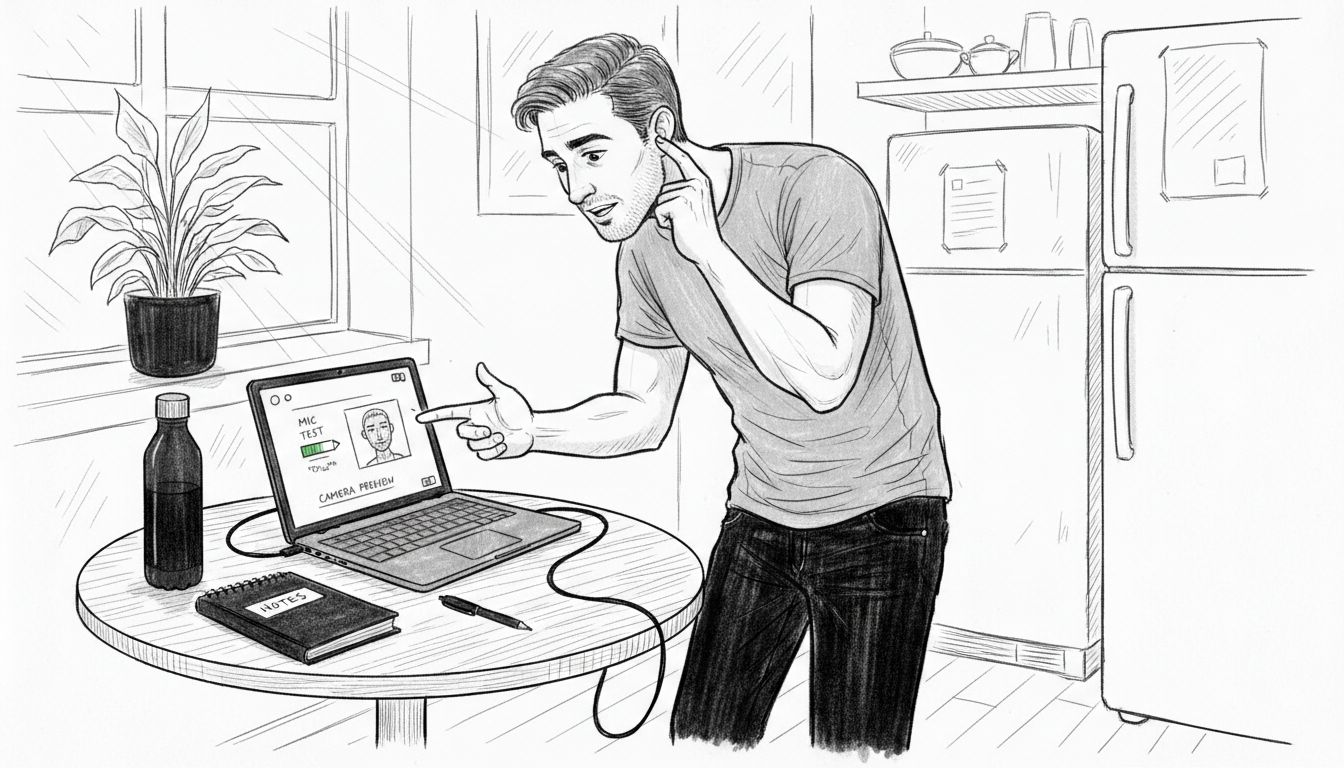
Start by ensuring you have a dependable computer or smartphone with a high-quality webcam and microphone. Modern mental health technology requires updated devices capable of stable video communication. Check your internet connection speed and consider using a wired ethernet connection for maximum stability. Invest in noise cancelling headphones to improve audio clarity and maintain privacy during your session.
Organize your physical materials before the session begins. Keep a notebook, pen, water bottle, and any relevant documents within reach. Consider having a charger nearby in case your device battery runs low. If your therapist has recommended any specific tools like journaling materials or assessment forms prepare those in advance. Always do a quick technology test 15 minutes before your scheduled session to verify everything is functioning correctly.
Pro tip: Create a digital folder on your device with all therapy related documents to ensure quick and easy access during your online session.
Step 3: Check Internet Connection and Audio Quality
Verifying your internet connection and audio quality is essential to ensure a smooth and uninterrupted online therapy session. Your goal is to create a stable technological environment that supports clear communication and minimizes potential technical disruptions.
Telehealth connection strategiesrecommend several practical steps to optimize your technical setup. Start by running an internet speed test to confirm you have sufficient bandwidth for video communication. Aim for at least 10 Mbps download and 5 Mbps upload speeds. Position your device close to your WiFi router or consider using a wired ethernet connection for maximum stability. Test your microphone and speakers by recording a short audio clip and playing it back to verify sound clarity.
If you experience connectivity issues, have a backup plan ready. This might include switching to audio-only mode, using your mobile hotspot, or having your therapist's phone number available for alternative communication. Conduct a full technical test about 15 minutes before your scheduled session. This gives you time to troubleshoot any unexpected problems without causing stress or session delays. Close unnecessary browser tabs and applications to free up system resources and improve connection performance.
Here's a summary of common challenges for online therapy sessions and practical solutions to address them:
| Challenge | Impact on Session | Practical Solution |
|---|---|---|
| Background noise | Reduces privacy | Use noise cancelling headphones |
| Poor internet connection | Disrupts communication | Use wired connection if possible |
| Loss of focus | Limits session outcomes | Minimize notifications, close apps |
| Low device battery | Causes session dropouts | Keep charger nearby |
| Lack of preparation | Wastes valuable time | Gather materials before session |
Pro tip: Keep a backup device like a smartphone nearby in case your primary device experiences unexpected technical difficulties during the therapy session.
Step 4: Minimize Distractions and Ensure Privacy
Protecting the confidentiality and focus of your online therapy session requires intentional preparation and strategic planning. Your primary goal is to create a secure environment that supports open and uninterrupted communication with your therapist.
Telehealth data privacy strategiesemphasize the importance of selecting a truly private space where you can speak freely without fear of being overheard. If you live with others, communicate your need for uninterrupted time and consider using noise cancelling headphones to minimize sound transmission. Place a do not disturb sign on your door and inform household members about your scheduled session. Turn off notifications on your devices and close unnecessary applications that might generate sounds or pop up during your conversation.
Alternative locations can provide privacy if your home environment is challenging. Some clients find success using a parked car, a quiet home office, or a private room with a closed door. Wear comfortable headphones to enhance audio privacy and reduce background noise. If possible, position yourself facing a neutral wall to minimize visual distractions in your background. Remember that your comfort and sense of safety are paramount to having a productive therapy session.
Compare alternative locations for online therapy when privacy is limited at home:
| Location | Privacy Level | Comfort | Reliability |
|---|---|---|---|
| Home office | High | High | Very reliable |
| Parked car | Moderate | Medium | Reliable if quiet |
| Bedroom | High | High | Reliable |
| Shared space | Low | Low | Unreliable |
Pro tip: Practice a brief relaxation technique like deep breathing immediately before your session to center yourself and create a mental buffer between your daily activities and therapy time.
Step 5: Prepare Mentally and Emotionally for Session
Preparing mentally and emotionally for your therapy session is a critical step in maximizing the healing potential of your upcoming conversation. Your goal is to create inner space for reflection, vulnerability, and openness to the therapeutic process.
Mental health self-care strategies suggest spending time before your session reflecting on your current emotional state and the topics you want to explore. Consider journaling about your recent experiences, challenges, or specific feelings you want to discuss. Set gentle intentions for the session without placing undue pressure on yourself. Some clients find it helpful to create a brief list of key points or questions they want to address with their therapist to help focus their thoughts and reduce anxiety about the upcoming conversation.
Practice grounding techniques like deep breathing or mindful meditation to help calm your nervous system and create emotional readiness. Recognize that therapy is a process and each session is a step toward healing. Be compassionate with yourself and understand that whatever emotions or thoughts emerge during the session are valid. If you feel nervous, remember that your therapist is a trained professional who is there to support your journey. Approach the session with curiosity and openness rather than judgment.
Pro tip: Schedule your therapy session during a time of day when you typically feel most emotionally balanced and have minimal external pressures or commitments afterward.
Step 6: Review Your Therapy Goals and Questions
Preparing a thoughtful framework for your therapy session helps maximize your time and ensures you address the most important aspects of your healing journey. Understanding and articulating your goals creates a clear roadmap for your therapeutic experience.
Therapy goals worksheet strategies recommend developing specific and measurable objectives that guide your healing process. Begin by reflecting on what you want to accomplish through therapy. Are you seeking to manage anxiety, process past trauma, improve relationship dynamics, or develop coping mechanisms? Write down 2-3 concrete goals that feel meaningful to you. These might include statements like "I want to understand my triggers for anxiety" or "I aim to develop healthier communication patterns in my relationships."
Brainstorm potential questions or topics you want to discuss during the session. Consider recent experiences that have been challenging, emotional patterns you want to explore, or specific situations causing stress. Organize these thoughts in a brief notes document or journal. Remember that your therapist is a collaborative partner in your healing process. Your goals do not need to be perfect they should simply reflect your genuine desire for personal growth and understanding.
Pro tip: Create a digital or physical folder to store your therapy goals and notes to track your progress and maintain continuity between sessions.
Prepare Confidently for Your Online Therapy Journey with Expert Support
Starting an online therapy session can feel overwhelming as you navigate technology, create a private space, and prepare emotionally. If you find yourself struggling to set clear goals or minimize distractions the step-by-step guide offers valuable strategies to feel centered and ready for healing. At Alvarado Therapy we understand these challenges and specialize in trauma-informed care to help you gain clarity and safety throughout your therapeutic experience.
Whether you live in California or need compassionate care from home our licensed therapists provide culturally responsive online counseling tailored to your unique needs. Explore our caring team in California — Meet Our Team — Alvarado Therapy and discover how our trauma-sensitive approach can help you overcome anxiety, PTSD, and relationship difficulties.
Take the next step toward empowerment and emotional wellness today. Visit Alvarado Therapy to schedule your first session or learn more about our services. Your path to healing begins with preparation and trusted support.
Frequently Asked Questions
How do I create a private therapy space for my online session?
Creating a private therapy space is essential for confidentiality. Choose a quiet room with a door that can close, position yourself facing a neutral background, and make sure to minimize distractions so you can focus on your session.
What technology do I need for my online therapy session?
You will need a reliable computer or smartphone with a high-quality webcam and microphone. Ensure your internet connection is stable and have headphones to improve audio clarity.
How can I check my internet connection and audio quality before the session?
Run an internet speed test to verify that your connection meets the required bandwidth, aiming for at least 10 Mbps download and 5 Mbps upload. Conduct a quick technology test 15 minutes before your session to ensure everything is functioning properly.
What should I do to minimize distractions during my therapy session?
To minimize distractions, select a truly private space, inform household members of your scheduled session, and turn off notifications on your devices. Use noise cancelling headphones and place a do not disturb sign on your door to avoid interruptions.
How can I prepare mentally and emotionally before my therapy session?
Reflect on your emotional state and jot down topics you want to discuss. Practice grounding techniques like deep breathing or mindfulness to create emotional readiness for your session, helping you to enter with clarity and openness.
What goals should I set for my therapy session?
Identify 2-3 specific and measurable goals that reflect what you want to accomplish, like managing anxiety or improving communication. Write them down and consider questions related to these goals to help guide your conversation with your therapist.
