
What Is PTSD in LGBTQ Adults – Identity, Trauma, and Healing
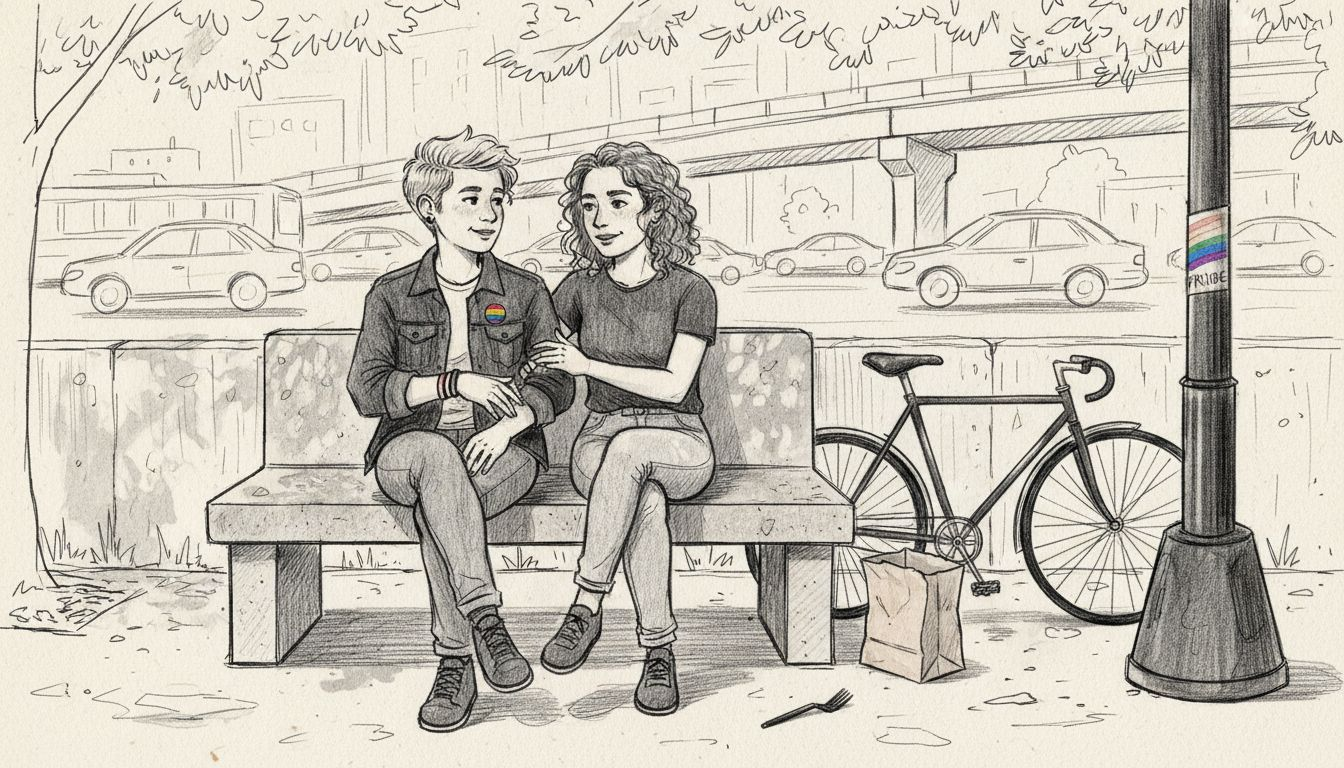
Most American LGBTQ adults in California face trauma at rates far higher than the general population, with nearly half reporting symptoms linked to discrimination and violence. Living with PTSD rooted in identity struggles can make daily life exhausting and isolating. Understanding why these unique challenges matter is the first step toward finding healing through trauma-informed EMDR therapy, offering hope and tailored support that respects both your journey and your identity.
Table of Contents
Key Takeaways
| Point | Details |
|---|---|
| PTSD in LGBTQ Communities | PTSD is significantly influenced by systemic discrimination and minority stress, leading to unique experiences of trauma within LGBTQ populations, especially for transgender individuals. |
| Complex Trauma Sources | LGBTQ adults face various interconnected trauma sources, including family rejection and workplace discrimination, which create cumulative psychological challenges. |
| Minority Stress and PTSD Symptoms | The continuous exposure to minority stress results in complex PTSD symptoms, including chronic anxiety and hypervigilance, impacting mental health and safety perceptions. |
| Barriers to Care | Access to trauma-informed care is obstructed by healthcare disparities and provider biases, highlighting the need for culturally competent support systems. |
Defining PTSD in LGBTQ Communities
Posttraumatic Stress Disorder (PTSD) manifests uniquely within LGBTQ communities, representing a profound mental health challenge deeply rooted in systemic discrimination, minority stress, and cumulative traumatic experiences. Research on PTSD among LGBTQ populations reveals significantly higher rates of trauma exposure compared to heterosexual and cisgender individuals, with transgender people experiencing the most substantial risk.
The complexity of PTSD in LGBTQ contexts stems from multifaceted traumatic experiences including minority stress, direct physical and psychological violence, familial rejection, internalized stigma, and systemic oppression. These intersecting factors create a unique psychological landscape where trauma is not just an isolated event but a continuous, cumulative experience that shapes individual and collective mental health. Transgender individuals, in particular, face disproportionately higher risks of experiencing violence, discrimination, and social marginalization, which exponentially increase their vulnerability to developing PTSD.
Traumatic experiences within LGBTQ communities often differ from traditional PTSD definitions, encompassing ongoing microaggressions, institutional discrimination, and persistent identity-based threats. These experiences can manifest as complex PTSD, characterized by prolonged exposure to traumatic conditions rather than singular acute incidents. Symptoms may include hypervigilance about personal safety, chronic anxiety related to identity disclosure, persistent feelings of shame or worthlessness, and complex emotional regulation challenges that extend beyond conventional PTSD diagnostic criteria.
Pro tip: Seek trauma-informed mental health professionals who specialize in LGBTQ experiences and understand the nuanced ways minority stress impacts psychological well-being.
Types and Sources of Trauma in LGBTQ Adults
LGBTQ adults encounter a complex landscape of traumatic experiences that extend far beyond singular incidents, representing a profound and interconnected system of psychological challenges. Interpersonal trauma sources reveal that physical and sexual assaults are particularly prevalent, with gay men experiencing disproportionately high rates of targeted violence that can significantly impact long-term mental health.
The trauma spectrum for LGBTQ individuals encompasses multiple devastating experiences, including family rejection, institutional discrimination, systemic oppression, and persistent identity-based microaggressions. Systematic research on trauma experiences demonstrates that these traumatic encounters are not isolated events but part of a continuous stress continuum deeply rooted in societal marginalization. Specific trauma sources include violent hate crimes, workplace discrimination, conversion therapy experiences, forced outings, repeated social invalidation, and chronic experiences of feeling unsafe in public and private spaces.

Trauma manifestations in LGBTQ populations are uniquely intersectional, with transgender and non-binary individuals often experiencing the most extreme forms of psychological and physical violence. Compounded traumatic experiences can include homelessness triggered by family rejection, educational environments marked by bullying and systemic exclusion, repeated medical discrimination, sexual violence, and persistent threats to personal safety. These experiences create a complex psychological landscape where trauma is not just an event but a continuous lived reality that fundamentally shapes mental health and personal identity.
Here's a summary of unique trauma sources affecting LGBTQ adults:
| Trauma Source | Impact on LGBTQ Adults | Most Affected Subgroups |
|---|---|---|
| Family rejection | Housing insecurity, isolation | Youth, transgender individuals |
| Conversion therapy | Severe psychological distress | Sexual and gender minorities |
| Workplace discrimination | Chronic stress, career barriers | Gay men, non-binary employees |
| Hate crimes | Heightened fear, PTSD risk | Transgender, gender non-conforming |
| Medical discrimination | Avoidance of care, mistrust | Transgender, intersex persons |
Pro tip: Document and validate your traumatic experiences with trusted mental health professionals who specialize in LGBTQ-affirming care and understand the nuanced impacts of minority stress.
Minority Stress, Discrimination, and PTSD
Minority stress represents a critical framework for understanding the profound psychological impact of systemic discrimination on LGBTQ individuals, particularly in relation to PTSD development. High PTSD rates in LGBTQ communities demonstrate how continuous exposure to oppressive social environments creates a unique traumatic experience that extends beyond traditional trauma definitions.
The mechanisms of minority stress operate through multiple interconnected pathways, including internalized stigma, anticipated discrimination, and chronic psychological vigilance. These stressors create a persistent state of hyperarousal where LGBTQ individuals must continuously navigate potential threats, microaggressions, and social invalidation. Transgender and gender non-conforming individuals often experience the most extreme manifestations of minority stress, facing heightened risks of physical violence, social rejection, and systematic institutional discrimination that profoundly impact mental health and psychological safety.
Discrimination functions as a complex trauma generator, producing cumulative psychological wounds that reshape neural pathways, emotional regulation, and interpersonal trust. The constant negotiation of identity in hostile environments creates a neurobiological stress response that can fundamentally alter an individual's perception of safety, self-worth, and social belonging. This ongoing psychological taxation means that LGBTQ adults often develop complex PTSD symptoms that reflect not just specific traumatic incidents, but a continuous lived experience of marginalization and potential threat.
Pro tip: Create a personal safety network of affirming professionals, supportive friends, and community resources who understand the unique psychological impacts of minority stress.
Symptoms and Challenges Unique to LGBTQ Adults
Complex PTSD manifests distinctively for LGBTQ adults, reflecting the intricate psychological landscape shaped by persistent identity-based discrimination and traumatic experiences. Diverse PTSD symptom expressions among sexually minoritized populations reveal nuanced mental health challenges that extend beyond traditional diagnostic criteria, highlighting the profound psychological impact of systemic marginalization.
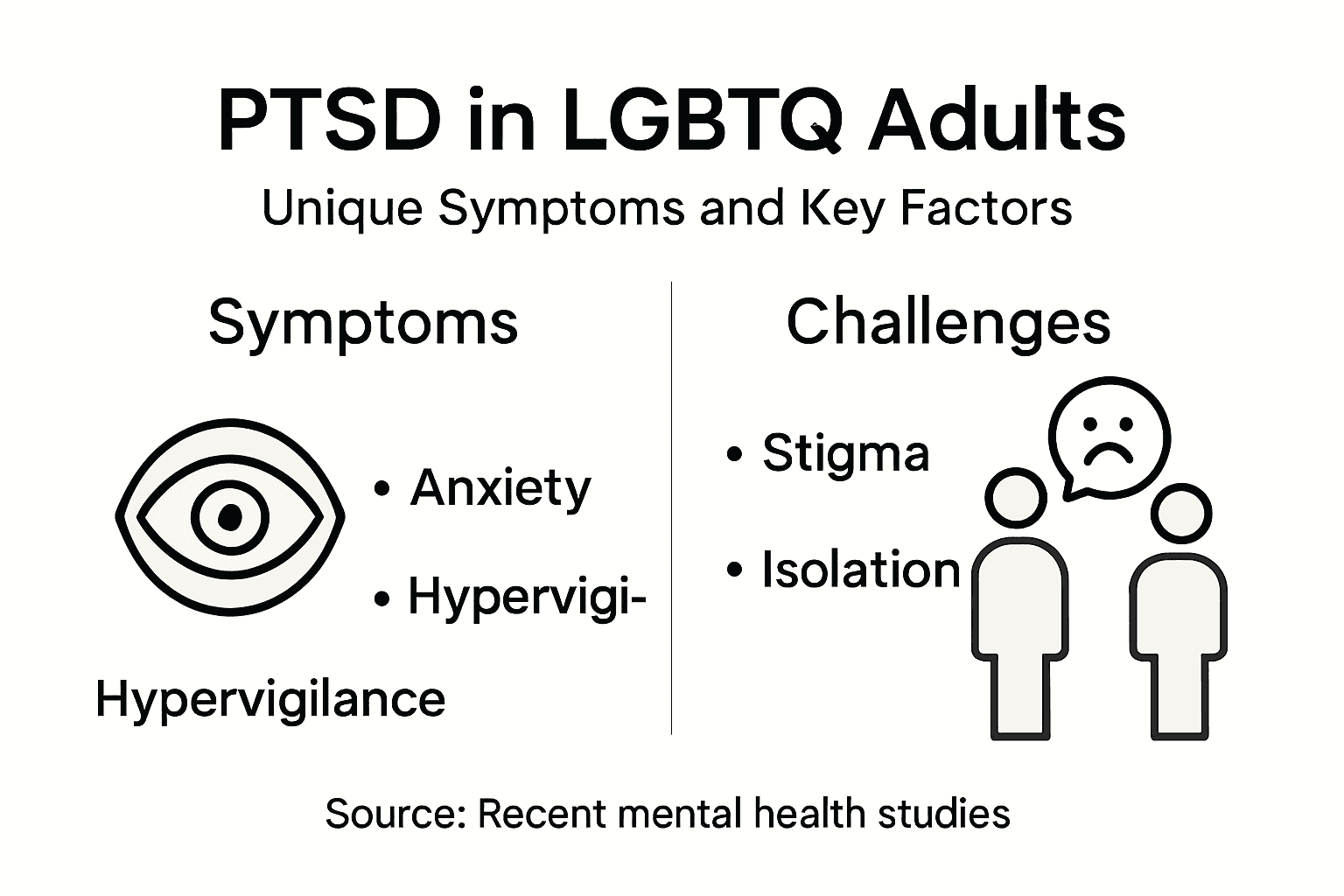
Trauma symptoms in LGBTQ adults often present through heightened hypervigilance, intense emotional dysregulation, and a deep-seated sense of existential threat that goes beyond individual traumatic incidents. Unique manifestations include chronic identity-related anxiety, persistent fear of rejection, complex trust issues, and a pervasive sense of unsafety in social and professional environments. Transgender and non-binary individuals frequently experience additional layers of psychological complexity, with symptoms intertwining gender identity struggles, societal invalidation, and ongoing psychological adaptation mechanisms.
The neurobiological impact of sustained minority stress creates distinctive PTSD symptom patterns that challenge conventional therapeutic approaches. These may include heightened startle responses triggered by microaggressions, dissociative experiences related to identity suppression, and complex emotional regulation difficulties stemming from lifelong experiences of social invalidation. The psychological defense mechanisms developed by LGBTQ adults often represent sophisticated survival strategies that simultaneously protect and potentially limit emotional processing and interpersonal connections.
Pro tip: Seek trauma-informed therapists who specialize in LGBTQ experiences and understand the nuanced psychological impacts of identity-based discrimination.
Trauma-Informed Therapy and Healing Approaches
Trauma-informed therapy for LGBTQ adults requires a sophisticated, nuanced approach that acknowledges the complex psychological landscape of minority stress and identity-based trauma. Trauma-focused psychodynamic psychotherapy offers a critical framework for addressing PTSD symptoms by integrating identity-affirming therapeutic strategies that recognize the unique challenges faced by LGBTQ individuals.
Effective healing approaches must go beyond traditional PTSD treatment models, incorporating a deep understanding of systemic oppression, intersectionality, and the cumulative impact of minority stress. The therapeutic process involves creating a safe, validating environment that allows individuals to explore their trauma without pathologizing their identity. This includes developing coping mechanisms that address both the immediate psychological symptoms and the broader context of societal discrimination, helping clients reclaim agency and rebuild a sense of safety and self-worth.
Emergent research emphasizes the importance of LGBTQ-affirmative psychotherapy approaches that integrate community feedback and cultural competence. These approaches recognize that healing is not just about symptom reduction, but about holistic recovery that encompasses identity affirmation, community connection, and personal empowerment. Therapeutic interventions must be flexible, acknowledging the diverse experiences within LGBTQ communities and avoiding one-size-fits-all treatment models that can retraumatize clients.
The following table compares conventional PTSD therapy with trauma-informed LGBTQ-affirmative approaches:
| Therapy Aspect | Conventional PTSD Therapy | LGBTQ-Affirmative Therapy |
|---|---|---|
| Focus | Symptom reduction | Identity affirmation and empowerment |
| Cultural Competence | May lack inclusivity | Addresses LGBTQ-specific stressors |
| Safety | General therapeutic environment | Prioritizes safety for marginalized identities |
| Community Connection | Not typically emphasized | Encourages community support and belonging |
Pro tip: Prioritize finding a therapist who demonstrates genuine cultural humility, actively listens to your unique experiences, and validates your identity without making assumptions.
Barriers to Care and Support Strategies
Healthcare disparities significantly impact mental health access for LGBTQ adults, creating complex systemic obstacles that prevent effective trauma recovery. Clinical challenges in LGBTQ care reveal profound structural barriers that extend beyond individual therapeutic interactions, encompassing institutional discrimination, provider bias, and limited culturally competent mental health resources.
Multiple interconnected barriers obstruct LGBTQ adults' access to trauma-informed care, including financial constraints, insurance discrimination, limited provider understanding of minority stress, and pervasive institutional heteronormativity. Transgender and non-binary individuals face additional challenges, such as medical gatekeeping, invasive intake processes, providers' lack of gender-affirming language, and potential re-traumatization during therapeutic encounters. These systemic barriers create significant psychological burden, often discouraging individuals from seeking necessary mental health support.
Effective support strategies require comprehensive, multi-level interventions that address institutional, interpersonal, and individual challenges. This includes developing robust training programs for healthcare providers, implementing inclusive intake processes, creating safe referral networks, and establishing culturally responsive mental health screening tools. Community-based support groups, peer counseling networks, and sliding-scale therapy options can help mitigate financial and accessibility barriers, providing alternative pathways for trauma recovery and mental health support.
Pro tip: Research LGBTQ-affirming mental health resources in your community and build a support network that includes both professional and peer support channels.
Support for PTSD and Trauma in LGBTQ Adults with Alvarado Therapy
Living with PTSD in the LGBTQ community often means facing a complex web of identity-based trauma, minority stress, and ongoing discrimination. If you are struggling with hypervigilance, emotional dysregulation, or the lasting impact of family rejection and societal marginalization, you are not alone. Alvarado Therapy specializes in trauma-informed care tailored to the unique challenges faced by LGBTQ adults. Our licensed therapists offer compassionate support through EMDR therapy and identity-affirming counseling designed to help you regain safety, clarity, and empowerment.
Discover how personalized trauma healing can transform your mental health journey. Visit our main website to explore our range of services and learn more about the compassionate professionals ready to support you. To meet our dedicated team and connect with specialists who understand your experience, explore New York — Meet Our Team — Alvarado Therapy. Take the first step today toward healing through a culturally responsive and trauma-sensitive approach at Alvarado Therapy.
Frequently Asked Questions
What are the common symptoms of PTSD in LGBTQ adults?
Common symptoms include heightened hypervigilance, emotional dysregulation, chronic anxiety about identity disclosure, and a pervasive sense of unsafety in social situations. Individuals may also experience complex trust issues and intense feelings of shame or worthlessness.
How does minority stress contribute to PTSD in LGBTQ individuals?
Minority stress contributes to PTSD by creating a continuous state of hyperarousal and anxiety. Ongoing exposure to discrimination, microaggressions, and societal invalidation leads to cumulative trauma experiences that affect mental health and overall well-being.
What types of trauma are most prevalent among LGBTQ adults?
Prevalent types of trauma include family rejection, hate crimes, workplace discrimination, and experiences of conversion therapy. Additionally, systemic oppression and ongoing microaggressions are common sources of trauma impacting LGBTQ individuals.
What is trauma-informed therapy and why is it important for LGBTQ adults?
Trauma-informed therapy is a therapeutic approach that recognizes the unique challenges faced by LGBTQ individuals due to their trauma history. It prioritizes a safe and validating environment to support clients' healing, focusing on identity affirmation and the effects of minority stress.
Recommended
PTSD in Adults – Impact, Symptoms, and Recovery — Alvarado Therapy
PTSD in Relationships: Complete Guide to Healing — Alvarado Therapy
How to Manage PTSD Symptoms Naturally and Effectively — Alvarado Therapy
7 Essential PTSD Coping Strategies List for Daily Healing — Alvarado Therapy — Alvarado Therapy
