
Trauma-Sensitive Therapy: Empowering Healing Safely

More than 60 percent of American adults have experienced at least one traumatic event in childhood, deeply affecting their mental health for years to come. If you are a Spanish-speaking adult in California working to heal from past trauma or PTSD, understanding trauma-sensitive therapy could change your recovery path. This approach goes far beyond traditional counseling, offering practical tools, safety, and real empowerment tailored to your needs.
Table of Contents
Key Takeaways
| Point | Details |
|---|---|
| Trauma-Sensitive Therapy Focus | This therapy prioritizes creating a safe and supportive environment that fosters healing and personal empowerment. |
| Core Principles | Key principles include emotional safety, trust-building, and empowering survivors as active participants in their healing journey. |
| Difference from Trauma-Informed Therapy | Trauma-sensitive therapy not only recognizes trauma but actively creates conditions that facilitate holistic healing. |
| Therapist Qualities | Essential traits include radical empathy, cultural responsiveness, and transparent communication to enhance client comfort and safety. |
Defining Trauma-Sensitive Therapy and Core Principles
Trauma-sensitive therapy represents a compassionate, holistic approach to mental health treatment that recognizes the profound impact of traumatic experiences on an individual's psychological wellbeing. Unlike traditional therapeutic models, this approach prioritizes creating a safe, supportive environment where survivors can explore their experiences without retraumatization. Core principles of trauma-sensitive rehabilitation fundamentally shift how mental health professionals understand and address psychological healing.
At its foundation, trauma-sensitive therapy acknowledges that trauma is not just an event, but a complex experience that reshapes an individual's perception of safety, trust, and personal agency. The Sense of Safety Theoretical Framework emphasizes whole-person care, understanding that healing requires addressing not just symptoms, but the entire context of a person's lived experience. This means recognizing how past traumatic events continue to influence current emotional responses, relationship patterns, and self-perception.
The core principles of trauma-sensitive therapy include creating an environment of physical and emotional safety, establishing trust, empowering the individual, and collaborating in treatment decisions. Practitioners must develop specialized skills that go beyond traditional counseling techniques, including:
Recognizing trauma's widespread impact on individuals and communities
Understanding the signs and symptoms of traumatic stress
Responding with compassion and avoiding potential triggers
Emphasizing personal choice and control in the healing process
Supporting survivors in developing resilience and coping mechanisms
Pro tip: When seeking trauma-sensitive therapy, prioritize finding a therapist who demonstrates genuine understanding, asks about your comfort level, and allows you to set the pace of your healing journey.
Key Differences from Trauma-Informed Therapy
While trauma-informed therapy and trauma-sensitive therapy share similar foundational goals, they represent distinct approaches to understanding and addressing psychological healing. Trauma therapy approaches demonstrate nuanced differences in methodology, with trauma-sensitive therapy offering a more comprehensive, holistic healing model.
Trauma-informed therapy primarily focuses on recognizing the prevalence and impact of trauma, ensuring that systems and providers avoid re-traumatization. In contrast, trauma-sensitive therapy goes deeper, creating an entire therapeutic environment designed to support healing at every interaction. This approach transforms the entire therapeutic relationship, moving beyond mere awareness to active, compassionate engagement with the survivor's unique experience.
Key distinctions between these approaches include:
Scope of Care: Trauma-informed therapy identifies trauma's impact; trauma-sensitive therapy actively creates healing conditions
Practitioner Role: Informed approaches recognize trauma; sensitive approaches center the survivor's agency and experience
Interaction Style: Informed therapy avoids harm; sensitive therapy proactively builds trust and safety
Treatment Philosophy: Informed therapy responds to trauma; sensitive therapy sees trauma as part of a broader life narrative
Therapeutic Environment: Informed therapy adapts systems; sensitive therapy redesigns entire relational dynamics
Pro tip: When choosing a therapist, ask specific questions about their trauma-sensitive practices to ensure they understand the nuanced approach of supporting your unique healing journey.
Here is a comparison of trauma-informed and trauma-sensitive therapy to help clarify their unique approaches:
| Criterion | Trauma-Informed Therapy | Trauma-Sensitive Therapy |
|---|---|---|
| Main Focus | Awareness of trauma prevalence | Creating healing relationships |
| Practitioner Approach | Prevention of harm | Active support and engagement |
| Client Role | Recognized as impacted | Empowered as active healer |
| System Change | Adjusts settings to avoid triggers | Redesigns interactions for safety |
| Outcome Goal | Avoid retraumatization | Foster deep, holistic healing |
How Trauma-Sensitive Therapy Supports Healing
Trauma-sensitive therapy creates a transformative healing environment that goes beyond traditional treatment approaches, offering survivors a pathway to recovery that prioritizes safety, empowerment, and personal agency. Mindfulness-based interventions demonstrate how specialized techniques can support healing without forcing survivors to relive traumatic experiences.
The core mechanism of trauma-sensitive therapy involves creating a sense of safety that allows individuals to gradually reconnect with themselves and rebuild trust. Unlike traditional therapeutic models that might inadvertently trigger re-traumatization, this approach recognizes that healing is a deeply personal journey requiring compassionate, patient support. The Sense of Safety framework emphasizes creating therapeutic conditions where survivors feel genuinely secure, respected, and in control of their healing process.
Specific ways trauma-sensitive therapy supports healing include:
Emotional Regulation: Teaching skills to manage intense emotions without overwhelming the nervous system
Bodily Autonomy: Helping survivors reclaim physical and emotional boundaries
Narrative Reconstruction: Supporting survivors in understanding their experiences without judgment
Resilience Building: Developing coping mechanisms that promote long-term psychological wellness
Empowerment: Restoring personal agency and decision-making capabilities
Pro tip: During therapy, remember that healing is not linear. Allow yourself grace, patience, and the understanding that progress happens in small, meaningful steps.
Essential Therapist Qualities and Client Safety
Trauma-sensitive therapy demands exceptional skill and profound compassion from mental health professionals, with therapists serving as crucial architects of healing and safety. Therapist qualities in trauma care reveal that creating a secure therapeutic environment requires more than technical expertise.
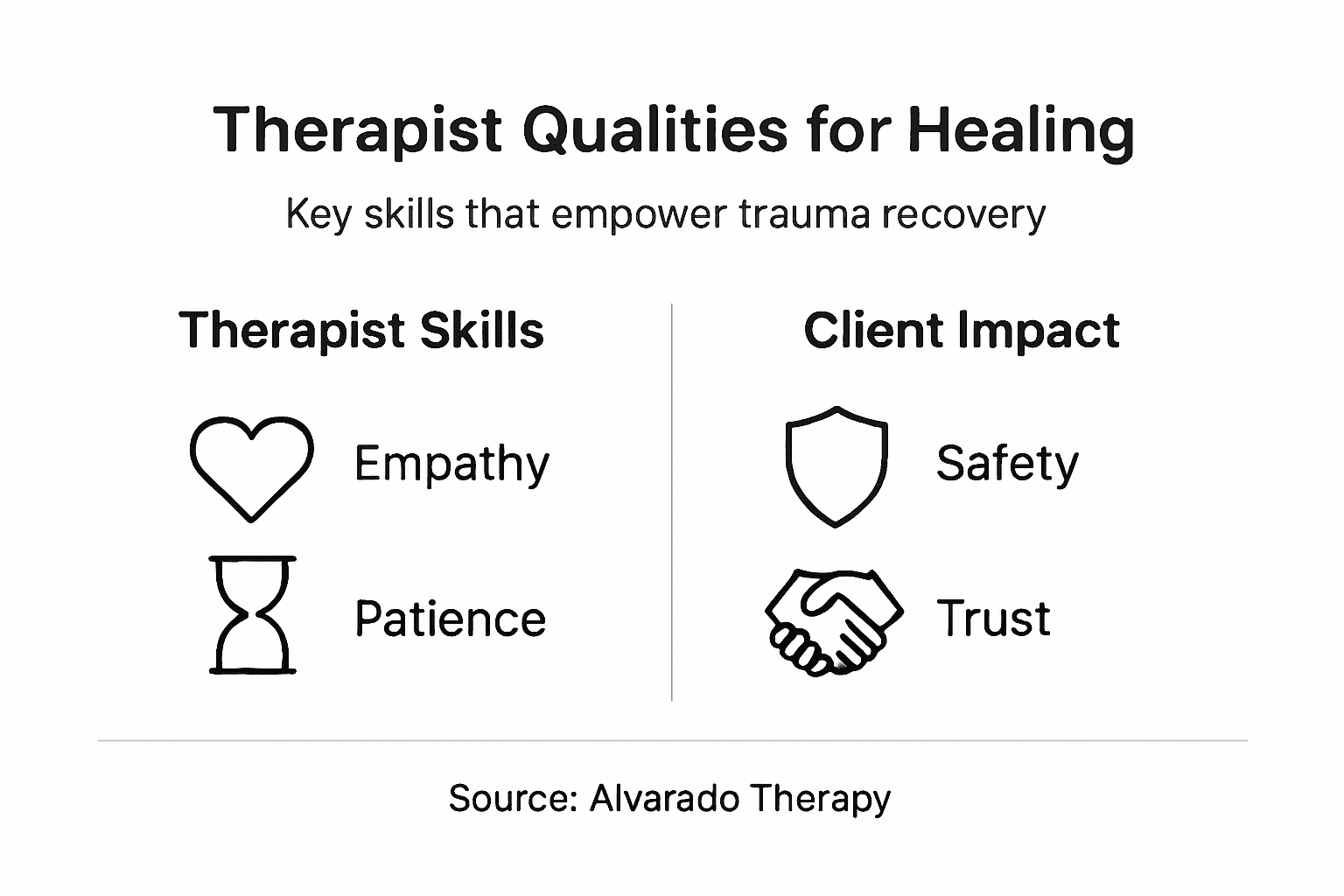
At the heart of trauma-sensitive practice lies a deep commitment to understanding the complex psychological landscape of survivors. Therapists must cultivate a unique blend of empathy, cultural competence, and professional boundaries that allow clients to feel genuinely seen and respected. This approach goes beyond traditional counseling techniques, emphasizing transparency, collaboration, and a survivor-centered philosophy that prioritizes the client's sense of agency and emotional safety.
Essential qualities for trauma-sensitive therapists include:
Radical Empathy: The ability to listen without judgment and validate complex emotional experiences
Cultural Responsiveness: Understanding and respecting diverse cultural backgrounds and trauma narratives
Emotional Regulation: Maintaining professional composure while creating a nurturing therapeutic space
Transparent Communication: Clearly explaining processes, boundaries, and therapeutic approaches
Continuous Learning: Committed to ongoing education about trauma dynamics and healing techniques
Pro tip: Trust your intuition when selecting a therapist. A genuinely trauma-sensitive professional will make you feel heard, respected, and safe from your very first interaction.
This summary outlines essential therapist qualities and how they impact the client experience:
| Therapist Quality | Description | Client Impact |
|---|---|---|
| Radical Empathy | Listens and validates deeply | Builds trust and openness |
| Cultural Responsiveness | Adapts to diverse backgrounds | Enhances inclusivity and comfort |
| Emotional Regulation | Remains calm under stress | Increases client sense of security |
| Transparent Communication | Clearly explains therapy process | Minimizes anxiety and confusion |
| Continuous Learning | Pursues ongoing education | Improves care effectiveness |
Common Pitfalls and How to Avoid Re-Traumatization
Trauma recovery is a delicate process where well-intentioned interventions can unexpectedly trigger painful memories and emotional distress. Preventing trauma healthcare complications reveals that understanding potential retraumatization risks is crucial for creating truly safe therapeutic environments.
Re-traumatization occurs when therapeutic interactions inadvertently replicate the dynamics of original traumatic experiences, making survivors feel powerless, overwhelmed, or unsafe. This can happen through seemingly minor interactions like using a controlling tone, disregarding personal boundaries, or rushing therapeutic processes. Trauma-sensitive practitioners must remain hypervigilant about potential triggers, recognizing that healing requires an environment of complete psychological safety and personal agency.
Common pitfalls that can lead to retraumatization include:
Forced Disclosure: Pressuring clients to share traumatic details before they are ready
Minimizing Experiences: Dismissing or normalizing a survivor's emotional responses
Lack of Consent: Making decisions or taking actions without explicit client agreement
Rigid Therapeutic Approaches: Applying standardized techniques without individualized consideration
Overlooking Cultural Contexts: Ignoring how cultural background shapes trauma responses
Pro tip: During trauma therapy, remember you have the right to pause, ask questions, and set boundaries at any moment. A truly trauma-sensitive therapist will always respect and support your personal healing pace.
Embrace Trauma-Sensitive Healing with Compassionate Support
Navigating the path of trauma recovery can feel overwhelming, especially when seeking care that truly honors your unique healing journey. This article highlights the importance of creating a safe, empowering space that respects your pace and personal agency during therapy. If you are ready to heal with a team that understands the critical need for trauma-sensitive approaches, explore our expert therapists in California — Meet Our Team — Alvarado Therapy.

Take the first step toward feeling secure and understood in your recovery by connecting with licensed professionals who specialize in trauma-informed and trauma-sensitive therapies. Visit Alvarado Therapy to learn more about our compassionate services, including EMDR therapy, individual counseling, and culturally responsive care. Start your healing journey today and reclaim your sense of safety and empowerment with us by your side.
Discover therapists near you in Ventura CA (in person) — Meet Our Team — Alvarado Therapy and find a supportive environment tailored to your needs.
Frequently Asked Questions
What is trauma-sensitive therapy?
Trauma-sensitive therapy is a holistic approach to mental health treatment that prioritizes creating a safe and supportive environment for individuals who have experienced trauma. It acknowledges the profound impact traumatic experiences have on psychological well-being and aims to empower individuals in their healing journey.
How does trauma-sensitive therapy differ from trauma-informed therapy?
While both approaches aim to support trauma survivors, trauma-sensitive therapy focuses on creating a healing environment tailored to each individual's needs. In contrast, trauma-informed therapy primarily recognizes the prevalence of trauma and aims to prevent re-traumatization within existing systems.
What are the core principles of trauma-sensitive therapy?
The core principles include ensuring physical and emotional safety, establishing trust, empowering individuals, and collaborating in treatment decisions. Practitioners focus on building resilience, recognizing the impact of trauma, and responding with compassion to avoid potential triggers.
What should I look for in a trauma-sensitive therapist?
When seeking a trauma-sensitive therapist, prioritize professionals who demonstrate genuine understanding of trauma, encourage open communication, respect your comfort level, and allow you to set the pace of your healing journey. Look for qualities such as empathy, cultural responsiveness, and a commitment to continuous learning.
