
Complex Grief: Impact on Trauma Recovery

Most American adults facing grief after trauma or loss are surprised by just how deeply it can affect daily life. In California’s diverse communities, grief rarely fits the myths of quick recovery or quiet stoicism. Over ten percent of bereaved American adults experience persistent emotional pain that goes far beyond typical mourning. This article sheds light on the realities of complex grief, busts common myths, and explores compassionate EMDR therapy approaches meant for people seeking culturally respectful healing.
Table of Contents
Key Takeaways
| Point | Details |
|---|---|
| Understanding Complex Grief | Complex grief exceeds typical mourning and disrupts daily functioning, requiring tailored emotional support. |
| Myths of Grief | Grief is not linear; each individual's experience varies and should involve healthy expression rather than suppression. |
| Impact on Daily Life | Complex grief symptoms affect emotional, cognitive, physical, and social aspects, potentially leading to isolation. |
| Therapy Misconceptions | Misunderstandings and stigma can prevent individuals from seeking necessary therapeutic support for complex grief. |
Defining Complex Grief and Common Myths
Complex grief, also known as prolonged grief disorder, represents a profound and persistent emotional response that extends far beyond typical bereavement patterns. Unlike standard grief experiences, this condition involves an intense, prolonged mourning process that significantly disrupts an individual's ability to function in daily life. Characterized by overwhelming emotional pain, persistent longing for the deceased, and difficulty accepting the loss, complex grief challenges traditional understanding of how people process significant personal tragedies.
Contrary to popular misconceptions, grief does not follow a linear trajectory or resolve within a predetermined timeframe. Grief responses differ dramatically among individuals, influenced by personal history, cultural background, relationship dynamics, and unique psychological factors. While some people might experience relatively short grieving periods, others may struggle with profound emotional challenges for months or even years after a loss. These variations challenge the oversimplified myths that suggest grief progresses through predictable, uniform stages.
Major myths surrounding complex grief often include unrealistic expectations about emotional recovery. Many people mistakenly believe that grief should be suppressed, that individuals should "move on" quickly, or that talking about the loss is counterproductive. In reality, healthy grief involves acknowledging pain, expressing emotions authentically, and gradually integrating the experience into one's life narrative. Professional support can help individuals navigate these complex emotional landscapes, providing strategies for processing trauma and rebuilding personal resilience.
Pro tip: Consider creating a personalized grief journal to track your emotional journey, allowing yourself grace and space to process complex feelings without judgment.
Types of Complex Grief After Loss or Trauma
Grief manifests in numerous complex forms, with different categories reflecting unique emotional experiences. Understanding these variations is crucial for recognizing the nuanced ways individuals process loss and trauma. The primary types of complex grief include anticipatory grief, disenfranchised grief, traumatic grief, and prolonged grief disorder, each presenting distinct psychological challenges that require specialized emotional support and intervention strategies.
Anticipatory grief occurs before an expected loss, often experienced by families facing terminal illness or imminent significant life changes. This type of grief allows individuals to begin emotional processing in advance, potentially providing opportunities for meaningful conversations and gradual emotional preparation. Disenfranchised grief represents mourning that lacks social recognition or support, such as losses from non-traditional relationships, miscarriages, or deaths considered socially taboo. These experiences can be particularly isolating, as individuals may struggle to find validation for their emotional experiences.
Traumatic grief emerges from sudden, violent, or unexpected losses, fundamentally disrupting an individual's sense of safety and emotional equilibrium. This type of grief often involves intense emotional responses, including shock, anger, and profound disbelief. Prolonged grief disorder represents a persistent and debilitating form of mourning where individuals remain trapped in acute grief responses, experiencing significant functional impairment and inability to reconstruct their lives after loss. Recognizing these grief types helps mental health professionals design targeted interventions that address the specific emotional landscapes of those experiencing complex mourning.
Here's a concise overview of common types of complex grief and unique challenges associated with each:
| Grief Type | Typical Emotional Response | Unique Challenge |
|---|---|---|
| Anticipatory Grief | Early sadness, anxiety | Processing loss before it occurs |
| Disenfranchised Grief | Loneliness, invalidation | Lack of social recognition |
| Traumatic Grief | Shock, anger, disbelief | Sudden or violent nature of loss |
| Prolonged Grief Disorder | Persistent longing, numbness | Difficulty resuming normal life |
Pro tip: Create a personalized grief support network that includes professional counseling, trusted friends, and structured emotional processing activities to navigate your unique grief journey.
How Complex Grief Manifests in Daily Life
Complex grief symptoms dynamically disrupt daily functioning, creating profound challenges in maintaining emotional stability and personal relationships. Individuals experiencing complex grief often struggle with intense emotional responses that permeate every aspect of their lives, from professional performance to personal interactions. These symptoms can manifest as persistent sadness, emotional numbness, and an overwhelming preoccupation with the loss that fundamentally alters their perception of reality and ability to engage with daily activities.
The psychological impact extends beyond emotional experiences, affecting cognitive and physical functioning. People may encounter significant difficulties concentrating at work, experiencing memory lapses, and maintaining consistent daily routines. Sleep disturbances, changes in appetite, and reduced motivation frequently accompany complex grief, creating a cascade of challenges that can make even simple tasks feel insurmountable. Relationships often become strained as individuals struggle to communicate their emotional experiences, leading to potential social isolation and feelings of profound disconnection.
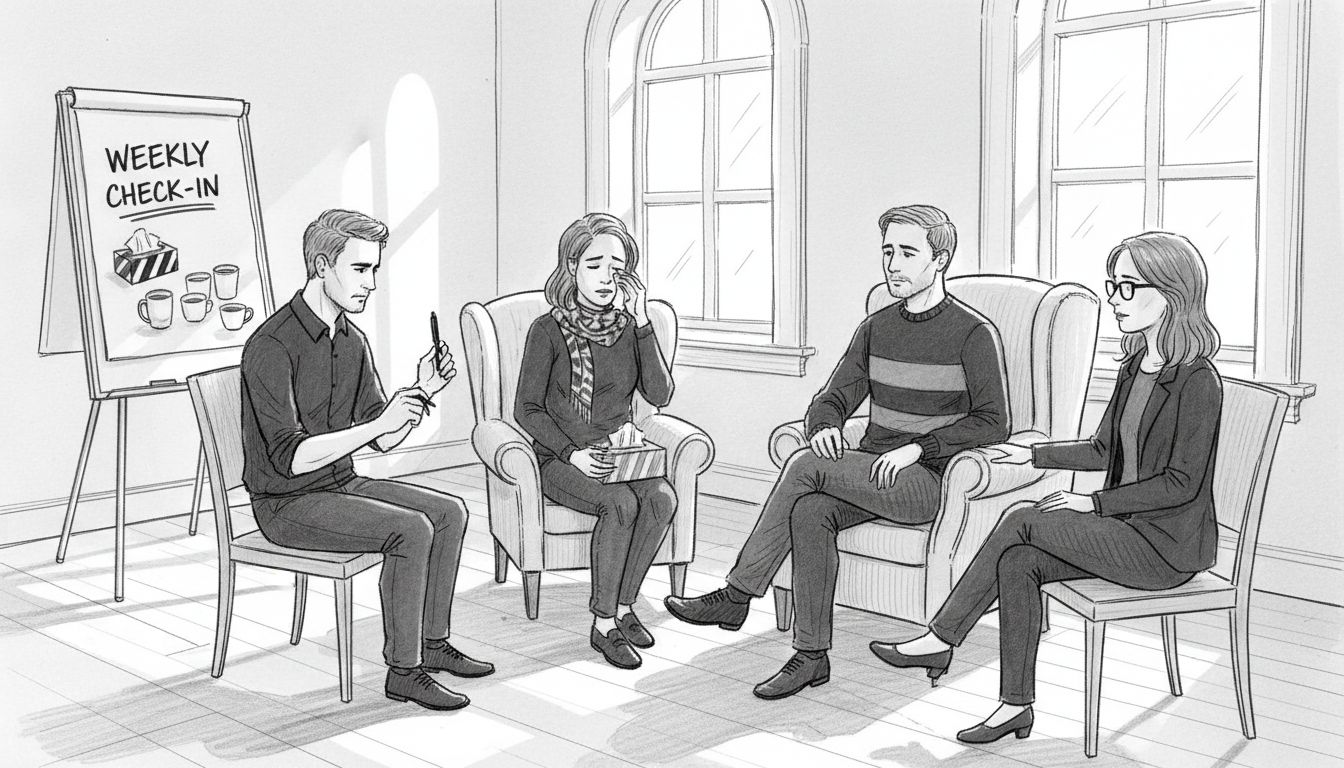
Grief symptoms can cause intense physical and emotional responses, transforming seemingly mundane experiences into emotional minefields. Triggers like familiar songs, specific locations, or annual commemorative dates can suddenly overwhelm individuals with intense emotional responses, disrupting their attempts to rebuild and move forward. These unpredictable emotional waves can create significant anxiety, making individuals feel perpetually vulnerable and emotionally fragile. The cyclical nature of complex grief means that healing is not linear, but a dynamic process of confronting and processing deep emotional wounds.
The table below summarizes how complex grief may impact different aspects of daily life:
| Area of Impact | Common Symptoms | Long-Term Effects |
|---|---|---|
| Emotional | Persistent sadness, irritability | Risk of depression or anxiety |
| Cognitive | Memory lapses, poor focus | Reduced work productivity |
| Physical | Fatigue, appetite changes | Weakened immune system |
| Social | Withdrawal, strained relationships | Social isolation risk |
Pro tip: Create a personal emotional tracking journal to identify your specific grief triggers and develop personalized coping strategies that honor your unique healing journey.
Trauma-Informed Approaches for Healing
Trauma-informed care represents a compassionate frameworkfor understanding and supporting individuals navigating complex emotional landscapes. This approach fundamentally shifts from asking "What's wrong with you?" to "What happened to you?" By recognizing trauma as a profound, transformative experience, therapists create safe, empowering environments that honor each individual's unique healing journey. The methodology emphasizes understanding trauma's deep psychological and physiological impacts, ensuring that support systems actively prevent re-traumatization.
Key principles of trauma-informed approaches include creating environments of psychological safety, establishing trust, and prioritizing client empowerment. This means developing therapeutic relationships where individuals feel genuinely heard, validated, and respected. Clinicians work collaboratively with clients, acknowledging their agency and resilience while providing gentle, strategic guidance. The focus is on rebuilding a sense of control and self-understanding that trauma often disrupts, helping individuals reconstruct their narrative from one of victimhood to one of survival and growth.
Trauma healing involves comprehensive, holistic recovery strategiesthat address emotional, cognitive, and physiological dimensions of grief. These approaches recognize that trauma and grief are interconnected experiences that require nuanced, personalized interventions. Therapeutic techniques might include somatic experiencing, eye movement desensitization and reprocessing (EMDR), cognitive processing therapy, and mindfulness-based stress reduction. The ultimate goal is not to erase traumatic memories but to help individuals develop healthier relationships with these experiences, transforming pain into meaningful personal insight.

Pro tip: Create a personal trauma recovery toolkit that includes grounding techniques, emotional regulation strategies, and a supportive contact list to help navigate challenging emotional moments.
Common Barriers and Therapy Misconceptions
Healthcare providers often misunderstand complicated grief, creating significant obstacles for individuals seeking support. The landscape of grief therapy is fraught with persistent myths that prevent people from accessing effective mental health resources. Many individuals internalize harmful beliefs that grief should be a quick, linear process, or that seeking professional help indicates weakness. These misconceptions create invisible barriers that can prolong suffering and complicate emotional healing, leaving many people feeling isolated and misunderstood in their grief journey.
Stigma remains a powerful deterrent to seeking grief therapy, with many people believing that discussing traumatic experiences will somehow worsen their emotional state. Cultural expectations often pressure individuals to appear strong, suppress emotions, and "move on" quickly after loss. These societal narratives fundamentally misunderstand the complex nature of grief, which rarely follows a predictable path. The reality is that grief is a deeply personal experience that requires compassionate, individualized support, not a one-size-fits-all approach or a timeline dictated by external expectations.
Complicated grief diagnosis faces multiple therapeutic challenges, including overlapping symptoms with depression and post-traumatic stress disorder. Many healthcare professionals lack specialized training in recognizing the nuanced manifestations of prolonged grief, leading to misdiagnosis or inappropriate treatment. Individuals may also fear professional intervention, worried that therapy will force them to relive painful memories or that their unique grief experience will be minimized. These concerns create additional layers of resistance, preventing many from accessing the targeted, compassionate support they genuinely need.
Pro tip: Research therapists who specialize in grief counseling and offer free initial consultations to help you find a supportive, understanding professional who respects your unique healing journey.
Find Compassionate Support for Complex Grief and Trauma Recovery
Experiencing complex grief can create overwhelming challenges including persistent longing, emotional numbness, and difficulty resuming daily life. If the pain of prolonged mourning or traumatic loss disrupts your ability to heal, specialized trauma-informed therapy can guide you toward renewed strength. At Alvarado Therapy, licensed clinicians use approaches like EMDR therapy to gently help you process deep emotional wounds and regain control over your healing journey.
Take the first step to rebuild your life with compassionate, culturally responsive care in Pasadena, Ventura, or online across California. Visit Alvarado Therapy to learn more about our trauma-focused services including individual counseling tailored for grief and trauma recovery. Healing is possible when you connect with professionals who understand the complexities of prolonged grief and honor your unique experience. Start your journey today.
Frequently Asked Questions
What is complex grief?
Complex grief is a profound and persistent emotional response to loss that extends beyond typical bereavement patterns, significantly disrupting an individual's ability to function in daily life. It involves overwhelming emotional pain and difficulty accepting the loss.
How does complex grief differ from normal grief?
Unlike normal grief, which typically follows a more linear trajectory and resolves over time, complex grief can manifest in intense, prolonged mourning that lasts for months or even years, with significant emotional and functional impairment.
What are the common types of complex grief?
Common types of complex grief include anticipatory grief, disenfranchised grief, traumatic grief, and prolonged grief disorder. Each type presents unique emotional challenges requiring specialized support and intervention strategies.
How can trauma-informed approaches aid in healing complex grief?
Trauma-informed approaches to healing complex grief focus on creating a safe, empowering environment that respects the individual's unique healing journey. These methods aim to address the psychological and physiological impacts of trauma, assisting individuals in developing healthier relationships with their grief.
