
Why Trust Matters in Couples Therapy Recovery
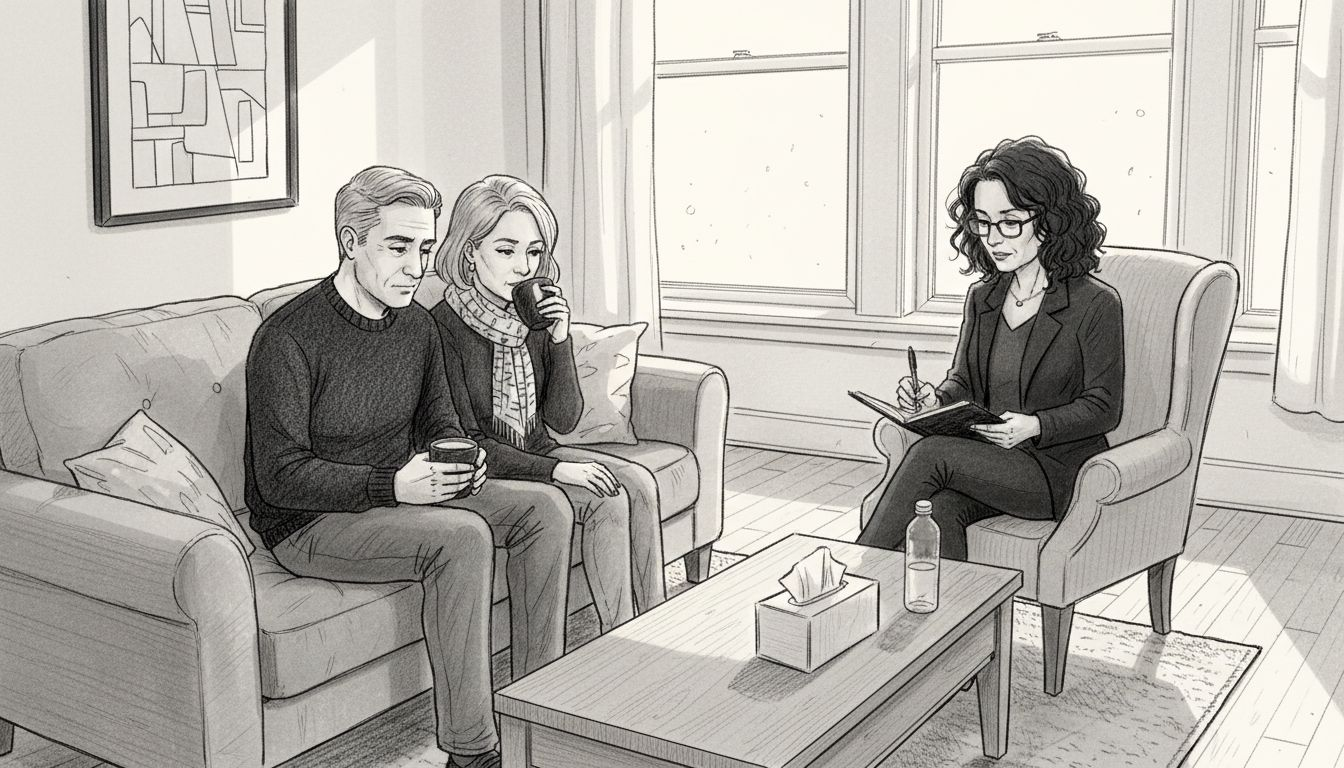
Trust forms the backbone of every healthy American relationship, yet nearly half of American couples report struggling with trust issues after betrayal or trauma. When past wounds threaten your connection, therapy can offer a path through the pain. This article explores how trauma-informed approaches in California help couples break old patterns, encourage true communication, and nurture intimacy so partners can reconnect with honesty and hope.
Table of Contents
Key Takeaways
| Point | Details |
|---|---|
| Role of Trust | Trust is essential for healthy romantic relationships and must be actively rebuilt in couples therapy. |
| Impact of Trauma | Trauma significantly disrupts emotional vulnerability and the ability to trust, requiring specialized therapeutic interventions. |
| Therapist’s Approach | Therapists play a crucial role in facilitating a safe environment for partners to explore vulnerabilities and develop new trust patterns. |
| Common Mistakes | Rushing the healing process and minimizing emotions can hinder trust restoration; patience and accountability are key to success. |
The Role of Trust in Couples Therapy
Trust represents the critical foundation of healthy romantic relationships, acting as an essential psychological mechanism that enables emotional vulnerability and connection. In couples therapy, understanding how trust functions becomes paramount for rebuilding damaged partnerships. Psychological research demonstrates that trust develops through complex emotional and cognitive frameworks shaped by individual attachment histories.
The therapeutic process requires recognizing that trust is not a static construct but a dynamic, evolving experience between partners. Trauma, betrayal, and past relational wounds can significantly disrupt an individual's capacity to trust, creating intricate psychological barriers that require specialized intervention. Relationship betrayal trauma often creates deep-seated patterns of emotional guardedness that prevent genuine intimacy and connection.
Couples therapists work strategically to rebuild trust through structured interventions that promote transparency, emotional safety, and mutual understanding. This involves creating a controlled environment where partners can explore vulnerabilities, practice authentic communication, and gradually reconstruct their relational foundation. Techniques may include guided dialogue, emotional regulation exercises, and individual trauma processing to address the root causes of trust disruption.
Pro tip: Practice radical honesty with your partner by sharing one vulnerable emotion or past experience each week, creating incremental trust-building moments that transform your relationship dynamics.
How Trauma Impacts Couple Trust
Trauma creates profound disruptions in an individual's ability to form and maintain trust within intimate relationships, fundamentally altering their emotional and psychological capacity for connection. Research reveals that attachment experiences rooted in traumatic interactions can significantly impair an individual's capacity to develop secure, healthy relational bonds, creating complex psychological barriers that prevent genuine emotional intimacy.
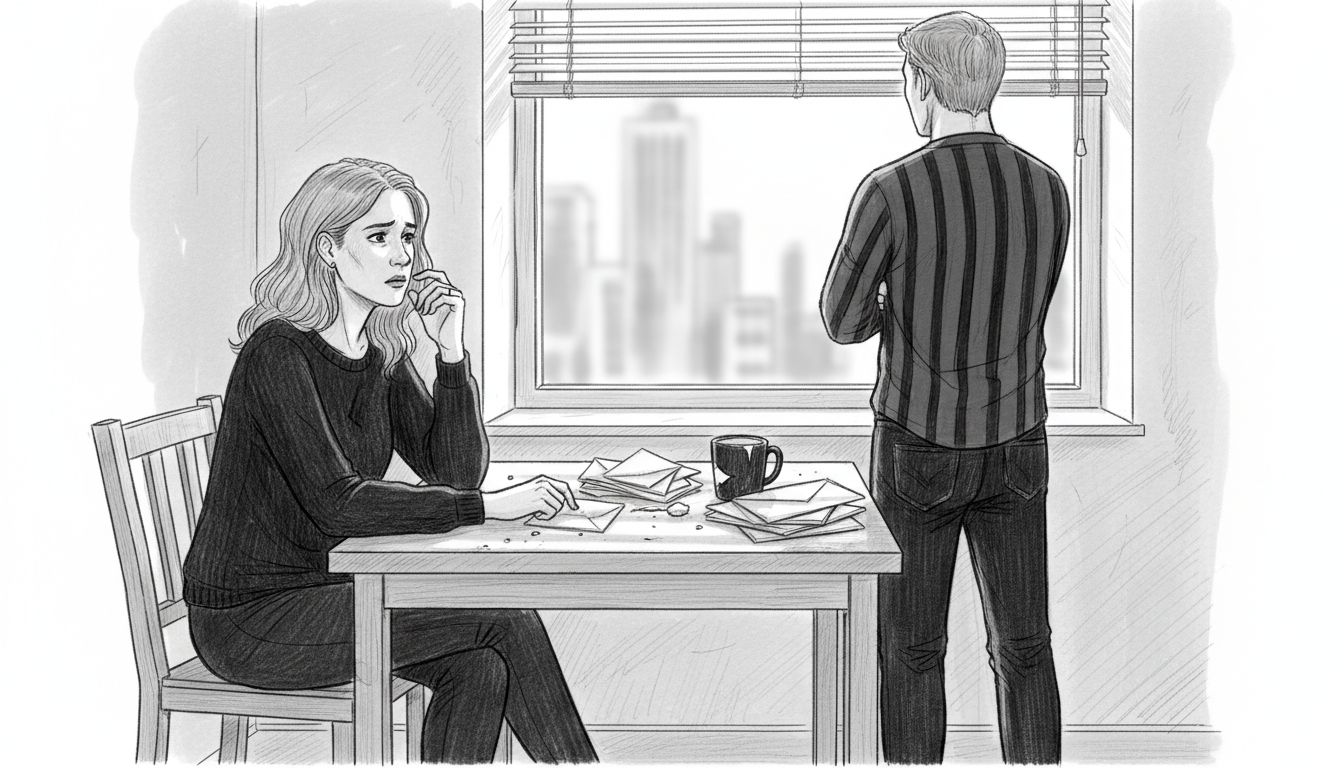
In couples therapy, trauma's impact manifests through various psychological mechanisms, including hypervigilance, emotional guardedness, and deeply ingrained protective responses. Individuals who have experienced relational trauma often develop intricate defense systems that unconsciously sabotage trust-building efforts. Studies examining therapeutic interventions demonstrate that specialized therapeutic approaches can help deconstruct these protective mechanisms and rebuild trust through structured, compassionate interventions.
The healing process involves creating safe therapeutic environments where partners can gradually rebuild trust through transparent communication, emotional vulnerability, and systematic processing of traumatic experiences. Therapists must help clients understand how past trauma shapes current relational dynamics, enabling them to develop more adaptive, secure attachment patterns that support genuine connection and mutual understanding.
Pro tip: Practice identifying and articulating your trauma responses with your partner, transforming defensive reactions into opportunities for mutual understanding and emotional support.
Common Trauma-Related Trust Issues
Trauma fundamentally reshapes an individual's capacity for trust, creating complex psychological barriers that undermine intimate relationships. Comprehensive research on trust repair reveals that betrayal trauma generates profound emotional wounds that extend far beyond initial relational disruptions, producing intricate patterns of fear, hypervigilance, and emotional protection.
The most prevalent trauma-related trust issues manifest through several distinctive psychological mechanisms. Survivors often experience intense fear of vulnerability, persistent anxiety about potential future betrayals, and profound difficulty establishing emotional safety. These protective responses emerge as survival strategies, creating significant challenges in rebuilding intimate connections. Emotional guardedness becomes an unconscious defense mechanism, causing partners to maintain psychological distance even when consciously desiring connection.
Healing requires a nuanced understanding of how trauma disrupts trust formation. Couples must navigate complex emotional landscapes, acknowledging that trust restoration is not linear but a gradual, intentional process. Therapeutic interventions focus on creating safe emotional environments, developing communication strategies that validate individual experiences, and systematically deconstructing protective barriers that prevent genuine intimacy. This approach demands patience, consistent empathy, and a willingness to understand the profound psychological impact of traumatic relational experiences.
Here is a comparison of common trauma-related trust issues and recommended therapist strategies for addressing them:
| Trauma-Related Trust Issue | Impact on Relationship | Therapist Strategy |
|---|---|---|
| Fear of Vulnerability | Creates emotional distance | Gradual exposure through guided sharing |
| Hypervigilance | Leads to constant mistrust | Emotional regulation and reassurance |
| Emotional Guardedness | Prevents genuine intimacy | Safe space for vulnerability exercises |
| Persistent Anxiety | Fuels ongoing conflict | Mindfulness and self-soothing techniques |
Pro tip: Practice radical transparency by establishing weekly check-ins where both partners share their current emotional state, fears, and vulnerabilities without judgment or immediate problem-solving.
Therapist's Role in Rebuilding Trust
Trauma-informed therapists play a critical role in guiding couples through the delicate process of rebuilding trust, serving as skilled navigators who help partners reconstruct their relational foundation. Therapeutic approaches emphasize creating a secure attachment environment where partners can gradually develop emotional safety, understanding, and mutual vulnerability.
The therapist's primary responsibility involves creating a neutral, compassionate space that validates each partner's emotional experience while simultaneously challenging destructive relational patterns. This requires sophisticated emotional intelligence, deep clinical expertise, and the ability to simultaneously hold multiple perspectives. Therapists must help partners recognize how past trauma shapes current relational dynamics, teaching them to distinguish between protective survival mechanisms and genuine connection strategies.
Effective trust rebuilding demands a multilayered therapeutic approach that goes beyond traditional communication techniques. Therapists must help couples develop emotional regulation skills, rebuild psychological safety, and create new relational narratives that transcend previous traumatic experiences. This involves supporting partners in developing empathy, practicing radical vulnerability, and creating mutual understanding through structured therapeutic interventions that gradually dismantle defensive emotional barriers.
Pro tip: Develop a personal emotional tracking journal where you document your trust-building progress, including moments of vulnerability, emotional triggers, and positive relational interactions.
Effective Strategies for Restoring Connection
Rebuilding connection requires intentional, strategic approaches that address the complex emotional landscape of couples experiencing relational disruption. Comprehensive research suggests an integrative approach that focuses on developing shared emotional understanding, improving communication patterns, and systematically reconstructing trust through deliberate, compassionate interventions.
The most effective restoration strategies involve multiple interconnected dimensions of relational healing. Couples must develop advanced emotional regulation skills that help them navigate triggered responses, create safe communication environments, and practice vulnerability without defensiveness. This involves learning to recognize individual trauma responses, developing empathetic listening techniques, and creating mutual understanding frameworks that transcend past relational wounds.
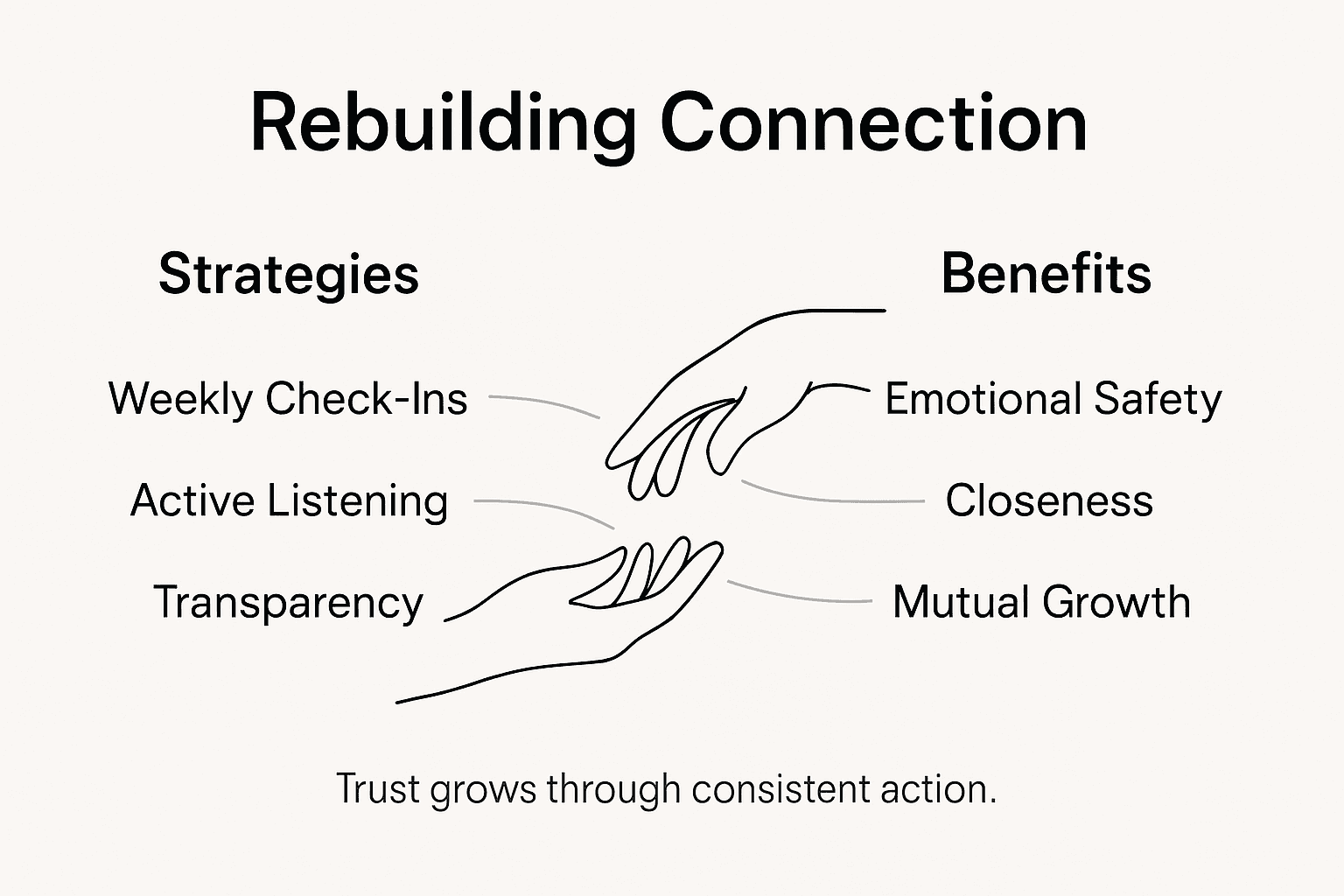
Successful connection restoration demands a holistic approach that addresses psychological, emotional, and behavioral dimensions of the relationship. Partners must learn to deconstruct negative interaction cycles, develop collaborative problem-solving skills, and create new relational narratives that integrate past experiences while moving toward healing. This requires consistent practice, mutual commitment, and a willingness to approach the relationship with curiosity, compassion, and a genuine desire for mutual understanding.
Pro tip: Create a weekly relationship check-in ritual where both partners share their emotional experiences, vulnerabilities, and appreciation for each other without judgment or immediate problem-solving.
Mistakes to Avoid When Healing Trust
Trust restoration is a delicate process requiring careful navigation and profound understanding of relational dynamics. Research highlights critical errors that can derail trust healing, emphasizing the importance of creating a genuine, empathetic therapeutic environment that supports authentic connection and accountability.
One fundamental mistake couples frequently make involves rushing the healing process or minimizing the profound emotional impact of relational wounds. Therapeutic studies consistently demonstrate that trust rebuilding requires patience, consistent effort, and a willingness to address deeper psychological patterns. Couples often attempt to quickly move past betrayal or trauma without fully processing the underlying emotional complexities, which can create additional layers of disconnection and mistrust.
Successful trust restoration demands a nuanced approach that avoids common pitfalls such as defensive communication, blame shifting, and superficial reconciliation attempts. Partners must develop the capacity to hold space for each other's pain, practice radical accountability, and commit to long-term relational healing. This involves creating transparent communication patterns, developing emotional regulation skills, and systematically dismantling defensive psychological barriers that prevent genuine intimacy and connection.
The following table summarizes key mistakes to avoid and better alternatives during the trust healing process:
| Mistake to Avoid | Why It’s Harmful | Healthier Alternative |
|---|---|---|
| Rushing reconciliation | Deep issues remain unresolved | Practice patience and ongoing dialogue |
| Blame shifting | Triggers defensiveness | Use accountability and empathy |
| Minimizing emotions | Increases partner mistrust | Validate each other’s experiences |
| Superficial apologies | Fails to rebuild trust | Offer actionable change commitments |
Pro tip: Create a structured accountability practice where both partners share their emotional experiences, triggers, and commitment to healing without judgment or immediate problem-solving.
Rebuild Trust and Strengthen Your Relationship with Trauma-Informed Couples Therapy
Trust is the cornerstone of every meaningful relationship, yet trauma and past betrayals can deeply disrupt your ability to connect and be vulnerable with your partner. If you find yourself struggling with fear of vulnerability, emotional guardedness, or persistent anxiety around trust, you are not alone. Understanding these challenges is the first step toward healing and restoring genuine intimacy in your relationship.
At Alvarado Therapy, we specialize in trauma-informed couples therapy designed to help partners navigate the complicated emotional barriers that trauma creates. Our skilled therapists, available for in-person sessions in Ventura CA or online throughout California, provide a compassionate, safe space for you and your partner to rebuild trust together. Whether you are experiencing difficulties rooted in past trauma or present-day relational struggles, our team supports you in building emotional safety, transparency, and healing communication.
Take the important step to transform your relationship today by connecting with a licensed therapist who understands the nuances of trauma and trust. Explore our team in Ventura CA (in person) or find the right fit for you through Online in California. Visit Alvarado Therapy now to learn more about how we can guide you toward lasting connection and emotional healing.
Frequently Asked Questions
What is the role of trust in couples therapy?
Trust serves as the foundation of healthy relationships, allowing partners to be emotionally vulnerable and connect deeply. In therapy, rebuilding trust is essential for restoring and strengthening partnerships.
How does trauma impact trust in relationships?
Trauma can severely disrupt an individual's ability to trust, leading to hypervigilance, emotional guardedness, and anxiety about future betrayals. This complicates intimate relationships and requires specialized therapeutic interventions to address.
What are some common trust issues that arise from trauma?
Common trauma-related trust issues include fear of vulnerability, persistent anxiety, and emotional guardedness, all of which hinder genuine intimacy and can sabotage relationship dynamics.
How can therapists help couples rebuild trust after betrayal?
Therapists create safe environments for partners to explore vulnerabilities, practice authentic communication, and engage in structured interventions that promote trust restoration through transparency and mutual understanding.
