
Relationship Betrayal Trauma – How It Reshapes Trust
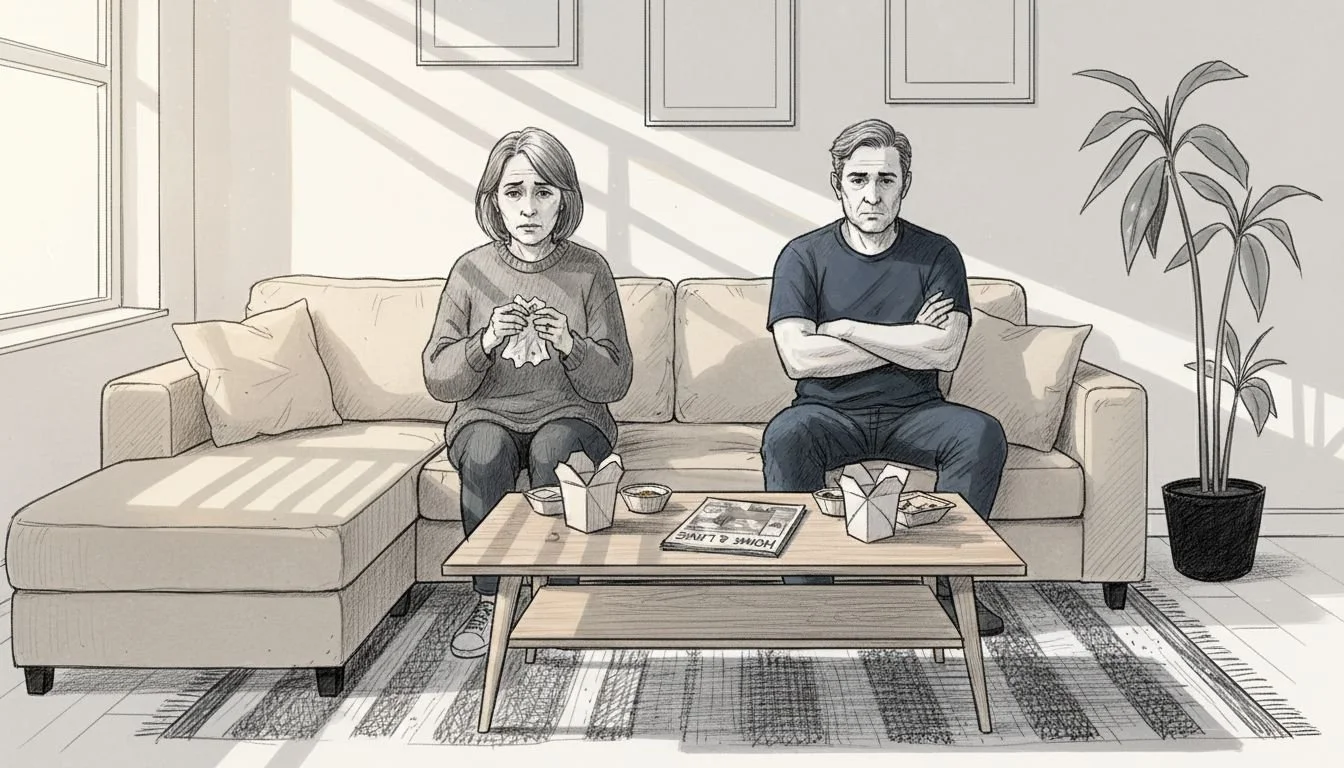
Every American knows the pain of broken trust can leave lasting scars. When betrayal comes from someone close, it shakes the very foundation of relationships and emotional safety. Nearly half of American adults admit to experiencing some form of relationship betrayal, highlighting how common and deeply disruptive it truly is. Understanding the signs, causes, and healing paths of betrayal trauma can help those affected start rebuilding their sense of trust and personal strength.
Table of Contents
Key Takeaways
| Point | Details |
|---|---|
| Understanding Betrayal Trauma | Betrayal trauma occurs when someone close violates trust, impacting emotional health and relationship dynamics. |
| Types of Betrayal Trauma | It can manifest through childhood abuse, intimate partner betrayal, institutional betrayal, and professional betrayal, each with unique consequences. |
| Emotional Responses | Survivors often experience hypervigilance, emotional numbness, anxiety, and challenges in forming future connections. |
| Pathways to Healing | Recovery involves professional support, boundary reconstruction, and developing self-compassion to rebuild trust and resilience. |
Defining Relationship Betrayal Trauma
Relationship betrayal trauma occurs when someone close to you violates your trust in a profound and deeply personal way. Betrayal trauma specifically involves psychological injury caused by someone you depend on for emotional support, safety, and connection. This type of trauma is especially complex because the harm comes from someone who should be a source of protection and comfort.
At its core, betrayal trauma represents a significant rupture in fundamental relationship dynamics. When a partner, family member, or trusted individual breaches critical boundaries through actions like infidelity, emotional manipulation, or chronic deception, they create a psychological wound that extends far beyond a simple breach of trust. Psychological research indicates that these experiences can fundamentally reshape how individuals perceive relationships, safety, and their own emotional worth.
Key characteristics of relationship betrayal trauma include:
Violation of trust by someone emotionally close
Profound sense of emotional and psychological disruption
Potential long-term impacts on future relationship capabilities
Deep feelings of vulnerability and potential attachment disruption
The psychological impact of betrayal trauma goes beyond momentary pain. It can trigger complex emotional responses like hypervigilance, anxiety, depression, and significant challenges in forming future intimate connections. Survivors often experience a profound sense of disorientation, questioning not just the specific betrayal, but their entire understanding of relationships and personal safety.
Types and Causes of Betrayal Trauma
Betrayal trauma emerges through multiple complex pathways, each representing a unique violation of trust and emotional safety. Psychological research reveals that betrayal trauma can manifest across various interpersonal contexts, ranging from intimate relationships to professional environments. These traumatic experiences fundamentally disrupt an individual’s sense of security and fundamental belief in relational integrity.
The primary types of betrayal trauma include:
Childhood Abuse Trauma: When caregivers or trusted adults violate a child’s physical, emotional, or psychological boundaries
Intimate Partner Betrayal: Involving infidelity, emotional manipulation, chronic deception, or psychological abuse
Institutional Betrayal: Experiences of discrimination, exploitation, or systemic mistreatment within organizational settings
Professional Betrayal: Workplace scenarios involving significant trust violations by supervisors or colleagues
Each type of betrayal trauma carries unique psychological consequences. The underlying mechanism involves a profound breach of attachment and safety expectations. When someone whom you inherently trust becomes the source of harm, it triggers complex emotional responses that can fundamentally reshape an individual’s relational understanding. The role of trauma in relationships becomes critically important in understanding these intricate emotional landscapes.
Understanding the nuanced causes of betrayal trauma requires recognizing the multifaceted nature of human relationships. Power dynamics, unresolved childhood experiences, systemic inequalities, and individual psychological patterns all contribute to creating environments where betrayal can occur. Survivors of such trauma often experience profound challenges in rebuilding trust, maintaining emotional boundaries, and developing healthy relationship patterns in the aftermath of their experiences.
Common Signs and Emotional Responses
Betrayal trauma triggers a complex array of emotional and psychological responses that can profoundly impact an individual’s mental health and relational functioning. Comprehensive psychological research highlights that survivors often experience a constellation of symptoms ranging from acute emotional distress to long-term psychological challenges.
Common emotional and psychological signs include:
Hypervigilance: Constant state of emotional alertness and potential threat perception
Trust Issues: Profound difficulty establishing or maintaining intimate connections
Emotional Numbness: Psychological defense mechanism to protect against further emotional pain
Anxiety and Depression: Persistent mood disruptions triggered by traumatic experiences
Intrusive Thoughts: Recurring mental images or memories related to the betrayal
The emotional landscape of betrayal trauma is particularly complex. Survivors frequently struggle with intense internal conflicts, oscillating between feelings of vulnerability, anger, profound sadness, and a desperate desire to reconstruct their understanding of relationships. Understanding relationship anxiety becomes crucial in comprehending these nuanced emotional responses.
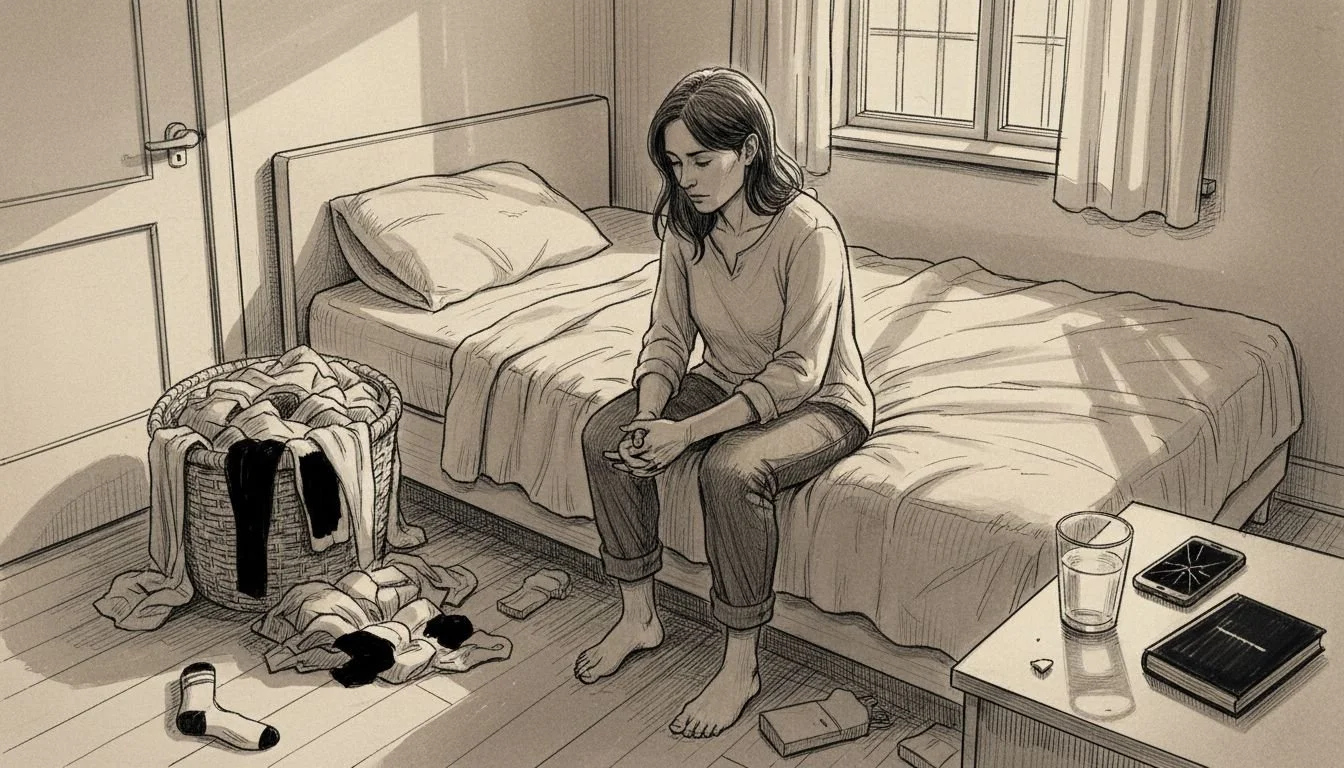
Psychological recovery from betrayal trauma requires comprehensive, compassionate approaches that acknowledge the multifaceted nature of emotional healing. Survivors often need professional support to navigate the intricate process of rebuilding self-trust, establishing healthy emotional boundaries, and reconstructing their fundamental beliefs about interpersonal relationships. The journey involves recognizing that healing is not linear, but a dynamic process of gradual emotional reconstruction and personal empowerment.
Impact on Mental Health and Relationships
Betrayal trauma fundamentally disrupts an individual’s psychological ecosystem, creating profound reverberations across mental health and interpersonal dynamics. Extensive psychological research demonstrates that the impact extends far beyond immediate emotional responses, potentially triggering complex mental health conditions including post-traumatic stress disorder, anxiety, and depression.
The mental health consequences manifest through multiple interconnected pathways:
Neurological Rewiring: Trauma can fundamentally alter brain processing and stress response mechanisms
Attachment Disruption: Profound challenges in forming and maintaining healthy relationship connections
Identity Fragmentation: Erosion of self-concept and personal boundaries
Emotional Regulation Challenges: Difficulty managing intense psychological responses
Chronic Stress Responses: Persistent activation of threat detection systems
Understanding PTSD in relationships becomes crucial in comprehending these intricate psychological landscapes. Survivors often experience a complex interplay between psychological vulnerability and protective mechanisms, where past betrayal creates invisible barriers to future emotional intimacy.
Recovery represents a nuanced journey of rebuilding psychological safety and reconstructing relational understanding. Professional therapeutic support becomes essential in helping individuals navigate these complex emotional terrains, transforming traumatic experiences into opportunities for profound personal growth and resilience. The healing process involves gradually reconstructing trust, not just with others, but fundamentally with oneself.
Healing and Recovery Pathways
Recovery from betrayal trauma is a deeply personal and nonlinear journey that requires compassionate, strategic approaches to emotional healing. Comprehensive healing strategies emphasize the importance of acknowledging the trauma, seeking professional support, and developing robust self-compassion techniques.
Key recovery pathways include:
Therapeutic Intervention: Professional counseling to process complex emotional experiences
Trauma-Informed Practices: Implementing specialized healing techniques
Boundary Reconstruction: Developing healthy interpersonal boundaries
Self-Compassion Development: Learning to nurture and protect emotional well-being
Narrative Reframing: Transforming traumatic experiences into opportunities for growth
Trauma recovery tips become crucial in understanding the nuanced healing process. Survivors must recognize that recovery is not about erasing the past, but about creating a resilient, empowered future self capable of navigating complex emotional landscapes.
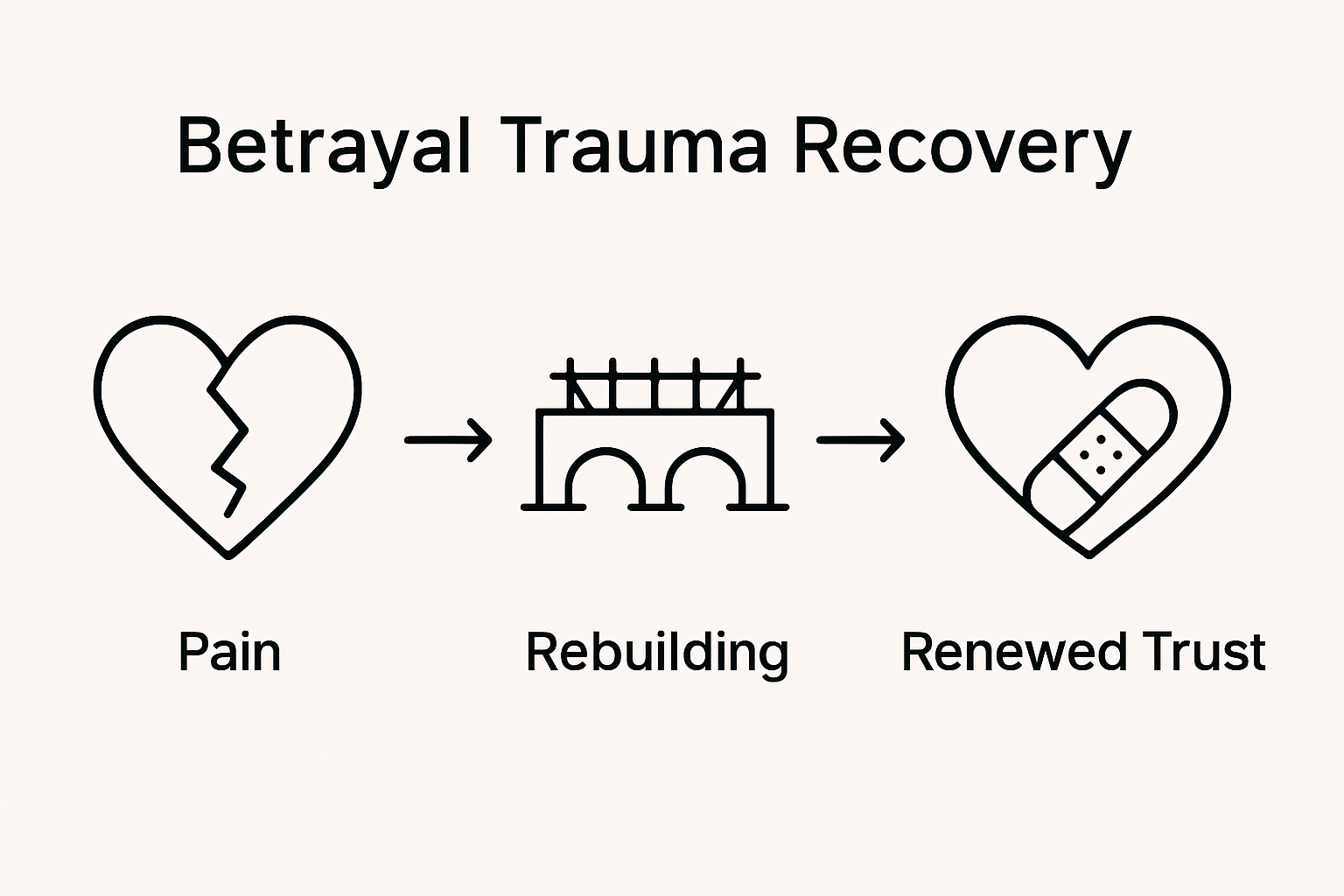
Ultimately, healing requires a holistic approach that integrates psychological support, personal growth strategies, and a profound commitment to self-understanding. The journey involves gradually rebuilding trust - not just with others, but fundamentally with oneself - through patient, compassionate exploration of emotional wounds and transformative healing practices.
Begin Your Healing Journey from Relationship Betrayal Trauma Today
Dealing with the deep emotional wounds caused by betrayal trauma can leave you feeling lost, confused, and uncertain about your ability to trust again. This article highlights key challenges such as trust issues, emotional numbness, and the struggle to rebuild your personal identity after such profound violations. If you recognize these painful experiences in your own life, you are not alone, and there is hope for renewing your sense of safety and connection.
At Alvarado Therapy, we specialize in trauma-informed approaches tailored to help you navigate these complex feelings. Our licensed therapists understand how betrayal trauma reshapes trust and emotional regulation. We offer compassionate counseling and proven methods like EMDR therapy designed to support your recovery, rebuild healthy boundaries, and foster self-compassion.
Take the courageous step to regain control over your emotional well-being. Explore our range of services including individual counseling and trauma processing techniques at Alvarado Therapy. Begin your path toward healing and empowerment now by visiting https://alvaradotherapy.org and scheduling a confidential consultation tailored to your needs.
Frequently Asked Questions
What is relationship betrayal trauma?
Relationship betrayal trauma occurs when someone close to you, such as a partner or family member, violates your trust in a profound way. It leads to psychological injury and disrupts your understanding of safety and emotional connection.
What are common signs of betrayal trauma?
Common signs include hypervigilance, trust issues, emotional numbness, anxiety, depression, and intrusive thoughts related to the betrayal. Survivors often experience complex emotional conflicts as they navigate their feelings.
How does betrayal trauma impact mental health?
Betrayal trauma can lead to various mental health issues, such as post-traumatic stress disorder (PTSD), anxiety, and depression. It disrupts attachment, alters brain processing, and creates challenges in emotional regulation.
What are effective recovery strategies for betrayal trauma?
Effective recovery strategies include seeking therapeutic intervention, practicing trauma-informed techniques, establishing healthy boundaries, developing self-compassion, and reframing traumatic narratives into opportunities for growth.
