
Get Paid Faster: 4 Forms California Victims Need for CalVCB Therapy

Yes, eligible crime victims in California can apply to CalVCB to get therapy costs reimbursed. Start by filing an application online, through a county victim-witness assistance center, or by paper, then gather your police report and any therapy bills. If the forms feel confusing, call CalVCB directly or ask a county advocate to walk you through it.
TL;DR:
Completing and submitting all required forms promptly, including the Mental Health Billing Intake Form and CMS 1500, is crucial to avoid payment delays or denials.
Therapists must be licensed in California or the relevant state and willing to handle billing paperwork to ensure reimbursement approval.
Missing or unsigned documents like the Treatment Plan or incomplete service dates on bills are common reasons for claim rejection, so careful document management is essential.
CalVCB typically covers therapy costs after insurance and other sources are exhausted, but claim approval depends on proper paperwork, quick follow-up, and adherence to deadlines.
Alvaradotherapy
Get Trauma Informed Support
Alvarado Therapy supports California clients with trauma informed care, EMDR therapy, and VOCA support for victims of crime.
Table of Contents
How Do You File a CalVCB Therapy Application?
You have three ways to file: the CalVCB online portal, a county victim-witness assistance center in person, or a paper application mailed directly to CalVCB. County centers tend to move faster for claimants who need help gathering documents, since advocates there file claims daily and know exactly what CalVCB wants to see.
Whichever route you pick, the application itself asks for the same core information.
Your personal details and contact information as the claimant.
The date, location, and type of crime, matched to a police report when one exists.
Attached documentation: crime reports, therapy bills or receipts, and any insurance denial letters.
Signature and submission date.
Once CalVCB approves your claim, the real work shifts to your therapist's office. Every first bill for mental health services needs a completed Mental Health Billing Intake Form, signed by your treating provider, plus a properly filled-out CMS 1500 billing form. Missing either one is the single fastest way to get a bill bounced back unpaid.
Before you submit anything, run through this order of operations:
File the application (online, county center, or paper).
Collect your crime report, ID, and any insurance correspondence.
Confirm your therapist will complete the Mental Health Billing Intake Form.
Ask the billing office to submit CMS 1500 forms per CalVCB instructions.
Save copies of everything you send.
Pro Tip: Call CalVCB's general information line or email their claims office before you submit anything if you're unsure which form version your therapist's office needs. A five-minute call can save weeks of back-and-forth over a rejected bill.
Who Qualifies for CalVCB and What's the Filing Deadline?
CalVCB recognizes several categories of eligible claimants: direct victims (the person the crime happened to), derivative victims (family members affected by the crime), primary and post-crime caretakers, and Good Samaritans injured while helping someone else. Each category qualifies for therapy reimbursement, but the paperwork proving your relationship to the crime differs by category.
Timing matters more than most people realize.
General deadline: victims generally have several years from the date of the crime to apply.
Youth extension: victims who were 21 or younger when the crime occurred can file by their 28th birthday, according to CalVCB's mental health factsheet.
CalVCB is the payor of last resort, meaning it only pays costs your health insurance, workers' compensation, or a civil settlement didn't already cover.
If you're not sure which deadline applies to your case, ask a county advocate or CalVCB directly before you assume you've missed your window. Extensions and exceptions exist, but you have to ask.
What Paperwork Does Your Therapist Need to Submit?
Getting paid depends almost entirely on paperwork your provider controls, not you. The Mental Health Billing Intake Form has to accompany the very first bill, and it must include the claimant's name, the date of the crime, the date treatment started, a brief description of the crime, and a statement of why treatment is medically necessary.
Billing itself runs through the CMS 1500 form, with each date of service listed as its own line item, following CalVCB's specific instructions. If your therapist is a registered associate working under supervision, the supervising clinician's signature has to appear on the paperwork too.
A few timing rules matter just as much as the forms themselves:
The Treatment Plan (TP) stays in the provider's file and typically must be submitted to CalVCB before the fourth session in many cases.
Once more sessions are needed beyond the original authorization, an Additional Treatment Plan (ATP) covers the extension.
If CalVCB requests supporting documents, providers generally have a short window, often around 10 business days, to respond.
Pro Tip: Ask your therapist's office upfront whether they've billed CalVCB before. A provider unfamiliar with the Mental Health Billing Intake Form or CMS 1500 requirements is far more likely to have bills returned, which delays your reimbursement, not theirs.
How Many Sessions Does CalVCB Cover, and How Do You Get More?
CalVCB sets initial session limits by claimant classification, and those caps are governed by CalVCB's own mental health guidelines rather than a fixed number that applies to everyone. When a claimant is getting close to that ceiling, the provider needs to act early, not after the fact.
Submit an Additional Treatment Plan (ATP) when the claimant has roughly eight sessions remaining under the current authorization.
File the ATP within the required window, generally within 90 days of the bills that exhaust the original limit.
CalVCB covers therapy costs not already paid by insurance, workers' compensation, or another source, and it typically does not cover costs unrelated to the qualifying crime.
Payment delays almost always trace back to the same handful of issues: a missing intake form, an incomplete CMS 1500, or a Treatment Plan that never made it into the file. You can check your claim's status by calling CalVCB directly, and it's worth doing that proactively rather than waiting for a denial letter to find out something went missing.
How Do You Confirm a Therapist Is CalVCB-Eligible?
CalVCB pays licensed providers: psychiatrists, psychologists, Licensed Clinical Social Workers (LCSWs), Marriage and Family Therapists (MFTs), Licensed Professional Clinical Counselors (LPCCs), and registered associates working under a licensed supervisor. Before you commit to a provider, confirm two things: that their license is active, and that their billing office is willing to complete the Mental Health Billing Intake Form and submit CMS 1500s.
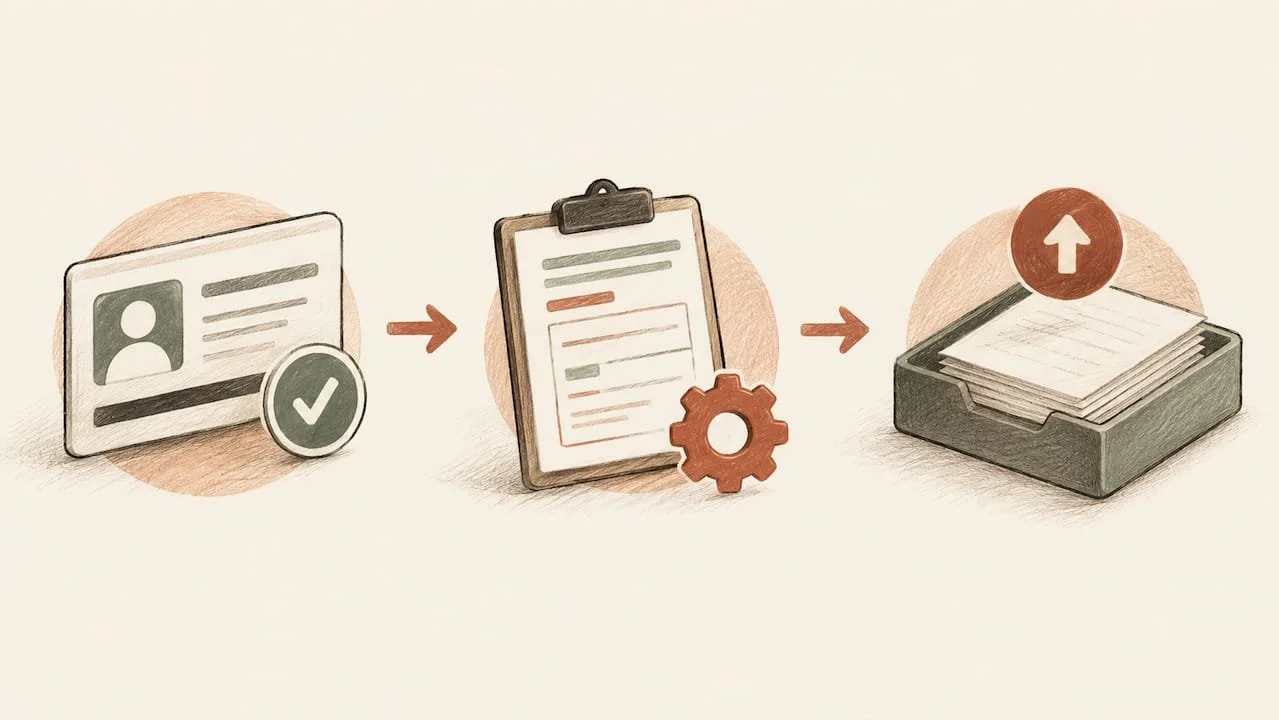
Telehealth adds one more wrinkle. Providers located outside California may be eligible in certain circumstances, but the therapist generally has to be licensed in the state where you live, so confirm this before assuming an out-of-state clinician qualifies. Ask directly: "Have you billed CalVCB before, and will your office handle the Treatment Plan submission?" If the answer is uncertain, keep looking.
Why Do CalVCB Therapy Claims Get Denied or Returned?
Most returned bills trace back to the same handful of gaps: a missing Treatment Plan, an unsigned Mental Health Billing Intake Form, a provider whose license had lapsed, or a CMS 1500 with incomplete service dates.
Confirm the intake form is signed before the first bill goes out.
Make sure the Treatment Plan is in the provider's file and submitted on schedule.
Double-check every CMS 1500 line lists a specific date of service.
County victim-witness advocates can catch these gaps before submission and follow up with CalVCB on your behalf if something stalls. If a bill comes back denied, don't panic. Gather the missing document, correct the form, and resubmit quickly.
Pro Tip: Keep a folder, physical or digital, with copies of every form your provider submits. When a bill gets returned, you'll want to show your advocate exactly what was sent and when.
Paperwork Now Protects Your Care Later
The forms feel tedious when you're already exhausted from everything else a crime puts you through. But every intake form and treatment plan filed correctly now is one less interruption to your therapy later. Getting the paperwork right isn't separate from healing. It's what keeps healing uninterrupted. A California-based trauma-informed practice offering bilingual support has experience helping victims of crime navigate this exact process. You don't have to figure out CMS 1500 codes alone. Reach out to an advocate or a provider who's done this before, and let them carry the administrative weight while you focus on getting better.
— Juiced
Get Trauma-Informed Support With Your CalVCB Paperwork
This practice gives California crime victims something most general practices don't offer: a provider who already knows how CalVCB paperwork works, so you spend your energy on healing instead of chasing forms. The practice offers bilingual, trauma-informed care including EMDR intensives, individual counseling, and dedicated support for victims of crime, with clinicians who can complete Treatment Plans, coordinate CMS 1500 billing details with your claim, and help you organize the documentation CalVCB requires.
If your case involves related legal costs, resources like The Bail Network's guide on domestic abuse bail can help you understand costs that sometimes intersect with victim compensation planning. When you're ready to start therapy with a provider who understands CalVCB's process from the first session, book an individual counseling or EMDR therapy appointment and let the paperwork be one less thing you carry alone.
Where to Verify CalVCB Rules and Forms
For the most current instructions, check CalVCB's mental health guidelines, the mental health factsheet, and the for victims application page. These contain the official filing deadlines and requirements. For local, trauma-informed support, visit Alvarado Therapy.
This article is general information, not a substitute for advice from a qualified doctor. Consult a qualified healthcare professional about your own circumstances before acting on anything here.
FAQ
How Do You Apply for CalVCB?
File online, through a county victim-witness assistance center, or by paper application, then attach your crime report, therapy bills, and any insurance denial letters.
How Much Does CalVCB Pay for Therapy?
CalVCB pays therapy costs not already covered by insurance or another source, up to session limits set by claimant classification under CalVCB's mental health guidelines; it does not pay a flat published amount because coverage depends on your specific claim.
How Long Does It Take to Get Paid From CalVCB?
Timelines vary by claim complexity, but missing documents like the Mental Health Billing Intake Form or an incomplete CMS 1500 are the most common causes of delay, so complete paperwork moves faster.
What Is the CalVCB Program?
CalVCB is a California state program that reimburses eligible crime victims for costs including therapy, medical bills, and lost wages when no other source, such as insurance, has already covered them.
What Is the Deadline to File a CalVCB Claim?
Most victims have seven years from the date of the crime to apply, and victims who were 21 or younger at the time can file up to their 28th birthday, per CalVCB's factsheet.
