
Role of EMDR in Relationships: Healing Trauma Bonds
Trust can feel fragile when unresolved trauma shapes the way partners connect and communicate. Many Californian couples find themselves repeating painful patterns, feeling stuck between wanting closeness and fearing vulnerability. EMDR therapy offers a structured pathway to process those deep-seated memories and reshape relationship dynamics, helping partners move beyond old wounds and build healthier connections. If you are searching for more safety, understanding, and real healing in your relationship, discovering EMDR’s impact could help you begin a new chapter together.
Table of Contents
Key Takeaways
| Point | Details |
|---|---|
| EMDR Therapy Transforms Relationships | EMDR focuses on healing trauma, aiding individuals in processing painful memories that enhance relationship dynamics. |
| Recognize Adaptive Survival Patterns | Past trauma influences relationship behaviors; understanding this can guide individuals toward healing and healthier interactions. |
| Collaboration is Key | Couples should approach EMDR as a joint journey, fostering support for each other’s emotional growth. |
| Consider Readiness for EMDR | Factors such as trauma history and emotional regulatory skills are crucial for determining suitability for EMDR therapy. |
Defining EMDR and Its Impact on Relationships
EMDR (Eye Movement Desensitization and Reprocessing) therapy represents a groundbreaking approach to healing psychological trauma, with profound implications for relationship dynamics. Originally developed to address post-traumatic stress disorder, EMDR has evolved into a powerful therapeutic technique that helps individuals process and integrate deeply painful memories.
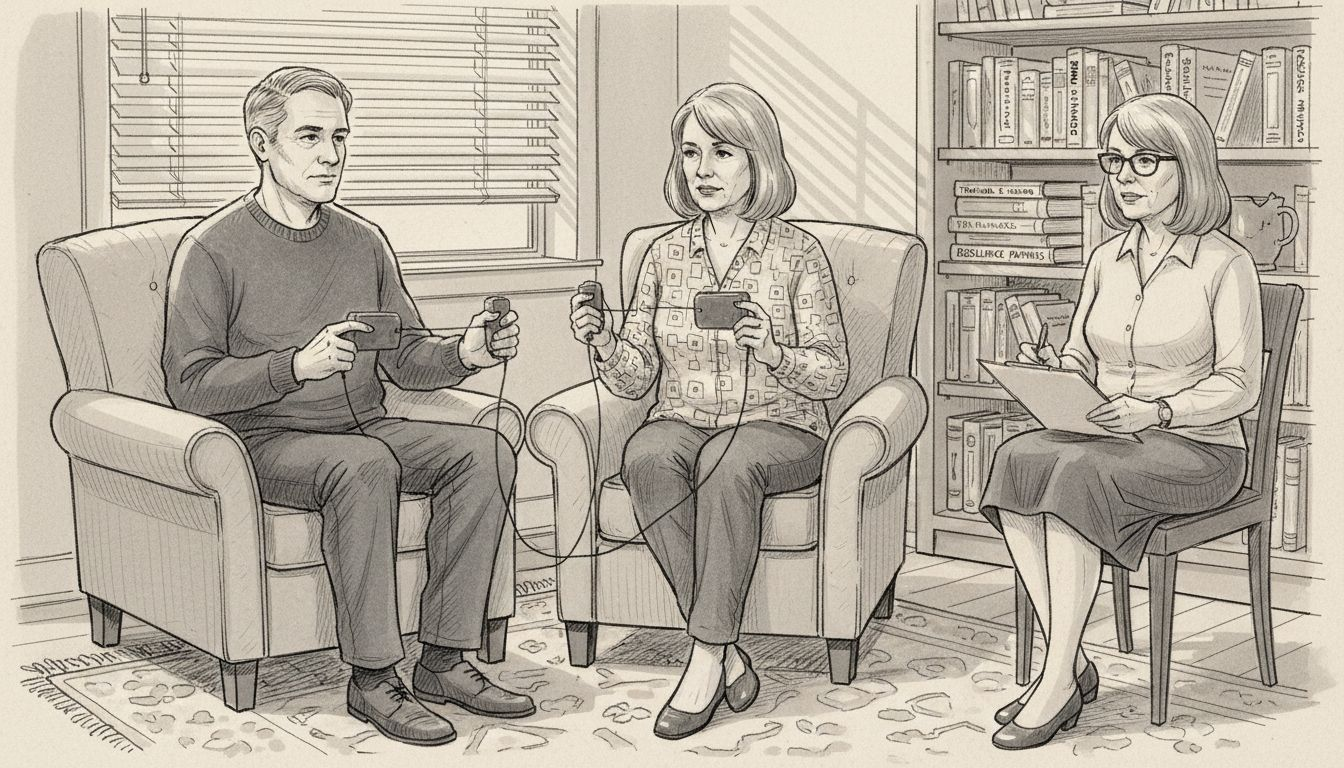
At its core, EMDR uses structured bilateral stimulation - typically guided eye movements - to help individuals reprocess traumatic experiences. Trauma processing techniques allow patients to transform how they internalize and respond to past emotional wounds, which can dramatically improve interpersonal relationships.
Key aspects of EMDR's impact on relationships include:
Reducing automatic trauma responses
Improving emotional regulation
Breaking destructive relationship patterns
Enhancing communication and trust
Healing attachment wounds from childhood experiences
By targeting the neurological roots of traumatic memories, EMDR helps couples understand and overcome deep-seated relational challenges. The therapy's structured approach allows individuals to move beyond survival mechanisms, creating space for healthier, more authentic connections.
Pro tip: When considering EMDR for relationship healing, seek a therapist specifically trained in both trauma treatment and couples counseling to ensure comprehensive support.
How Trauma Shapes Relationship Patterns
Trauma creates invisible emotional scars that profoundly reshape how individuals engage in relationships, often without their conscious awareness. These deeply embedded patterns emerge from past experiences, causing automatic protective mechanisms that can sabotage intimate connections and trust.
Attachment disruption patternsfundamentally alter how individuals perceive safety, vulnerability, and emotional intimacy. Traumatized individuals frequently develop complex relational strategies that might include emotional withdrawal, hypervigilance, or an inability to establish healthy boundaries.
Common trauma-induced relationship patterns include:
Persistent trust issues
Fear of emotional intimacy
Automatic defensive responses
Difficulty expressing vulnerability
Recreating past traumatic dynamics unconsciously
Self-sabotaging potential healthy relationships
These patterns are not intentional behaviors but survival mechanisms developed through past emotional experiences. Individuals often unconsciously recreate familiar relationship dynamics, even when those dynamics are harmful, as a way of maintaining a sense of psychological predictability.
Trauma transforms relationship interactions from authentic connections into survival strategies, where emotional safety becomes the primary unconscious goal.
Pro tip: Recognize that your relationship patterns are adaptive survival mechanisms, not personal failures, and seeking professional support can help you transform these deeply ingrained responses.
EMDR Therapy Process for Couples
EMDR therapy for couples represents a specialized approach to healing relationship trauma, offering a structured pathway for partners to address deep-seated emotional wounds together. Unlike traditional couples counseling, this method focuses on processing individual and shared traumatic experiences that impact relationship dynamics.
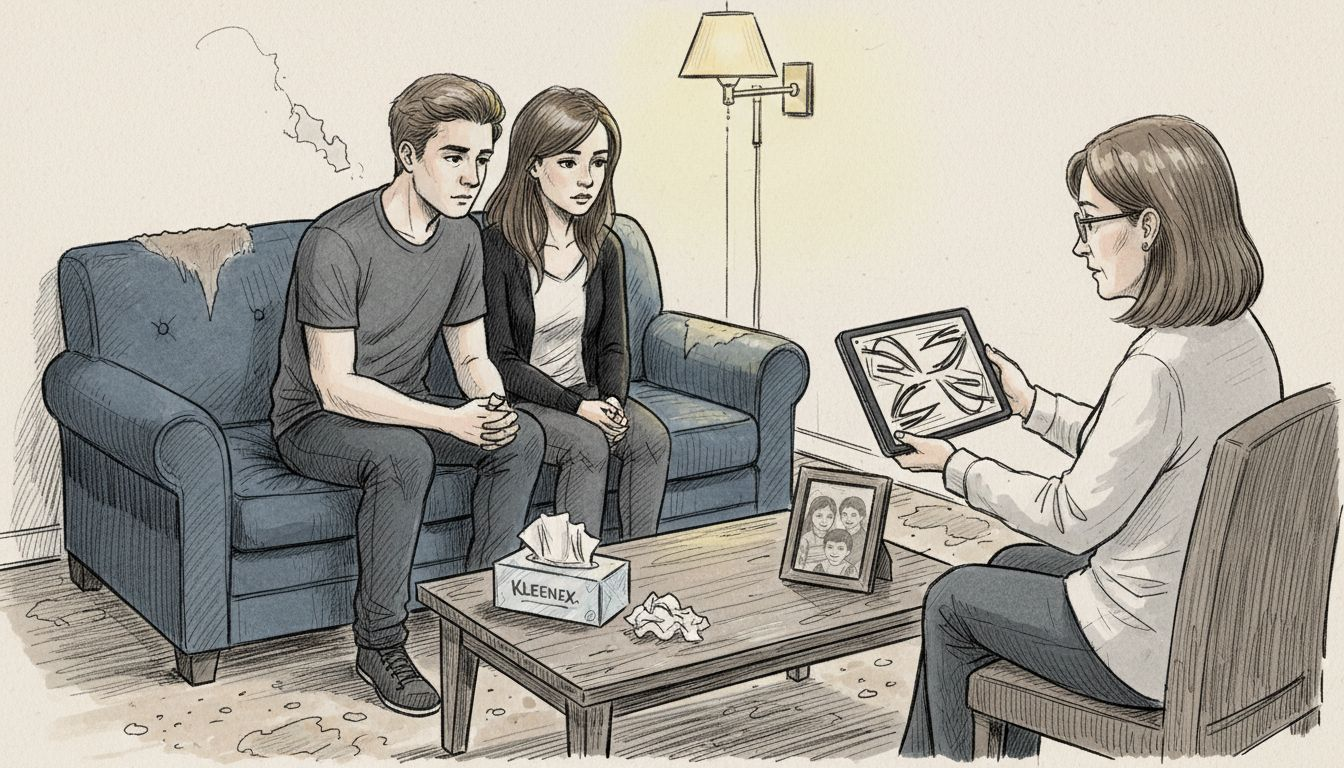
Intensive therapy techniques provide a comprehensive framework for couples to understand and transform their relational patterns. The process typically unfolds through eight systematic phases designed to identify, process, and resolve traumatic memories that create barriers to intimacy and connection.
Key components of the EMDR couples therapy process include:
Comprehensive individual and relationship history assessment
Identifying specific trauma triggers and relational patterns
Bilateral stimulation techniques for memory reprocessing
Developing shared emotional regulation strategies
Rebuilding trust and communication pathways
Creating collaborative healing goals
Therapeutic Phases in Detail:
Client History and Treatment Planning
Preparation and Resource Development
Assessment of Traumatic Memories
Desensitization and Reprocessing
Installation of Positive Beliefs
Body Scan and Emotional Integration
Closure and Stabilization
Ongoing Reassessment and Growth
Healing relationship trauma requires a delicate balance of individual healing and collective understanding, making EMDR a powerful approach for couples seeking deeper connection.
Pro tip: Approach EMDR as a collaborative journey, where both partners commit to individual healing while supporting each other's emotional growth and transformation.
Here's a comparison of EMDR therapy and traditional couples counseling methods for addressing relationship trauma:
| Aspect | EMDR Therapy | Traditional Couples Counseling |
|---|---|---|
| Core Focus | Trauma reprocessing | Communication/behavior skills |
| Structure | Phased protocol with clear steps | Flexible, varies by therapist |
| Mechanism | Bilateral stimulation techniques | Talk-based interventions |
| Target | Neurological roots of issues | Present-day interaction patterns |
| Outcome Speed | Often noticeable faster change | Progress may take longer |
| Suitability | Best for trauma-affected couples | Suitable for general difficulties |
Key Benefits: Rebuilding Trust and Connection
EMDR therapy offers transformative healing for couples struggling with deep-rooted relationship trauma, providing a powerful pathway to restore emotional connections that have been fractured by past experiences. This therapeutic approach goes beyond traditional counseling by directly addressing the neurological impact of traumatic memories.
Trauma symptom reductionenables couples to break destructive relational patterns and rebuild intimacy with greater emotional understanding and resilience. By processing unresolved traumatic experiences, partners can develop more compassionate and supportive interactions.
Key benefits of EMDR for rebuilding trust and connection include:
Decreased emotional reactivity
Enhanced emotional regulation
Improved communication skills
Reduced anxiety and defensive behaviors
Increased capacity for vulnerability
Deeper empathy and understanding
Restoration of emotional safety
Relationship Transformation Elements:
Identifying shared trauma triggers
Processing individual emotional wounds
Developing mutual understanding
Creating collaborative healing strategies
Rebuilding emotional trust
Trust is not just rebuilt through words, but through neurological rewiring and consistent emotional attunement.
Pro tip: Approach EMDR as a joint healing journey, where both partners commit to individual growth while supporting each other's emotional transformation.
Risks, Limitations, and Safety Considerations
EMDR therapy, while powerful and transformative, requires careful consideration of potential risks and individual readiness. Understanding the nuanced landscape of therapeutic intervention helps couples approach this healing method with realistic expectations and informed decision-making.
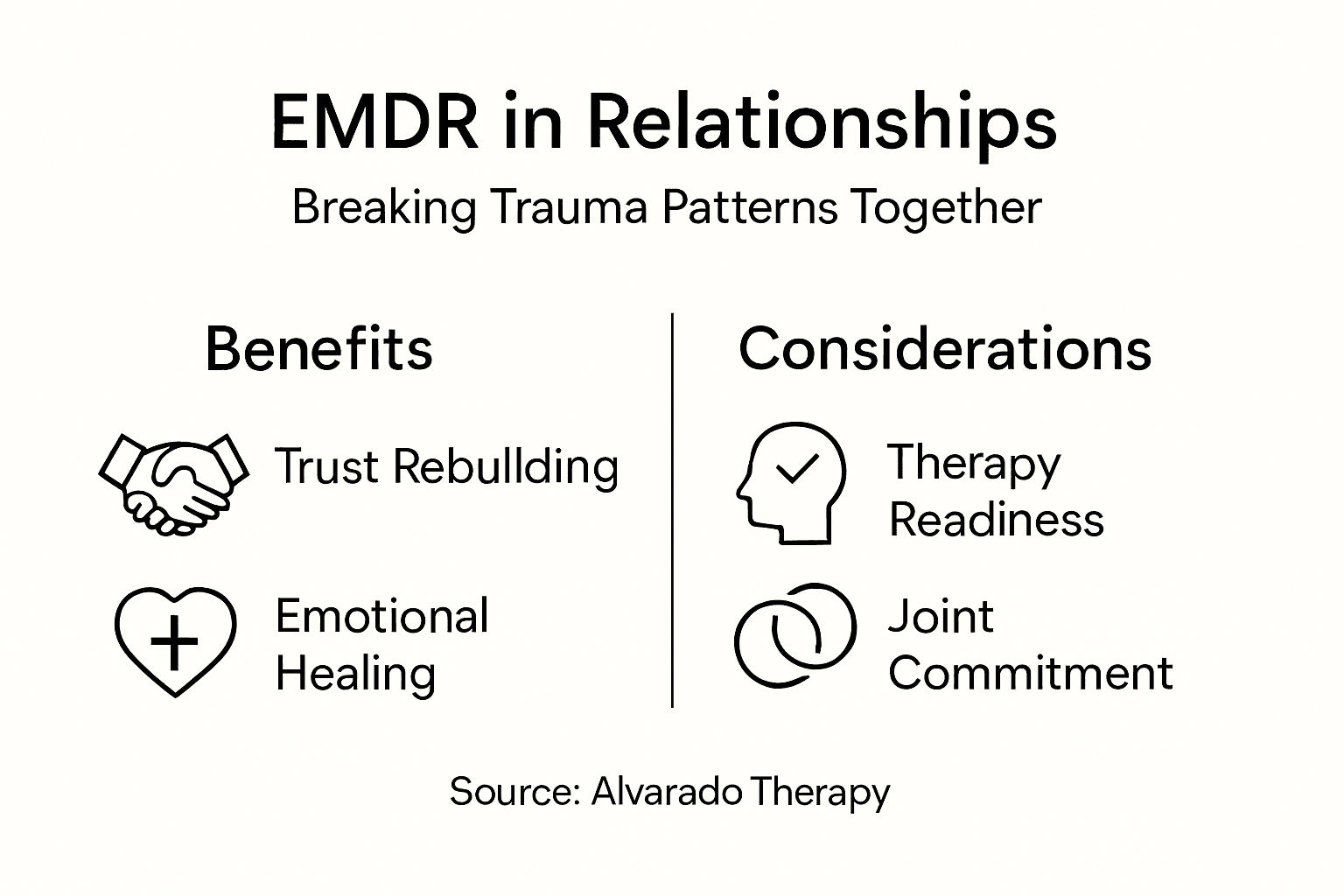
Clinical safety protocols emphasize the importance of comprehensive screening and individualized treatment approaches. Not every couple or individual will be immediately suitable for EMDR, and professional assessment becomes crucial in determining therapeutic appropriateness.
Potential risks and limitations include:
Temporary emotional destabilization
Intensification of trauma symptoms
Potential overwhelming of coping mechanisms
Variability in individual trauma processing
Requirement for skilled therapeutic management
Potential retraumatization if improperly conducted
Need for robust support systems
Critical Safety Considerations:
Comprehensive mental health screening
Establishing strong therapeutic alliance
Developing robust emotional regulation skills
Creating personalized safety plans
Continuous client monitoring
Safety in trauma therapy is not about avoiding difficult emotions, but creating a controlled, supportive environment for healing.
Pro tip: Always work with a licensed EMDR therapist specifically trained in couples trauma work, and prioritize building personal emotional resources before deep trauma processing.
Below is a reference for key EMDR safety factors and why each matters for couples work:
| Safety Factor | Why It Matters | When to Prioritize |
|---|---|---|
| Comprehensive screening | Ensures readiness, avoids harm | Before starting EMDR sessions |
| Emotional regulation skills | Prevents overwhelm during therapy | During preparation phase |
| Strong therapeutic alliance | Builds trust, enables vulnerability | Throughout the process |
| Personalized safety plan | Provides coping strategies for distress | Before deep trauma work |
| Continuous monitoring | Detects adverse reactions early | Every session and follow-up |
Choosing EMDR Therapy for Relationship Healing
Selecting EMDR therapy for relationship healing represents a nuanced decision that requires careful consideration of individual and partnership dynamics. This therapeutic approach offers a targeted method for addressing deep-seated relational wounds that traditional counseling might not fully resolve.
Trauma-focused therapeutic protocolsprovide couples with a structured pathway to understanding and healing complex emotional injuries. The intentional, evidence-based nature of EMDR distinguishes it from more generalized therapeutic interventions.
Critical factors to consider when choosing EMDR include:
Individual trauma history readiness
Mutual commitment to healing
Therapist's specialized EMDR training
Willingness to engage in deep emotional work
Capacity for emotional regulation
Openness to neurological reprocessing
Stable support systems
Key Assessment Questions:
Have traditional therapies felt insufficient?
Do unresolved traumas persistently impact your relationship?
Are both partners willing to participate fully?
Can you tolerate temporary emotional discomfort?
Do you have robust personal coping mechanisms?
Healing is not about erasing painful memories, but transforming their emotional charge and reclaiming personal agency.
Pro tip: Schedule initial consultations with multiple EMDR therapists specializing in couples work to find the best therapeutic match for your unique relationship dynamics.
Transform Your Relationship Through Expert EMDR Therapy
Struggling with trauma bonds that undermine trust and connection in your relationship is exhausting. The role of EMDR in healing these deep-seated wounds offers real hope. EMDR therapy helps you reprocess painful memories, reduce emotional reactivity, and rebuild authentic emotional safety together. At Alvarado Therapy, our trauma-informed specialists guide you through this journey with care and expertise in Online in California — Meet Our Team — Alvarado Therapy and in-person sessions.
Take the next step toward restoring emotional trust and breaking unhealthy cycles. Visit Alvarado Therapy to explore how our EMDR couples therapy can empower your healing. Begin by connecting with compassionate therapists dedicated to trauma-sensitive, identity-affirming care in Ventura or online. Your relationship deserves a chance to thrive beyond trauma — start your healing process today.
Frequently Asked Questions
What is EMDR therapy, and how does it work for relationships?
EMDR (Eye Movement Desensitization and Reprocessing) therapy is a treatment method designed to help individuals process and heal from trauma. In relationships, it works by using bilateral stimulation to help partners reprocess traumatic experiences, reducing emotional reactivity, and enabling healthier interactions.
How can trauma affect relationship dynamics?
Trauma can lead to automatic protective mechanisms, such as trust issues, emotional withdrawal, and difficulty expressing vulnerability. These patterns often disrupt relational dynamics, making it challenging to connect authentically with partners.
What are the benefits of using EMDR for relationship healing?
EMDR therapy can significantly enhance emotional regulation, improve communication, and reduce anxiety related to past traumas. This leads to a deeper understanding and empathy between partners, ultimately helping to rebuild trust and connection.
Are there any risks or limitations associated with EMDR therapy for couples?
Yes, potential risks include temporary emotional destabilization and the need for skilled therapeutic management. It's important to have comprehensive screening and a strong therapeutic alliance to ensure a safe and effective healing environment.
