
Communication Exercises for Couples That Actually Work
TL;DR:
Most couples struggle more with communication than love, and targeted exercises can rebuild connection and trust.
Research-backed practices like active listening, gratitude, and conflict de-escalation are most effective when practiced consistently and tailored to relationship goals.
Most couples don't have a love problem. They have a communication problem. The good news is that targeted communication exercises for couples can rebuild connection, reduce conflict, and create the kind of relationship where both partners feel heard. These aren't feel-good platitudes. They're research-backed practices drawn from decades of relationship science, and they work when you use them consistently. This article gives you a curated set of exercises, a framework for choosing the right ones, and a realistic plan for making them stick.
Table of Contents
Key takeaways
| Point | Details |
|---|---|
| Start with listening skills | Exercises that prioritize empathy over fixing build emotional safety faster than conflict tactics. |
| Consistency beats intensity | Brief daily habits like compliments and gratitude outperform occasional marathon conversations. |
| Not all exercises fit every couple | Match exercises to your current communication patterns and relationship goals for the best results. |
| Positivity ratio matters | Maintaining five positive interactions for every negative one protects connection during stress. |
| Professional support accelerates growth | Exercises work best when combined with guided therapy for deeper or trauma-related patterns. |
What makes communication exercises for couples actually effective
Not every exercise you find on a blog is worth your time. Before you commit to a practice, it helps to understand what separates the ones that create real change from the ones that feel productive but go nowhere.
The best exercises share these qualities:
They target a specific skill: listening, expressing needs, managing conflict, or building appreciation
They create emotional safety rather than pressure to perform
They require both partners to participate equally
They are grounded in research, not just popular opinion
They can be completed in a realistic amount of time given your schedule
You also want to consider your emotional readiness. If one partner is frequently flooded during disagreements, starting with high-stakes conflict exercises will backfire. Begin with low-risk connection activities and build from there.
Pro Tip:Before trying a new exercise, ask each other one question: "What communication skill do I most want to grow?" Aligning on that first shapes how you engage with the practice.
Aligning your chosen exercises with your actual relationship goals matters more than doing the "most advanced" technique. A couple working on feeling closer after a stressful year needs different tools than one managing recurring conflict cycles. The step-by-step communication guide at Alvaradotherapy offers a helpful framework for identifying where to start.
10 communication exercises every couple should know
1. Stress-reducing conversation
This exercise, developed by The Gottman Institute, sets aside 20 to 30 minutes for one partner to share stress from outside the relationship while the other listens without trying to fix the problem. The listener validates and empathizes. That's the entire job.
Most couples accidentally turn support conversations into debates or unsolicited advice sessions. This exercise corrects that. When you feel understood without receiving a lecture, your nervous system relaxes. Connection follows naturally.
2. The positive perspective reset
Relationships thrive when couples maintain at least five positive interactions for every one negative interaction, even during disagreements. The positive perspective reset is a daily micro-practice: each morning, identify one thing you genuinely appreciate about your partner and let it shape how you interpret their behavior throughout the day.
This isn't toxic positivity. It's operational skill. When your emotional bank account is full, you automatically read ambiguous moments with more generosity. That changes everything about how conflict unfolds.
3. The seven-week gratitude program
Contempt is the single strongest predictor of relationship breakdown. Gratitude is the antidote. The Gottman Institute's seven-week gratitude structure takes couples through themed weeks covering fondness, shared memories, pride, luck, love, and joy, with daily positive thoughts and small concrete tasks each week.
Most couples skip this because it sounds simple. Don't. Simple and easy are different things. Doing this consistently rewires how you see each other.
4. Soft startup
How a conversation begins almost always determines how it ends. The Soft Startup technique changes the trajectory of difficult conversations 96% of the time by replacing blame and criticism with "I" statements and specific, non-attacking descriptions of how you feel.
Instead of "You never listen to me," you say, "I feel disconnected when we don't have time to talk." Same concern. Completely different emotional impact. Practice this by writing out your complaint in the old format, then rewriting it as a Soft Startup before you bring it up.
5. Reflective listening
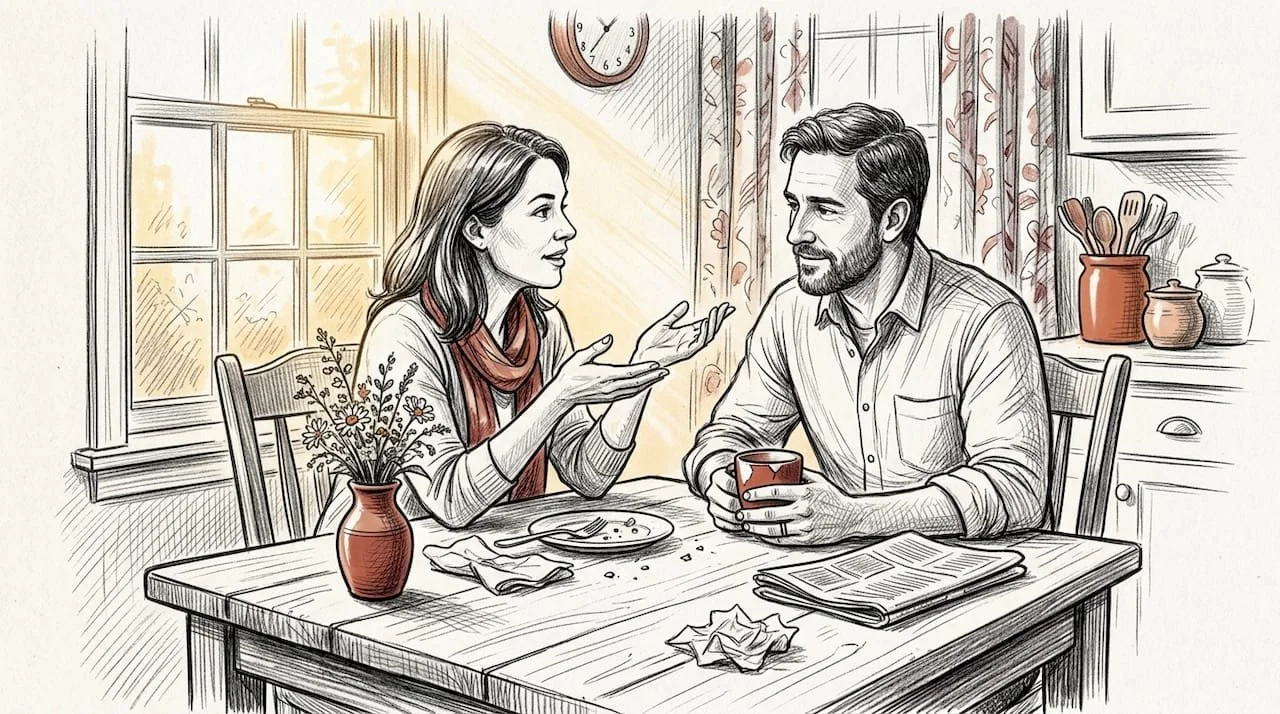
Most people listen to respond. Reflective listening flips that. You listen to understand, then mirror back what you heard before adding your own perspective. A simple phrase like "What I hear you saying is..." opens up conversations that would otherwise spiral into misunderstanding.
Pro Tip: Try reflective listening for one full week only during positive conversations, not conflicts. Building the skill in low-stakes moments makes it far easier to use when emotions run high.
This technique is not natural for most people. It feels slow and awkward at first. That discomfort means it's working. You're breaking an old pattern.
6. The appreciation game
Regular expressions of fondness counteract the negativity bias that builds up over years of sharing a life. The appreciation game is simple: each partner names one thing they noticed and appreciated about the other today. Not grand gestures. Small, specific observations.
"You made the coffee before I asked." "You were patient with the kids even when you were tired." Specificity matters because generic compliments fade. Specific ones land.
7. State of the union check-in
Once a week, set aside 20 minutes for a structured relationship check-in. Each partner takes a turn answering three questions: What went well this week between us? What felt hard? What's one thing I need from you next week?
This is one of the most underused relationship communication tools available. It prevents resentment from accumulating by giving both partners a predictable, safe space to be honest without it becoming a crisis conversation.
8. Open-ended questions for depth
Couples who have been together for years often stop asking each other real questions. Open-ended questions are dialogue exercises for partners that rebuild genuine curiosity about each other's inner world. Questions like "What's something you've been thinking about lately that you haven't shared?" or "What made you feel most alive this week?" go places that "How was your day?" never will.
9. Intentional breaks during conflict
Taking a break during a heated argument is not the same as stonewalling. Clearly communicated breaks with a plan to reconnect within a set time, like 30 minutes, are a proven emotional regulation strategy. The key difference is saying, "I need 30 minutes to calm down and then I want to finish this conversation," rather than walking out without explanation.
Feeling understood matters more to most people than quickly reaching a resolution. The break gives you both the chance to return with the emotional capacity to actually listen.
10. Physical touch as a communication bridge
Non-sexual physical touch, such as a hand on the shoulder, a longer hug, or holding hands during a difficult conversation, regulates the nervous system and signals safety. Before a hard talk, try a 20-second hug. Research on trauma-informed communication consistently shows that co-regulation through physical presence changes the emotional tone of a conversation before a single word is spoken.
Comparing exercises by purpose and ease
| Exercise | Primary purpose | Time needed | Best for |
|---|---|---|---|
| Stress-reducing conversation | Emotional support | 20 to 30 min | Daily stress relief, feeling heard |
| Positive perspective reset | Building goodwill | 2 to 5 min | Couples rebuilding trust |
| Seven-week gratitude program | Countering contempt | 5 to 10 min/day | Longstanding disconnection |
| Soft Startup | Conflict de-escalation | Variable | Recurring arguments |
| Reflective listening | Reducing misunderstanding | Variable | All couples, all stages |
| Appreciation game | Positivity maintenance | 5 min | Daily connection |
| State of the union check-in | Ongoing relationship health | 20 min weekly | Preventing resentment |
| Open-ended questions | Emotional intimacy | 10 to 15 min | Couples feeling distant |
| Intentional break | Conflict regulation | Variable | High-conflict moments |
| Physical touch | Co-regulation | Seconds to minutes | Tension, hard conversations |
How to build communication habits that last
Knowing the exercises is one thing. Making them part of your actual life is another. Most couples try something for two weeks and drop it when life gets busy. Here's how to avoid that.
Start with one exercise only. Trying to change everything at once creates overwhelm and guarantees you'll stop. Pick the exercise that addresses your most pressing challenge and commit to it for 30 days before adding another.
Schedule it like an appointment. The couples who succeed treat communication practices as non-negotiable time, not something they'll get to if there's space. Sunday evenings for a check-in. Three minutes before bed for appreciation. It works because it's consistent.
Create a safe signal system. Agree on a word or phrase that means "I need to pause and regulate before we continue." This removes the emotional charge from asking for space during conflict.
Adjust as you grow. An exercise that fits you at the beginning of this process may not serve you six months from now. Check in on whether your current practices still match your current challenges.
Know when to bring in support. Some communication patterns are rooted in attachment wounds or trauma. When exercises help but don't reach the deeper layer, that's when couples therapy fills the gap.
My honest take on what actually changes relationships
I've seen couples work through every exercise in this article and still feel stuck. And I've seen other couples make a single shift and feel the difference immediately. Here's what I've learned separates the two.
The couples who transform their connection aren't the ones who execute exercises perfectly. They're the ones who get genuinely curious about their partner instead of trying to win or protect themselves. That shift, from self-defense to curiosity, is what every exercise in this list is really trying to build.
The most common pitfall I see is rushing conflict resolution. Partners want to get to the solution before both people feel understood. But 69% of relationship conflicts are long-term, unsolvable issues rooted in personality differences or values. The goal isn't always to fix them. It's to understand each other well enough that you can live with them together.
The other thing I'll say plainly: small daily habits matter more than big periodic efforts. Five minutes of appreciation every day does more for your relationship than a yearly retreat. Consistency is the real communication tool. Everything else is a vehicle for it.
— Alvaradotherapy
Ready to go deeper with your partner?
Exercises like these create real change, but sometimes communication challenges run deeper than a weekly check-in can reach. Patterns rooted in past trauma, attachment wounds, or long-term conflict cycles often need professional support to shift fully.
Alvaradotherapy offers online couples therapy in California, with licensed therapists trained in trauma-informed approaches that go beyond surface-level communication skills. Whether you're dealing with recurring conflict, disconnection after a major life event, or simply want to build a stronger foundation together, the team at Alvaradotherapy works with you at your pace. You can schedule a consultation to talk through what support would look like for your specific situation. Getting professional guidance alongside your own practice is not a sign things are broken. It's one of the smartest investments a couple can make.
FAQ
What are the best communication exercises for couples?
Reflective listening, Soft Startup, and the State of the Union check-in are among the most research-backed exercises for improving how couples talk and listen to each other. The best exercise for your relationship depends on whether your primary challenge is conflict, emotional distance, or daily disconnection.
How often should couples practice communication exercises?
Daily micro-practices like appreciation and gratitude take just a few minutes and compound over time. Deeper exercises like weekly check-ins work best on a consistent schedule, such as every Sunday for 20 minutes, to prevent issues from building up.
Can communication exercises replace couples therapy?
Exercises build real skills, but they work on surface patterns. When communication struggles are tied to trauma, attachment issues, or entrenched conflict cycles, therapy reaches the layer that exercises alone cannot. The two approaches work best together.
What is the Soft Startup technique?
Soft Startup is a method of beginning difficult conversations using "I" statements and specific, non-blaming language to reduce defensiveness. Research shows it changes the direction of conversations 96% of the time compared to harsh or critical openings.
How do you maintain communication improvements long-term?
Start with one exercise and practice it consistently for at least 30 days before adding more. Schedule communication practices like appointments, and revisit your approach every few months to adjust as your relationship evolves.
