
Effective ways to manage anxiety in relationships
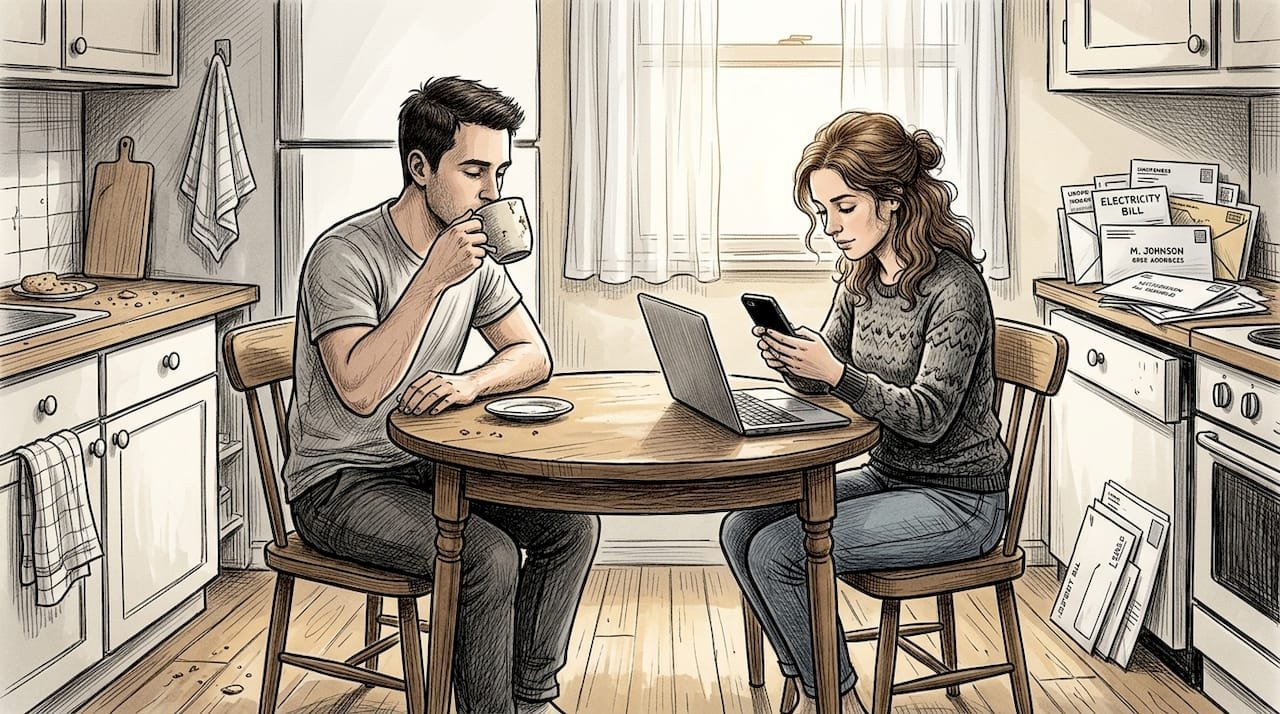
Anxiety can quietly reshape how you connect with your partner, turning small misunderstandings into major conflicts and creating distance where closeness once thrived. Many adults in California experience relationship anxiety that affects communication, trust, and emotional intimacy. This guide provides practical strategies to manage anxiety within your relationship, helping you build stronger emotional support and healthier communication patterns. You'll learn how to prepare yourself, take actionable steps, and verify your progress toward lasting relational healing.
Table of Contents
Key takeaways
| Point | Details |
|---|---|
| Anxiety reshapes intimacy | Understanding how anxiety distorts perception helps you interrupt cycles and protect trust. |
| Self awareness and goals | Honest reflection on triggers and clear relationship goals guide effective anxiety management. |
| Set reassurance boundaries | Define how much reassurance you need and communicate it to your partner. |
| Communication and boundaries | Use open dialogue and clear limits to reduce miscommunication and protect emotional safety. |
Understanding anxiety's impact on relationships
Relationship anxiety manifests as persistent worry about your partner's feelings, fear of abandonment, or constant need for reassurance. Common symptoms include overthinking conversations, interpreting neutral behaviors as rejection, and experiencing physical tension during interactions. These patterns create a cycle where anxiety fuels behaviors that strain the connection you're trying to protect.
Anxiety distorts how you perceive your partner's actions and intentions. A delayed text response becomes evidence of disinterest. A quiet evening feels like emotional withdrawal. Your mind fills gaps with worst-case scenarios rather than considering benign explanations. This cognitive distortion leads to miscommunication, trust issues, and emotional distancing that erode relationship foundations over time.
Anxiety-driven behaviors often include:
Seeking excessive reassurance about your partner's commitment or feelings
Avoiding difficult conversations to prevent potential conflict
Monitoring your partner's activities or communication patterns
Withdrawing emotionally when feeling vulnerable or threatened
Overanalyzing small details of interactions for hidden meanings
Recognizing these patterns is the first step toward breaking the anxiety cycle and rebuilding trust in your relationship.
When you understand how anxiety operates within your relationship, you gain power to interrupt harmful patterns. Awareness allows you to pause before reacting, question distorted thoughts, and choose responses that strengthen rather than damage your bond. This foundation prepares you for the practical work of managing anxiety effectively.
With a clear understanding of how anxiety disrupts relationships, let's prepare by identifying what you need to support emotional healing effectively.
Preparing to manage relationship anxiety: self-awareness and support systems
Successful anxiety management begins with honest self-reflection about your triggers and patterns. Notice what situations consistently activate your anxiety. Does uncertainty about plans trigger worry? Do social gatherings with your partner's friends spark insecurity? Identifying these triggers helps you anticipate challenges and develop targeted coping strategies before anxiety escalates.
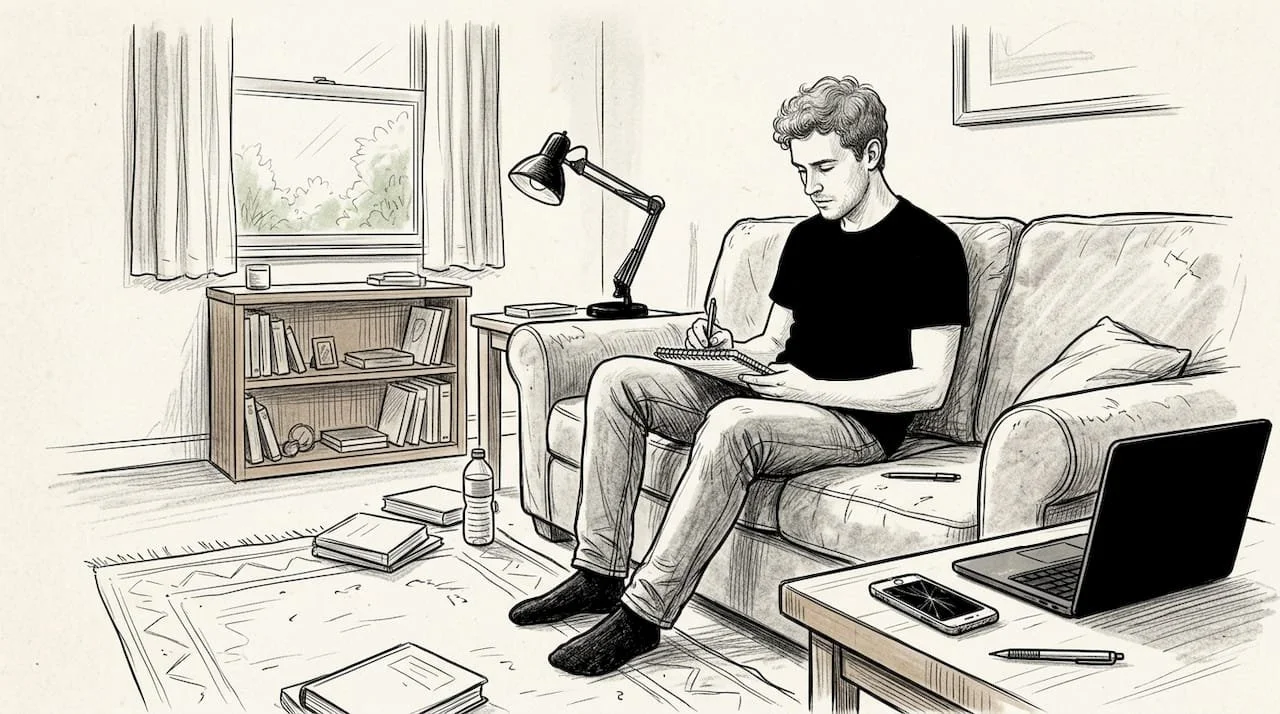
Setting clear relationship goals creates direction for your healing journey. Define what healthy communication looks like for you. Establish boundaries around reassurance seeking that balance your needs with sustainable patterns. Decide what emotional intimacy means in practical terms. Self-awareness and establishing emotional support are foundational for anxiety management in relationships.
Building a support network strengthens your capacity to manage anxiety:
Identify trusted friends or family members who understand your challenges
Consider working with a therapist specializing in anxiety and relationships
Join support groups where others share similar experiences
Communicate your needs clearly to your partner about helpful support
Develop self-care practices that regulate your nervous system independently
Pro Tip: Regular journaling helps track anxiety trends and emotional reactions, revealing patterns you might miss in daily life and providing concrete data for adjusting your strategies.
Your support system should include both professional resources and personal connections. A therapist provides expert guidance tailored to your specific situation, while friends offer everyday understanding and encouragement. Your partner becomes a collaborative ally rather than the sole source of emotional regulation. This distributed support prevents overwhelming any single relationship while ensuring you have help when needed.
Preparing also means educating yourself about anxiety coping techniques that work for your unique nervous system. Experiment with different approaches during calm moments so you have practiced skills available during stressful times. Building this foundation transforms anxiety management from reactive crisis response to proactive emotional health maintenance.
Having prepared yourself and your support network, you can now take practical steps to manage anxiety actively within your relationship.
Practical strategies for managing anxiety in relationships
Mindful communication reduces misunderstandings that fuel relationship anxiety. Start by choosing the right timing for important conversations when both partners are calm and available. Use specific language rather than vague complaints. Instead of saying "You never care about my feelings," try "I felt hurt when you didn't ask about my presentation yesterday." This specificity gives your partner clear information to address rather than triggering defensiveness.
Active communication and emotional regulation techniques improve anxiety outcomes in relationships through several evidence-based approaches:
Practice the 24-hour rule: wait a full day before addressing issues that trigger intense emotional reactions, allowing your nervous system to settle
Use the STOP technique: Stop, Take a breath, Observe your feelings, Proceed thoughtfully rather than reacting impulsively
Implement regular relationship check-ins: schedule weekly conversations about how you're both feeling to prevent issues from building
Validate before problem-solving: acknowledge your partner's emotions first, then move to finding solutions together
Create a safe word: agree on a signal that means "I'm overwhelmed and need a break" without abandoning the conversation permanently
Emotional regulation techniques help you manage anxiety in the moment. Try box breathing: inhale for four counts, hold for four, exhale for four, hold for four, and repeat. This physiological intervention calms your nervous system quickly. Progressive muscle relaxation releases physical tension that amplifies emotional distress. Self-soothing through gentle self-talk reminds you that temporary discomfort doesn't indicate relationship failure.
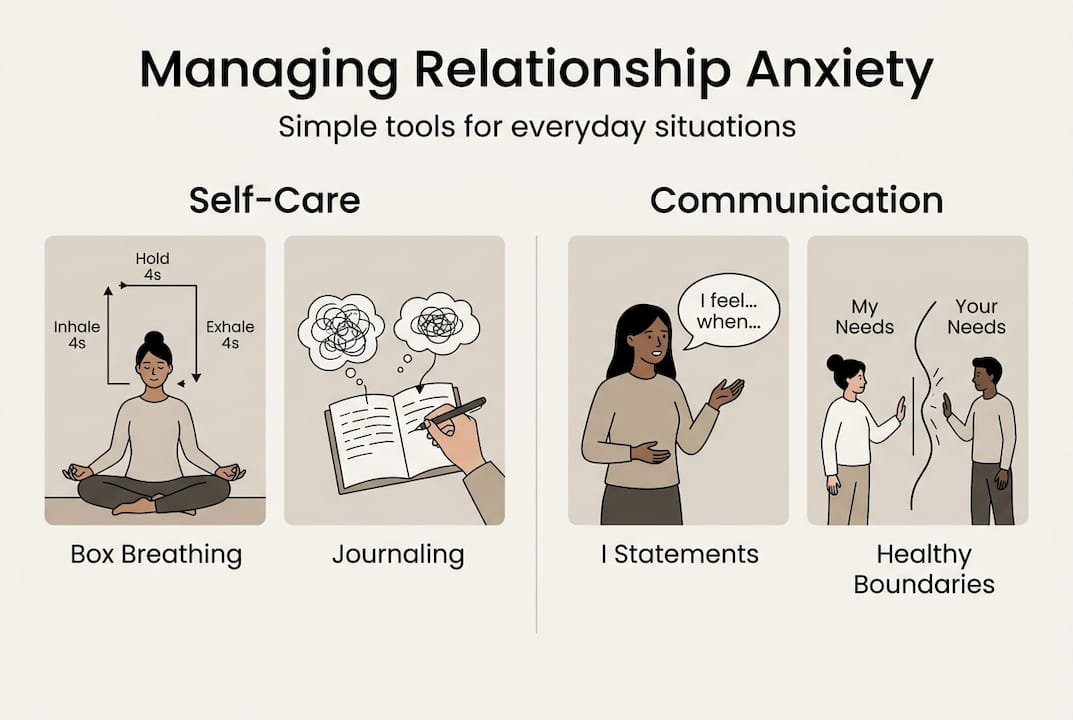
Pro Tip: Practice 'I' statements to express feelings clearly without blame, using the format "I feel [emotion] when [specific situation] because [impact on you]" to maintain connection during difficult conversations.
Setting healthy boundaries protects both partners from anxiety-driven behaviors. Establish limits around reassurance seeking by agreeing on reasonable frequency. Define personal space needs that allow individual recharging without triggering abandonment fears. Respect each other's emotional capacity by not demanding immediate resolution of every concern.
| Communication method | Anxiety reduction benefit | Implementation difficulty |
|---|---|---|
| "I" statements | Minimizes defensiveness and helps avoid blame-driven conversations | Low – easy to learn with a simple structure and regular practice |
| Active listening | Helps partners feel heard, validated, and emotionally safe | Medium – requires focus, patience, and intentional presence |
| Scheduled check-ins | Reduces uncertainty and prevents issues from building over time | Low – only requires consistency and mutual commitment |
These practical tools work best when both partners commit to using them consistently. Progress comes from repeated practice, not perfect execution. Each time you choose a healthy communication pattern over an anxiety-driven reaction, you strengthen new neural pathways that make future choices easier.
With these practical tools in hand, it's important to verify progress and adapt your approach for sustained anxiety management.
Verifying progress and sustaining anxiety management in relationships
Tracking improvements helps you recognize when strategies are working and when adjustments are needed. Signs of progress include longer periods between anxiety episodes, quicker recovery from triggers, and increased confidence in your relationship's stability. You might notice fewer arguments about the same recurring issues or greater comfort with temporary uncertainty. Regular evaluation of relationship health and emotional wellbeing supports sustained anxiety management.Monitor your triggers and responses systematically:
Keep a brief daily log noting anxiety levels and what preceded them
Review patterns monthly to identify which coping strategies reduce symptoms most effectively
Celebrate small wins like choosing healthy communication over anxious reactions
Adjust techniques that aren't producing results after consistent trial periods
Share observations with your partner to maintain collaborative progress
Comparing proactive versus reactive approaches reveals the value of consistent effort:
| Approach | Focus | Long-term outcome |
|---|---|---|
| Proactive | Consistent communication, preventative self-care, and ongoing skill-building | Lower anxiety over time and a more secure, resilient relationship |
| Reactive | Responding to conflicts after they arise with short-term fixes | Repeated anxiety cycles and increased strain on the relationship |
Seeking professional help becomes important when self-managed strategies plateau or anxiety intensifies despite your efforts. A therapist specializing in couples therapy can identify blind spots, teach advanced techniques, and provide objective perspective on relationship dynamics. Don't wait until crisis hits; early intervention prevents deeper damage and accelerates healing.
Sustaining anxiety management requires ongoing commitment to healthy habits:
Schedule regular relationship check-ins even when things feel stable
Maintain individual self-care practices that support nervous system regulation
Keep communication channels open about evolving needs and boundaries
Continue learning about anxiety and relationships through reading or workshops
Revisit and update your strategies as your relationship grows and changes
Progress isn't linear. You'll experience setbacks where old patterns resurface temporarily. These moments don't erase your growth; they're opportunities to practice self-compassion and recommit to healthy patterns. Each time you navigate a setback successfully, you build resilience that makes future challenges more manageable. The goal isn't eliminating anxiety completely but developing skills to manage it without letting it control your relationship.
As you maintain your relationship's growth through consistent verification, you can continue improving emotional support and anxiety resilience.
Supportive therapy options for managing anxiety in California
When self-managed strategies need professional reinforcement, specialized therapy provides targeted support for relationship anxiety. Online EMDR trauma therapy offers a modern, evidence-based approach that addresses the root causes of anxiety patterns, helping you process underlying experiences that fuel current relationship challenges. This method works particularly well for anxiety stemming from past relationship trauma or attachment wounds.
Alvarado Therapy's California-licensed therapists understand the unique pressures facing adults navigating anxiety in relationships. Through personalized consultations, you can explore which therapeutic approaches best fit your specific situation and relationship goals. The practice offers flexible online sessions throughout California, making professional support accessible regardless of your location or schedule.
For couples working through anxiety together, online couples therapy provides a collaborative space to develop healthier communication patterns and rebuild emotional connection. Working with a trauma-informed therapist helps both partners understand how anxiety affects your dynamic and learn practical skills to support each other's healing journey.
FAQ
How can I tell if my anxiety is affecting my relationship?
Symptoms include frequent misunderstandings where you interpret neutral actions negatively, avoiding important conversations due to fear of conflict, and feeling emotionally distant even when physically together. Increased reassurance seeking, irritability over small issues, and difficulty trusting your partner's words despite no evidence of dishonesty also indicate anxiety is impacting your connection.
What are effective communication techniques to reduce anxiety with my partner?
Using 'I' statements to express feelings clearly without blame helps your partner understand your experience rather than becoming defensive. Practicing active listening by reflecting back what you hear and validating your partner's emotions reduces tension and builds trust. Schedule regular check-ins to address concerns before they escalate into major conflicts.
When should I consider professional therapy for relationship anxiety?
If anxiety causes persistent conflict despite your best self-management efforts, or if emotional distress interferes with daily functioning and relationship satisfaction, therapy offers tailored support. Professional guidance becomes valuable when self-managed techniques don't bring lasting relief or when you need help identifying patterns you can't see clearly on your own.
Can relationship anxiety improve without professional help?
Many people successfully reduce relationship anxiety through self-awareness, communication skills, and consistent practice of coping strategies. However, anxiety rooted in past trauma or severe symptoms often benefits significantly from professional support to address underlying causes. Combining self-management with occasional therapy sessions provides comprehensive support for lasting change.
How long does it take to manage relationship anxiety effectively?
Timelines vary based on anxiety severity, relationship history, and consistency of practice, but most people notice initial improvements within weeks of implementing new strategies. Significant change typically develops over several months as new communication patterns become habitual. Ongoing maintenance remains important even after symptoms reduce, as relationship dynamics continuously evolve.
Recommended
