
Family Support Tips After Trauma: A Practical Guide
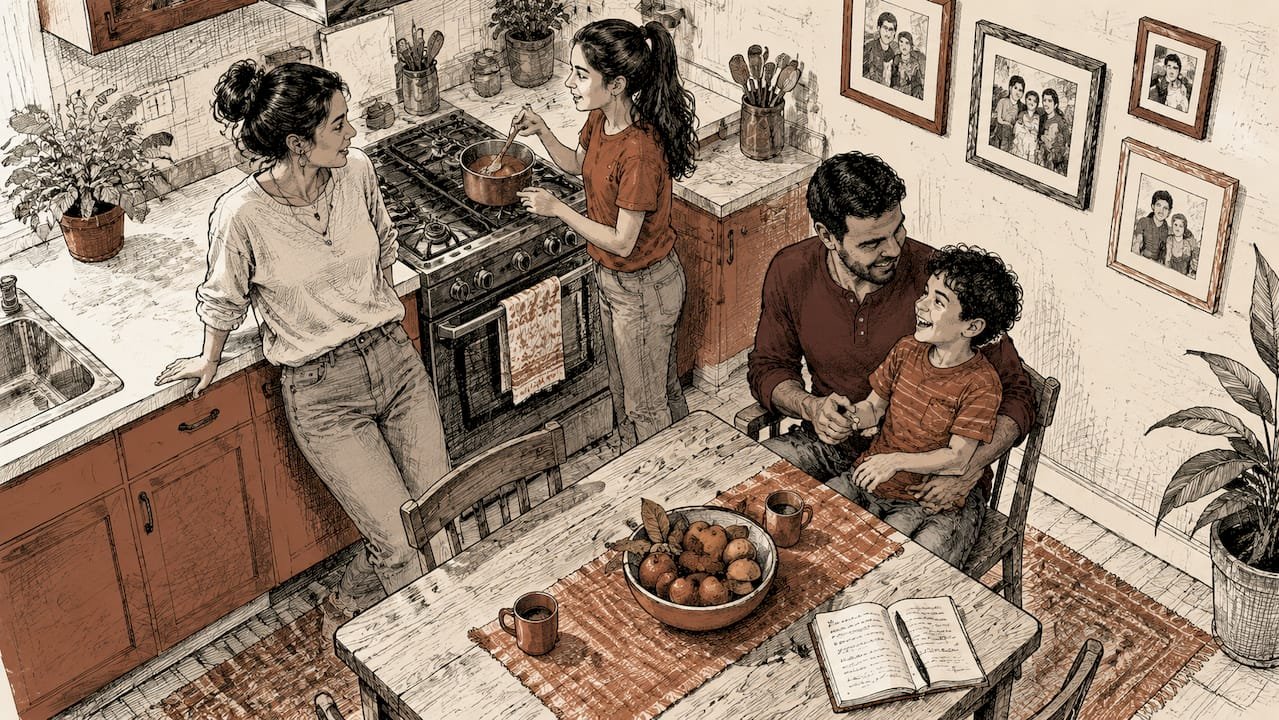
Practical strategies for supporting loved ones after trauma
The most effective family support after trauma combines concrete daily help with consistent emotional presence, without pressuring the survivor to talk or recover on any particular timeline. The U.S. Department of Veterans Affairs confirms that trauma impairs executive function, meaning tasks like scheduling appointments, cooking, or managing medications can feel genuinely overwhelming, not just difficult. Stepping in for those tasks is not coddling. It is clinically sound.
Here is where to start:
Help with chores, grocery runs, and meal preparation without waiting to be asked.
Offer to attend medical or therapy appointments as a note-taker and support person.
Say "I'm here whenever you want to talk" rather than "you need to open up."
Respect withdrawal. The National Center for PTSD is clear that pulling away is a symptom, not rejection.
Encourage contact with close friends and family to widen the support network.
Follow a practical trauma recovery checklist to stay organized in the early weeks.
Table of Contents
Post-trauma family activities that help regulate and reconnect
How Alvaradotherapy supports families through trauma recovery
How to recognize trauma signs and triggers in family members
How to help without taking over your loved one's recovery
Preserving autonomy is not a soft preference. VA caregiver guidance identifies it as essential to empowerment and long-term recovery. When families take over every decision, even with the best intentions, they can reinforce the survivor's sense of helplessness.
Ask before acting: "Would it help if I handled dinner tonight?" beats just doing it.
Offer two or three options rather than one directive. Small choices rebuild a sense of control.
Practice active listening. Repeat back what you heard before responding.
Resist the urge to fix or minimize. Mayo Clinic advises against saying "I know how you feel" or rushing toward solutions.
Let the survivor set the pace for conversations and shared activities.
Pro Tip: When your loved one seems stuck, offer one tiny choice, like which tea to make or which show to watch. It sounds minor, but repeated small decisions rebuild the neural pathways that trauma disrupts.
Post-trauma family activities that help regulate and reconnect
Trauma-informed family activities work because they regulate the nervous system without demanding verbal processing. The goal is shared experience at the survivor's comfort level, not forced fun.
Effective options include:
Mindful breathing together: A five-minute guided breathing session before bed costs nothing and signals safety.
Shared meals: Cooking together, even something simple, creates rhythm and normalcy.
Nature walks: Outdoor movement calms the nervous system and sidesteps the pressure of face-to-face conversation.
Creative outlets: Drawing, painting, or crafting gives feelings a channel that words sometimes cannot.
Family read-aloud: Taking turns reading a book chapter creates connection without any emotional demand.
Gratitude journals: Writing down one good thing daily shifts attention toward what is still intact.
Families who establish weekly rituals, like a Sunday meal or a short evening walk, report that the predictability itself becomes stabilizing. Consistency tells the nervous system that safety is real.
How modeling vulnerability helps your loved one heal
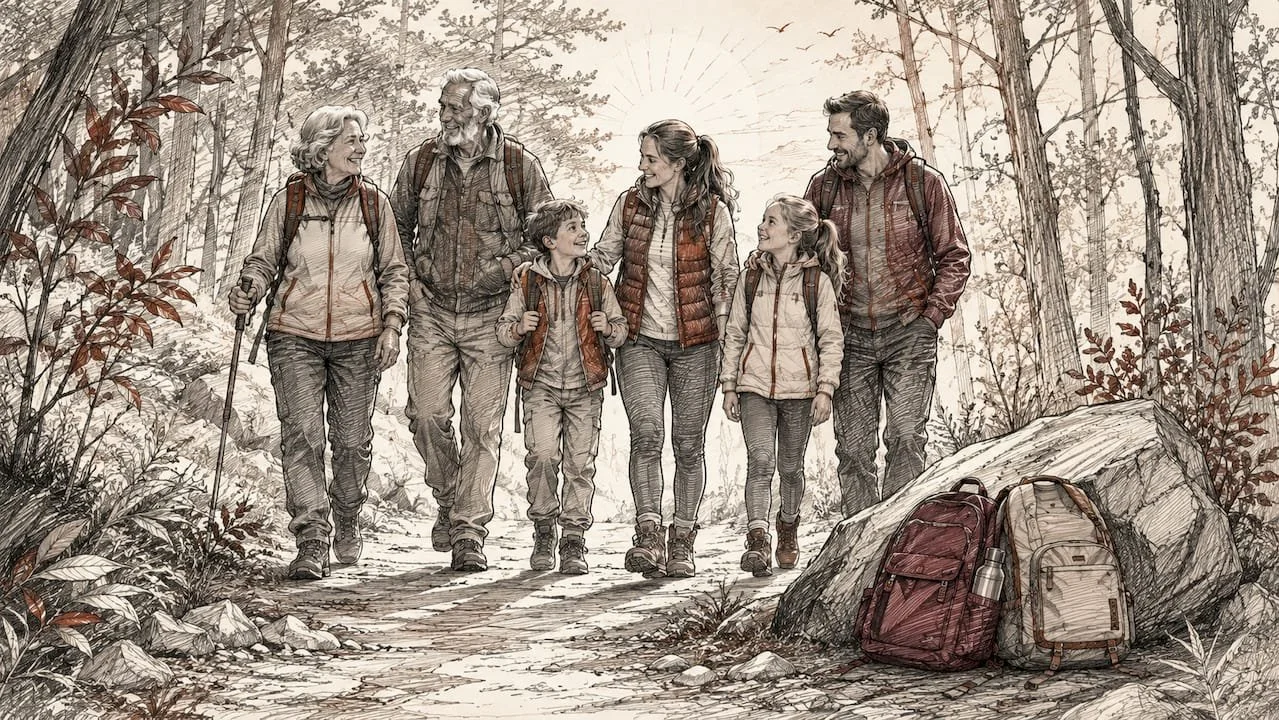
Showing your own emotions, carefully and proportionately, validates the survivor's experience in a way that reassurance alone cannot. Mayo Clinic notes that modeling vulnerability teaches that suffering does not mean brokenness. When a caregiver says "I felt scared too, and I'm still here," it normalizes intense emotions rather than pathologizing them.
Practical ways to do this:
Share a feeling briefly: "I've been worried, and I wanted you to know that."
Use "I" statements consistently. "I feel sad when we don't connect" lands differently than "you never talk to me."
Validate without comparing: "That sounds exhausting" beats "I went through something similar."
Acknowledge that individual reactions to trauma differ and that no one's response is wrong.
For deeper guidance on navigating these conversations, Alvaradotherapy's resource on relationship challenges after trauma covers the communication patterns that tend to rebuild trust over time.
How to build a crisis plan together before one is needed
The best time to create a crisis plan is when your loved one is calm and stable. Waiting until a flashback or panic attack is already happening leaves everyone scrambling. A plan built together gives the survivor agency and gives you a clear role.
Key steps:
Identify known triggers together: loud noises, certain smells, crowded spaces, specific dates.
Agree on a signal the survivor can use to indicate they need space or grounding support.
Decide in advance what helps during a flashback: slow breathing prompts, a specific phrase, physical grounding like holding an ice cube.
Write down what to do if the situation escalates, including when to call the 988 Suicide and Crisis Lifeline.
Schedule brief monthly check-ins to update the plan as recovery progresses.
The VA's family booklet on PTSD recommends talking through nightmares, flashbacks, and panic attacks ahead of time so neither person is caught off guard.
How Alvaradotherapy supports families through trauma recovery
Alvaradotherapy is a California-based, trauma-informed practice with licensed therapists in Pasadena, Ventura, and online throughout California. The clinical team specializes in EMDR therapy and complex trauma, individual counseling, couples therapy, and support for victims of crime through the VOCA program. Services are available in both English and Spanish, with a culturally responsive approach that recognizes how identity shapes the experience of trauma.
For families navigating recovery together, Alvaradotherapy offers couples therapy, downloadable worksheets, and a blog covering topics from therapy preparation to trauma-informed communication. The practice's EMDR Intensives are particularly suited to survivors who need concentrated support rather than weekly sessions spread over months.
How to recognize trauma signs and triggers in family members
Trauma does not always look like distress. Sometimes it looks like irritability, avoidance, or going quiet at family dinners. The Anxiety and Depression Association of America notes that common signs include withdrawing from friends and family, appearing hypervigilant in crowds, expressing guilt or self-blame, and avoiding specific places or activities.
Triggers are often sensory: a smell, a sound, a time of year. Learning them takes patient observation, not interrogation. Ask gently, "Are there situations that feel harder for you right now?" and listen without trying to fix the answer. A trauma assessment guide can help families understand what they are observing and why.
Why caregivers need their own support too
Supporting a trauma survivor is genuinely taxing work. The Institute for Veterans and Military Families identifies secondary trauma and compassion fatigue as real risks for caregivers who lack their own support network. You cannot pour from an empty cup, and burning out does not help anyone.
Concrete self-care practices that hold up under pressure:
Keep at least one activity in your week that belongs entirely to you.
Talk to a friend, support group, or therapist about what you are carrying.
Get regular sleep and exercise, even briefly. Both directly buffer stress.
Set honest limits on what you can offer, and communicate them clearly.
For families also navigating addiction alongside trauma, family-focused recovery strategies offer additional guidance on sustaining support without losing yourself in the process.
When to seek professional help for your family
If symptoms persist beyond a month and interfere with daily life, work, or relationships, that is the threshold the VA and Mayo Clinic both use to distinguish acute stress from PTSD requiring treatment. Do not wait for a crisis. Encourage your loved one to seek help early, offer to help research therapists, and consider whether couples or family therapy might support the relationship alongside individual treatment.
How different types of trauma affect families differently
Single-incident trauma, like an accident or assault, tends to produce acute symptoms that often improve with early support. Complex trauma, which involves repeated or prolonged exposure such as childhood abuse or domestic violence, reshapes how a person relates to safety, trust, and intimacy at a deeper level. Families supporting someone with complex trauma often need to recalibrate their expectations. Progress is slower, setbacks are more frequent, and the relational patterns that developed as survival strategies take longer to shift. Understanding the type of trauma involved helps families respond with the right kind of patience, not just more of it.
Key Takeaways
Effective family support after trauma balances practical daily help with consistent emotional presence while preserving the survivor’s autonomy and sense of control throughout recovery.
| Point | Details |
|---|---|
| Lead with practical help | Assist with chores, appointments, and meals because trauma impairs executive function. |
| Protect autonomy | Offer choices rather than directives; taking over reinforces helplessness. |
| Use low-pressure activities | Shared meals, nature walks, and breathing exercises regulate the nervous system without demanding verbal processing. |
| Build a crisis plan early | Identify triggers and agreed responses together while the survivor is calm and stable. |
| Caregivers need support too | Secondary trauma and compassion fatigue are real risks; maintain your own network and self-care. |
