
Mental health self-care tips for California adults 2026
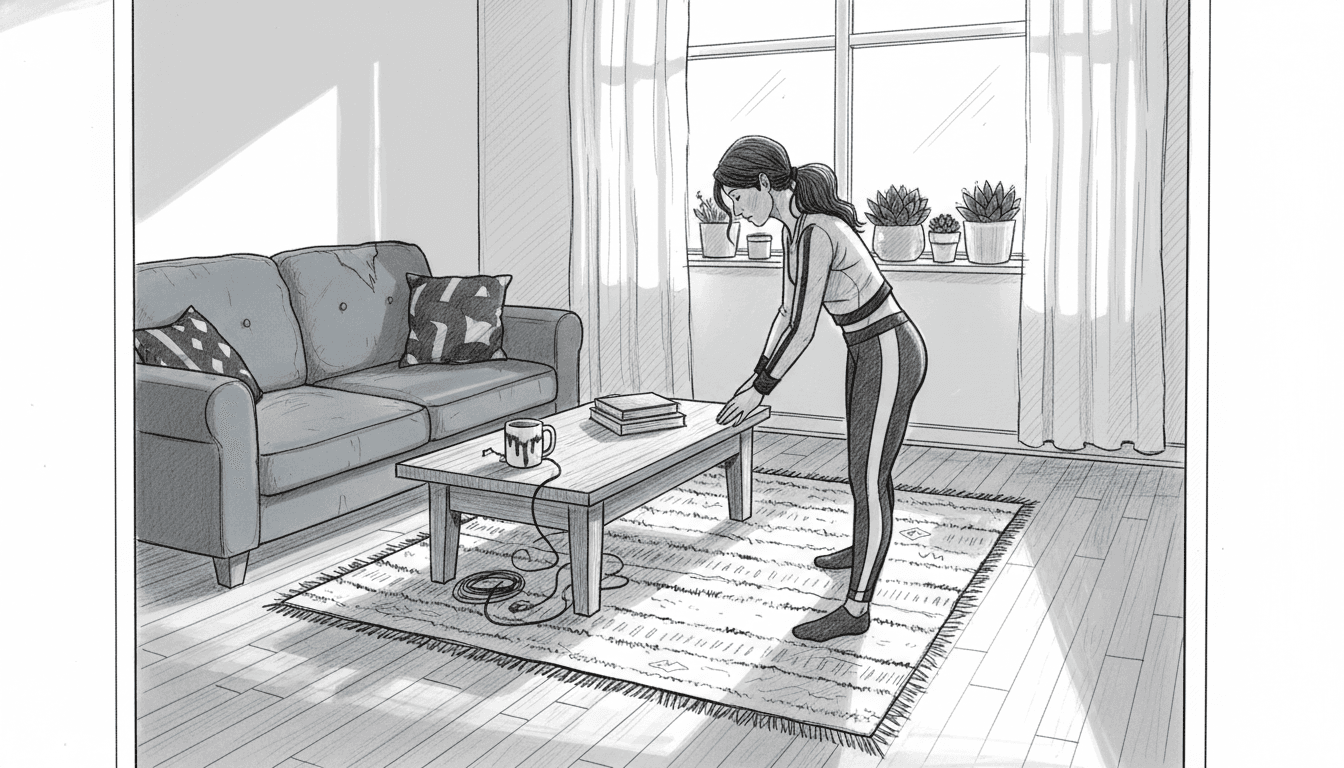
Finding effective mental health self-care strategies that truly fit your anxiety, grief, or trauma symptoms can feel overwhelming. Many adults struggle to identify personalized approaches that respect their cultural background and deliver measurable relief. This guide provides evidence-based self-care tips tailored for California adults, emphasizing practical techniques, cultural responsiveness, and integration with professional support to empower your healing journey.
Table of Contents
Key takeaways
| Point | Details |
|---|---|
| Personalization matters | Tailoring self-care to individual symptoms and cultural context improves outcomes by 35% and boosts engagement significantly. |
| Evidence-backed techniques work | Mindfulness reduces anxiety by 20-30%, while peer support improves grief adjustment by 30%. |
| Integration enhances results | Combining self-care with trauma-informed therapy like EMDR increases PTSD symptom reduction by 25%. |
| Accessibility drives success | Language options, ease of adoption, and cultural fit ensure sustained practice and better outcomes. |
Selection criteria for effective mental health self-care
Choosing the right self-care strategy requires understanding several critical factors that determine effectiveness and sustainability. Personalized approaches tailored to individual symptoms improve outcomes by 35% compared to generic methods. Cultural responsiveness, including language accessibility and identity-affirming practices, increases engagement by approximately 40% among diverse populations.
Symptom-specific suitability varies widely. Breathing techniques excel for acute anxiety, while peer support groups address grief and social isolation more effectively. Trauma survivors benefit most from methods that integrate with professional therapy like EMDR. Accessibility factors include delivery method, ease of learning, and whether practices require equipment or specific settings.
Consider these key selection criteria:
Match techniques to your primary symptoms (anxiety, grief, or trauma-related distress)
Evaluate cultural fit and language accessibility for sustained engagement
Assess ease of adoption and portability for realistic daily practice
Determine integration potential with existing therapy or professional support
Review evidence-based effectiveness rates for your specific mental health needs
Pro Tip: Start with one accessible technique and practice consistently for two weeks before adding another method, allowing you to accurately assess its impact on your symptoms.
Exploring practical anxiety coping tips provides additional context for selecting methods aligned with your unique mental health journey and daily lifestyle.
Mindfulness and meditation practices
Mindfulness meditation trains focused attention and present-moment awareness to regulate emotions and reduce anxiety symptoms. Research demonstrates that mindfulness reduces anxiety symptoms by 20-30% in adults practicing consistently over eight weeks. These practices work best for mild to moderate anxiety and trauma-related emotional dysregulation.
Common mindfulness techniques include guided meditation, body scans, and mindful breathing exercises. Each method cultivates awareness of thoughts and physical sensations without judgment, creating space between emotional triggers and reactive responses. You can practice independently using apps or online resources, making mindfulness highly accessible for California adults.
Key benefits of mindfulness practice:
Reduces physiological arousal and stress hormone levels
Improves emotional regulation and distress tolerance
Enhances self-awareness and recognition of anxiety patterns
Requires no equipment and adapts to any schedule or location
Integrates seamlessly with professional therapy for enhanced outcomes
Pro Tip: Begin with just five minutes daily using a guided meditation app in your preferred language, gradually increasing duration as the practice becomes comfortable and sustainable.
Many California adults find that mindfulness complements other practical anxiety coping tips, creating a comprehensive self-care toolkit for managing symptoms across different situations and intensity levels.
Breathing and grounding techniques
Deep breathing exercises activate the parasympathetic nervous system, counteracting the fight-or-flight response that fuels anxiety and trauma symptoms. These techniques provide immediate physiological relief by slowing heart rate, lowering blood pressure, and reducing muscle tension. Box breathing, diaphragmatic breathing, and 4-7-8 breathing patterns each offer rapid symptom control during acute distress.
Grounding techniques anchor attention to present sensations, interrupting intrusive thoughts and dissociation common in trauma responses. The 5-4-3-2-1 method guides you to identify five things you see, four you touch, three you hear, two you smell, and one you taste. This sensory focus redirects mental energy away from anxiety spirals and traumatic memories.
These methods excel for trauma survivors and sudden anxiety attacks because they require no equipment and work anywhere. You can practice discreetly during work meetings, in public spaces, or during nighttime awakening. The portability and simplicity make breathing and grounding ideal first-line strategies for acute symptom management.
Pro Tip: Practice your chosen breathing technique daily during calm moments to build muscle memory, ensuring you can access it automatically when anxiety or trauma symptoms spike unexpectedly.
California adults seeking additional immediate relief strategies can explore anxiety coping tips for California adults for complementary approaches that address diverse symptom presentations.
Social connection and peer support
Social connection serves as a protective factor against mental health decline, while isolation worsens symptoms by up to 40% according to longitudinal studies. Peer support groups create safe spaces for shared experiences, validation, and mutual encouragement. Research shows that peer support improves grief outcomes by 30% compared to individual coping alone.
Support networks reduce loneliness and normalize emotional responses to loss and trauma. Participants gain practical coping strategies from others who understand their struggles firsthand. Culturally specific groups provide additional benefits by addressing identity, language, and community values that shape healing processes.
Effective social support strategies include:
Joining local or online peer support groups focused on your specific symptoms
Connecting with culturally responsive communities that honor your identity
Scheduling regular check-ins with trusted friends or family members
Participating in structured group activities that foster belonging
Seeking bilingual support options if you prefer communication in Spanish
California offers diverse peer support resources through community centers, faith organizations, and online platforms. Many groups meet virtually, increasing accessibility for adults across the state regardless of transportation or geographic barriers.
Adults navigating grief can find additional guidance through grief support tips for Californians, which explores specialized strategies for processing loss within supportive community contexts.
Integrating self-care with professional therapy
Combining self-care practices with trauma-informed therapy produces superior outcomes compared to either approach alone. Studies indicate that EMDR plus self-care increases PTSD symptom reduction by 25% beyond therapy-only protocols. Self-care supports emotional regulation between sessions, maintaining progress and preventing symptom escalation.
Integrated approaches work synergistically. Mindfulness practice enhances readiness for EMDR processing by improving distress tolerance. Grounding techniques provide safety tools when traumatic memories surface during therapy. Physical activity supports the neurobiological changes that therapy initiates, consolidating healing at cellular levels.
Effective integration strategies:
Communicate your self-care practices to your therapist for coordinated planning
Use grounding techniques before and after therapy sessions to manage activation
Practice mindfulness daily to strengthen emotional regulation skills therapy builds
Track symptom changes to evaluate which self-care methods amplify therapy gains
Adjust self-care intensity during intensive therapy phases versus maintenance periods
Self-care is a vital adjunct that prepares your mind and body for therapy work, but it cannot replace professional treatment for moderate to severe trauma, anxiety, or grief symptoms.
California adults exploring trauma therapy can review the EMDR therapy guide for trauma recovery and learn how to prepare for EMDR therapy for optimal integration. Understanding examples of EMDR techniques for trauma healing clarifies how self-care complements professional interventions.
Summary comparison of mental health self-care tips
| Self-Care Method | Primary Symptom Target | Effectiveness Rate | Cultural Adaptation | Accessibility | Integration Potential |
|---|---|---|---|---|---|
| Mindfulness meditation | Mild to moderate anxiety, emotional dysregulation | 20-30% symptom reduction over 8 weeks | High; available in multiple languages and cultural frameworks | High; requires no equipment, flexible timing | Excellent with all therapy types |
| Breathing exercises | Acute anxiety, panic symptoms | Immediate physiological relief | Universal; easily adapted to any cultural context | Very high; portable, discreet, no cost | Strong with trauma-focused therapy |
| Grounding techniques | Trauma flashbacks, dissociation, acute distress | Immediate symptom interruption | Moderate; sensory focus adapts across cultures | Very high; no equipment, any setting | Essential for EMDR and trauma therapy |
| Peer support groups | Grief, social isolation, shared trauma experiences | 30% improvement in grief adjustment | Variable; seek culturally specific groups | Moderate; requires group access, time commitment | Moderate; complements individual therapy |
| Integrated self-care plus EMDR | PTSD, complex trauma | 25% additional symptom reduction beyond therapy alone | High; when therapist matches cultural background | Moderate; requires professional therapy access | Maximum; designed for synergy |
This comparison reveals that breathing and grounding techniques offer the highest immediate accessibility, while integrated approaches with professional therapy deliver the strongest long-term outcomes for trauma. Peer support uniquely addresses grief and isolation, filling gaps that individual techniques cannot resolve.
Situational recommendations: choosing self-care for your mental health journey
Selecting optimal self-care requires matching techniques to your current symptoms, lifestyle constraints, and cultural preferences. Use these situational guidelines to build a personalized mental health toolkit that evolves with your healing journey.
For sudden anxiety attacks or panic symptoms, prioritize breathing exercises and grounding techniques that provide immediate nervous system regulation without requiring preparation or equipment.
When processing grief or feeling isolated, seek peer support groups that offer validation and shared understanding, particularly culturally specific communities if you identify with ethnic minority or immigrant experiences.
If managing trauma symptoms or PTSD, integrate self-care practices with professional EMDR therapy to maximize symptom reduction and maintain progress between sessions.
For bilingual California adults or those preferring Spanish communication, actively seek culturally responsive resources that honor your language and identity, as engagement rates increase 40% with cultural fit.
During high-stress periods or symptom escalation, simplify your self-care routine to the most portable and accessible techniques, preventing abandonment of practices when you need them most.
Pro Tip: Reassess your self-care toolkit every three months, noting which techniques reduce symptoms most effectively and which feel burdensome, then adjust your routine to maintain sustainable practices.
California adults can explore practical anxiety tips, grief support tips, and the EMDR therapy guide for symptom-specific strategies that complement these situational recommendations.
Explore professional support to complement your self-care
While self-care practices provide essential daily symptom management, professional therapy amplifies your healing capacity for moderate to severe anxiety, grief, and trauma. Alvarado Therapy offers specialized online EMDR trauma therapy throughout California, combining evidence-based treatment with culturally responsive care in English and Spanish.
Our trauma-informed therapists help you integrate self-care with professional interventions, personalizing your mental health journey for maximum effectiveness. Whether you're addressing PTSD and complex trauma or seeking guidance to optimize your current practices, therapy consultations provide expert support tailored to your unique symptoms and cultural background. Let's build a comprehensive approach that empowers your healing.
FAQ
What are the best self-care tips for managing acute anxiety symptoms?
Breathing exercises and grounding techniques provide immediate relief for acute anxiety by regulating your nervous system and interrupting the fight-or-flight response. You can practice these methods anywhere without equipment, making them ideal for sudden symptom spikes during work, social situations, or nighttime awakening.
How can social support improve grief recovery?
Peer support groups reduce isolation and provide validation from others who understand your loss firsthand. Research shows such connections improve grief adjustment by approximately 30%, offering shared coping strategies and normalizing emotional responses that individual processing cannot fully address.
Why is integrating self-care with professional therapy important for trauma?
Self-care practices enhance emotional regulation and prepare your mind for trauma processing during therapy sessions. Combined approaches reduce PTSD symptoms 25% more than therapy alone, as daily self-care maintains progress between sessions and prevents symptom escalation.
How can I find culturally responsive self-care resources in California?
Seek bilingual programs and culturally specific support groups through community centers, faith organizations, and online platforms serving California's diverse populations. Alvarado Therapy provides culturally responsive mental health resources that honor identity and language preferences, increasing engagement and supporting identity-affirming care throughout your healing journey.
