
Trauma Bonding: How Abuse Creates Emotional Chains
Emotional ties that feel impossible to break can leave you questioning your worth and reality, especially when cycles of kindness and cruel behavior bring confusion instead of clarity. For many California adults with childhood trauma or PTSD, these overwhelming patterns are signs of trauma bonding, where connection is forged not by love, but through repeated, unpredictable cycles of harm and intermittent comfort. Understanding how trauma bonds form is a powerful step toward better relationships and lasting healing through therapies like EMDR.
Table of Contents
Key Takeaways
| Point | Details |
|---|---|
| Understanding Trauma Bonding | Trauma bonding creates emotional attachments through cycles of abuse, which lead to dependency and confusion rather than healthy love. |
| Recognizing the Cycle | The cycle of tension building, the abusive incident, reconciliation, and calm highlights the pattern that victims often experience. |
| Importance of Professional Support | Seeking help from a trauma-informed therapist is essential for healing and breaking the trauma bond effectively. |
| Building a Support Network | Connecting with safe individuals is crucial for recovery; isolation can reinforce feelings of guilt and dependency. |
What Trauma Bonding Really Means
Trauma bonding is not love or genuine connection. It's a psychological trap created when an abuser alternates between harm and false affection, leaving the victim emotionally entangled and unable to leave.
At its core, trauma bonding involves emotional bonds forming through cycles of abuse characterized by power imbalances and intermittent reinforcement of reward and punishment. This pattern creates conflicting emotions that undermine your sense of self and autonomy.
Unlike healthy attachment, trauma bonding develops through repeated exposure to a specific cycle:
Tension building: Conflict escalates; you feel hypervigilant and anxious
The incident: Abuse occurs; emotional, physical, or psychological harm happens
Reconciliation: The abuser apologizes profusely, showers you with attention, promises change
Calm period: Brief peace before tension starts building again
This cycle feels like emotional whiplash. The reconciliation phase is crucial—it releases stress chemicals in your brain, creating a sense of relief and temporary safety.
The brain bonds to whoever provides intermittent moments of comfort amid ongoing harm, not necessarily to safe, consistent care.
You cling to those brief periods of peace because they feel like survival. Your nervous system becomes conditioned to associate the abuser with both danger and relief, creating a confused emotional attachment that feels impossible to break.
The cyclical nature of traumatic bondingmeans victims develop strong dependency and loyalty to their abusers. This is not weakness. It's your brain's adaptation to an unsafe environment.
What makes trauma bonding insidious is that it creates loyalty confusion. You defend the abuser, minimize their harm, make excuses for them, or feel responsible for changing them. The bond strengthens because you've invested emotional energy into the relationship; leaving feels like losing part of yourself.
For Californians healing from childhood trauma or PTSD, understanding this mechanism is critical. Trauma bonding doesn't just affect romantic relationships. It appears in parent-child dynamics, workplace abuse, cult situations, and anywhere power imbalance meets intermittent reward cycles.
Recognizing the pattern is your first step toward freedom. You're not stuck because you're broken. You're bound because your nervous system learned to survive in an unsafe system.
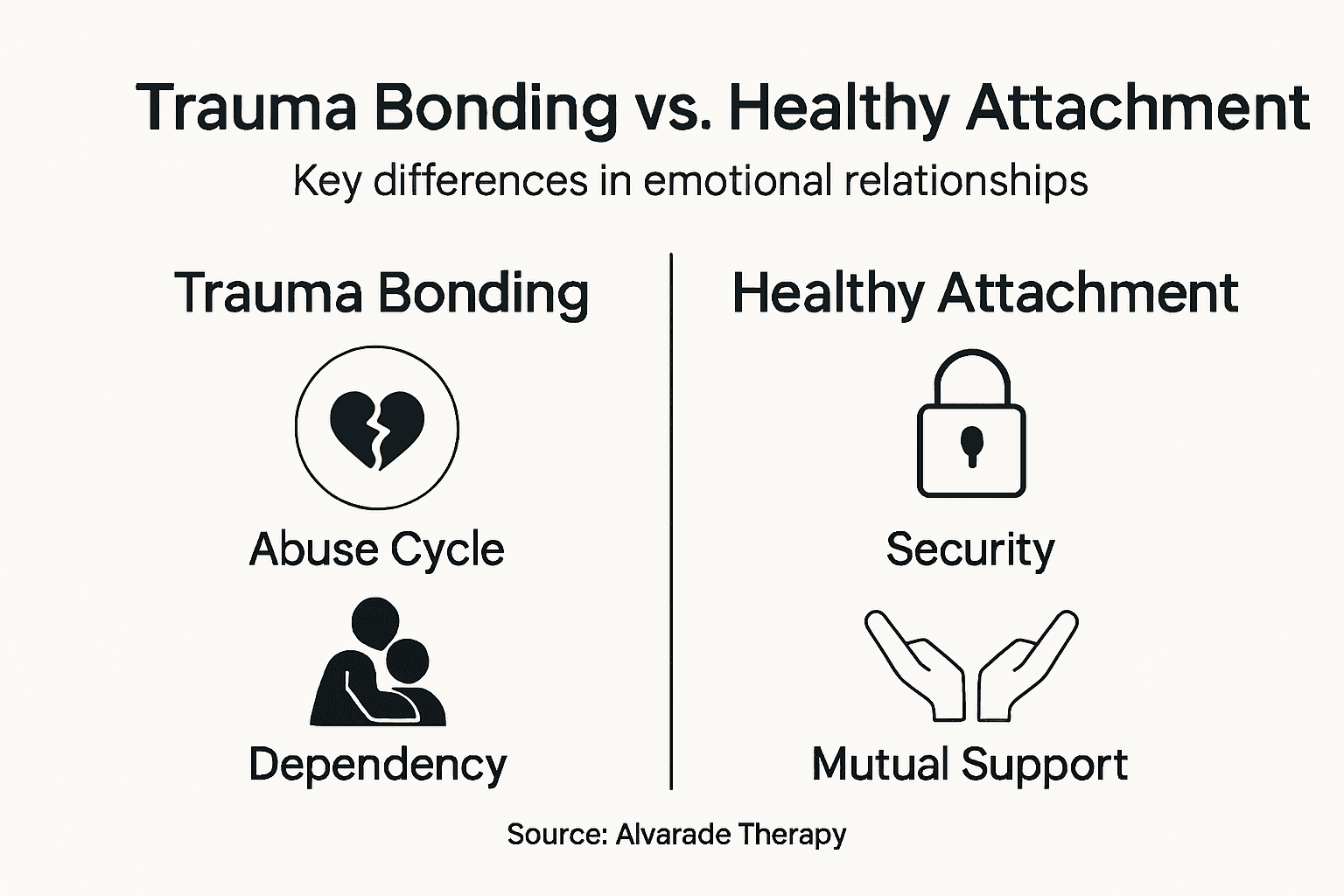
Here's how trauma bonding differs from healthy attachment:
| Aspect | Trauma Bonding | Healthy Attachment |
|---|---|---|
| Foundation | Power imbalance, cycles of abuse | Mutual respect and trust |
| Emotional Impact | Confusion, anxiety, dependency | Stability, safety, confidence |
| Response to Conflict | Fear, self-blame, excuse-making | Open dialogue, problem-solving |
| Leaving Difficulty | Feels impossible, survival fear | Possible when needed, sadness |
| Main Reinforcement | Intermittent affection and harm | Consistent care and support |
Pro tip: When you notice yourself making excuses for someone's harmful behavior or feeling desperate for their approval, pause and ask: "Does this person consistently show me safety, or do I feel relief mainly when they stop hurting me?" That distinction reveals whether you're experiencing genuine connection or trauma bonding.
Common Patterns and Causes of Trauma Bonds
Trauma bonds don't happen randomly. They develop through specific, predictable patterns that exploit your brain's survival mechanisms and attachment needs.
The foundation of trauma bonding often begins in childhood. Prolonged exposure to traumatic experiences such as abuse, neglect, or family conflict impairs your attachment development from the start. If your early caregivers were unpredictable—sometimes nurturing, sometimes harmful—your nervous system learned to cling to any moment of safety.
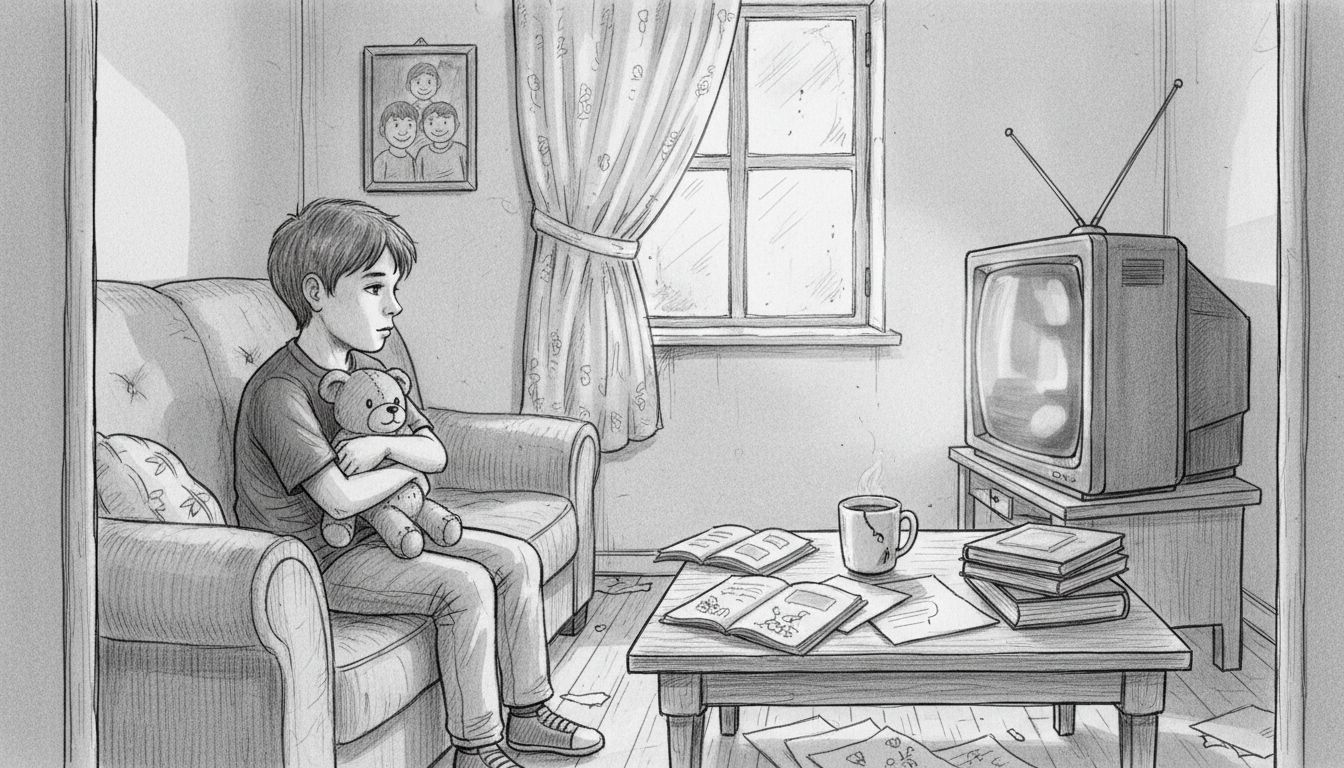
This early disruption shapes how you bond in adult relationships. You become primed to accept cycles of harm followed by brief relief because that's the attachment pattern your brain knows.
Trauma bonds form through distinct, repeating cycles:
Physical, emotional, sexual, or financial abuse creates immediate harm and fear
Intermittent periods of remorse or affection follow the abuse, offering temporary relief
Manipulation and control distort your perception of what's normal
Isolation and dependency reinforce reliance on the abuser
The power imbalance is critical. Your abuser maintains control by keeping you emotionally unbalanced—never knowing which version of them you'll encounter.
Trauma bonds strengthen when abuse is unpredictable; you crave consistency so desperately that you accept crumbs of kindness as proof of love.
Prolonged trauma and attachment disruptioncreate lasting emotional and behavioral effects that impact your ability to form healthy relationships. You develop patterns like rationalizing abuse, craving relationship drama, or experiencing addictive emotional cycles that keep you bound despite ongoing harm.
What makes these patterns insidious is that they feel normal to you. If your childhood involved chaos followed by reconciliation, adult trauma bonding feels familiar—even comfortable in its familiarity.
California residents healing from childhood trauma often recognize these patterns only after they've trapped them in multiple relationships. The cycle repeats because you're unconsciously seeking the attachment style you learned to survive.
Understanding these causes isn't about blame. It's about recognizing that your nervous system adapted intelligently to an unsafe environment. Now you can retrain it.
Pro tip: Track patterns in your relationships: When do you feel most attached to someone? After conflict or during calm periods? If you notice bonding intensifies after harm followed by apologies, you're likely experiencing trauma bonding, not love—and that's the signal to seek support from a trauma-informed therapist.
Signs and Stages of Trauma Bonding
Trauma bonding doesn't announce itself with obvious warning signs. Instead, it creeps in gradually through predictable stages that feel normal while they're happening.
The stages mirror the abuse cycle itself. Understanding each phase helps you recognize when you're caught in the pattern rather than experiencing genuine love.
The Four Stages
Stage 1: Tension Building
Conflict escalates slowly. You walk on eggshells, trying to prevent the next incident. Your body stays in fight-or-flight mode—hypervigilant, anxious, exhausted.
Stage 2: The Abusive Incident
Harm occurs. Physical, emotional, sexual, or financial abuse happens. Fear spikes. You may freeze, comply, or resist.
Stage 3: Reconciliation
The abuser shows remorse, apologizes profusely, or showers you with unexpected kindness. This phase is when bonding intensifies most powerfully. Your nervous system experiences relief so acute that you cling to it.
Stage 4: Calm
Brief peace follows. Everything feels safe again—until tension rebuilds and the cycle repeats.
Key warning signs emerge throughout these stages:
Making excuses for the abuser's harmful behavior
Keeping secrets about what happens behind closed doors
Self-blame due to gaslighting (you believe you caused the abuse)
Fear of leaving that feels paralyzing and irrational
Defending the abuser to friends, family, or yourself
Feeling stuck despite recognizing harm
When you catch yourself explaining why the abuse wasn't really abuse, you're experiencing trauma bonding, not love.
The cyclical nature of escalating tension and abusecreates confusion and guilt that overrides your ability to leave. The repetitive pattern becomes your normal, making escape feel impossible without external support.
California adults with childhood trauma often recognize these signs only after years in the relationship. By then, guilt and confusion have reinforced the bond so thoroughly that leaving feels like betrayal.
What makes these stages dangerous is that they're designed—intentionally or through learned behavior—to keep you bonded. Each cycle strengthens your attachment while weakening your sense of self.
Pro tip: Write down three recent incidents in your relationship, noting what happened, how you felt afterward, and whether you found yourself defending the person or blaming yourself. If the pattern matches tension-incident-reconciliation-calm, you're likely experiencing trauma bonding and should connect with a trauma-informed therapist who can help you break free safely.
Why Trauma Bonds Are Hard to Break
Breaking a trauma bond feels impossible because your brain is literally fighting against you. This isn't weakness or lack of willpower—it's neurobiology.
Your attachment system evolved for survival. Your brain prioritizes bonding to caregivers above almost everything else, even when those caregivers cause harm. If your first attachment figure was unpredictable or abusive, your nervous system learned that survival depends on staying close to danger.
This early wiring makes you vulnerable to recreating trauma bonds throughout your life, even when you consciously recognize the harm.
Biology reinforces the trap. The brain releases hormones like oxytocin during moments of reconciliation and intimacy, reinforcing attachment despite ongoing abuse. Oxytocin creates bonding feelings that feel like love—because neurologically, they activate the same pathways.
This makes leaving biochemically difficult, not just emotionally.
Psychology compounds the problem:
Cognitive dissonance: Your mind cannot reconcile loving someone with them harming you, so you rationalize the abuse as acceptable
Intermittent reinforcement: Unpredictable kindness mixed with harm creates stronger bonding than consistent care ever could
Responsibility and guilt: You feel responsible for the abuser's wellbeing and guilty for wanting to leave
Sympathy and love: Genuine positive feelings exist alongside the harm, creating impossible emotional confusion
You cannot think your way out of a bond created by survival instinct and repeated neurological reinforcement.
Victims also become emotionally and materially dependent on their abusers. You may lack financial independence, social connections outside the relationship, or housing security. Leaving feels impossible not just emotionally, but practically.
For California adults with childhood trauma, this dependency often mirrors what you experienced growing up. You're recreating familiar patterns at a nervous system level.
What makes breaking trauma bonds so challenging is that recovery requires rewiring your attachment system—not just leaving the relationship. You need support to help your nervous system learn that safety can exist without chaos.
Leaving alone rarely works. The bond pulls you back because your brain experiences leaving as a survival threat.
Pro tip: Don't attempt to break a trauma bond through willpower alone. Before leaving, build a safety plan with a trauma-informed therapist who understands both your attachment history and your current situation—they can help you rewire your nervous system while you rebuild independence.
Strategies for Healing and Seeking Support
Healing from trauma bonding is possible, but it requires intentional action and professional support. You cannot think your way out alone—your nervous system needs help relearning safety.
The foundation of recovery is professional therapy. Evidence-based therapies like cognitive-behavioral approaches target trauma symptoms directly and improve your functioning. For trauma bonding specifically, EMDR therapy helps your brain process the traumatic experiences that created the bond in the first place.
Therapy gives you tools to rewire your attachment system with professional guidance.
Build Your Support Network
You cannot heal in isolation. Maintaining relationships with supportive people is critical for recovery. These are people who:
Validate your experience without judgment
Support your decisions without pressure
Respect your timeline for healing
Don't minimize what happened to you
Many trauma survivors isolate because it feels safer. But isolation reinforces the trauma bond. Connection to safe people helps your nervous system learn that relationships can be trustworthy.
Practice Grounding and Self-Care
While therapy addresses the root cause, daily practices stabilize your nervous system. These include:
Exercise: Moving your body releases stress hormones and builds confidence
Sleep hygiene: Consistent sleep helps your brain process trauma
Mindfulness: Grounding practices keep you present instead of reliving the past
Creative expression: Art, writing, or music help process emotions safely
Healing happens in the space between professional support and daily practices that remind your body it's safe.
Practices like mindfulness and expressive activities foster resilience alongside therapy. They give your nervous system direct evidence that safety exists outside the trauma bond.
For California residents with PTSD or childhood trauma, this combination approach works best. Therapy addresses the attachment wounds while daily practices rebuild your sense of agency and safety.
Healing isn't linear. You'll have setbacks. That's normal. The trauma bond formed over months or years—rewiring it takes time. Patience with yourself is essential.
A quick look at approaches for healing trauma bonds:
| Healing Strategy | Primary Benefit | Best Practice |
|---|---|---|
| Professional Therapy | Rewires attachment patterns | Regular sessions, EMDR |
| Support Network | Reduces isolation and guilt | Connect with safe people |
| Grounding Techniques | Calms stress responses | Mindfulness, daily practice |
| Creative Expression | Processes emotions safely | Art, writing, or music |
| Sleep & Exercise | Strengthens resilience | Routine, healthy habits |
Pro tip: Start with one concrete action this week: either schedule a consultation with a trauma-informed therapist or identify one safe person you can confide in about your experience. Healing begins with that first step toward support, not with waiting to feel ready.
Break Free From Trauma Bonds With Compassionate Support
Trauma bonding creates powerful emotional chains fueled by cycles of abuse and false affection that leave you feeling stuck in loyalty and confusion. If you find yourself making excuses for harm or trapped between fear and brief relief, you are not alone. Healing begins with understanding your nervous system’s survival adaptations and receiving trauma-informed care that rewires these deep attachment wounds. At Alvarado Therapy, our licensed clinicians in Pasadena CA (in person) and Ventura CA (in person) specialize in EMDR therapy and trauma-sensitive counseling to guide you safely through recovery.
Take the courageous first step to reclaim your autonomy and build healthy connections. Visit Alvarado Therapy today to explore tailored services designed to support California residents healing from complex trauma, PTSD, and childhood abuse. Your journey toward empowerment, clarity, and lasting freedom starts with expert care that recognizes the challenges of trauma bonding and supports your unique path forward.
Frequently Asked Questions
What is trauma bonding?
Trauma bonding is a psychological attachment that develops between an abuser and their victim, characterized by cycles of abuse and intermittent reinforcement of affection. It creates strong emotional ties even in unhealthy relationships.
How does trauma bonding differ from healthy attachment?
Trauma bonding is based on power imbalances and cycles of abuse, leading to confusion and dependency. In contrast, healthy attachment is built on mutual respect, stability, and open communication, allowing individuals to feel safe and confident in their relationships.
What are the signs of trauma bonding?
Signs of trauma bonding include making excuses for the abuser’s harmful behavior, feeling trapped or paralyzed about leaving, self-blame, and defending the abuser to others. These signs often emerge from the repetitive cycle of tension, incident, reconciliation, and calm.
Why is it difficult to break a trauma bond?
Breaking a trauma bond is challenging because it involves deep-rooted emotional and biological factors. The brain releases hormones that reinforce attachment during moments of reconciliation, making it hard for victims to leave despite recognizing the harm.
