
Why Trauma Therapy Is Essential for Healing Lives

Waking up each day with your mind and body on edge is more than just a bad habit forming from old memories. For bilingual Californians dealing with complex PTSD or childhood trauma, these patterns reflect how trauma actually rewires your brain and nervous system, often leaving you feeling disconnected and less safe in your relationships. By understanding how trauma physically changes the brain, you can discover new paths to healing through trauma-informed EMDR therapy that respects both your cultural identity and lived experiences.
Table of Contents
Key Takeaways
| Point | Details |
|---|---|
| Trauma Alters Mind and Body | Trauma impacts brain function and physical health, causing hypervigilance and emotional dysregulation. |
| Types of Trauma Matter | Understanding whether trauma is acute, chronic, or complex helps in tailoring the therapeutic approach for effective healing. |
| Therapy is Critical | Engaging in trauma-informed therapy can significantly reduce PTSD symptoms and improve emotional regulation, sleep, and relationships. |
| Barriers to Care Exist | Stigma, systemic barriers, and fear of re-traumatization can prevent individuals from seeking necessary treatment for trauma. |
How Trauma Impacts the Mind and Body
Trauma doesn't stay locked in your memories—it rewires how your brain and body function. When you've experienced significant trauma, your nervous system enters a state of constant alert, treating safe situations as threats. This shift affects everything from sleep and digestion to how you interpret other people's expressions.
Your brain's response to trauma is biological, not a character flaw. Trauma physically changes the brain by altering the networks responsible for learning, detecting danger, and processing emotions. The brain's salience network becomes hyperactive, making you hypersensitive to potential threats in your environment.
The Stress Response System Under Siege
Imagine your nervous system as a security system. In healthy functioning, it responds to real danger and then settles back to baseline. With unprocessed trauma, that system gets stuck on high alert.
Trauma alters stress response mechanisms, creating three primary problems:
Hypervigilance: You scan constantly for threats, even in safe spaces like your home or during family dinners.
Emotional dysregulation: Your emotions spike unpredictably—a small trigger floods you with anger or despair.
Numbness or dissociation: Sometimes the opposite happens; you feel emotionally distant from people and experiences around you.
These responses made sense when you were in actual danger. They protected you. Now they exhaust you.
Physical Manifestations You Feel Every Day
Your body speaks your trauma's language. Many people experiencing complex PTSD or childhood trauma report chronic pain, tension headaches, digestive issues, and sleep disruption that doctors can't fully explain through standard medical testing.
Common physical symptoms include:
Chest tightness or shallow breathing patterns
Muscle tension, especially in the shoulders and jaw
Chronic fatigue that rest doesn't resolve
Stomach problems including nausea, constipation, or IBS-like symptoms
Elevated heart rate or sudden panic symptoms
These aren't imaginary. Your traumatized nervous system activates your fight-or-flight response repeatedly, flooding your body with cortisol and adrenaline. Over months and years, this chronic stress state damages your physical health.
Unaddressed trauma increases your risk for anxiety disorders, depression, substance use, and physical health problems like heart disease and autoimmune conditions.
The Relationship Between Childhood Experiences and Adult Patterns
If your trauma occurred in childhood, its impact extends into your adult relationships, work performance, and how you parent your own children. Childhood trauma shapes how adults form relationships and manage stress, often creating patterns of hypervigilance in partnerships or difficulty trusting others.
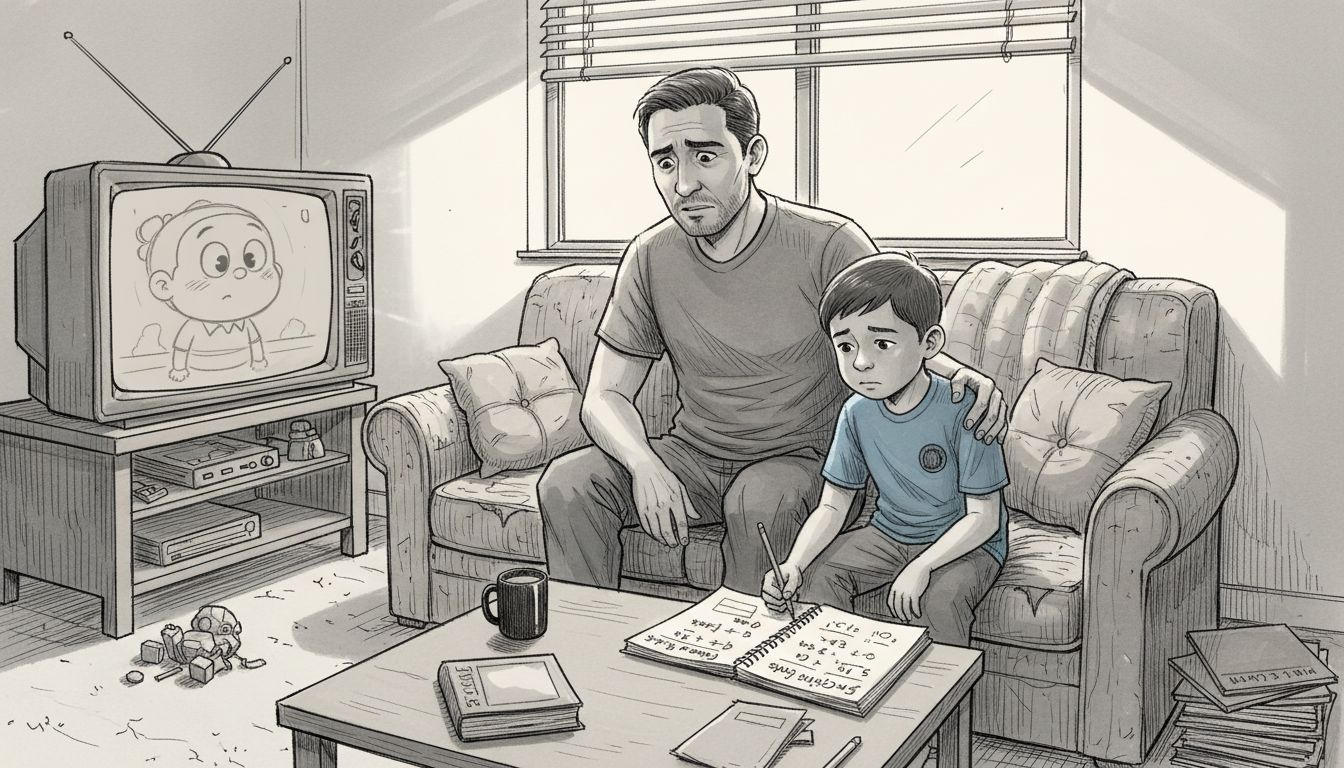
You might notice you choose partners who are emotionally unavailable, repeat patterns of abandonment, or struggle to believe people when they say they care about you. These aren't personal failures—they're survival strategies your younger self learned when safety felt unpredictable.
Why Bilingual and Bicultural Identity Adds Complexity
As a bilingual Californian, you navigate additional layers. Trauma experienced in one language sometimes feels different or more distant when expressed in another language. Some people find their trauma feels "less real" in English if it occurred in Spanish, or vice versa.
This linguistic splitting can delay healing. Effective trauma therapy addresses the complete experience, not just the story in one language.
Pro tip: When seeking trauma therapy, explicitly tell your therapist that you're bilingual and ask if they can address trauma across both languages, especially if your trauma occurred before you became fully bilingual.
Trauma Types: Acute, Chronic, and Complex
Not all trauma affects you the same way. The type matters because it shapes how your nervous system responds, how long symptoms persist, and what kind of healing you actually need. Understanding which category your experience falls into helps you recognize why certain triggers hit harder and why standard anxiety treatment might not be working.
Trauma is categorized into three distinct types based on duration and context. Each one requires different therapeutic approaches, and some create deeper wounds than others.
To clarify the differences between trauma types and their impacts, see the table below:
| Trauma Type | Typical Causes | Impact on Mind/Body | Healing Timeline |
|---|---|---|---|
| Acute | Single, sudden traumatic event | Short-term shock, intense stress | Weeks to months |
| Chronic | Ongoing or repeated threats | Persistent vigilance, exhaustion | Months to years |
| Complex | Repeated interpersonal trauma | Identity challenges, relationship issues | Long-term, specialized |
Acute Trauma: The Single, Sudden Event
Acute trauma stems from a single traumatic event like a car accident, sudden loss, natural disaster, or violent assault. Your nervous system experiences one intense shock, and then the threat ends.
With acute trauma, your symptoms typically emerge quickly after the event. You might experience nightmares, flashbacks, or avoidance of reminders for weeks or months. The good news: many people recover within weeks to months with proper support, especially if they process the experience early.
However, untreated acute trauma can transform into chronic or complex trauma as time passes and symptoms dig deeper roots.
Chronic Trauma: The Ongoing Threat
Chronic trauma develops from prolonged or repetitive trauma such as long-term domestic violence, ongoing workplace harassment, or persistent medical illness. The threat doesn't happen once—it keeps happening.
Your nervous system never gets the message that you're safe because the danger remains real and present. Over time, hypervigilance becomes your baseline. You expect the next painful event, so you're always braced for impact.
Common sources of chronic trauma include:
Domestic violence or ongoing relationship abuse
Workplace bullying or hostile environment over years
Chronic illness or medical trauma
Repeated legal system involvement or incarceration
Living in unsafe neighborhoods with constant threat
Chronic trauma is exhausting because your body remains in survival mode indefinitely. Many people experiencing chronic trauma describe feeling "stuck" or unable to imagine safety.
Complex Trauma: The Developmental Wound
Complex trauma involves repeated interpersonal trauma, often occurring during childhood when you were learning how to trust, regulate emotions, and understand yourself. This might include childhood abuse, neglect, witnessing parental violence, or growing up in chaotic households.
Unlike acute trauma, complex trauma doesn't just affect your threat detection. It damages your sense of self and how you relate to others. You might struggle to trust people even when they're safe, feel shame about your needs, or find yourself in relationships that mirror the original harm.
Complex trauma creates what mental health professionals call complex PTSD, characterized by:
Difficulty regulating emotions (intense anger, despair, or numbness)
Attachment problems (struggling to trust or depending too heavily on others)
Negative self-perception (seeing yourself as broken or unworthy)
Relational difficulties (repeating harmful patterns with partners)
Complex trauma often requires longer-term, specialized therapy that addresses not just symptoms but the developmental wounds affecting your identity and relationships.
If you experienced complex trauma during childhood, these patterns may feel normal to you—they're just how relationships work, in your experience. That's why healing often involves recognizing these patterns weren't your fault and learning new ways to relate.
Why the Type Matters for Treatment
A therapist treating acute trauma after a car accident uses different strategies than one treating someone who survived childhood abuse. Complex trauma often requires specialized, longer-term treatment like EMDR therapy specifically designed to address both current symptoms and underlying relational wounds.
Your healing plan depends on which type you're experiencing. That's why the first conversation with a trauma therapist focuses on understanding your specific history.
Pro tip: When you first speak with a trauma therapist, clearly describe the timeline and context of your trauma—whether it was a single event, ongoing abuse, or multiple incidents during childhood—so they can recommend the right therapeutic approach for your specific needs.
Trauma Therapy Approaches and Benefits
Trauma therapy works because it directly addresses how your brain and body got stuck in survival mode. Different approaches target different aspects of trauma—some focus on processing memories, others on rewiring your nervous system, and others on rebuilding your sense of safety in relationships.
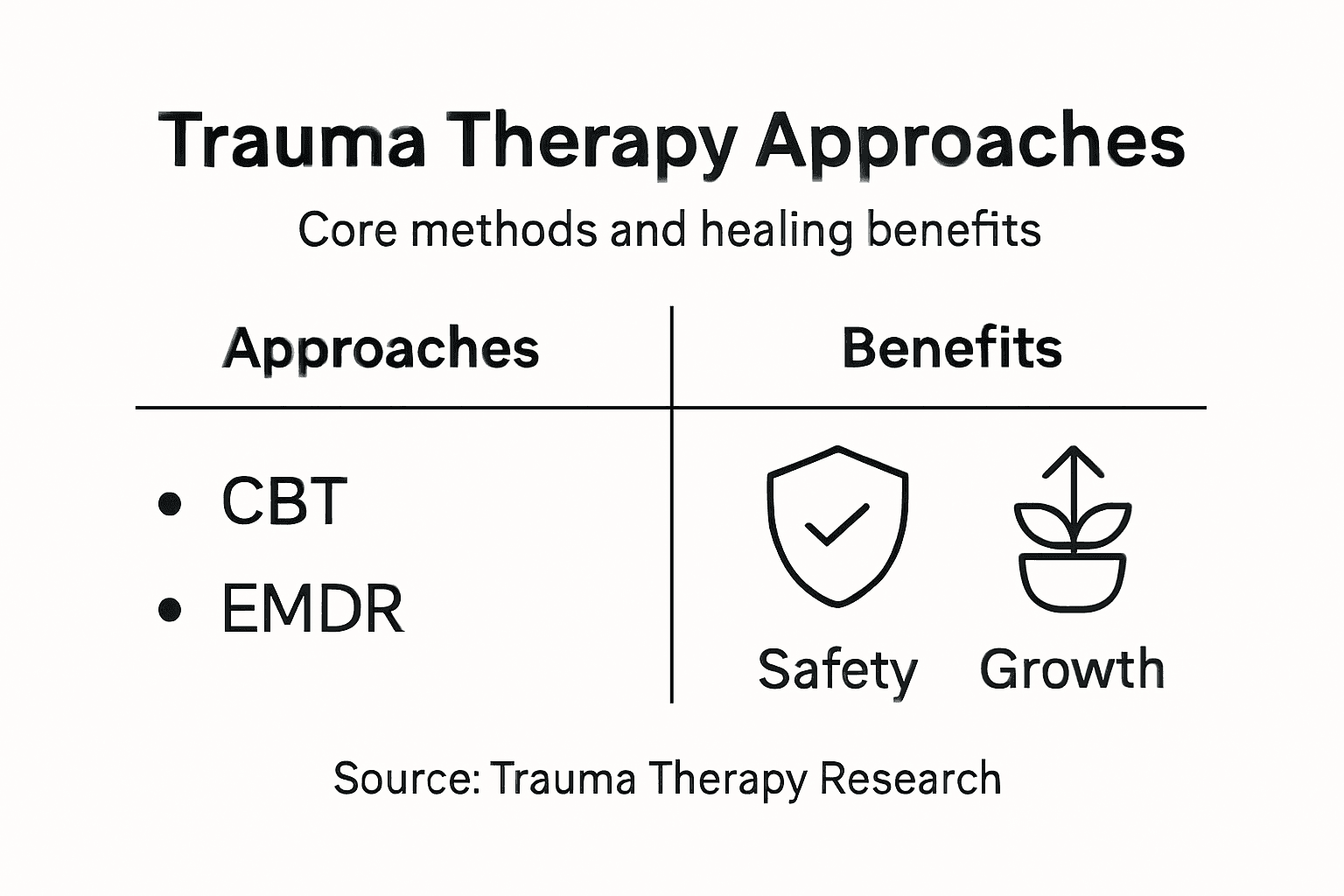
Choosing the right therapeutic approach matters. What works for one person's acute trauma might not suit someone healing from childhood abuse. The good news is that evidence-based trauma therapies integrate research findings with clinical expertise to help you heal.
Core Therapeutic Approaches
Cognitive-Behavioral Therapy (CBT) targets the thought patterns trauma creates. When you've experienced trauma, your brain develops beliefs like "I can't trust anyone" or "the world is dangerous." CBT helps you identify these patterns and gradually test whether they're actually true.
Eye Movement Desensitization and Reprocessing (EMDR) uses bilateral stimulation—eye movements, tapping, or sounds—while you process traumatic memories. This approach helps your brain reprocess trauma without talking through every detail, making it especially useful for people who find traditional talk therapy overwhelming.
Somatic or body-based therapies recognize that trauma lives in your nervous system, not just your mind. These approaches help you notice tension patterns, learn grounding techniques, and gradually increase your window of tolerance for difficult emotions.
Other evidence-based options include:
Trauma-Focused CBT (TF-CBT)
Internal Family Systems (IFS)
Sensorimotor Psychotherapy
Dialectical Behavior Therapy (DBT)
Each approach has research supporting its effectiveness. Your therapist will recommend based on your specific trauma history and what resonates with you.
The following table summarizes key trauma therapy approaches and their unique benefits:
| Therapy Approach | Primary Focus | Most Beneficial For | Example Outcome |
|---|---|---|---|
| CBT | Thoughts/Beliefs | Acute or chronic trauma | Healthier mindset |
| EMDR | Memory processing | Complex trauma, severe PTSD | Lower distress |
| Somatic Therapy | Nervous system/body | Physical trauma symptoms | Relaxed body, calm |
| IFS | Internal relationships | Childhood/complex trauma | Improved self-worth |
Why Trauma-Informed Care Matters
Trauma-informed interventions emphasize cultural sensitivityand client-centered approaches. This means your therapist understands how trauma affects you specifically—your cultural background, your language, your relationships.
For bilingual Californians, this is critical. A trauma-informed therapist recognizes that your experience in English might differ from your experience in Spanish, and that your family's immigration history or acculturation stress may be interwoven with your trauma.
Measurable Benefits of Trauma Therapy
When you engage in evidence-based trauma therapy, you experience real changes:
Reduced PTSD symptoms: Nightmares, flashbacks, and intrusive thoughts decrease significantly
Improved emotional regulation: You stop feeling hijacked by anger or despair
Better sleep and physical health: As your nervous system calms, sleep improves and chronic pain often decreases
Restored relationships: You develop capacity to trust again and communicate authentically
Increased sense of agency: You move from feeling powerless to recognizing your own strength
Effective trauma therapy reduces symptoms while fostering durable recovery by addressing trauma's neurobiological underpinnings and promoting your empowerment.
Studies show that people completing trauma therapy report improved functioning across all life domains—work, relationships, parenting, and overall quality of life.
Finding the Right Fit
Not every therapeutic approach works equally for every person. Someone with complex childhood trauma might need longer-term EMDR or Internal Family Systems work. Someone with a single traumatic event might benefit from short-term cognitive-behavioral therapy.
The most important factor is finding a trauma-informed therapist who understands your specific experience and explains their approach clearly.
Pro tip: In your first therapy session, ask your therapist which specific trauma therapy approach they recommend for your situation and why—a good clinician will explain their reasoning and be open to adjusting if the approach isn't working after a few sessions.
Risks of Untreated Trauma and Barriers to Care
Leaving trauma unprocessed doesn't mean it goes away quietly. It festers, accumulates, and shapes every decision you make. People who avoid treatment often find themselves repeating patterns, struggling in relationships, or developing new problems they can't connect to their original trauma.
Understanding both the risks and obstacles to care helps you recognize why healing matters—and why it's worth pushing through whatever barriers you face.
The Real Consequences of Untreated Trauma
Untreated trauma results in chronic mental health disorders, physical health problems, and social difficulties that compound over time. What starts as hypervigilance can develop into full-blown anxiety disorders or depression. What begins as emotional numbness can isolate you from people you love.
Common long-term consequences include:
Chronic anxiety and panic disorders
Major depression and persistent hopelessness
Substance use disorders as coping mechanisms
Relationship patterns that repeat harm
Physical health deterioration (heart disease, autoimmune conditions)
Difficulty maintaining employment or stability
Increased suicide risk
The longer trauma sits unprocessed, the deeper it roots into your identity and behavior patterns. Some people spend decades managing symptoms without addressing the source.
Barriers That Keep People Stuck
You might desperately want healing but face real obstacles. These barriers are common, legitimate, and solvable—but they stop many people from seeking help.
Stigma and shame make people reluctant to admit they need help. There's an internal voice saying therapy means you're broken or weak. For bilingual individuals, cultural beliefs about family privacy or handling problems internally can intensify this shame.
Systemic barriers are structural. Limited access to trauma-informed specialists, long waitlists, lack of evening or weekend appointments, costs insurance won't cover—these aren't character flaws in you; they're failures of our healthcare system.
Fear of re-traumatization keeps some people away from therapy entirely. You've been hurt once; the thought of revisiting that pain feels unbearable. A poorly trained therapist can indeed re-traumatize you, so this fear is rational.
Navigation difficulties plague people managing multiple systems. Dealing with insurance, finding providers, scheduling appointments while working and parenting exhausts your limited energy.
The Compounding Effect of Barriers
These obstacles stack. You feel shame about needing help, so you delay seeking it. By the time you're ready, waitlists are long. You finally get an appointment, but it's not trauma-informed, so you feel worse. You give up.
Meanwhile, your untreated trauma continues affecting your mental health, relationships, and physical well-being.
Addressing barriers to care requires creating safe environments, training providers in trauma-informed approaches, and fostering your empowerment to seek healing.
Why Starting Matters More Than Perfection
You don't need the "perfect" therapist or the "right" moment. You need a trained professional who listens and adjusts when something isn't working. Many people find their ideal fit only after trying one or two providers first.
Starting therapy—even imperfectly—interrupts the cycle of untreated trauma. Each session creates new neural pathways. Each bit of processing reduces the grip trauma has on your present moment.
Pro tip: If access barriers feel overwhelming, start by asking your primary care doctor for a referral or contact your county mental health services—they often have sliding scale options—then explicitly tell the intake coordinator you need a trauma-informed provider experienced with your specific trauma type.
Culturally Responsive and Identity-Affirming Therapy
Your identity matters in healing. Not as an afterthought or checkbox on an intake form, but as the center of your trauma story. If you're bilingual, bicultural, an immigrant, or part of any marginalized community, standard therapy that ignores these dimensions misses crucial pieces of your experience.
Culturally responsive and identity-affirming therapy recognizes that your trauma doesn't exist in a vacuum. It's shaped by your cultural background, immigration experiences, language, sexuality, gender identity, and how systems of oppression have affected you.
What Makes Therapy Culturally Responsive
Culturally responsive trauma treatment integrates your cultural experiencesinto the clinical work itself. Your therapist doesn't just "tolerate" your culture—they actively explore how it shapes your trauma response, your healing, and your identity.
This means a trauma-informed therapist working with you will:
Understand your specific cultural context and family patterns
Recognize how immigration, acculturation stress, or discrimination affected your trauma
Honor both languages if you're bilingual, not defaulting to English
Address systemic oppression directly rather than treating it as background noise
Ask about your cultural values around family, shame, and healing
Adjust their approach based on your cultural beliefs, not force you into a Western therapeutic framework
For example, if you experienced trauma in a Spanish-speaking family context, a culturally responsive therapist doesn't just translate concepts into English. They understand the specific cultural meanings, family dynamics, and linguistic nuances of your experience.
Identity-Affirming Therapy and Intersectionality
You contain multiple identities simultaneously. You're not just someone with trauma—you're a bilingual person, perhaps an immigrant, with a specific gender identity and sexuality, family responsibilities, and cultural values. These identities intersect and create unique healing needs.
Identity-affirming therapy validates diverse identitieswhile addressing how oppression and discrimination have compounded your trauma. If you've experienced discrimination because of your identity, a good therapist acknowledges this directly.
This matters profoundly. When therapy ignores the identity-based trauma—discrimination, marginalization, belonging struggles—it treats symptoms while missing root causes. You might heal from a specific traumatic event but still carry deep wounds from being "othered" or unsafe in your own culture.
Cultural Humility Over Cultural Competence
Don't expect your therapist to know everything about your culture. Instead, look for someone practicing cultural humility—genuine curiosity, willingness to learn from you, and recognition of their own cultural biases.
A culturally humble therapist admits what they don't know. They ask questions respectfully. They adjust their approach when you tell them something isn't working. They examine their own assumptions rather than assuming you'll fit their standard framework.
Effective healing requires a therapist who engages in self-reflection, cultural humility, and addresses how systemic oppression has shaped your specific trauma experience.
Why This Matters for Your Healing
When you work with someone who understands your cultural context, something shifts. You don't have to constantly translate your experience or defend your family's decisions. You can explore trauma while honoring where you come from, instead of feeling forced to choose between healing and staying connected to your culture.
This is especially important for bilingual Californians navigating multiple worlds. A culturally responsive therapist helps you integrate these parts of yourself rather than compartmentalize them.
Pro tip: When interviewing potential therapists, ask directly: "How do you work with bilingual clients?" "What's your experience with immigration trauma?" "How do you address cultural identity in therapy?" Their answers reveal whether they practice true cultural responsiveness or just surface-level awareness.
Take the Essential Step Toward Healing Trauma
Healing from trauma requires specialized support that understands how trauma reshapes the mind and body. If you are experiencing symptoms like hypervigilance, emotional dysregulation, or the lasting effects of childhood or complex trauma, you deserve expert care tailored to your unique story. At Alvarado Therapy, our licensed therapists provide trauma-informed, bilingual counseling and EMDR therapy designed to help you reclaim safety and build resilience.
Start your healing journey today by connecting with compassionate therapists experienced in trauma therapy across California. Whether you are seeking in-person support in Ventura or Pasadena, or prefer online sessions, Alvarado Therapy offers culturally responsive care that respects your bilingual identity and addresses the nuanced impact of trauma. Don’t wait to find clarity and strength—visit Alvarado Therapy now or meet our team in Pasadena CA (in person) or Ventura CA (in person) to take the next step toward lasting healing.
Frequently Asked Questions
What is trauma therapy and why is it important?
Trauma therapy is a specialized form of therapy that addresses the psychological and emotional impact of traumatic experiences. It is essential for healing as it helps individuals process and integrate trauma, leading to improved mental health and emotional well-being.
How does trauma affect mental and physical health?
Trauma can lead to various mental health issues such as anxiety, depression, and PTSD. Physically, it can manifest as chronic pain, fatigue, and digestive problems due to the body's prolonged stress response, making trauma therapy crucial for overall health.
What types of trauma can be treated with therapy?
Trauma therapy can address various types including acute trauma from a single event, chronic trauma from ongoing stress, and complex trauma from repeated interpersonal issues, particularly those experienced during childhood.
How do I find a trauma-informed therapist?
To find a trauma-informed therapist, look for professionals who have specialized training in trauma care, ask them about their approaches to therapy, and ensure they are familiar with cultural sensitivities, especially if you have a bilingual background.
