

Sorting through the aftermath of childhood trauma or PTSD can leave you feeling isolated, uncertain, and exhausted by the very idea of starting over with another therapist. Many California adults need more than just traditional mental health options—they seek trauma-informed care that offers privacy, active listening, and deep respect for their unique journey. This guide will clarify what individual counseling really means, highlight its distinct purpose in trauma recovery, and show how a tailored, one-on-one approach creates safety and trust you can count on.
Table of Contents
Key Takeaways
| Point | Details |
|---|---|
| Individual Counseling is Essential for Trauma Recovery | Focused one-on-one support creates a safe environment for healing and personal growth. |
| Therapeutic Relationship is Key | Building trust and understanding enhances the effectiveness of therapy sessions. |
| Flexibility in Techniques | Therapists tailor approaches to individual needs, incorporating various evidence-based methods. |
| Confidentiality Matters | Individual sessions offer a private space for disclosing sensitive information, crucial for deep healing. |
Defining Individual Counseling and Its Core Purpose
Individual counseling is the primary intervention in trauma recovery, built on the foundation of a personal therapeutic relationship between you and your therapist. This one-on-one format creates a safe, contained space where healing happens through focused attention and customized support tailored to your specific trauma history.
At its core, individual counseling serves several critical functions:
Facilitates emotional processing — helps you safely access and work through difficult emotions tied to your trauma
Builds insight — enables you to understand how past experiences shape current thoughts, feelings, and behaviors
Creates behavioral change — supports you in developing healthier coping strategies and breaking trauma-related patterns
Establishes safety — provides a consistent, predictable environment where retraumatization is actively prevented
The therapeutic relationship itself is where the real work happens. Your counselor uses micro-skills — specific techniques like active listening, reflective questions, and empathetic responses — to help you feel understood and supported. Supporting clients through therapeutic relationships is what distinguishes individual counseling from other mental health approaches.
For trauma recovery specifically, individual counseling operates within a trauma-informed care framework. This means your therapist prioritizes safety, trust, empowerment, and cultural sensitivity. You're never pushed faster than you can handle, and your autonomy is respected throughout the healing process.
Individual counseling addresses the root causes of trauma-related distress, not just the symptoms. This depth of work requires the dedicated focus only one-on-one therapy provides.
What makes individual counseling particularly effective for California residents healing from childhood trauma or PTSD is its flexibility. Your therapist adapts the approach to match your needs — whether that's EMDR for processing traumatic memories, cognitive-behavioral techniques for managing anxiety, or somatic work for healing trauma stored in your body.
The relationship between your expectations and your counselor's approach also matters significantly. When you understand what to expect from counseling and feel heard by your therapist, outcomes improve dramatically. Individual counseling gives you space to communicate your needs directly, without the dynamics that group settings can introduce.
Pro tip: Before your first session, write down 3-5 specific issues you want to address in counseling — this clarity helps your therapist understand your priorities and create a focused treatment plan from day one.
Different Approaches to Trauma-Informed Counseling
Trauma-informed counseling isn't one-size-fits-all. Your therapist draws from multiple evidence-based approaches, each designed to address trauma in different ways. Understanding these options helps you know what to expect and why your counselor chooses specific techniques for your recovery.
Core Principles Across All Approaches
Regardless of which method your counselor uses, trauma-informed care principles remain consistent:
Safety — creating physical and emotional safety before diving into trauma work
Trustworthiness — being transparent about treatment and building genuine rapport
Peer support — recognizing your strength and resilience alongside professional guidance
Collaboration — partnering with you rather than directing your healing
Empowerment — restoring your sense of control and agency
Cultural sensitivity — honoring your background, values, and identity
These principles form the foundation for every specific technique your therapist applies.
Common Therapeutic Approaches
Your counselor at Alvarado Therapy may use several evidence-based methods:
EMDR (Eye Movement Desensitization and Reprocessing) helps your brain process traumatic memories by using bilateral stimulation while you recall the trauma. This allows your nervous system to digest the memory differently, reducing its emotional charge.
Cognitive-Behavioral Therapy (CBT) focuses on the connection between your thoughts, feelings, and behaviors. You learn to identify trauma-related thinking patterns and gradually challenge them, building new neural pathways.
Somatic therapy recognizes that trauma lives in your body, not just your mind. Your therapist helps you notice physical sensations and release stored tension through body-based techniques.
Internal Family Systems (IFS) treats different parts of yourself with compassion. You learn to communicate with protective parts that developed to keep you safe after trauma.
Treatment approaches are tailored to your specific trauma history and nervous system needs. No two people heal identically, and your counselor adjusts techniques based on your response and progress.
These methods often overlap in practice. Your therapist might use CBT techniques to reframe thoughts while incorporating somatic awareness to help you stay grounded in your body.
Here's how key trauma-informed therapy methods address different recovery needs:
| Method | Main Focus | Typical Benefits |
|---|---|---|
| EMDR | Memory reprocessing | Reduces emotional triggers |
| Cognitive-Behavioral | Thought-behavior connection | Reshapes negative patterns |
| Somatic Therapy | Body-based healing | Releases physical tension |
| Internal Family Systems | Self-part integration | Fosters inner harmony |
Pro tip: Ask your counselor which specific approach they recommend for your situation and why—understanding their reasoning helps you feel more invested in the healing process and builds trust in the therapeutic relationship.
How Individual Sessions Support Recovery and Growth
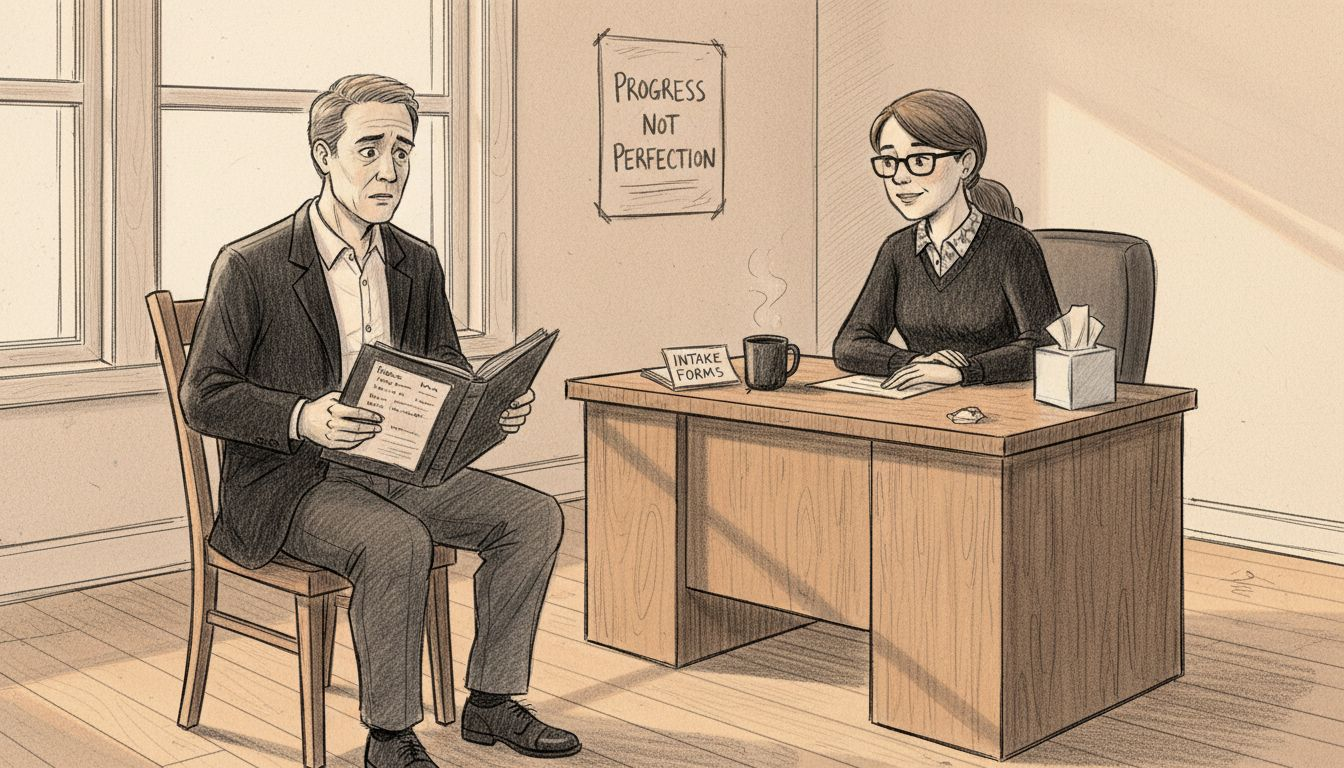
Each session with your counselor is a structured opportunity for healing. Unlike general conversations, individual therapy sessions have a specific purpose: to help you process trauma, develop skills, and gradually rebuild your life in a way that feels safe and sustainable.
Your counselor creates a confidential, safe space where you can speak openly without judgment. This foundation is essential because trauma often involves shame or fear of being misunderstood. When you know nothing you say will be repeated or criticized, you can access deeper layers of healing that surface work alone cannot reach.
What Happens in Your Sessions
Individual therapy typically follows a pattern that supports your growth:
Psychoeducation — understanding how trauma affects your brain, body, and behavior
Memory processing — safely working through traumatic experiences at your own pace
Skill building — learning coping strategies and emotional regulation techniques you can use between sessions
Symptom management — reducing anxiety, nightmares, flashbacks, and other trauma responses
Empowerment building — reclaiming your sense of agency and control
Your therapist adjusts the pace based on your readiness. You're never pushed to process memories faster than your nervous system can handle.
Growth Beyond Symptom Relief
Healing isn't just about reducing panic attacks or intrusive thoughts. Individual counseling supports genuine psychological growth — developing deeper self-understanding, improving relationships, and building a life aligned with your values.
As you work through trauma in sessions, you naturally develop resilience. You learn that difficult emotions don't have to control you. You discover strengths you didn't know you had. These realizations accumulate session by session, creating lasting transformation.
Individual sessions provide the consistent, focused attention trauma recovery requires. Progress compounds when you show up regularly and engage authentically with your healing.
Between sessions, you notice changes. Situations that used to trigger panic feel more manageable. You sleep better. Relationships improve. These small wins reinforce your commitment to the process and validate the hard work you're doing in therapy.
Pro tip: Keep a simple journal between sessions noting what shifts for you—better sleep, fewer flashbacks, easier conversations—so you can share progress with your therapist and celebrate how far you've come.
Comparing Individual Counseling With Group Options
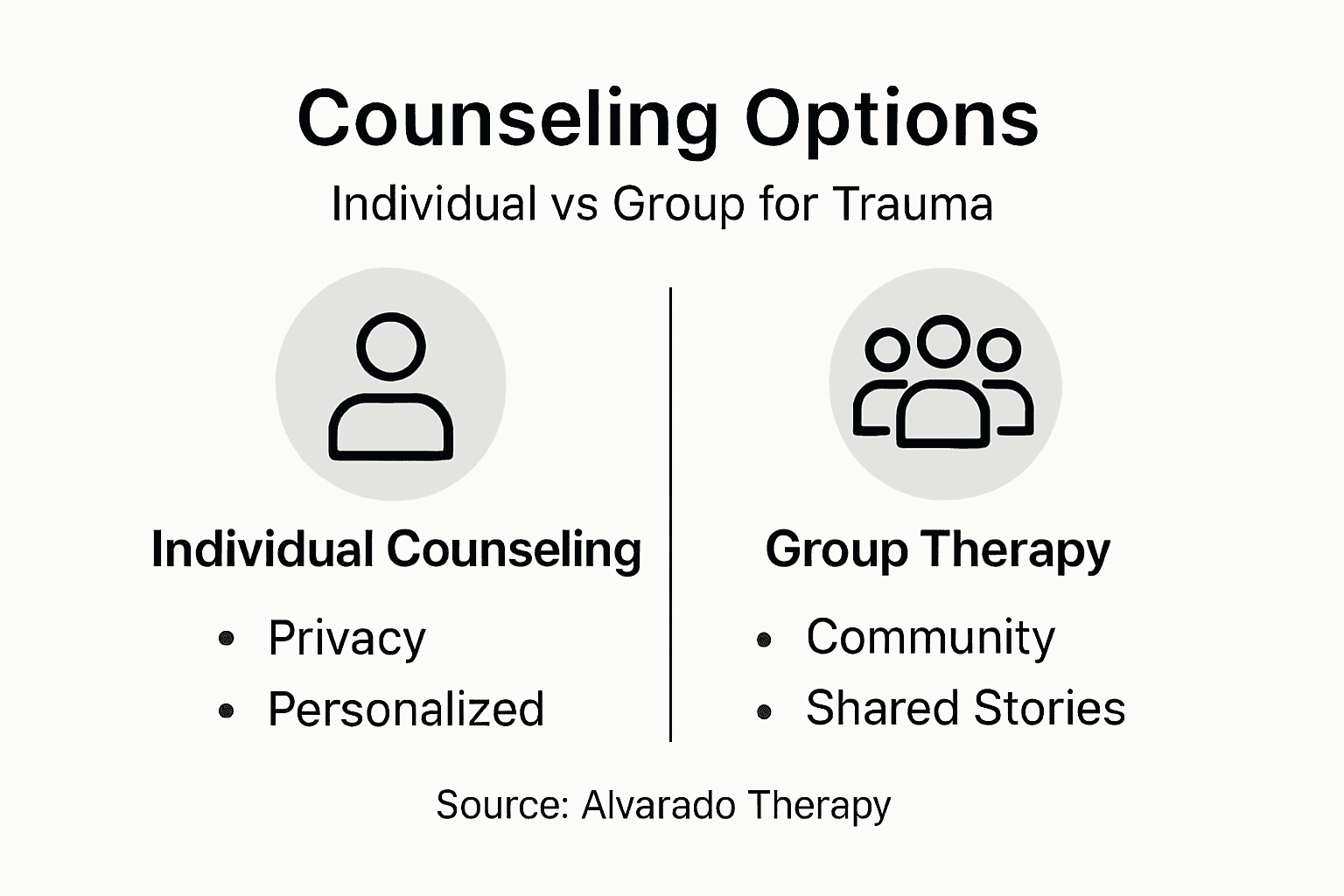
Both individual counseling and group therapy have value, but they serve different purposes in trauma recovery. Understanding the differences helps you choose what works best for your healing right now.
Individual counseling offers focused, personalized attention. Your therapist concentrates solely on your experience, your pace, and your specific trauma history. Nothing gets diluted by others' needs or stories. This makes individual counseling ideal when you're in crisis, newly disclosing trauma, or working through particularly sensitive material.
Group therapy, by contrast, provides community and shared experience. You hear others' stories and realize you're not alone. Many people find this validating and powerful. However, groups require more emotional regulation upfront—you need enough stability to listen to others' trauma without becoming overwhelmed.
Key Differences at a Glance
| Aspect | Individual Counseling | Group Therapy |
|---|---|---|
| Therapist attention | 100% focused on you | Shared among members |
| Confidentiality | Fully confidential | Limited (others present) |
| Pace | Your speed | Group pace |
| Cost | Higher per session | Lower per session |
| Processing depth | Deep, detailed work | Broader, less detailed |
| Community | One-on-one | Peer support network |
When Individual Counseling Works Better
Choose individual counseling if you're:
Recently disclosed trauma — you need safety before group sharing
Managing acute symptoms — flashbacks, severe anxiety requiring immediate support
Working through complex trauma — details are sensitive or layered
Building initial trust — you need consistent one-on-one relationship first
Seeking personalized healing approaches — your therapist customizes techniques to your specific needs
Many people start with individual counseling, then add group therapy once they've stabilized.
Individual sessions provide what group settings cannot: undivided therapeutic attention directed entirely toward your unique healing journey and pace.
Group therapy works best once you've developed baseline coping skills and emotional stability. It's a wonderful complement to individual work, not a replacement for it.
Pro tip: Ask your Alvarado Therapy counselor if individual work with periodic group sessions makes sense for your situation—many clients benefit from both formats working together.
Privacy, Effectiveness, and Finding the Right Therapist
Three factors separate truly transformative counseling from mediocre experiences: privacy you can trust, approaches that actually work, and a therapist who gets your story. All three matter equally for trauma recovery.
Why Privacy Matters
Confidentiality is the foundation of effective trauma therapy. When you know what you share stays completely private, you can disclose the hardest, most shameful parts of your trauma. You relax your protective guards. Healing happens at this depth.
California law protects your privacy in counseling. Your therapist cannot share what you say—with family, employers, or anyone—without your explicit written consent. The only exceptions are specific safety situations: imminent danger to yourself, abuse of children or vulnerable adults, or court orders. Otherwise, your words belong to you alone.
This privacy difference distinguishes individual counseling from group settings, where other members hear everything. Individual sessions are your confidential space.
Effectiveness Depends on Fit
The therapeutic alliance quality and appropriate modalitiesdirectly predict therapy success. In plain terms: you need a therapist you trust using approaches matched to your specific trauma.
Evidence-based trauma treatments include:
EMDR — processes traumatic memories through bilateral stimulation
Cognitive-behavioral therapy — addresses trauma-related thinking patterns
Somatic approaches — work with trauma stored in your body
Internal Family Systems — addresses protective parts developed after trauma
Your therapist should explain which approach fits your situation and why.
Finding Your Right Therapist
When searching for a counselor, evaluate these factors:
Below is a summary of factors to consider when choosing a trauma therapist:
| Consideration | Why It Matters | What to Look For |
|---|---|---|
| Credentials | Ensures specialized skills | Training in EMDR or similar |
| Cultural Fit | Supports feeling understood | Awareness of your background |
| Communication | Builds trust and clarity | Open, clear explanations |
| Session Options | Matches your practical needs | In-person or online availability |
| Personal Comfort | Essential for effective work | Feeling respected and safe |
Trauma credentials — specific training in EMDR, CPT, or other evidence-based trauma work
Your identity match — cultural competence regarding your background, gender identity, or other key aspects
Openness to your questions — they explain their approach clearly and respect your concerns
Availability that works — whether you need in-person sessions in Pasadena, Ventura, or online throughout California
Your gut feeling — after the first session, do you feel safe and understood?
Alvarado Therapy features licensed therapists with specific trauma expertise across multiple modalities. Many offer online sessions for flexibility.
The right therapist combination of credentials, cultural awareness, and genuine connection creates the safety that enables real healing.
Don't settle for the first available therapist. Your fit matters significantly. Many people consult 2-3 counselors before finding the right match, and that's completely appropriate.
Pro tip: During your initial consultation, ask about the therapist's experience with your specific type of trauma and request guidance on preparing for your first online or in-person session so you feel ready from day one.
Take Control of Your Trauma Recovery with Individual Counseling at Alvarado Therapy
Healing from trauma requires a safe space where your unique experiences are deeply understood and where your pace drives the process. This article highlights how individual counseling offers focused support that helps you build safety, process overwhelming memories, and develop lasting coping skills. If you are ready to move beyond anxiety, PTSD symptoms, or childhood trauma patterns, personalized, trauma-informed care is essential for your growth.
At Alvarado Therapy, our licensed therapists specialize in individual counseling and evidence-based approaches like EMDR tailored specifically for California residents. Whether you prefer in-person sessions in Ventura or online therapy anywhere in California, our team prioritizes your comfort and cultural identity, ensuring empathetic, confidential support every step of the way.
Discover the power of individual counseling designed around your needs. Visit California — Meet Our Team — Alvarado Therapy to find a therapist who understands your journey. Get started today at https://alvaradotherapy.org and take your first step toward reclaiming safety and empowerment in your healing process.
Frequently Asked Questions
What is individual counseling for trauma recovery?
Individual counseling is a one-on-one therapy format focused on helping individuals process trauma safely. It provides personalized support tailored to the client's specific trauma history, fostering emotional processing, insight building, and behavioral change.
How does individual counseling differ from group therapy?
Individual counseling provides focused and personalized attention from a therapist, allowing for deeper exploration of specific trauma. Group therapy offers peer support, but requires more emotional regulation from participants as experiences are shared. Individual counseling is ideal for those dealing with acute symptoms or sensitive material.
What therapeutic approaches are commonly used in individual counseling for trauma?
Common therapeutic approaches include EMDR (Eye Movement Desensitization and Reprocessing), Cognitive-Behavioral Therapy (CBT), Somatic Therapy, and Internal Family Systems (IFS). Each method addresses trauma in different ways, providing tailored strategies for recovery.
Why is the therapeutic relationship important in individual counseling?
The therapeutic relationship is crucial because it creates a safe and trustworthy environment, allowing clients to disclose difficult emotions and experiences freely. A strong relationship enhances the effectiveness of therapy and promotes deeper healing.
