
Grief After Miscarriage: What the First Six Weeks Can Reveal

Grief after miscarriage is a normal reaction that can include sadness, guilt, anger, relief, and numbness all at once, and that mix is expected, not a sign something is wrong with you. Most people start to feel steadier within weeks to months, though some need longer. If sadness turns into something that stops you from functioning, professional support helps. Here's what to expect and where to turn.
TL;DR:
Ask your obstetrician or primary care provider for an emotional health check around six weeks, especially if symptoms interfere with daily life.
A review of 29 studies found that within six weeks, anxiety affected 32.5% of women, depression 30.1%, and stress 33.6%.
Suicidal thoughts require immediate crisis or emergency support; persistent flashbacks, avoidance, substance use, or difficulty functioning warrant prompt clinical assessment.
Peer groups can reduce the burden of explaining the loss, while licensed clinicians can address complicated grief, trauma symptoms, or a need for individual support.
Alvaradotherapy
Support Through Grief and Loss
Alvarado Therapy offers individual counseling for grief, with trauma-informed care from licensed therapists serving clients across California.
Table of Contents
What to expect over time: timeline and common grief trajectories
How to find support: friends, groups, and professional resources
Partners and relationships: supporting each other through grief
Clinical evidence and a trauma-informed view of treatment options
Common emotions people experience after miscarriage
Shock often comes first, even when a loss was medically anticipated. It can feel like static, a strange flatness where nothing seems real. Underneath that, most people cycle through a mix of feelings that rarely show up one at a time.
Sadness and longing for the pregnancy, the due date, or the future you had pictured.
Guilt, even when nothing you did caused the loss.
Anger at your body, a partner, a medical system, or no one in particular.
Relief, especially after a complicated pregnancy or an unplanned one, which can trigger its own shame.
Numbness that feels like disconnection rather than calm.
Loneliness, often worsened by disenfranchised grief: the sense that others don't recognize miscarriage as a real loss worth mourning.
That last point matters. Perinatal specialists describe miscarriage grief as frequently disenfranchised, minimized by friends, coworkers, or even family who assume early loss is easier to move past. That silence can make peer support groups and specialized bereavement care feel uniquely validating, because the people in them already understand.
A systematic review and meta-analysis of 29 studies covering 35,375 participants found that within six weeks after miscarriage, a significant percentage of women experienced anxiety, depression, and stress. These numbers mean your distress fits a well-documented pattern, not an overreaction.
What to expect over time: timeline and common grief trajectories
There is no fixed schedule for this. ACOG notes there is no single "normal" timeline for grief after pregnancy loss, and emotional healing often takes longer than the physical recovery does. Nobody should be pressured to "move on" or try again before they feel ready.
For many people, the sharpest pain eases over weeks to months as routines return and support kicks in. A smaller group carries grief that stays heavy for longer, sometimes resurfacing sharply around specific moments:
The original due date.
The anniversary of the loss.
A friend's pregnancy announcement or baby shower.
Medical appointments tied to the pregnancy.
These spikes are a normal feature of grief, not evidence that you're failing to heal. Clinical guidance points to the 6-week mark after a miscarriage as a practical checkpoint: a natural moment for a primary care or OB-GYN visit to include a quick emotional check-in, with screening recommended if sadness, anxiety, or numbness are still interfering with daily life.
Signs that grief may need clinical attention
Grief and clinical mental illness overlap but aren't the same thing. Watch for these signals, and treat them as a cue to reach out rather than wait them out:
Grief that feels stuck rather than shifting, with no sense of relief even in good moments, months after the loss.
Trouble functioning at work, in relationships, or with basic self-care for more than a few weeks.
Sleep disruption, appetite changes, or using alcohol or other substances to cope.
Intrusive memories, flashbacks, or avoidance of anything connected to the pregnancy, which can point toward PTSD.
Any thoughts of self-harm or suicide, which call for immediate attention.
Start with whoever already knows your health history: your OB-GYN, midwife, or primary care provider. They can rule out physical causes for some symptoms and refer you to a therapist. If you're having thoughts of harming yourself, treat that as urgent and contact a crisis line or emergency services right away.
Practical coping strategies that help
Some of what helps in the first days is simple, even if it doesn't feel that way. Grounding techniques, slow breathing, and letting yourself cry, rage, or go quiet without judging the reaction all count as real coping, not avoidance of "real" healing work.
Keep a few small daily routines in place, even minimal ones like a morning walk or a set bedtime.
Let friends or family handle a specific task (meals, errands, calls) instead of managing everything yourself.
Write in a journal or keep a dedicated space for memories, which many people find steadies emotions over the following weeks.
Create a small memorial ritual, whether that's planting something, writing a letter, or marking the due date intentionally.
Pace social contact deliberately. You don't owe anyone details, and you can step away from conversations that drain you.
As weeks pass, structured support becomes more useful. Grief counseling and cognitive behavioral therapy (CBT) help many people process loss and manage anxious or depressive thoughts, and our guide to grief counseling approaches walks through what those sessions typically involve. For people carrying trauma symptoms, intrusive memories, or a sense of being stuck, trauma-informed therapy and Eye Movement Desensitization and Reprocessing (EMDR) are approaches built specifically to help the nervous system process distressing memories rather than just talk through them.
Pro Tip: Put a brief check-in with a doctor or therapist on your calendar around the six-week mark, or sooner if grief is interfering with sleep, work, or relationships.
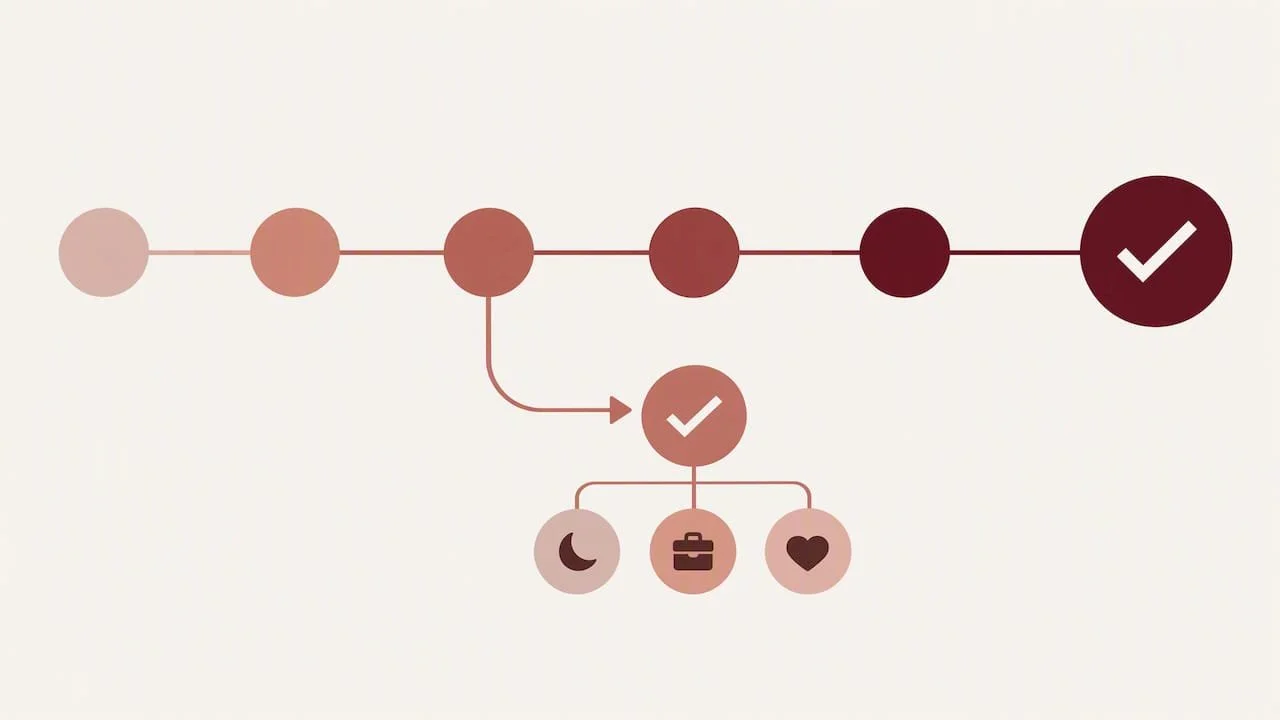
How to find support: friends, groups, and professional resources
Different kinds of support serve different needs, and it helps to know which one fits where you are right now.
Peer support groups connect you with others who've had a miscarriage; they're often the fastest way to feel understood without having to explain the loss from scratch.
Bereavement-specific groups, sometimes run through hospitals or perinatal programs, combine peer connection with light facilitation and structure.
Licensed clinicians (therapists, counselors, psychologists) are the right fit when grief is complicated, trauma symptoms appear, or you want ongoing one-on-one support.
Your OB-GYN or primary care provider can administer or refer you to a screening tool like the Reproductive Grief Screen (RGS), a brief validated questionnaire designed to flag ongoing or complicated grief after reproductive loss so it gets a real referral instead of being brushed aside.
When you call a therapist or group for the first time, it helps to say plainly that you're looking for support after a miscarriage, ask whether they have experience with pregnancy loss specifically, and confirm whether sessions are covered by insurance or available by telehealth. Our roundup of bereavement resources lists groups and hotlines if you're not sure where to start.
Partners and relationships: supporting each other through grief
Partners frequently grieve differently, and that difference is not a measure of who loved the pregnancy more. One partner may want to talk constantly; the other may go quiet or return to work and routine faster. Both patterns are normal responses to loss, not signs of indifference.
Ask directly what the other person needs this week rather than assuming.
Share small updates ("today is hard" or "I need quiet tonight") instead of expecting the other to guess.
Mark the loss together in a small, shared way, even briefly, so neither person carries it alone.
Watch for one partner withdrawing for weeks while the other feels increasingly isolated.
When communication breaks down or grief styles keep clashing, couples therapy offers a structured space to rebuild connection rather than let miscommunication harden into resentment.
Clinical evidence and a trauma-informed view of treatment options
Research backs up what grief counselors see clinically. The same systematic review cited earlier found meaningful rates of anxiety, depression, and stress in the weeks after miscarriage, and clinical guidance for primary care providers recommends routine follow-up because early check-ins reduce later depressive symptoms.
Grief after pregnancy loss has no single normal timeline, and emotional healing often takes longer than physical recovery.
Trauma-informed therapy, including EMDR, is built around the idea that distressing memories can stay "stuck" in the nervous system and benefit from structured reprocessing rather than willpower alone. We offer trauma-informed care as one option among the paths available to people healing from pregnancy loss.
A brief, compassionate perspective: permission to grieve
You're allowed to feel sadness and relief in the same breath. Neither cancels the other out, and neither needs an explanation. Three small steps can anchor a hard day: breathe slowly for a minute, reach out to one person who will simply listen, and put one check-in, with a friend, doctor, or therapist, on the calendar. If red flags like sleep loss, substance use, or thoughts of self-harm show up, treat that as your signal to get help now rather than wait it out.
— Juiced
How Alvarado Therapy can help with grief after miscarriage
We offer trauma-informed care for people navigating grief, anxiety, and loss, with sessions available online throughout California and New York.

Individual Counseling / EMDR Therapy suits anyone processing grief, guilt, or intrusive memories after a loss.
EMDR Intensives offer a condensed path for people carrying trauma symptoms who want faster relief than weekly sessions allow.
Couples Therapy supports partners whose grief styles have pulled them apart and who want to reconnect.
You can learn what a first session looks like on our intake and what to expect page, or go straight to booking through Individual Counseling / EMDR Therapy.
This article is general information, not a substitute for advice from a qualified doctor. Consult a qualified healthcare professional about your own circumstances before acting on anything here.
FAQ
How long does grief last after a miscarriage?
There is no single timeline. ACOG notes that emotional healing often takes longer than physical recovery, and grief can resurface around due dates or anniversaries even after someone feels largely steadier.
What are the symptoms of PTSD after a miscarriage?
PTSD-like symptoms after miscarriage can include intrusive memories or flashbacks, avoidance of reminders of the pregnancy, heightened anxiety, and trouble sleeping. These symptoms differ from typical grief in that they persist, interfere with daily functioning, and often respond well to trauma-focused therapies like EMDR.
What emotions are commonly experienced after a miscarriage?
Sadness, guilt, anger, numbness, loneliness, and relief are all common, sometimes within the same day. A large meta-analysis found that within six weeks of a miscarriage, around 32.5% of women experienced anxiety, 30.1% experienced depression, and 33.6% experienced stress.
What is depression after a miscarriage called?
It's typically referred to as post-miscarriage or perinatal depression, a recognized form of depression tied specifically to pregnancy loss. Clinical guidance for providers recommends screening for it at follow-up visits, since early identification and support reduce the chance of symptoms persisting for months.
