
7 Key Examples of Grief Support for Californians
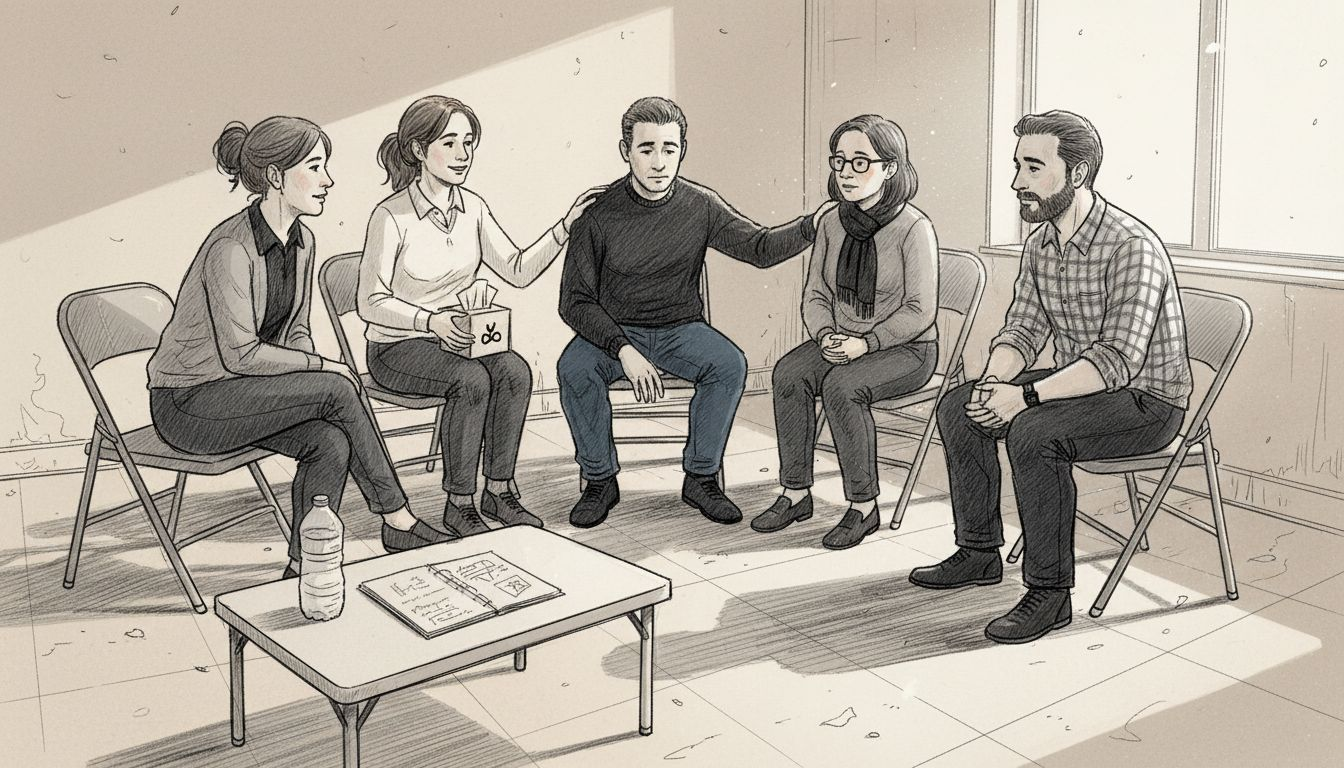
Losing someone you care about can make you feel alone, confused, and unsure where to turn for help. Finding support that truly understands your experience is not always easy, especially when your grief comes with layers of trauma, cultural differences, or even urgent moments of crisis. The good news is California has a wide range of grief support options that meet diverse needs, including those who want bilingual or culturally sensitive care.
This list will show you proven ways to get support for traumatic loss, no matter how complicated your situation feels. You’ll discover options for one-on-one therapy, community support, practical online tools, and immediate help like the 988 Suicide & Crisis Lifeline recommended by the National Institute of Mental Health. Each approach is designed to help you feel genuinely understood and finally start moving forward. Get ready to learn which support methods could make a real difference in your healing journey.
Table of Contents
Quick Summary
| Key Insight | Detailed Explanation |
|---|---|
| 1. Choose Trauma-Informed Therapy for Complex Grief | Trauma-informed therapists understand how grief and trauma interact, offering tailored support for healing rather than a one-size-fits-all approach. |
| 2. Engage in Group Grief Support for Connection | Joining group sessions provides a sense of belonging and normalization of grief, allowing shared experiences to foster healing. |
| 3. Consider Bilingual Therapy for Cultural Relevance | Bilingual therapists honor cultural nuances and offer emotional access in your native language, enhancing the therapeutic experience. |
| 4. Utilize Online Resources for Flexible Support | Online tools offer immediate access to grief resources anytime, allowing you to process emotions at your own pace and from your own environment. |
| 5. Use Crisis Services for Immediate Help | Crisis lines provide critical support in moments of acute grief or suicidal thoughts, helping you navigate overwhelming emotions effectively. |
1. Individual Counseling with Trauma-Informed Therapists
When grief stems from trauma or loss complicated by traumatic circumstances, working with a trauma-informed therapist can make all the difference in your healing journey. This type of counseling goes beyond standard talk therapy by addressing how trauma and grief interact within your nervous system and emotional responses.
Trauma-informed therapists understand that grief after traumatic loss operates differently than other types of loss. Your body may respond to reminders of your loved one with panic, hypervigilance, or numbness rather than sadness alone. A trauma-informed approach recognizes these physiological responses and doesn't pathologize them. Instead, these therapists work with your brain and body's natural healing mechanisms, helping you process both the trauma and the grief simultaneously.
The foundation of this work involves creating safety. Before diving into grief processing, a trauma-informed therapist establishes a secure therapeutic relationship where you feel genuinely heard and protected. They understand that Californians come from diverse backgrounds and cultures, and they tailor their approach to honor your specific values, beliefs about death and mourning, and family dynamics. This cultural responsiveness matters deeply when navigating loss.
One of the most powerful aspects of trauma-informed individual counseling is its flexibility. Your therapist doesn't follow a rigid schedule or timeline. If you need to focus on stabilizing your nervous system before addressing grief memories, that's the path you take. If you're ready to process specific traumatic memories related to your loss, techniques like EMDR therapy for trauma processing can help your brain naturally integrate and resolve those experiences.
You'll learn concrete tools during sessions. Your therapist might teach you grounding techniques to use when grief triggers panic responses, help you identify what activates your trauma responses, and develop a personalized coping toolkit. Many Californians find that understanding their own nervous system's patterns opens pathways to genuine healing they hadn't experienced in other therapeutic contexts.
Individual counseling also provides space to explore complicated grief feelings you might hesitate to share with family or friends. If your loved one's death involved violence, accident, or circumstances that left you with unanswered questions or guilt, a trauma-informed therapist creates judgment-free space for these complex emotions without pressuring you toward "closure."
Pro tip: Ask potential therapists specifically about their trauma-informed training and experience with grief after traumatic loss, not just general trauma work, to ensure they understand the unique intersection of grief and trauma in your situation.
2. Group Grief Support Sessions and Community Circles
Grief can feel isolating, especially when you're processing loss in a city full of people who didn't know your loved one. Group grief support sessions and community circles offer something individual therapy cannot: the profound comfort of shared experience with others who truly understand what you're going through.
When you sit in a grief circle with others who have lost someone, something shifts. You're no longer the only person at the dinner table with an empty chair. You're not the only one struggling to answer the question "How are you?" without breaking down. This shared understanding creates an immediate sense of belonging that words alone cannot describe. Group settings normalize your grief responses in ways that isolation cannot, helping you realize that your anger, numbness, or unexpected laughter are all valid parts of the grieving process.
Group grief support sessions operate differently than support groups focused on addiction or illness recovery. Grief circles often honor the specific person you lost through storytelling and remembrance. You might hear about someone else's mother, sibling, or child, and in hearing their story, you feel permission to share yours. This mutual witnessing becomes a form of healing in itself. Your loved one's memory is honored not just by you in private moments, but by a whole community that learns their name and their impact on your life.
Community circles often incorporate cultural and spiritual practices that matter to Californians from different backgrounds. Some circles incorporate ritual, meditation, creative expression through art or writing, or simply quiet presence together. This flexibility means you can find or create a space that aligns with grief support approaches that resonate with your own beliefs and values.
The practical benefits extend beyond emotional support. Group sessions provide practical information about navigating the logistics of grief. Other members share how they handled estate decisions, navigated holidays without their loved one, or returned to work after bereavement. You learn that others have faced similar challenges and survived them. You gain concrete strategies from people living your experience, not theoretical advice from those who haven't faced your specific loss.
Many Californians find that attending group circles helps them understand their grief timeline better. When someone shares that they still cry about their loss years later, you realize there's no deadline. When another person describes a moment of unexpected joy and feels guilty about it, you understand that grief doesn't mean you must be sad forever. This normalization of complex grief emotions can be more powerful than any therapist's explanation.
Starting with group grief support does require courage. Walking into a room of strangers who share your pain can feel overwhelming. But most participants report that the hardest part is showing up the first time. After that initial session, many people feel they've found their people. You might connect with someone over coffee after the circle ends. You might exchange contact information to check in during difficult anniversaries. These connections often become genuine friendships forged through mutual understanding.
Pro tip: Attend at least three different grief group sessions before deciding if one feels right for you, as the facilitator's style, group size, and meeting format can vary significantly between circles, and sometimes the best fit isn't your first choice.
3. Bilingual Therapy for Culturally Diverse Needs
Grief doesn't translate neatly from one language to another, and neither should your therapy. If you process emotions more deeply in your native language or grew up in a culture with specific grief rituals and expressions, working with a bilingual therapist can transform your healing journey.
When you grieve in your second language, something gets lost in translation. You might struggle to find the exact words for what you're feeling. English expressions for grief may not capture the depth of emotion you carry in your first language. A bilingual therapist understands this linguistic reality and allows you to express yourself in whichever language feels most authentic in any given moment. Some sessions you might speak entirely in English. Other days, you might slip into your native language when discussing your most painful memories, and your therapist simply follows you there.
Beyond language, bilingual therapy honors the cultural context of your grief. Different cultures have vastly different approaches to mourning, honoring the dead, and what constitutes "healthy" grief expression. In some cultures, loud expressions of grief are expected and valued. In others, quiet stoicism represents respect for the deceased. Some families believe in maintaining ongoing spiritual connections with ancestors, while others view this as unhealthy attachment. A culturally informed bilingual therapist recognizes that there is no single right way to grieve. They understand that your specific cultural background shapes how you experience loss, what support looks like to you, and what healing means in your family context.
California's diversity means that bilingual grief counselors are increasingly available to support communities who have historically faced barriers to mental health care. These therapists bring awareness of immigration experiences, acculturation stress, and the unique grief that comes from being separated from homeland, extended family, or cultural communities. If your grief is complicated by the loss of someone in another country, or if you're grieving the life you left behind when you immigrated, a bilingual therapist can hold all these layers of loss simultaneously.
Working in your native language also bypasses a common barrier to emotional access. When you translate your thoughts into English, you sometimes unconsciously edit them or minimize them. You might not access the deepest feelings because the English words don't quite fit. Speaking in your native language can unlock memories, sensations, and emotions that feel safer and more honest. This direct access to your emotional experience accelerates healing.
The practical aspects matter too. Many bilingual therapists understand insurance navigation in multiple languages, can explain mental health concepts using cultural metaphors that make sense in your background, and maintain awareness of how grief intersects with other identities you hold. If you're a first or second generation immigrant, a parent, someone navigating cultural identity questions, or a person who belongs to multiple communities, a bilingual therapist gets these complexities without needing extensive explanation.
You might worry about finding a therapist who speaks your language fluently and specializes in grief. But California communities have created networks and resources specifically for this reason. Practical approaches to starting therapy in California now include options for bilingual support, making it more possible than ever to access care that truly matches your needs.
Pro tip: When interviewing potential bilingual therapists, ask not just about their fluency in your language, but specifically about their training in your cultural approaches to grief and death, as language alone doesn't guarantee cultural competency.
4. Online Grief Support Resources and Tools
Sometimes you need grief support at 2 a.m. when you cannot sleep, or during a quiet moment at work when a memory hits unexpectedly. Online grief support resources and tools offer accessibility that matches the reality of modern grieving, allowing you to access help whenever and wherever you need it.
Online platforms democratize access to grief support in ways that transform lives. If you live in a rural area of California far from therapists, if transportation feels impossible on difficult days, or if you simply prefer to process grief from the privacy of your home, digital resources meet you where you are. You can join a grief support group at midnight if insomnia strikes. You can access coping strategies without scheduling an appointment weeks in advance. You can read about others' experiences during the exact moment when you feel most alone.
Grief support websites and applications typically offer several types of resources working together. Educational content explains what grief actually is and why your specific reactions make sense. Interactive worksheets help you process emotions through writing or reflection exercises. Meditation and breathing tools provide immediate calming when anxiety spikes. Discussion forums connect you with others grieving similar losses. Some platforms offer video or text based counseling sessions with licensed therapists, bringing professional support directly to your screen.
The psychology behind online grief tools is sound. When you engage with written content about grief at your own pace, you can pause when something feels too raw. You can return to it later when you feel stronger. You control your exposure rather than being surprised by triggering information in a group setting. This agency matters deeply during grief when so much feels beyond your control. Additionally, online tools often incorporate research based strategies like cognitive behavioral therapy techniques, mindfulness practices, or meaning making exercises that help rewire your brain's response to loss.
Practical applications range from simple to comprehensive. Some Californians use online journaling prompts specifically designed for grief processing. Others utilize meditation apps featuring guided practices for loss and bereavement. Some access online support groups organized by type of loss so you connect with people who lost a parent, child, sibling, or spouse. The specificity helps because grief after losing a parent differs significantly from grief after losing a child, and sometimes you need to process with people who understand your exact experience.
One powerful aspect of online tools is the flexibility they offer alongside other grief support. You might attend individual therapy weekly but use online resources on the days between sessions. You might join a grief group but supplement it with online journaling when group meetings feel insufficient. Many people find that understanding why grief counseling matters actually motivates them to combine professional support with online resources rather than choosing one or the other.
The anonymity online platforms provide can feel liberating. You might share feelings in an online forum you would never admit to a therapist sitting across from you. This honesty accelerates understanding and healing. You can see how others processed similar feelings or guilt, and recognize patterns in your own experience. You might discover that the anger you feel is shared by many, normalizing an emotion that felt isolating.
Quality varies among online grief resources, so choosing wisely matters. Look for platforms created or reviewed by mental health professionals, evidence based approaches clearly explained, and transparent information about who runs the site. Your Alvarado Therapy approach to combining online resources with professional support ensures you get both accessibility and qualified guidance.
Pro tip: Use online grief resources as a bridge between therapy sessions rather than a replacement for professional support, combining the accessibility of digital tools with the personalized guidance a therapist provides for your specific grieving journey.
5. EMDR Therapy for Healing Grief and Trauma
If your grief is tangled with trauma, traditional talk therapy alone may leave you stuck. Eye Movement Desensitization and Reprocessing therapy, or EMDR, offers a neuroscience-based approach that helps your brain process traumatic grief in ways that talking about it sometimes cannot.
EMDR works differently than conventional counseling. Instead of primarily discussing your trauma or grief, you access the traumatic memory while your therapist guides bilateral stimulation, typically through eye movements back and forth. This bilateral stimulation mimics what happens naturally during REM sleep when your brain processes experiences. By activating both hemispheres of your brain simultaneously, EMDR helps your nervous system finally process memories that have remained frozen or fragmented since the traumatic event.
Why does this matter for grief combined with trauma? When loss occurs through violence, accident, sudden death, or other traumatic circumstances, your brain often cannot process the experience normally. The memory stays stuck in its rawest form, triggering your nervous system as if the trauma is happening now rather than in the past. You might avoid anything that reminds you of that moment. You might experience intrusive images or flashbacks. You might feel hypervigilant or numb. EMDR directly addresses these frozen trauma responses, allowing your brain to integrate the memory and move forward.
The process typically unfolds across multiple phases. Your therapist first establishes safety and builds coping skills, ensuring you have tools to manage emotions that emerge during processing. Then you identify specific traumatic memories related to your grief. As you recall these memories with eye movements or other bilateral stimulation, your brain naturally begins to process and desensitize. What once felt unbearably raw gradually loses its emotional charge. You retain the factual memory of what happened, but your nervous system no longer responds as though the danger is present.
Many Californians describe EMDR results as surprising. After sessions, they notice that memories no longer trigger panic attacks. They can think about their loved one without being consumed by how they died. They sleep better because their nervous system finally feels safe. The grief remains, because loss is real and permanent, but the trauma response lifts. This distinction matters deeply. Grief without the overlay of trauma symptoms becomes more manageable and sometimes even allows space for positive memories and meaning making.
The connection between grief and trauma healing becomes clearer when you understand EMDR's mechanisms. Grief is a natural response to loss. Trauma is your nervous system's response to overwhelming threat. When both occur simultaneously, your system becomes dysregulated in complex ways. EMDR addresses the trauma component, allowing the grief process to unfold more naturally.
EMDR also works well alongside other grief support. You might use EMDR to process specific traumatic memories during intensive sessions, then transition to individual counseling or group support for ongoing grief processing. Some people find that after EMDR work reduces trauma symptoms, they can engage more fully in other therapeutic approaches. The bilateral stimulation during EMDR creates rapid shifts that might take months to achieve through talk therapy alone.
One concern many people have is whether EMDR feels invasive or strange. The eye movement aspect sometimes surprises new clients, but most find it surprisingly easy and oddly calming. Your therapist carefully paces the bilateral stimulation to match your processing speed. You remain in control and can pause at any time. Many Californians who initially felt skeptical report that EMDR became their most effective healing tool.
The practical timeline matters too. EMDR often produces significant shifts in fewer sessions than traditional grief counseling. While individual therapy for grief might continue for a year or longer, EMDR trauma processing sometimes resolves specific traumatic memories in 3 to 8 sessions. This efficiency can matter when you feel urgently ready to heal and move beyond the acute trauma phase.
Pro tip: Ask your EMDR therapist about their experience specifically with grief after traumatic loss, as this requires tailored expertise combining trauma processing with awareness of bereavement's unique emotional landscape.
6. Family and Couples Therapy for Shared Loss
When a family loses someone, the loss reverberates through every relationship within that family system. Couples therapy and family therapy specifically designed for grief help members process shared loss together while protecting their relationships from the isolation and conflict that often accompanies bereavement.
Shared loss is paradoxical. You grieve the same person, yet your grief feels completely different from your partner's or your family member's. Your spouse might cry openly while you feel numb. Your teenage child might withdraw while you desperately want connection. Your parent might focus on practical matters while you need to process emotions. These different grieving styles, when misunderstood, can feel like abandonment or betrayal. A family or couples therapist trained in grief helps you understand that these differences are normal, not signs that someone doesn't care or that your relationship is failing.
Couples therapy for grief serves several critical functions. First, it creates a safe space where both partners can express their grief without judgment. Many couples avoid talking deeply about their loss because they fear triggering their partner's pain. Therapy removes this burden. A skilled therapist ensures both voices are heard and valued. Second, couples therapy helps partners understand how grief affects intimacy and sexuality. Loss often dampens desire or changes physical connection, and couples frequently misinterpret this as rejection rather than a normal grief response. A therapist helps you navigate this sensitively. Third, couples therapy prevents the common pattern where one partner becomes the griever and the other becomes the supporter, which can create resentment and distance over months or years.
Family therapy takes a broader view. When a child dies, the dynamics between spouses, surviving siblings, and extended family all shift. When a parent dies, adult children sometimes regress into childhood patterns with surviving parents. When a sibling dies, surviving siblings may struggle to grieve without their sibling. A family therapist helps the entire system reorganize around the loss while maintaining healthy boundaries and communication.
One powerful aspect of family grief work is helping family members understand each other's needs. Your teenage daughter grieves differently than your nine year old son. Your mother's grief looks different from yours. A therapist helps each family member articulate what they need and helps others listen without trying to fix or minimize. When family members understand that your husband's silence reflects his grief style rather than lack of love, relationships can deepen even amid loss.
Family and couples therapy also addresses practical impacts of grief on relationships. Financial stress, parenting challenges, household responsibility changes, and decision making become complicated when grief clouds everything. A therapist helps families make these decisions while considering everyone's emotional capacity. They help couples maintain partnership and intimacy during the period when both are grieving and potentially unable to support the other as they normally would.
The impact grief has on relationships becomes manageable when family members learn to grieve together. Rather than each person isolated in their own grief, family therapy creates shared understanding and mutual support. Your family doesn't have to be the same in their grieving to move through it together.
Many Californian families find that grief therapy strengthens relationships that were previously strained. The focused attention on understanding each other's needs and validating each person's grief experience creates intimacy. Families report feeling closer after grief therapy than they did before loss, not because the loss was good, but because they learned to show up for each other authentically.
Starting couples or family grief therapy requires vulnerability. You must sit with your loved ones and acknowledge shared loss directly. But most people report that this collective acknowledgment, guided by a therapist who understands grief's complexity, becomes one of the most meaningful experiences of their bereavement journey. Your family system, which was disrupted by loss, can reorganize in ways that honor the person who died while sustaining living relationships.
Pro tip: Begin family or couples grief therapy within the first 3 to 6 months after loss, when people are still actively processing and before grief patterns become entrenched, allowing your therapist to help your system reorganize while everyone is most receptive to change.
7. Crisis Lines and Immediate Support Services
Grief can sometimes feel so overwhelming that you question whether you can survive it. When grief triggers thoughts of suicide, when despair feels insurmountable, or when you need immediate support in the middle of the night, crisis lines and immediate support services become lifelines that can literally save your life.
Crisis support exists specifically for moments when traditional therapy cannot reach you quickly enough. A grief crisis might strike at 3 a.m. when insomnia and memories collide. It might hit at work when you unexpectedly encounter something that reminds you of your loved one. It might emerge during holidays or anniversaries when grief intensity spikes suddenly. In these acute moments, you need to talk to someone immediately, not wait weeks for an appointment.
The 988 Suicide and Crisis Lifeline serves as California's primary crisis resource for anyone experiencing suicidal thoughts or severe emotional distress. Many people assume this line is only for suicide prevention, but it serves anyone in acute crisis, including those experiencing grief so intense that it feels unbearable. The line connects you with trained counselors who understand that grief can trigger suicidal thinking without meaning you truly want to die. You might want relief from pain rather than death itself, and trained crisis counselors distinguish between these states. They listen without judgment and help you get through the immediate crisis moment.
Calling or texting 988 connects you to confidential support from a real human. You do not have to explain your entire history. You do not need an appointment or insurance. You simply reach out in your moment of need, and someone trained in crisis response meets you there. The counselor helps you identify what triggered this acute crisis moment, explores your immediate safety, and connects you with ongoing resources when you are ready. Many people find that simply being heard by someone who understands crisis prevents them from taking action they would regret.
Beyond the national 988 line, California offers additional crisis resources. Crisis text lines allow you to reach support via text message if talking feels too difficult. Crisis chat services provide real time connection through your computer or phone. Some California communities offer mobile crisis teams that come to your location. These varied access points matter because different people find different methods comfortable. If talking on the phone feels too vulnerable, texting might feel more manageable.
What makes crisis services distinct from regular therapy is their immediate availability and their specific focus on safety. When suicide prevention support reaches you quickly, it can interrupt the spiral of despair that grief sometimes creates. A crisis counselor helps you identify immediate coping strategies, people you can contact, and reasons to stay alive even when grief makes those reasons hard to see.
Many grieving Californians feel shame about needing crisis support, worrying they are overreacting or that they should be able to handle grief alone. But reaching out during acute crisis is not weakness. It is wisdom. Professional athletes have coaches. People learning to swim have instructors. People in acute grief crisis deserve expert support in those most dangerous moments. Using crisis services demonstrates self care and a commitment to your own survival.
The practical reality is that crisis lines receive calls from people at all stages of grief. Some are newly bereaved and experiencing acute shock. Others grieved for months or years before a trigger suddenly intensified their pain. Some experience suicidal thinking for the first time. Others have managed suicidal thoughts before but feel them re emerging. Every situation is valid. Every call matters. Crisis counselors have heard it all and respond with compassion rather than judgment.
Having crisis numbers saved in your phone before crisis hits creates protection. If you experience a moment where your grief feels unbearable, you already have the number. You do not have to google while in crisis. You do not have to explain what a crisis line is. You simply dial or text. Some Californians share crisis line information with family members so loved ones know how to help if they notice warning signs. This proactive approach can save lives.
Pro tip: Save the 988 Suicide and Crisis Lifeline number in your phone now before you need it, and share it with trusted family members so you have support coordinated if grief ever becomes acutely dangerous.
Below is a comprehensive table summarizing the primary grief counseling and support options discussed in the article, highlighting their key features and benefits.
| Topic | Description | Key Benefits |
|---|---|---|
| Individual Counseling | Counseling with a trauma-informed therapist to address how trauma impacts grief. | Tailored techniques, fostering safety, somatic healing practices. |
| Group Support | Shared experiences and mutual understanding in group settings. | Normalizes responses, cultural alignment, builds a community. |
| Bilingual Therapy | Therapy conducted in the client’s native language incorporating their cultural context. | Enhanced emotional expression, culturally appropriate practices. |
| Online Resources | Access to virtual tools including articles, forums, and meditation apps for grieving. | Accessibility, flexibility, evidence-based guidance. |
| EMDR Therapy | Utilizes eye movements to process and resolve traumatic memories linked to grief. | Efficient trauma resolution, relief from persistent triggers. |
| Family Therapy | Addressing shared grief and relationship impacts within family systems. | Strengthened bonds, aligned grieving approaches, improved communication. |
| Crisis Lines | Immediate emotional support available via hotlines or text services. | Prevents escalation, accessible in moments of acute distress, confidential guidance. |
Find Compassionate Grief Support Designed for Californians
Grieving the loss of a loved one can feel overwhelming, especially when trauma complicates your healing journey. Whether you face intense grief reactions, complex family dynamics, or the need for culturally responsive care, you are not alone. Alvarado Therapy offers trauma-informed individual counseling and EMDR therapy tailored to help you safely process both grief and trauma at your own pace.
Take the next step toward healing with licensed therapists who understand California's diverse communities and grief experiences. Explore our skilled team serving clients throughout California with bilingual support and personalized care. Visit California — Meet Our Team to meet your therapist. Learn more about how professional support can transform your grief at Alvarado Therapy. Begin your healing today with a trauma-informed approach that honors your story.
Frequently Asked Questions
What is individual counseling with trauma-informed therapists?
Individual counseling with trauma-informed therapists focuses on the unique interplay between trauma and grief, addressing how they affect your emotional and physiological responses. Seek out this type of therapist who creates a safe space for healing, allowing you to explore your feelings without judgment.
How can group grief support sessions help me cope with loss?
Group grief support sessions provide an opportunity to connect with others who share similar experiences, helping to normalize your feelings of grief. Join at least three different groups to find the right environment that helps you feel understood and supported in your healing journey.
What should I look for in a bilingual therapist for grief support?
When seeking a bilingual therapist, it's important to assess their fluency in your native language and their understanding of your cultural approach to grief. Ask them about their specific training in grief counseling to ensure they are equipped to address your unique emotional needs.
How can I best utilize online grief support resources?
Online grief support resources offer access to help at any time, providing educational content, journaling prompts, and community forums. Make a plan to engage with these resources regularly between therapy sessions to deepen your healing process.
What is EMDR therapy, and how can it help with grief?
EMDR therapy helps process traumatic grief through guided bilateral stimulation, which assists your brain in integrating traumatic memories. Consider engaging in 3 to 8 sessions of EMDR therapy to experience significant shifts in how you cope with both grief and trauma.
How can family therapy address shared grief among family members?
Family therapy helps members express and understand their individual grief styles in a safe environment, promoting healthy communication and connection. Initiate family grief therapy within the first 3 to 6 months after loss to ensure everyone can process their feelings together effectively.
