
Examples of anxiety triggers and how therapy helps
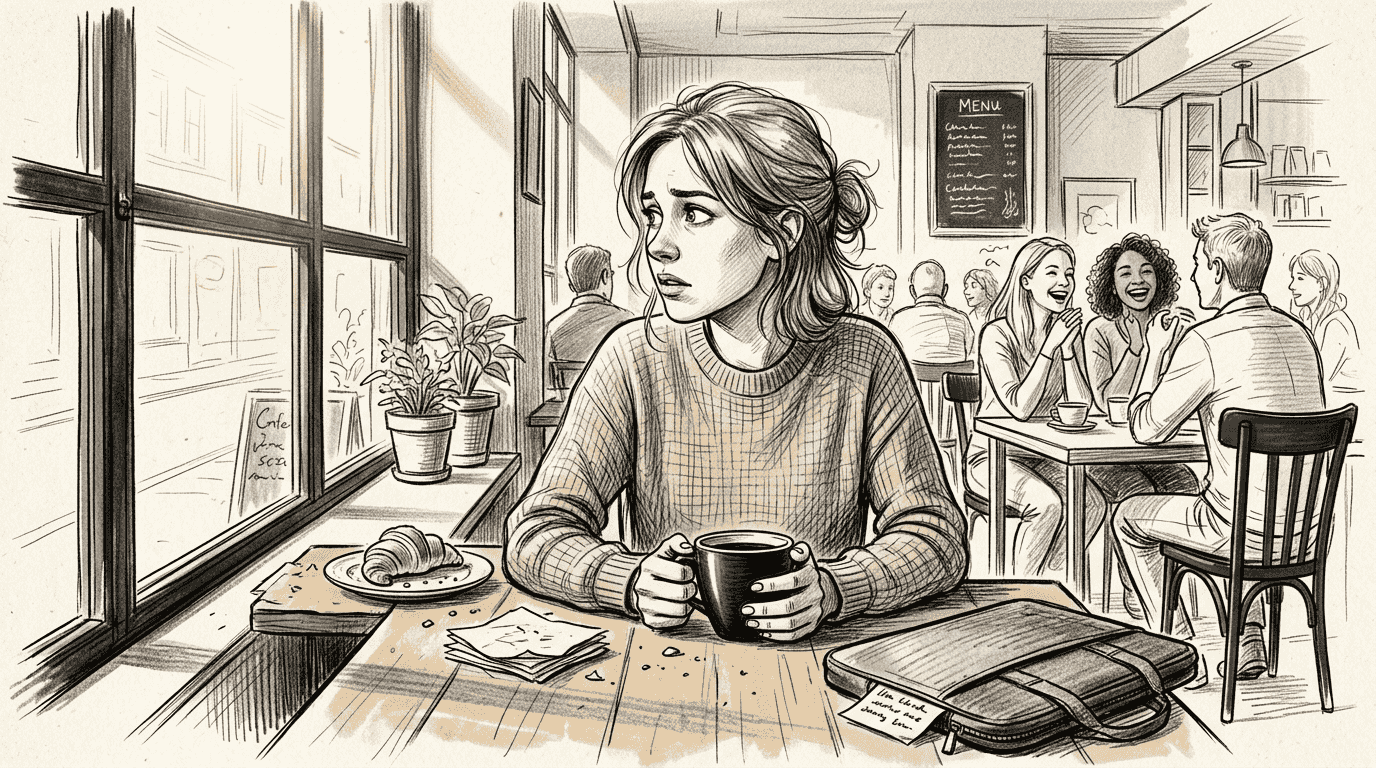
Anxiety can feel overwhelming when you don't know what's causing it. Many adults in California struggle to pinpoint the specific situations, memories, or sensations that spark their anxiety symptoms. Understanding your unique triggers is the first step toward regaining control and finding relief. Trauma-informed therapy offers evidence-based approaches that help you safely identify and address these triggers, especially when they stem from past traumatic experiences. This guide explores common anxiety triggers and explains how specialized therapeutic methods can transform your relationship with anxiety.
Table of Contents
Key takeaways
| Point | Details |
|---|---|
| Triggers vary widely | Anxiety triggers include environments, memories, physical sensations, and interpersonal stressors unique to each person. |
| Therapy effectiveness | Trauma-informed approaches like EMDR and TF-CBT significantly reduce anxiety symptoms rooted in trauma. |
| Identification matters | Recognizing your specific triggers allows therapists to tailor treatment strategies for better outcomes. |
| Safety comes first | Establishing therapeutic trust and stabilization precedes trauma processing to prevent retraumatization. |
| Professional guidance helps | Working with trained therapists enhances your ability to manage trauma-related anxiety long-term. |
Common examples of anxiety triggers
Anxiety triggers manifest differently for everyone, making them particularly challenging to recognize without guidance. Some people experience intense anxiety in crowded spaces like shopping malls or concert venues, while others feel triggered by specific sounds, smells, or even certain times of year. Environmental and memory-based stressors commonly provoke anxiety responses, especially when they connect to unresolved trauma.
Reminders of past traumatic experiences often serve as powerful triggers. You might encounter a person who resembles someone from your past, visit a location connected to a difficult memory, or hear a song that transports you back to a painful moment. These sensory connections can activate your nervous system before your conscious mind even recognizes what's happening. The anniversary of a traumatic event frequently brings unexpected anxiety, even years later.
Social situations present another category of triggers that many adults face regularly. Job interviews, family gatherings, public speaking, or even casual conversations can provoke anxiety when they echo past experiences of judgment, rejection, or conflict. Uncertainty about outcomes or feeling a lack of control in situations often intensifies these responses. Your brain perceives potential threats based on past patterns, even when current circumstances differ significantly.
Physical sensations themselves sometimes become triggers in a self-reinforcing cycle. When you notice your heart racing or feel shortness of breath, these bodily responses can trigger additional anxiety about having a panic attack. This creates a feedback loop where the fear of anxiety symptoms actually generates more anxiety. Understanding this pattern helps you break the cycle with appropriate coping strategies.
Common anxiety triggers include:
Crowded or confined spaces that limit escape routes
Loud or sudden noises that startle your nervous system
Specific smells connected to traumatic memories
Anniversary dates of significant losses or traumas
Interpersonal conflict or perceived criticism
Financial stress or job insecurity
Health concerns or medical appointments
Sleep deprivation or irregular routines
Recognizing these patterns in your own life represents the foundation for effective anxiety management. Working with a therapist trained in trauma-informed approaches helps you map your unique trigger landscape and develop targeted coping strategies.
How trauma-informed therapy addresses anxiety triggers
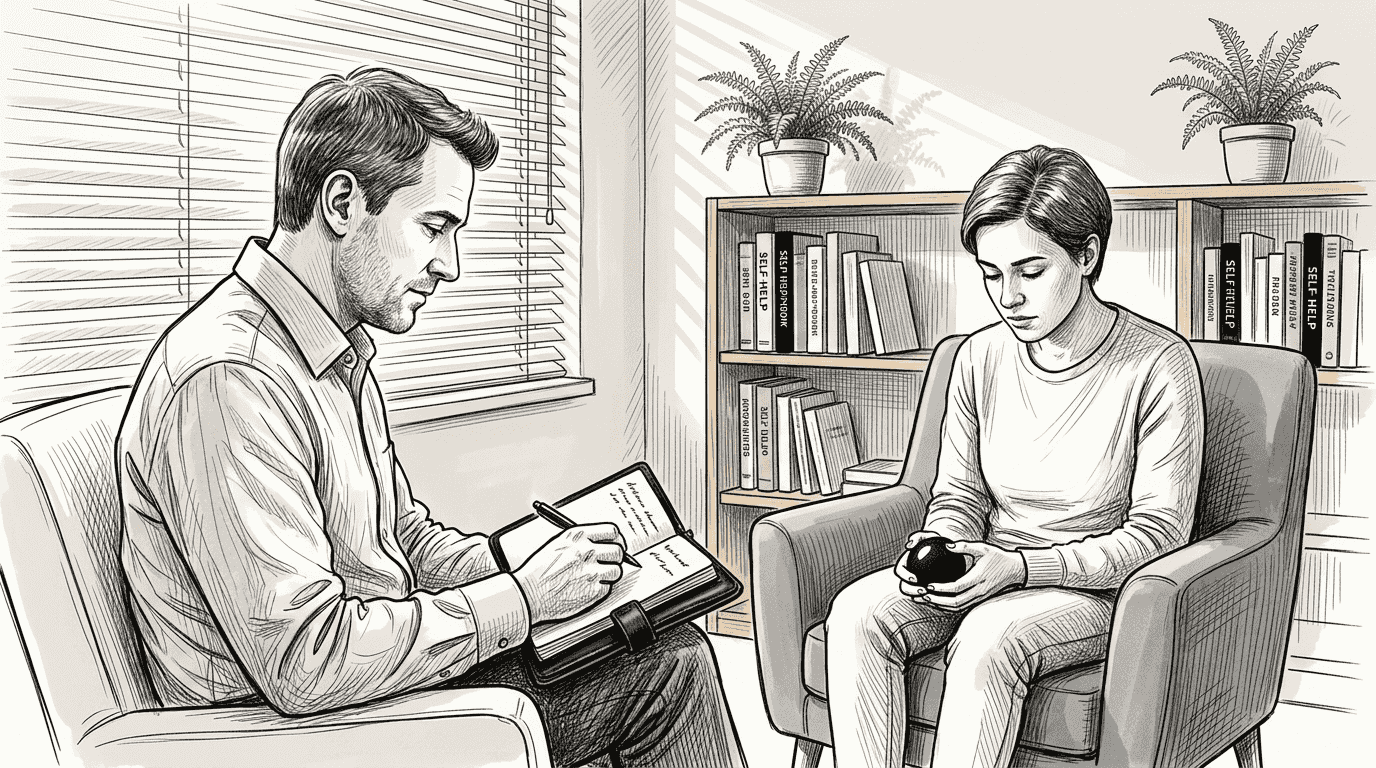
Trauma-informed therapy operates on the principle that safety and trust must exist before processing painful memories or triggers. Your therapist begins by helping you establish a sense of stability through grounding techniques, emotional regulation skills, and a strong therapeutic relationship. This foundation prevents retraumatization and ensures you have the resources needed when addressing difficult material.
Eye Movement Desensitization and Reprocessing (EMDR) has emerged as one of the most effective treatments for trauma-related anxiety. Research shows EMDR achieves 77-90% success rates in treating single-trauma cases. The therapy uses bilateral stimulation, typically through guided eye movements, to help your brain reprocess traumatic memories. As you recall triggering events while following your therapist's hand movements or listening to alternating sounds, the emotional intensity associated with those memories gradually decreases.
The structured phases of EMDR therapy ensure comprehensive treatment:
History taking and treatment planning to identify target memories
Preparation phase teaching coping skills and establishing safety
Assessment phase identifying specific memories, beliefs, and body sensations
Desensitization phase using bilateral stimulation to reduce distress
Installation phase strengthening positive beliefs about yourself
Body scan phase ensuring physical tension release
Closure phase returning to equilibrium after each session
Reevaluation phase monitoring progress and identifying remaining targets
Trauma-Focused Cognitive Behavioral Therapy (TF-CBT) offers another evidence-based approach that combines cognitive restructuring with trauma processing. This method helps you identify and challenge thought patterns that maintain anxiety around triggers. You learn to recognize when your brain is responding to past threats rather than present reality, then practice replacing those automatic responses with more accurate, helpful thoughts.
Both therapeutic approaches adapt to your individual trigger profile and symptom presentation. Your therapist tailors interventions based on whether your anxiety stems from a single traumatic event or complex, repeated trauma over time. The pacing of treatment respects your capacity to process difficult material without becoming overwhelmed.
Pro Tip: Before starting trauma processing, spend several sessions building your coping toolkit with your therapist. Having reliable grounding techniques and emotional regulation skills makes the deeper work safer and more effective. Many people find preparing thoroughly for EMDR therapy accelerates their progress once processing begins.
Comparing trauma-informed therapies: EMDR and TF-CBT
Understanding the differences between EMDR and TF-CBT helps you make informed decisions about which approach might work best for your situation. Both therapies demonstrate significant anxiety symptom reduction in trauma cases, but they achieve results through different mechanisms and timelines.
| Aspect | EMDR | TF-CBT |
|---|---|---|
| Primary mechanism | Bilateral stimulation to reprocess memories | Cognitive restructuring and gradual exposure |
| Typical duration | 6–12 sessions for single trauma | 12–20 sessions for comprehensive treatment |
| Verbal processing | Minimal talking during reprocessing | Extensive discussion and homework |
| Best suited for | Adults with clear traumatic memories | Children, adolescents, and complex cases |
| Homework required | Optional between-session practice | Regular assignments reinforce skills |
EMDR works by activating your brain's natural healing processes through bilateral stimulation. You don't need to talk extensively about traumatic details, which many people find less overwhelming than traditional talk therapy. The eye movements or alternating sounds appear to help your brain file traumatic memories in a way that reduces their emotional charge. Many clients report feeling significant relief after just a few targeted sessions, particularly when addressing anxiety from a specific traumatic event.
TF-CBT takes a more structured, skills-based approach that builds progressively over time. You learn specific techniques for managing anxiety symptoms, then gradually apply those skills while discussing trauma-related memories and triggers. The cognitive component helps you identify and modify unhelpful thought patterns that maintain anxiety. This approach often includes between-session homework to practice new skills and reinforce learning.
Speed of results varies between the two approaches. EMDR typically produces faster symptom reduction for single-trauma cases, with many people experiencing noticeable improvement within 3-6 sessions. TF-CBT generally requires a longer commitment but provides a comprehensive skill set that addresses multiple aspects of trauma-related anxiety. The extended timeline allows for thorough processing of complex trauma involving multiple events or ongoing adverse experiences.
Age and developmental stage influence which therapy works best. TF-CBT was specifically designed for children and adolescents, incorporating developmentally appropriate activities and involving caregivers in the treatment process. EMDR works effectively across all age groups but is particularly popular with adults who prefer less verbal processing. Both approaches can be adapted for various cultural backgrounds and individual preferences.
Pro Tip: You're not locked into one approach forever. Many therapists integrate elements from both EMDR and TF-CBT based on your evolving needs. Starting with one method doesn't prevent you from trying the other if your initial choice doesn't produce the results you're hoping for. The key is finding a therapist trained in multiple trauma-informed modalities who can adjust their approach to match your unique situation.
Practical tips for managing anxiety triggers daily
While therapy provides essential long-term healing, you need strategies to manage anxiety triggers in your daily life right now. Building a toolkit of coping techniques helps you navigate triggering situations with greater confidence and less distress. These practices complement professional treatment and often become the foundation for stabilization work in therapy.
Grounding techniques anchor you in the present moment when triggers activate anxiety responses. The 5-4-3-2-1 method asks you to identify five things you see, four things you can touch, three things you hear, two things you smell, and one thing you taste. This sensory exercise interrupts the anxiety spiral by redirecting your attention to immediate physical reality. Deep breathing exercises, particularly extending your exhale longer than your inhale, activate your parasympathetic nervous system to counter the fight-or-flight response.
Creating a personalized safety plan gives you a roadmap for managing intense anxiety episodes. Your plan should include trusted contacts you can reach out to, calming activities that reliably soothe you, and specific locations where you feel safe. Write down your plan and keep it accessible on your phone or in your wallet. When anxiety peaks, your ability to think clearly diminishes, making pre-planned responses essential.
Keeping a trigger journal helps you identify patterns you might otherwise miss. Note the situations, people, places, times, and physical states associated with anxiety episodes. Over several weeks, you'll likely notice recurring themes that point to specific triggers. This information becomes invaluable when working with a therapist to target treatment effectively. The journal also helps you anticipate and prepare for known triggers rather than being caught off guard.
Building stabilization before processing traumatic memories is essential for safe treatment. Your nervous system needs sufficient regulation capacity to handle the intensity of trauma work. Rushing into memory processing without adequate preparation can overwhelm your coping resources and potentially worsen symptoms. Quality trauma therapists always prioritize establishing safety and building skills before addressing traumatic content directly.
Additional daily management strategies include:
Maintaining consistent sleep schedules to support nervous system regulation
Limiting caffeine and alcohol, which can amplify anxiety responses
Engaging in regular physical movement to discharge stress hormones
Practicing self-compassion when anxiety arises instead of self-criticism
Setting boundaries in relationships to protect your emotional energy
Creating predictable routines that provide a sense of control
Pro Tip: Start implementing these strategies before beginning trauma therapy. Having practiced coping skills makes you more resilient during the challenging work of processing traumatic memories. Think of these techniques as building your psychological immune system, strengthening your capacity to handle difficult emotions safely. Many people find preparing systematically for therapy significantly improves their treatment outcomes.
Explore trauma-informed therapy options with Alvarado Therapy
You don't have to navigate anxiety triggers alone. Alvarado Therapy specializes in trauma-informed approaches designed specifically for California adults seeking lasting relief from anxiety rooted in past experiences. Our licensed therapists offer personalized treatment plans that address your unique trigger profile through evidence-based methods like EMDR and trauma-focused counseling.
Whether you prefer in-person sessions in Pasadena or Ventura, or the convenience of online EMDR trauma therapy from anywhere in California, our bilingual team provides culturally responsive care in English and Spanish. We understand that healing happens when you feel truly safe and understood. Our comprehensive services include PTSD and complex trauma support tailored to your individual needs and goals. Schedule a consultation today to discuss which therapeutic approach might work best for your situation and start your journey toward managing anxiety triggers with confidence.
FAQ
What are anxiety triggers and how do I identify mine?
Anxiety triggers are specific situations, memories, sensations, or environmental factors that activate your nervous system's stress response and produce anxiety symptoms. Common triggers include crowded spaces, interpersonal conflict, reminders of past trauma, or even physical sensations like rapid heartbeat. Identifying your personal triggers requires self-reflection, often through journaling about when anxiety occurs and what preceded those episodes. Working with a trauma-informed therapist accelerates this identification process because they're trained to recognize patterns you might miss on your own.
How does trauma-informed therapy help with anxiety triggers?
Trauma-informed therapy creates a safe environment where you can process traumatic memories and triggers without being retraumatized. Therapists prioritize establishing emotional regulation skills and therapeutic trust before addressing difficult content directly. Methods like EMDR and TF-CBT reduce the emotional intensity associated with triggers by helping your brain reprocess traumatic memories in adaptive ways. This approach recognizes that anxiety triggers often connect to unresolved trauma requiring specialized treatment rather than general anxiety management alone.
Can I manage anxiety triggers without therapy?
Some people successfully manage mild anxiety triggers using self-help strategies like grounding techniques, lifestyle modifications, and stress management practices. However, therapy typically provides deeper and more lasting relief, especially when anxiety stems from traumatic experiences or significantly impairs your daily functioning. Professional guidance is strongly recommended for complex trauma, persistent anxiety that doesn't respond to self-help efforts, or triggers that create safety concerns. Combining self-management strategies with professional treatment often produces the best outcomes for trauma-related anxiety.
What should I expect during EMDR therapy for anxiety?
EMDR therapy involves structured phases beginning with preparation and safety-building before memory processing begins. During reprocessing sessions, you'll recall triggering memories while following bilateral stimulation, typically your therapist's hand movements or alternating sounds. Sessions focus on reducing distress associated with specific memories and installing positive beliefs about yourself. You can expect collaborative treatment where your therapist adjusts pacing based on your comfort level, with most people noticing symptom reduction within several sessions for single-trauma cases.
